
Epizeuxis in English: Learn Emphasis Techniques with PlanetSpark


Table of Contents
- What Is Epizeuxis in English?
- Why Epizeuxis Matters in English Learning
- Using Epizeuxis Across Writing Styles
- Rules, Mistakes, and Examples of Epizeuxis
- Epizeuxis and Other Forms of Repetition in Rhetoric
- PlanetSpark Turns Student Voices into TEDx Stories
- Learn Spoken English and Emphasis Skills with PlanetSpark
- Conclusion
Many students learn English for years but still struggle to express ideas clearly. They understand grammar rules. They memorize vocabulary. Yet their speech sounds flat, and their writing lacks impact. This is where epizeuxis becomes important. Epizeuxis helps speakers and writers stress key ideas clearly.
This blog explains epizeuxis in detail, shows how to use it across writing styles, and explains how PlanetSpark helps students master emphasis with confidence.
What Is Epizeuxis in English?
Before students use any literary or rhetorical device, they must understand what it means. Many learners find literary terms confusing because teachers explain them with complex language. Epizeuxis is simple and practical.
The epizeuxis meaning is straightforward. Epizeuxis means the immediate repetition of a word or phrase to show strong emotion or importance. The repetition happens without any pause or extra words between the repeated terms.
For example, when someone says, “This is important, important,” the speaker repeats the word to make the message clear and strong.
Teachers often define epizeuxis as a rhetorical device that uses direct repetition for emphasis. The repeated word appears back-to-back. This repetition draws attention and strengthens meaning.
Epizeuxis does not add decoration. It adds force. It helps speakers and writers highlight what truly matters.
Students hear epizeuxis in everyday conversations. Parents use it when they feel emotional. Coaches use it to motivate teams. Speakers use it to stress key ideas.
Students also find epizeuxis in books, speeches, films, and stories. Once they learn this device, they start noticing it everywhere.
Why Epizeuxis Matters in English Learning
Many students speak English without stress or variation. They give equal importance to every word. This habit makes their message boring and unclear. Epizeuxis teaches students how to highlight key points.
How Epizeuxis Improves Spoken English
Spoken English depends on clarity, emphasis, and confidence. Listeners do not process every word a speaker says. They focus on words that sound important. This is where epizeuxis plays a key role. By repeating a word immediately, a speaker signals importance and guides listener attention without effort.
For example, the sentence “I need help” sounds calm and neutral. It does not show urgency. When a speaker says, “I need help, help right now,” the repetition changes the meaning. The listener senses urgency and emotion. The message feels stronger and more serious. This small change improves understanding instantly.
Epizeuxis also helps students sound more confident while speaking. Many learners rush through sentences because they feel nervous. Their voice sounds flat. When students use epizeuxis, they slow down naturally. They focus on one important word instead of worrying about the entire sentence. This control makes speech sound deliberate and confident.

Everyday Conversations
In everyday conversations, epizeuxis helps students express emotions clearly. Instead of explaining feelings in long sentences, they repeat a strong word to show emotion. This makes communication direct and easy to understand. Listeners respond better because the message feels honest and clear.
Presentations & Speeches
In presentations and speeches, epizeuxis helps speakers highlight key points. Audiences often lose focus during long talks. Repetition brings attention back to the main idea and makes it easier to remember. Important points stand out without extra explanation.
Interviews
Epizeuxis also improves interview performance. When a student says, “I value teamwork, teamwork above everything,” the repetition shows conviction. The interviewer hears clarity and confidence instead of hesitation.
Overall, epizeuxis improves spoken English by helping speakers:
- emphasize key ideas clearly
- express emotion without complex words
- sound confident and controlled
- keep listeners engaged
When used carefully, epizeuxis turns ordinary speech into strong communication. It allows students to speak with purpose, clarity, and confidence in real-life situations.
Using Epizeuxis Across Writing Styles
Many students believe literary devices belong only in poems. This belief limits expression. Epizeuxis works across different forms of writing and communication.
Epizeuxis in creative writing
Creative writing focuses on emotion and imagination. Writers aim to show feelingsather than explain. Epizeuxis helps achieve this effect.
When a character feels fear, repetition shows panic. When a character feels joy, repetition shows excitement. Writers avoid long descriptions and rely on repeated words to convey emotion.
For example, “She felt trapped, trapped in her own thoughts.” This sentence shows emotion clearly without extra detail.
Epizeuxis in storytelling
Storytelling depends on rhythm and engagement. Epizeuxis helps control pacing. It builds tension during dramatic moments and highlights emotional turning points.
Storytellers use repetition carefully during key scenes. This selective use keeps the story balanced and impactful.
Speak with confidence using PlanetSpark Spoken English. Book a free trial now.
Epizeuxis in persuasive writing
Persuasive writing aims to influence opinions. Writers must stress their strongest arguments. Epizeuxis helps reinforce key claims.
For example, “This decision harms students, harms their future.” The repetition strengthens persuasion and makes the message memorable.
Opinion essays, debates, and speeches often use epizeuxis to reinforce arguments.
How to use epizeuxis in essays
Essays require structure and clarity. Students often hesitate to use literary devices in essays, but epizeuxis fits well when used carefully.
Use epizeuxis in introductions to highlight central ideas. Use it in conclusions to reinforce arguments. Avoid using it in factual explanations.
For example, “This experience changed me, changed how I view success.” This sentence adds emotional depth without breaking academic tone.
Epizeuxis and rhetorical devices for emphasis
Epizeuxis belongs to a group called rhetorical devices for emphasis. These devices help speakers and writers stress important ideas.
Other emphasis devices include anaphora and diacope. Epizeuxis remains one of the simplest because it relies on direct repetition.
Rules, Mistakes, and Examples of Epizeuxis
Students often misuse repetition. They repeat words without purpose. This weakens communication instead of improving it.
Rules for using epizeuxis correctly
- Use epizeuxis only for important ideas.
- Repeat only one word or short phrase.
- Limit repetition to two or three times.
- Match repetition with emotion or emphasis.
- Avoid filler words and overuse.
Clear examples of epizeuxis
- “I need answers, answers now.”
- “This moment matters, matters deeply.”
- “He spoke the truth, truth without fear.”
Each example shows controlled repetition and clear intent.
Upgrade your English speaking skills with PlanetSpark Spoken English. Book your free trial call.
Common mistakes students make
- They repeat full sentences.
- They repeat too frequently.
- They repeat without emotional context.
- Teachers must guide students through practice to fix these issues.
Epizeuxis and Other Forms of Repetition in Rhetoric
Epizeuxis vs Anaphora
Epizeuxis and anaphora are both rhetorical devices that use repetition for emphasis. However, they differ in structure and purpose. Epizeuxis focuses on immediate repetition to express strong emotion, while anaphora builds emphasis across multiple sentences or clauses.
Difference Between Epizeuxis and Repetition
Repetition is a general term that refers to repeating words or ideas in speech or writing. Epizeuxis is a specific form of repetition that follows a strict pattern. Understanding this difference helps students avoid incorrect usage.
Make spoken English your strength with PlanetSpark. Book a free Spoken English trial today.
Types of Repetition in Rhetoric
Rhetoric uses different types of repetition to achieve emphasis, rhythm, and clarity. Each type serves a distinct function and follows a specific structure.
Epizeuxis vs Diacope
Epizeuxis and diacope both involve repeating the same word, but the structure differs. Epizeuxis uses no gap between repetitions, while diacope allows one or more words in between.
Epizeuxis vs Alliteration
Epizeuxis and alliteration differ completely in function. Epizeuxis focuses on meaning and emphasis, while alliteration focuses on sound and rhythm.
PlanetSpark Turns Student Voices into TEDx Stories
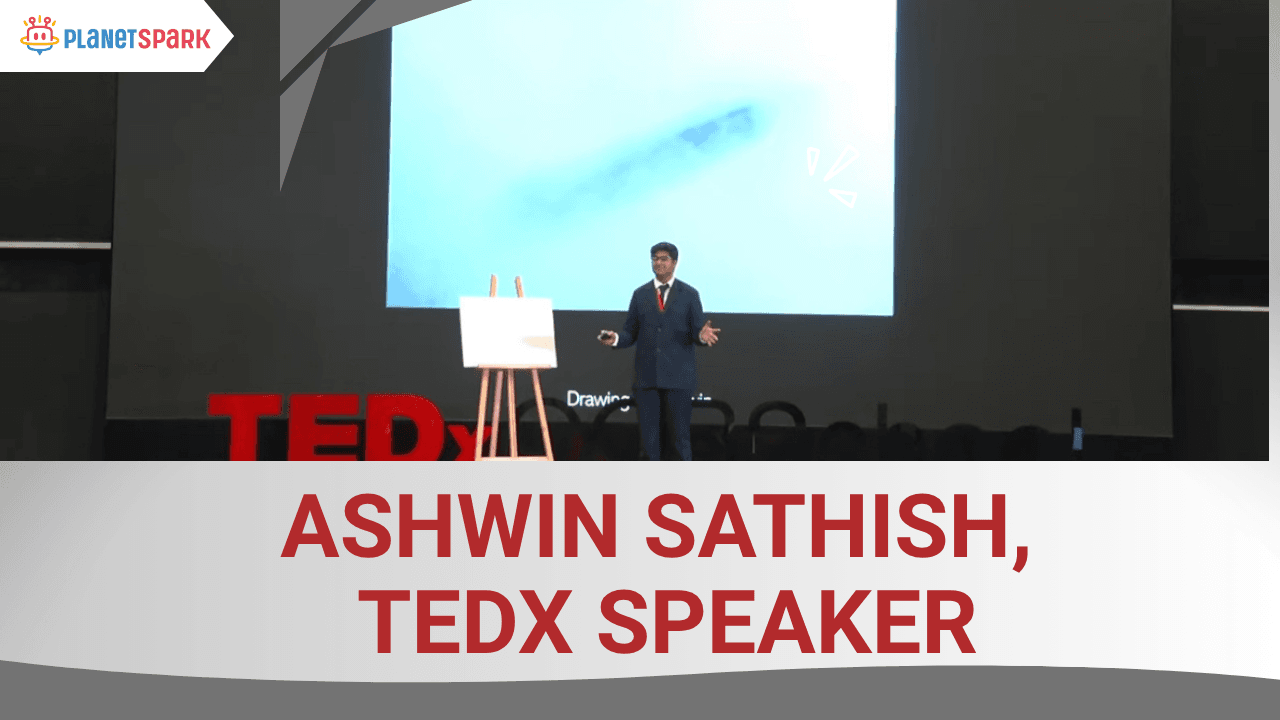
Ashwin Sathish, Grade 8 from New Delhi, stood tall as a TEDx Speaker, sparking conversations that truly matter. From classroom confidence to commanding a global stage, his journey reflects the power of voice, vision, and courage.
Build confident speakers and strong voices with PlanetSpark. Book a free trial class today.
Learn Spoken English and Emphasis Skills with PlanetSpark
Learning epizeuxis requires practice and feedback. Students need guidance to understand when repetition helps and when it distracts. This is where PlanetSpark plays a key role.
PlanetSpark focuses on spoken English and expressive communication. Trainers teach emphasis techniques like epizeuxis through real-life speaking tasks.
Why PlanetSpark stands out
PlanetSpark offers live online classes led by trained English experts. Students speak in every session. Teachers correct pronunciation, tone, and stress instantly.
PlanetSpark integrates epizeuxis into:
- Storytelling activities
- Debates and discussions
- Speech and presentation practice
- Daily conversation drills
Students learn control and confidence, not memorization.
Conclusion
Epizeuxis strengthens English communication. It helps students express ideas clearly and show emotion with control. When students learn how to use repetition correctly, their speech and writing improve immediately. Strong English requires more than grammar. It requires emphasis, clarity, and confidence. With proper guidance and regular practice, students can master epizeuxis and apply it across speaking and writing tasks. PlanetSpark provides the structure, feedback, and practice students need to build these skills and communicate confidently in real life.
Frequently Asked Questions
PlanetSpark focuses on live speaking practice with expert feedback. Students speak in every class and learn clarity, emphasis, and confidence step by step.
Yes. Trainers teach epizeuxis through storytelling, debates, and speeches so students learn to use repetition naturally.
PlanetSpark supports beginners with structured lessons that focus on simple speech, correct stress, and gradual confidence building.
Students from six years and above can learn epizeuxis. Lessons adapt to age, learning pace, and skill level.
Students should practice epizeuxis daily through short speaking drills to build natural emphasis.
Yes. Epizeuxis improves writing impact and spoken responses. Examiners and listeners value clear emphasis and confident expression.