
How to Make a Clear and Effective Statement of the Problem


Table of Contents
- What Is a Statement of the Problem?
- Why Is a Statement of the Problem Important?
- Key Elements of a Good Statement of the Problem
- Understanding the Process of Writing a Problem Statement
- Simple Formula for Writing a Statement of the Problem
- Length of a Good Problem Statement
- Common Mistakes While Writing a Problem Statement
- Group Activity for Classrooms
- Why a Statement of the Problem Is Important
- Role of a Problem Statement in Essays
- Statement of the Problem in Debates
- Problem Statement in Daily Life Situations
- How a Problem Statement Helps in Finding Solutions
- Improving a Problem Statement Through Feedback
- Group Discussion Activity
- Parent and Teacher Support Tips
- About PlanetSpark : Spoken English
What Is a Statement of the Problem?
A statement of the problem is a clear sentence or paragraph that explains a problem that needs to be solved.
In simple words for children:
A statement of the problem tells us what the problem is and why it is important.
It does not give the solution. It only focuses on explaining the problem clearly so that everyone understands it.
Help your child explain ideas clearly — Book a Free Demo Class
Why Is a Statement of the Problem Important?
A good statement of the problem helps everyone understand the issue before trying to solve it.
It is important because it:
Makes the problem clear
Helps people focus on the right issue
Guides solutions and ideas
Improves thinking and writing skills
Makes projects and speeches organised
When children learn to write problem statements, their answers become clearer and more meaningful.
Where Do Children Use a Statement of the Problem?
Children use a statement of the problem in many school activities.
Common examples include :
School projects
Science experiments
Essays and paragraphs
Debates and speeches
Case studies
Group discussions
Knowing how to write a problem statement helps children perform better in all these tasks.
Statement of the Problem vs Topic
Many children confuse a topic with a statement of the problem. Understanding the difference is very important.
| Topic | Statement of the Problem |
|---|---|
| Water pollution | Many rivers are polluted due to waste dumping |
| Homework | Too much homework reduces playtime |
| Plastic | Plastic waste harms animals |
A topic is just a word or phrase. A problem statement explains the issue clearly.

Key Elements of a Good Statement of the Problem
A strong statement of the problem includes three main elements.
It should explain:
What the problem is
Who is affected by the problem
Why the problem matters
Children should try to include all three in simple words.
Read More & Support your child’s learning journey with structured worksheets and activities.
Simple Example of a Statement of the Problem
Topic: Noise in school
Statement of the problem:
Loud noise during school hours makes it difficult for students to concentrate and learn properly.
This sentence clearly explains the problem and why it matters.
Characteristics of a Good Problem Statement
A good statement of the problem should be:
Clear and simple
Short and direct
Focused on one problem
Easy to understand
Free from solutions
Children should avoid adding opinions or solutions at this stage.
Common Mistakes Children Make
Children often make small mistakes while writing a statement of the problem.
Common mistakes include:
Writing the solution instead of the problem
Making the sentence too long
Using confusing words
Including many problems in one statement
Helping children identify these mistakes improves their writing.
Why Learning This Skill Early Helps
Learning how to write a problem statement at an early age helps children in the long run.
It improves:
Logical thinking
Writing clarity
Speaking skills
Problem-solving ability
Confidence in expressing ideas
This skill is useful not just in school, but also in real-life situations.
Fun Activity: Spot the Problem Statement
Ask the child to identify the correct problem statement.
Option A:
We should plant more trees.
Option B:
Many areas have fewer trees, causing less clean air.
Correct answer: Option B, because it explains the problem, not the solution.
Checkpoint for Parents and Children
At this stage, children should be able to:
Explain what a statement of the problem is
Understand why it is important
Tell the difference between a topic and a problem statement
Identify a simple problem statement
If these points are clear, the child is ready to learn how to write one step by step.
Parent Tip
Parents can help by asking guiding questions like:
What exactly is the problem?
Who is facing this problem?
Why should we care about it?
These questions help children think clearly.

Understanding the Process of Writing a Problem Statement
Writing a statement of the problem becomes easy when children follow clear steps. Many children think it is difficult because they try to write everything at once. In reality, a good problem statement is written by thinking step by step.
This part will help children understand how to identify a problem, think about it carefully, and write it clearly in simple words.
Step 1: Identify the Topic Clearly
The first step is to decide the topic. The topic tells us the general area where the problem exists.
Examples of topics:
Pollution
Homework
Online classes
School playground
Plastic use
At this stage, children should not write sentences. They should only choose the topic.
Step 2: Think About the Actual Problem
Once the topic is chosen, children should think about what exactly is wrong.
Helpful questions to ask:
What is going wrong?
What difficulty is being faced?
What is not working properly?
Example:
Topic: School playground
Problem: The playground is too small for all students to play.
Thinking deeply about the problem helps children avoid writing unclear statements.
Step 3: Identify Who Is Affected
A good statement of the problem explains who is affected by the issue.
Questions to ask:
Who faces this problem?
Students, teachers, parents, or others?
Example:
The small playground affects students who do not get enough space to play.
This step makes the problem more meaningful.
Step 4: Explain Why the Problem Matters
Children should explain why the problem is important.
Questions to ask:
What happens because of this problem?
Why should we care about it?
Example:
Because of limited space, students cannot play properly and feel tired and stressed.
This step helps connect the problem to real-life impact.
Enroll Your Child in a Free Demo Class
Let your child learn writing and speaking skills through fun, guided practice.
Step 5: Combine All Points into One Clear Statement
Now children combine all ideas into one clear sentence or short paragraph.
Final statement of the problem:
The school playground is too small, which does not allow students to play freely and affects their physical and mental health.
This sentence clearly explains what the problem is, who is affected, and why it matters.
Simple Formula for Writing a Statement of the Problem
Children can remember this simple formula:
Problem + Who is affected + Why it matters
Using this formula helps children write focused and clear problem statements.
More Examples of Statement of the Problem
Example 1
Topic: Homework
Statement of the problem:
Too much homework reduces the time children get for rest, play, and family activities.
Example 2
Topic: Online classes
Statement of the problem:
Poor internet connectivity makes it difficult for students to attend online classes regularly.
Example 3
Topic: Plastic use
Statement of the problem:
Excessive use of plastic creates waste that harms animals and the environment.
Topic vs Weak vs Strong Problem Statement
| Topic | Weak Statement | Strong Statement |
|---|---|---|
| Noise | Noise is bad | Loud noise in classrooms makes it hard for students to concentrate |
| Water | Water issue | Lack of clean drinking water affects student health |
| Exams | Exams are stressful | Exam pressure causes stress and anxiety among students |
This table helps children understand how to improve clarity.
Length of a Good Problem Statement
Children often ask how long a statement of the problem should be.
Guidelines:
One to three sentences
Clear and focused
Not too short or too long
Quality is more important than length.
Common Mistakes While Writing a Problem Statement
Children should avoid these common mistakes:
Writing the solution instead of the problem
Using words like should, must, or need to
Writing many problems in one statement
Using difficult words
Example of a mistake:
We should ban plastic in schools.
Correct problem statement:
Plastic waste in schools creates pollution and harms the environment.
Practice Activity: Fix the Problem Statement
Ask the child to improve this sentence:
Sentence:
Children should study less.
Improved problem statement:
Too much study time leaves children with little time for rest and play.
This activity builds editing skills.

Group Activity for Classrooms
Teachers or parents can ask children to work in small groups.
Steps:
Choose a topic
Discuss the problem
Write one problem statement together
This builds teamwork and communication skills.
Checkpoint for Parents and Children
By the end of this part, children should be able to:
Follow steps to write a problem statement
Use the simple formula
Identify weak and strong statements
Avoid common mistakes
If these skills are clear, children are ready to practice delivery and application.
Parent Support Tip
Parents can help by reviewing the statement and asking:
Is the problem clear?
Does it explain why it matters?
Gentle questions guide children without correcting them directly.
Why a Statement of the Problem Is Important
A statement of the problem is not just a writing exercise. It is used in many real-life situations and school activities. When children learn how to clearly explain a problem, they become better thinkers, speakers, and writers.
A clear problem statement helps others understand the issue quickly. It also shows that the child has thought deeply about the topic.
Give Your Child a Head Start in School Communication
Logical thinking and structured expression help children stand out in classrooms.
Using a Statement of the Problem in School Projects
In school projects, children are often asked to write about an issue. The first and most important part of the project is the statement of the problem.
Example project topic:
Saving water
Statement of the problem:
Wastage of water in homes and schools leads to water shortage and affects daily life.
Once this is written, the child knows what to research and explain further.
Role of a Problem Statement in Essays
In essays, the statement of the problem usually appears in the introduction. It helps set the direction of the essay.
Example essay introduction:
Plastic pollution has become a serious issue. The excessive use of plastic creates waste that harms animals and pollutes the environment.
This tells the reader what the essay will focus on.
Using a Statement of the Problem in Speeches
In speeches, the statement of the problem helps grab attention. A strong problem statement makes listeners want to hear more.
Example speech opening:
Many students feel tired and stressed every day. Too much homework leaves children with little time for rest and play.
This makes the audience interested in the topic.
Statement of the Problem in Debates
In debates, children must clearly state the problem they are discussing.
Example debate topic:
Should homework be reduced?
Problem statement:
Excessive homework increases stress and reduces learning effectiveness among students.
A clear problem statement helps the child argue confidently.
Build Strong Foundations in Writing and Speaking
A strong problem statement leads to confident essays, speeches, and presentations.
Problem Statement in Science Projects
Science projects often begin with a problem.
Example science topic:
Plant growth
Statement of the problem:
Plants do not grow well without enough sunlight.
This helps the child design experiments properly.
Problem Statement in Daily Life Situations
Children also use problem statements in everyday situations, even without realizing it.
Examples:
Classroom is noisy during group work
School bus arrives late
Library books are not arranged properly
When children explain the problem clearly, adults can help solve it faster.
How a Problem Statement Helps in Finding Solutions
A clear problem statement leads to better solutions.
If the problem is unclear, the solution may not work.
Unclear problem:
Students are unhappy.
Clear problem:
Lack of sports time makes students feel tired and unhappy.
The clearer the problem, the better the solution.
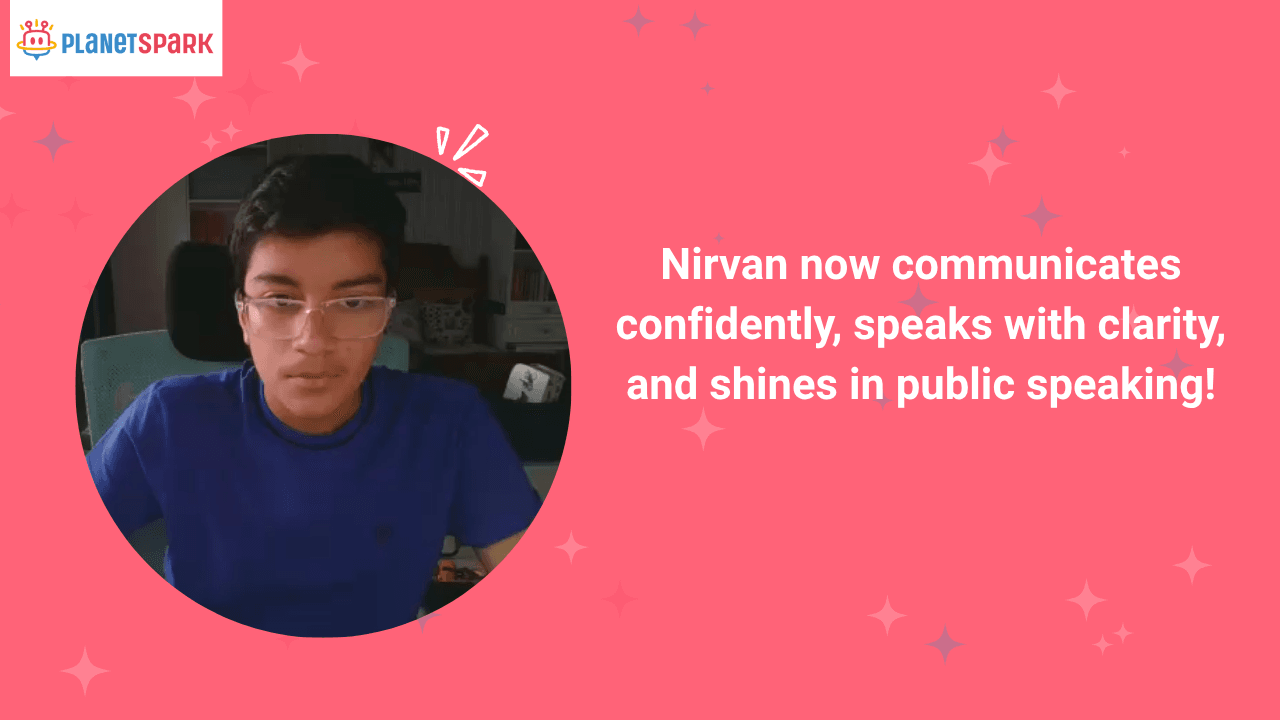
Success Story: Nirvaan’s Journey
Nirvaan, 9, used to hesitate while speaking in class and felt nervous during public speaking. After joining PlanetSpark, he learned how to express his thoughts clearly, adapt his words for different situations, and communicate with confidence.
Activity: Match the Situation with the Correct Problem Statement
Situation 1:
Students talk during class.
Problem statement:
Noise in the classroom makes it difficult for students to concentrate.
Situation 2:
Students throw garbage on the ground.
Problem statement:
Improper waste disposal makes the school environment dirty.
This activity improves understanding.
Table: Where Problem Statements Are Used
| Situation | Why It Is Needed |
|---|---|
| Project | To define what to study |
| Essay | To introduce the main issue |
| Speech | To catch attention |
| Debate | To present the argument |
| Science experiment | To guide investigation |
How Teachers Evaluate a Statement of the Problem
Teachers look for three main things:
Is the problem clear?
Is it focused on one issue?
Does it explain why the problem matters?
If these are present, the statement is strong.
Improving a Problem Statement Through Feedback
Children should not feel upset if teachers suggest changes. Feedback helps improve writing.
Example feedback:
Make the problem more specific.
Improved version:
Noise during group activities makes it hard for students to hear instructions.
Learning from feedback builds confidence.
Fun Classroom Activity: Problem Detective
Steps:
Observe the classroom
Write down one problem
Create a problem statement
Example:
Problem: Fans are noisy
Statement:
Loud fan noise makes it difficult for students to hear the teacher.
This activity sharpens observation skills.
Group Discussion Activity
Children sit in groups and discuss common school problems.
Each group writes one problem statement and shares it with the class.
This improves speaking and teamwork skills.
Common Confusions Children Have
Confusion 1: Writing opinions
Wrong: I think homework is boring.
Correct: Too much homework reduces free time for students.
Confusion 2: Writing solutions
Wrong: We should stop pollution.
Correct: Pollution in cities affects health and cleanliness.
Understanding this difference is very important.
Help Your Child Think Better with Structured Writing Skills
Clear thinking starts with clear writing. Help your child master essential communication skills early.
Parent and Teacher Support Tips
Adults should encourage children to:
Think clearly
Use simple words
Focus on one problem
Support builds confidence and independence.
Checkpoint for Learning
By the end, children should be able to:
Use problem statements in projects, essays, and speeches
Understand real-life applications
Improve statements using feedback
Identify correct and incorrect examples
If these skills are clear, the child is ready for the final section.

About PlanetSpark : Spoken English
PlanetSpark helps children speak English fluently, clearly, and confidently through engaging 1:1 live classes. Our Spoken English Program strengthens pronunciation, fluency, and vocabulary while building real-world communication skills helping kids express themselves with confidence in school and beyond.
1. 1:1 Expert Coaching
Every child learns with a certified trainer who personalises each session to their pace and learning style ensuring clear speech, confidence, and quick progress.
2. Personalised Learning Path
A customised curriculum enhances grammar, vocabulary, listening, and sentence formation guiding learners from basic speaking to fluent communication.
3. AI-Powered Pronunciation Feedback
With SparkX and AI led practice sessions, students receive instant, precise feedback on tone, pronunciation, and clarity turning practice into measurable improvement.
4. Interactive & Gamified Learning
Fun tools like Word Wisdom, Listen & Spell, and Fluency Quests make English learning exciting and consistent, helping kids practise daily through play.
5. Confidence for Every Conversation
Through storytelling, dialogue practice, and real-life speaking drills, children gain the confidence to express themselves naturally anytime, anywhere.
Frequently Asked Questions
The main purpose is to clearly explain an issue so that readers or listeners understand what needs attention.
Yes, but it should still be short and focused. One to three sentences are usually enough.
No. A topic is broad, while a problem statement explains a specific issue related to the topic.
Yes. Learning this skill early improves writing, speaking, and critical thinking skills.
It usually comes at the beginning of an essay, project, or speech.