
How to Teach Kids at Home English and Phonics Easily
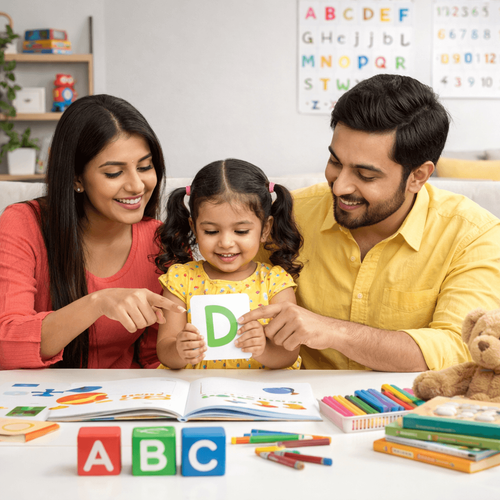

Table of Contents
- Why Teaching Kids at Home is Important
- How to Teach 3 Year Old Kid at Home
- How to Teach Nursery Kid at Home
- How to Teach English for Kid at Home
- How to Teach English to Kids at Home
- How to Teach Phonics to Kids at Home
- How to Teach Abacus to Kids at Home
- Creating a Daily Learning Routine at Home
- Fun Activities to Teach Kids at Home
- Common Mistakes to Avoid While Teaching Kids at Home
- Advanced Skill Development at Home
- PlanetSpark Spoken English Course for Kids
- Making Home Learning Simple and Effective
Teaching kids at home can feel overwhelming, especially when you want to build strong English, phonics, and foundational skills. This guide on how to teach kids at home covers practical, age-appropriate methods for toddlers and nursery kids, including how to teach English, phonics, and even basic math concepts like abacus. You will discover simple routines, engaging activities, and proven strategies to make home learning effective and enjoyable.
Why Teaching Kids at Home is Important
Teaching at home is not just about academics, it’s about building a strong foundation for lifelong learning. Children learn best in a familiar and comfortable environment where they feel safe to explore and make mistakes.
Building Early Foundations
When parents actively participate in early learning, children develop:
- Strong basic concepts before school begins
- Better emotional connection with learning
- Higher curiosity and confidence
This early exposure shapes how children approach education in the long run.
Key Benefits of Home Learning
Home learning offers several advantages that traditional classrooms may not always provide:
- Flexible pace: Children learn according to their speed
- Personal attention: Parents can focus on individual needs
- Comfortable environment: Reduces pressure and fear
- Better communication skills: More opportunities for interaction
How to Teach 3 Year Old Kid at Home
At the age of 3, children are naturally curious but have limited attention spans. The goal is not structured teaching but guided exploration.
Understanding Learning at Age 3
Children at this stage learn mainly through:
- Play
- Observation
- Repetition
This means learning should feel like play rather than study.
Simple Methods for Teaching Toddlers
Start with playful and engaging techniques that naturally introduce concepts.
Use Play-Based Learning
Instead of formal teaching, use activities like:
- Alphabet toys and puzzles
- Shape sorting games
- Color recognition activities
These activities build cognitive skills without pressure.
Introduce Basic Words
Begin with simple, everyday words such as:
- Cat, ball, dog
- Mom, dad, toy
Use real objects and pictures so children can connect words with meaning.
Focus on Listening and Speaking
At this stage, speaking matters more than writing. Encourage:
- Daily conversations
- Simple questions like “What is this?”
- Repeating words after you
Keep Sessions Short
Children lose focus quickly, so:
- Keep sessions 10–15 minutes long
- Use multiple short sessions instead of one long session
How to Teach Nursery Kid at Home
As children grow, their ability to understand and communicate improves. Nursery-level teaching should focus on structured basics.
Skills to Focus On
At this stage, children should gradually develop:
- Alphabet recognition
- Basic vocabulary
- Simple sentence formation
- Listening and speaking skills
Effective Teaching Techniques
Alphabet Learning
Introduce letters in fun ways:
- Use rhymes and songs
- Practice tracing letters
- Show objects for each letter
This helps children associate sounds with visuals.
Word Recognition
Move from letters to words by introducing:
- 2-letter words like “at,” “in”
- 3-letter words like “cat,” “bat”
Use flashcards and pictures for better retention.
Basic Sentence Building
Encourage children to form simple sentences such as:
- “I am happy”
- “This is my toy”
This builds early communication skills.
How to Teach English for Kid at Home
Teaching English at home should follow a gradual and practical approach rather than a theoretical one.
Step-by-Step Approach
Start simple and slowly increase complexity.
Begin with Vocabulary
Introduce commonly used words from daily life:
- Food items
- Household objects
- Actions
This helps children relate language to real situations.
Move to Sentence Formation
Once vocabulary improves:
- Combine words into small sentences
- Practice daily conversations
This ensures children understand usage, not just meaning.
Introduce Reading
Reading builds comprehension and pronunciation.
- Start with picture books
- Encourage reading aloud
- Repeat stories for better understanding
Focus on Listening Skills
Listening improves language absorption. Use:
- Rhymes
- Audio stories
- Interactive conversations
How to Teach English to Kids at Home
Making English a part of daily life is the most effective strategy.
Practical Methods That Work
Daily Conversation Practice
Use English naturally in daily situations:
- “What are you doing?”
- “What did you eat today?”
This builds real-life communication skills.
Storytelling Sessions
Stories make learning engaging and memorable.
- Read stories daily
- Ask children to retell them
- Encourage imagination
Use Visual Learning
Visual tools make learning easier:
- Flashcards
- Charts
- Labels on objects
Encourage Expression
Let children speak freely:
- Ask open-ended questions
- Encourage them to describe their day
Turn everyday conversations into fluent communication with PlanetSpark’s Spoken English Course.
How to Teach Phonics to Kids at Home
Phonics is essential for reading and pronunciation. It helps children connect letters with sounds.
Step-by-Step Phonics Teaching
Teach Letter Sounds First
Instead of focusing on letter names, teach sounds:
- “a” as /a/
- “b” as /b/
This forms the base of reading.
Blend Sounds into Words
Help children combine sounds:
- c + a + t = cat
- b + a + t = bat
Practice with Simple Words
Start with:
- 3-letter words
- Gradually increase difficulty
Use Phonics Games
Make learning interactive through:
- Rhyming games
- Sound matching
- Word building
Benefits of Phonics Learning
- Improves reading ability
- Enhances pronunciation
- Strengthens spelling skills
How to Teach Abacus to Kids at Home
Abacus helps children develop strong mathematical and cognitive skills.
Why Abacus is Useful
It improves:
- Mental calculation speed
- Concentration
- Logical thinking
Simple Ways to Start
Teach Basic Concepts
Start with:
- Bead values
- Place values
Practice Counting
Use beads to:
- Count numbers
- Understand quantity
Introduce Simple Calculations
Start with:
- Addition
- Subtraction
Make Learning Fun
Use games and challenges to keep children engaged.
Creating a Daily Learning Routine at Home
A structured routine helps maintain consistency and discipline.
Sample Daily Plan
A balanced routine may include:
- 10 minutes vocabulary
- 15 minutes reading
- 10 minutes writing
- 15 minutes speaking
- 10 minutes phonics
Tips for Parents
To make routines effective:
- Keep sessions short and engaging
- Mix different activities
- Avoid monotony
Fun Activities to Teach Kids at Home
Learning becomes more effective when it is enjoyable.
Engaging Learning Ideas
Word Games
- Match words with pictures
- Guess the word
Storytelling
- Create stories together
- Use picture prompts
Role Play
- Real-life scenarios like shopping
Drawing and Speaking
- Draw and describe
Common Mistakes to Avoid While Teaching Kids at Home
Many parents unintentionally slow down learning by using ineffective methods.
Mistakes Parents Make
Some common mistakes include:
- Focusing only on books and theory
- Ignoring speaking practice
- Overloading children with information
- Lack of consistency
What to Do Instead
A better approach includes:
- Using interactive methods
- Encouraging communication
- Keeping learning fun and engaging
Advanced Skill Development at Home
Once basics are clear, children should be introduced to advanced activities.
Activities for Fluency
These activities help children speak more naturally:
- Public speaking on simple topics
- Story narration
- Group discussions
Activities for Confidence
Confidence-building activities include:
- Presentations
- Open mic sessions
- Interactive conversations

PlanetSpark Spoken English Course for Kids
PlanetSpark provides a structured and personalised platform to transform your child’s communication skills.
Every child is assigned 1:1 personal trainers who understand their learning style and provide instant feedback. This ensures faster progress in fluency, storytelling, grammar, and public speaking.
The personalised curriculum is designed after assessing your child’s strengths and gaps. It ensures gradual and meaningful improvement.
With SparkX AI video analysis, children receive detailed feedback on voice clarity, body language, grammar, and confidence.
The platform also offers AI-led practice sessions, allowing kids to practice speaking independently with real-time feedback.
Additional features like:
- Spark Diary for writing habits
- Gamified learning modules
- Regular PTMs and progress reports
- Learning clubs and competitions
make learning engaging and effective.
The Spoken English Course includes:
- Live daily conversations
- Accent neutralisation
- Vocabulary enhancement
- Role plays and real-life practice
- AI-powered feedback
Enroll your child in PlanetSpark’s Spoken English Course and help them become confident speakers.
Making Home Learning Simple and Effective
Teaching kids at home is not about perfection, it’s about consistency, creativity, and the right approach. By focusing on English, phonics, and basic skills step by step, parents can build a strong learning foundation.
A combination of structured learning and fun activities ensures that children stay engaged and motivated. When learning is interactive and practical, children not only understand better but also enjoy the process.
With the right guidance and consistent practice, every child can develop strong communication skills and confidence that will benefit them throughout life.
You can also read:
Frequently Asked Questions
Start with basic skills like vocabulary, alphabets, and simple sentences. Use play-based learning, visual aids, and daily conversations to make learning engaging and effective.
Focus on:
Daily speaking practice
Reading simple books
Vocabulary building
Listening activities
Consistency and interaction are key.
Start with letter sounds, then move to blending sounds into words. Use games, rhymes, and repetition to make phonics learning easy and fun.
Use short, fun activities like:
Alphabet games
Picture recognition
Simple word learning
Keep sessions short and interactive.
PlanetSpark provides a structured learning environment with personalised 1:1 classes, AI-powered feedback, and interactive sessions. It helps children build strong English communication skills, making home learning more effective and result-driven.