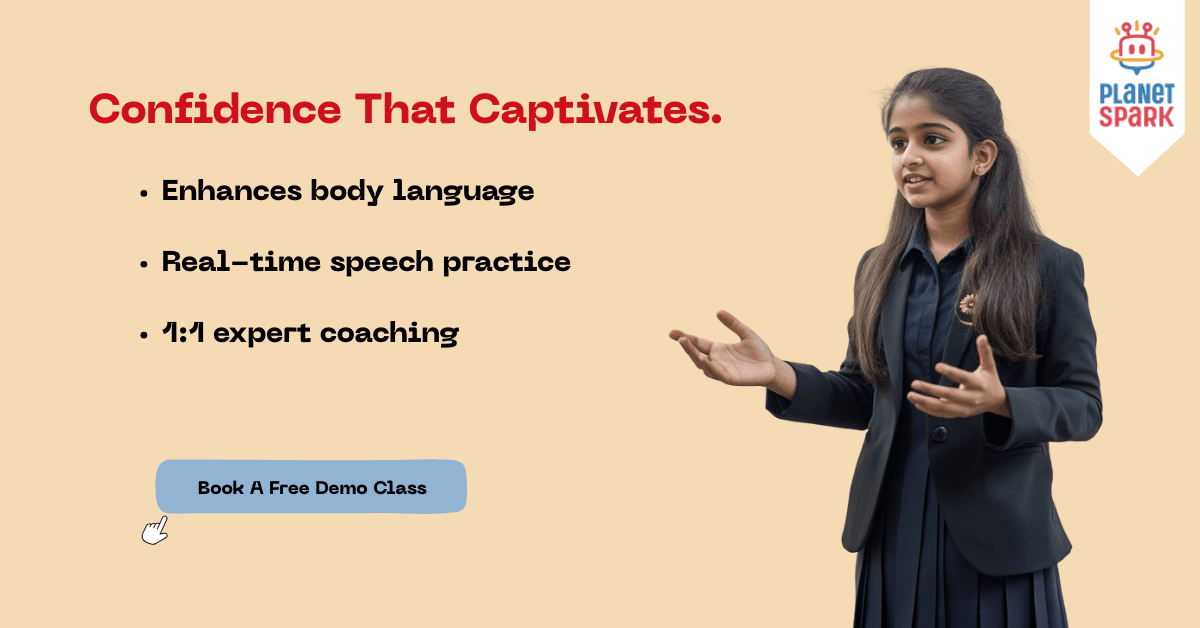
Mental rehearsal tips help children prepare
what they want to say before speaking, making English communication smoother and more confident. Parents often notice that their child understands English but freezes while speaking. This hesitation usually comes from trying to think and speak at the same time. Mental rehearsal allows children to organize their thoughts first, reducing anxiety and improving fluency. By mentally practicing conversations, responses, or short speeches, children feel calmer and more prepared in real speaking situations.
Understanding Mental Rehearsal and Why It Matters for English Speaking
Mental rehearsal is the process of visualizing and mentally practicing a task before performing it in real life. In the context of English speaking, mental rehearsal involves imagining sentences, conversations, and responses before saying them aloud. Children picture themselves speaking clearly, forming complete sentences, and responding confidently. This mental preparation helps the brain become familiar with language patterns, making actual speech feel more natural and less stressful.
When children practice mental rehearsal regularly, their brain begins to anticipate what comes next in a conversation. This reduces the need to search for words mid-sentence and supports smoother language delivery. As a result, children speak with better flow, clearer structure, and greater confidence.
Mental Rehearsal in Performance-Based Skills
Mental rehearsal is widely used in performance-based fields such as mental rehearsal in sport, where athletes visualize movements, timing, and strategies before execution. By repeatedly imagining successful performance, athletes train their brain to respond calmly and accurately under pressure. The same brain mechanism applies to English speaking.
When children mentally rehearse what they want to say, the brain treats it as real practice. This builds familiarity with sentence structure, tone, and delivery even before speaking aloud. As a result, real speaking feels easier, more controlled, and less intimidating.
Mental rehearsal separates thinking from speaking. Children think first, organize ideas mentally, and then speak with focus and expression. This separation allows them to concentrate on clarity, tone, and confidence rather than struggling to find words in the moment.
What Mental Rehearsal Means for Young English Learners
For young learners, mental rehearsal means quietly practicing English in their mind before speaking out loud. Children imagine how they will answer a question in class, start a simple conversation, or explain an idea clearly. This mental practice allows them to organize sentences and thoughts before speaking, reducing confusion and hesitation.
When children rehearse mentally, they become familiar with what they want to say. This familiarity builds confidence because speaking no longer feels sudden or overwhelming. Instead of reacting under pressure, children feel prepared and in control of their responses.
How Mental Preparation Reduces Speaking Pressure
Mental preparation significantly reduces pressure during speaking because children are not trying to think and speak at the same time. They already know the structure of their response, which helps them stay calm and focused while speaking.
Mental rehearsal tips help children develop a sense of readiness. They feel less rushed, more confident, and more willing to participate in conversations. With regular practice, English speaking shifts from stressful to manageable. Children begin to speak more naturally, with fewer pauses, clearer sentence flow, and greater confidence in everyday speaking situations.
Why Children Struggle with Fluent English Without Mental Rehearsal
Many children understand English vocabulary and grammar rules well, yet struggle to speak fluently because they are trying to process language while speaking. In the moment of conversation, they are simultaneously searching for the right words, forming sentences, checking grammar, and worrying about pronunciation. This overload puts pressure on the brain, making speaking feel difficult and stressful instead of natural.
This cognitive overload often triggers hesitation and anxiety. Even confident children may freeze mid sentence or second guess themselves because their mind is racing faster than their speech. The fear of making mistakes further increases this pressure, causing children to speak less, avoid conversations, or respond with very short answers.
Without mental rehearsal, children often experience: • long pauses before responding because they are still thinking • broken sentence flow as ideas come out incomplete • forgetting familiar words under pressure • nervousness that affects tone, clarity, and confidence
Over time, these experiences create a negative loop. Children start associating English speaking with discomfort and self doubt, even if they know the language well. This can reduce participation in class, limit social interaction, and slow overall language development.
Mental rehearsal breaks this cycle by giving children a thinking stage before speaking. Instead of processing everything in real time, they mentally prepare sentences and responses in advance. This preparation allows the brain to organize ideas calmly before the child begins speaking.
When children think first and speak second, confidence increases naturally. They no longer feel rushed or overwhelmed. Sentence flow improves because ideas are already structured in the mind. Speaking becomes clearer, smoother, and more controlled.
With consistent mental rehearsal, children begin to trust their ability to speak English. Anxiety reduces, fluency improves, and communication starts to feel manageable and rewarding rather than stressful.
How Mental Rehearsal Improves English Fluency When Guided Properly
When mental rehearsal is taught with clear structure, children learn how to practice speaking effectively in their mind instead of guessing what to think or say. They stop repeating isolated words or fragments and begin visualizing complete sentences, natural pauses, tone, and clarity. This structured mental practice helps children prepare how they want to sound, not just what they want to say.
Without structure, mental rehearsal can turn into overthinking. Children may replay mistakes or worry about errors. Structured guidance shifts mental rehearsal into a positive, goal-oriented process. Children learn to imagine themselves speaking calmly, forming sentences smoothly, and expressing ideas with confidence. This creates familiarity, which reduces fear and hesitation during real conversations.
Turning Mental Practice into Real Speaking Results
Guided mental rehearsal tips help children convert silent practice into noticeable speaking improvement. Instead of rehearsing randomly, they learn exactly what to focus on during mental preparation.
Guided mental rehearsal tips help children: • plan responses before speaking so they do not feel rushed • maintain sentence structure without losing ideas midway • improve pronunciation awareness by mentally hearing correct sounds • reduce nervousness by visualizing successful speaking moments
With expert guidance, children understand how long to rehearse, what details matter, and when to stop thinking and start speaking. This balance is critical. Mental rehearsal becomes a bridge between preparation and performance, not a replacement for real speaking.
As a result, mental rehearsal directly improves real conversations. Children speak with smoother flow, clearer structure, and greater confidence. What once stayed as silent thinking now translates into confident, expressive English speaking in everyday situations.
Mental Rehearsal Tips Children Can Use for English Speaking
Mental rehearsal works best when children follow simple, repeatable steps that guide their thinking in a positive direction. Without structure, children may overthink possible mistakes or repeat the same words without clarity, which reduces confidence instead of building it. A clear routine helps children know exactly how to prepare mentally before speaking.
When children practice mental rehearsal consistently, they begin to associate speaking with preparation rather than pressure. This routine gives them a sense of control and readiness, making English speaking feel predictable and manageable instead of overwhelming.
Simple Mental Rehearsal Routine for Kids
Effective mental rehearsal tips focus on clarity, calmness, and intention. Children learn to rehearse with purpose rather than rushing through thoughts or getting stuck in worry.
Effective mental rehearsal tips include: • visualizing the situation where they will speak, such as a classroom response or conversation • mentally forming complete sentences instead of single words • imagining a calm tone and clear delivery to reduce nervousness • rehearsing key phrases silently to feel prepared
With guidance, children also learn how long to rehearse and when to stop. They understand what to focus on and what to ignore so mental rehearsal supports fluency rather than creating extra pressure. Over time, this structured routine helps children speak with confidence, clarity, and ease in real English conversations.
Using a Mental Rehearsal Script to Build Speaking Confidence
A mental rehearsal script provides children with a clear and reliable structure for practising English speaking before they speak out loud. Instead of guessing what to think or worrying about what might go wrong, children follow a predictable mental flow that guides their preparation. This structure removes uncertainty and helps children focus on speaking clearly and confidently.
When children know exactly what to rehearse, mental practice becomes purposeful rather than overwhelming. A mental rehearsal script helps them organize thoughts in advance, so speaking feels planned and controlled instead of rushed or reactive. This sense of organization reduces anxiety and builds confidence, especially in classroom and social speaking situations.
A mental rehearsal script is simple, flexible, and easy for children to remember. It focuses on the key parts of a speaking interaction rather than every possible detail, helping children stay calm and focused.
A simple mental rehearsal script may include: • a greeting line to start speaking confidently • key response sentences to express ideas clearly • a closing statement to finish smoothly
Using a mental rehearsal script helps children feel prepared before they speak. They know how to begin, what to say in the middle, and how to end their response. PlanetSpark uses guided mental rehearsal scripts for everyday conversations, classroom answers, and short speeches, ensuring children practice speaking in a structured way that builds clarity, confidence, and fluency over time.
Why Mental Rehearsal Builds Long Term English Speaking Confidence
Mental rehearsal strengthens much more than fluency. It builds confidence, clarity, and control over communication by helping children feel mentally prepared before they speak. When children know what they want to say and how they want to say it, speaking no longer feels unpredictable or intimidating. This sense of readiness allows them to focus on expression rather than fear of mistakes.
With regular practice, mental rehearsal changes how children approach English speaking. Instead of reacting impulsively, they respond thoughtfully and calmly. This mental preparation improves both performance and self-belief, making children more willing to participate in conversations, classroom discussions, and presentations.
Children who practice mental rehearsal regularly: • speak with fewer pauses because sentences are already organized mentally • respond more confidently without second guessing themselves • organize thoughts clearly and express ideas in a logical flow • perform better in speaking tasks such as discussions, presentations, and everyday conversations
Over time, these improvements compound. English speaking begins to feel natural and enjoyable instead of stressful. Children develop a positive relationship with communication, where speaking becomes an opportunity to express ideas rather than a situation to avoid.
About PlanetSpark
PlanetSpark transforms how children learn to communicate with confidence. Through live 1:1 sessions, expert mentors, and immersive speaking activities, learners develop clarity, confidence, and expression. Every session is designed to help students speak effectively, listen attentively, and connect meaningfully in real conversations.
• 1:1 Expert Coaching Students receive focused guidance on voice, tone, and articulation from certified communication coaches.
• Real World Speaking Practice Interactive debates, storytelling sessions, and discussions enable learners to apply communication skills in real time.
• Video Feedback and Analysis Learners review their recorded performances with mentors to refine body language, gestures, and delivery.
• Leadership and Expression Focus Each lesson helps students build stage confidence, emotional awareness, and authentic self-expression.
• Continuous Growth Tracking Progress is consistently measured through performance insights that strengthen communication at every level.
Ashwin’s Journey: From Confident Speaker to Expressive Communicator
Ashwin Sathish from New Delhi, a confident Grade 8 learner, stepped onto the TEDx stage with clarity and self-belief. While his achievement highlights public speaking, the real transformation lies in how he learned to think, structure, and express ideas fluently. Through focused spoken English practice, Ashwin strengthened his vocabulary, sentence flow, and confidence in real-time communication. This growth helped him articulate thoughts clearly, adapt his tone, and connect with listeners naturally. Ashwin’s journey shows how strong spoken English skills empower students to express ideas effectively, whether in conversations, classrooms, or on global platforms.
Final Thoughts on Mental Rehearsal for Fluent English Speaking
Mental rehearsal helps children prepare their thoughts before speaking, allowing English communication to feel smoother, calmer, and more confident. Instead of reacting under pressure, children approach conversations with a clear idea of what they want to say. When used correctly, mental rehearsal transforms hesitation into readiness and replaces anxiety with clarity and control.
With expert guidance, mental rehearsal becomes a practical speaking skill rather than silent overthinking. PlanetSpark’s structured coaching ensures children learn how to rehearse mentally in a positive and effective way, helping them organize ideas, speak with better flow, and express themselves confidently. This step-by-step support enables children to speak English with clarity, confidence, and ease across everyday conversations, classroom discussions, and real-life situations.
Mental rehearsal in English speaking is the practice of imagining sentences, responses, and conversations in the mind before speaking aloud. It helps children organize thoughts, reduce hesitation, and speak more fluently and confidently. This mental preparation allows the brain to become familiar with language patterns, making real speaking smoother and less stressful.
Mental rehearsal tips help children prepare what they want to say before speaking, which reduces pauses and nervousness. This preparation improves sentence flow, clarity, and confidence during real conversations. Over time, children begin to speak more naturally without struggling to find words.
Mental rehearsal is widely used in sports, but it is also highly effective for speaking skills. Just like mental rehearsal in sport prepares athletes for performance, it prepares children to speak English with control and confidence. The same brain training process supports calm and focused communication.
Children struggle without mental rehearsal because they try to think and speak at the same time, which causes cognitive overload. This leads to pauses, forgotten words, and anxiety while speaking. Mental rehearsal reduces this pressure by giving children time to organize thoughts before speaking.
A mental rehearsal script is a simple structure that helps children practice speaking mentally, such as planning a greeting, key sentences, and a closing line. It makes speaking organized, predictable, and less stressful. This structure increases confidence and helps children speak with clarity.
Parents can help by encouraging children to mentally practice responses before speaking, especially for school questions or conversations. Guided programs like PlanetSpark also teach structured mental rehearsal tips for consistent improvement. Regular practice at home strengthens confidence and speaking fluency.