
MUN Debate: Develop confident MUN speaking skills with PlanetSpark
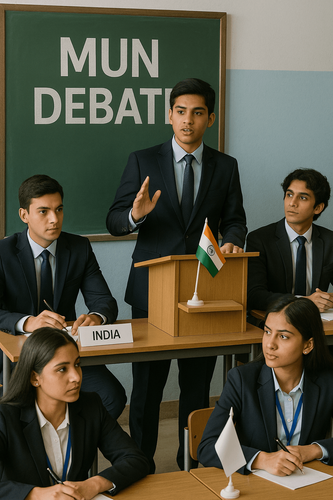

MUN debates challenge students to think fast, speak clearly, and present ideas with confidence, skills that last a lifetime. With the right training, any learner can transform into a persuasive and diplomatic MUN delegate. PlanetSpark helps students build these abilities through engaging lessons, practical exercises, and expert coaching. By developing strong communication and critical-thinking skills, students step into MUN committees prepared, confident, and ready to lead impactful discussions.
What Is an MUN Debate?
An MUN debate is a formal, structured discussion where student delegates represent countries and debate global issues from their assigned nation’s perspective. Unlike regular debates, MUN debates focus on diplomacy, collaboration, and negotiation rather than direct opposition. Delegates present policies, defend national interests, build alliances, and work toward drafting resolutions that propose real-world solutions. The debate follows a specific procedure that includes speeches, moderated discussions, unmoderated caucuses, and voting.
MUN debates develop essential skills such as public speaking, critical thinking, research ability, and diplomatic communication. They simulate the workings of the United Nations, giving students hands-on experience in global problem-solving and international relations.
Procedure of MUN Debate
1. Roll Call
The MUN debate begins with roll call, where the Chair announces each country and delegates respond with “Present” or “Present and Voting.” A “Present” delegate may abstain later, while “Present and Voting” means they must vote yes or no on resolutions. For example, if France says “Present,” it can abstain during voting, but if China says “Present and Voting,” it must choose a firm stance. Roll call confirms attendance and sets the committee’s quorum.
2. Setting the Agenda
After roll call, delegates propose which issue should be debated first. A motion is raised, e.g., “Motion to set the agenda to Climate-Induced Migration.” Delegates speak for or against it, followed by a vote. The option receiving the majority becomes the official agenda. For example, if cybersecurity and refugee rights are proposed, delegates vote, and the winning topic becomes the focus of the entire debate session.
3. General Speakers’ List (GSL)
The GSL is the first structured discussion where delegates deliver opening speeches outlining their country's stance. They raise their placards to be added. For instance, India’s delegate may speak on climate action, presenting key concerns and goals. The purpose is to introduce positions, identify alliances, and understand global viewpoints before entering deeper debate. GSL helps set the tone and direction for future caucuses and negotiations.
4. Moderated Caucus
A moderated caucus allows rapid, topic-focused exchanges. The delegate proposing it must specify the topic, total time, and individual speaker time, for example, “10-minute moderated caucus, 30 seconds per speaker on cyber threats.” It’s useful when the committee needs short, direct interventions. The Chair calls on delegates one by one. For example, during a discussion on nuclear disarmament, countries share quick updates or arguments to build momentum and clarity on specific subtopics.
5. Unmoderated Caucus
In an unmoderated caucus, delegates move freely, form alliances, negotiate, and begin drafting resolutions. For example, during a refugee crisis debate, Germany, Turkey, and Greece may gather to discuss shared concerns and possible solutions. This informal time is crucial for networking, merging ideas, and writing working papers. Delegates also form blocs, which later co-submit draft resolutions. It is the most collaborative stage of MUN and drives actual document creation.
6. Draft Resolutions & Working Papers
Delegates convert their ideas into written documents known as working papers, which later become draft resolutions. These include preambulatory clauses (background statements) and operative clauses (actions). For example, a resolution on pandemic response might propose funding, cooperation, and data-sharing. Co-submitters actively contribute to writing, while signatories only support discussion of the document. Once accepted by the Chair, the draft resolution is officially introduced for debate.
Boost your child’s confidence—book a free PlanetSpark demo class today!
How to Debate in MUN
Understanding Your Country Profile
A strong MUN debate begins with knowing your country’s policies, alliances, and conflict history. Understanding foreign policy helps you speak authentically and form strategic blocs. For example, if you represent China, you must understand its stance on cybersecurity, trade, and territorial issues. Knowing alliances helps identify natural partners, while conflict history clarifies red lines. A well-prepared delegate always asks: “Would my country realistically support this?” This ensures consistency, credibility, and diplomatic accuracy throughout the debate.
Researching the Agenda Thoroughly
Thorough agenda research gives you authority in the room. Start by reading UN reports and official documents related to your topic. Study previous UN resolutions to understand what actions have already been attempted. Use statistics and case studies to strengthen your speeches, for example, when discussing refugee crises, referencing UNHCR data and real displacement numbers adds weight. Deep research helps you propose realistic solutions and debate confidently against opposing viewpoints.
Structuring Strong MUN Speeches
A persuasive MUN speech follows a clear structure: Hook → Argument → Evidence → Policy → Conclusion. Begin with a compelling hook to capture attention, then present your main argument. Support it with evidence such as UN data or facts. Propose a policy solution that aligns with your country’s position, then close with a memorable statement. For instance, in a cybersecurity debate, India might propose global cyber norms backed by CERT statistics and regional cooperation frameworks.
Using Diplomatic Language
Diplomatic language is essential in MUN because debates aim for cooperation, not conflict. Delegates must remain persuasive yet respectful, even when disagreeing. Phrases like “The delegation respectfully disagrees” or “We propose an alternative solution” maintain decorum. Avoid aggressive phrasing or personal attacks. For example, instead of saying “Your idea won’t work,” say, “Our delegation believes further refinement is needed.” Diplomatic tone strengthens alliances and improves negotiation outcomes.
Mastering POIs (Points of Information)
POIs allow delegates to question or challenge speakers, helping shape the debate. Ask a POI when a delegate presents weak evidence or missing information. For example, during a speech on nuclear disarmament, you might ask, “Does the delegate have data supporting this claim?” Answer POIs confidently by staying calm, sticking to your policy, and responding briefly. Effective POIs show engagement, strengthen your presence, and highlight weaknesses in opposing arguments.
Effective Lobbying During Unmoderated Caucus
Unmoderated caucus is where real diplomacy happens. Delegates move freely to build alliances, negotiate ideas, and collaborate on resolutions. Effective lobbying means identifying countries with shared interests and proposing solutions that align with their policies. For example, in a climate debate, island nations may form a bloc to demand stronger emission targets. Good negotiation strategies include listening actively, compromising smartly, and ensuring your country’s interests appear in the final document.

Popular MUN Debate Topics
MUN debates cover a wide range of global issues that challenge delegates to think critically, negotiate diplomatically, and propose practical solutions. These topics reflect real-world crises and international priorities discussed in the United Nations. Whether addressing security threats, human rights concerns, climate change, or economic tensions, each topic requires strong research and clear policy understanding. Exploring popular MUN debate themes helps delegates prepare better, form alliances strategically, and deliver informed, impactful speeches during committee sessions.
Global Security Issues
- Nuclear disarmament
- Cybersecurity threats
Human Rights Questions
- Refugee crisis
- Women’s rights
Environmental and Climate Concerns
- Carbon neutrality
- Water scarcity
Economic and Technological Issues
- AI regulation
- International trade conflicts
Health and Education Themes
- Pandemic response
- Global literacy improvement
Sample Speeches for MUN Debate
Opening Speech (GSL Sample)
“Honourable Chair, distinguished delegates,
The delegation of Germany believes that global cybersecurity cooperation is essential in an era of rising digital threats. With over 30% of global cyberattacks occurring across borders, nations must strengthen information-sharing, invest in digital literacy, and create international frameworks for cyber defense. Germany urges member states to prioritize capacity-building for developing countries and establish clear guidelines against state-sponsored cyber aggression. Only through collective action can we ensure a safer digital future for all.”
Moderated Caucus Speech (Short Argument)
“Thank you, Honourable Chair.
The delegation of Kenya would like to emphasize that water scarcity is not just an environmental crisis but a development emergency. Many regions face declining freshwater resources, limiting agriculture and health outcomes. Kenya supports investment in desalination technology and community-based water management systems. We urge delegates to consider sustainable long-term solutions rather than temporary relief measures. Thank you.”
Unmoderated Caucus Pitch (Lobbying Line)
“Delegates, if your country supports expanding refugee education access, please join the bloc forming near the front. We are drafting a resolution focused on funding learning centers, teacher training, and digital classrooms for refugee communities. Your input and co-sponsorship would strengthen this proposal and ensure broad global cooperation.”
Resolution Presentation (Formal Explanation)
“Honourable Chair, distinguished delegates,
The bloc representing the European Union, Canada, and Japan is pleased to introduce Draft Resolution 1.2 on reducing carbon emissions through technology transfer and renewable energy funding. Our resolution proposes three main actions: establishing an international clean-energy fund, supporting cross-border research collaborations, and creating incentives for developing nations to adopt low-carbon technologies. These measures are practical, scalable, and aligned with global climate goals. We encourage delegates to review the operative clauses and offer any friendly amendments.”
Unlock stronger communication and debate skills—join a PlanetSpark trial session now!
How to Prepare for Your First MUN Debate
Preparing for your first MUN debate involves understanding your country’s policies, researching the agenda thoroughly, and practicing strong public speaking skills. New delegates should study past UN resolutions, build clear arguments, and prepare statistics to support their points. It also helps to practice diplomatic language and get comfortable with committee procedures. With the right preparation, you can speak confidently, form alliances effectively, and contribute meaningful solutions during the debate.
- Study its political stance, foreign policies, allies, rivals, economic strengths, and past actions in the UN. This ensures your speeches and solutions remain realistic and aligned with national interests.
- Read UN reports, global news, and previous resolutions related to the topic. Identify causes, impacts, and ongoing challenges so you can argue with authority and confidence.
- Write multiple 30–90 second speeches for GSL and caucuses. Include facts, statistics, and examples that strengthen your argument and show your research depth.
- Familiarize yourself with motions, points, caucus formats, and voting rules. Knowing procedure helps you participate actively and strategically throughout committee sessions.
- Work on clarity, tone, and body language. Practice responding to unexpected questions (POIs), staying calm under pressure, and negotiating politely during unmoderated caucuses
How Does PlanetSpark Help in Mastering Debates?
PlanetSpark equips students with essential debate skills through personalised teaching, structured lessons, and hands-on practice. Mentors break down complex concepts, such as argument building, rebuttals, logical structuring, and persuasive delivery, into simple, actionable steps. Students learn how to analyse issues thoroughly, frame strong viewpoints, and respond confidently to opposing arguments.
- Lessons follow a systematic structure: understanding the debate format → learning how to build arguments → practising through examples → applying skills in real and simulated debates. This ensures students not only understand concepts but can use them effectively in competitions and discussions.
- Students also participate in engaging exercises like speech drills, mock debates, role-play scenarios, case-study discussions, and rebuttal practice. These activities sharpen logic and communication while boosting spontaneity and confidence.
- Interactive learning tools, quizzes, debate games, critical-thinking tasks, and guided analysis, make debate practice fun and memorable. Over time, students naturally develop strong reasoning skills, articulate speech patterns, and the ability to think on their feet.
- With consistent mentorship and practice, learners become confident speakers capable of debating logically, respectfully, and persuasively. PlanetSpark helps them grow into sharp thinkers and impactful communicators ready for MUNs, public speaking, and real-world leadership.
Help your child shine in MUNs and beyond—reserve a free PlanetSpark demo class!
Advanced Strategies for Winning an MUN Debate
Winning an MUN debate requires more than strong speeches, it demands strategy, diplomacy, and adaptability. Advanced delegates know how to read the room, form alliances early, introduce well-structured resolutions, and negotiate effectively. Success comes from balancing assertiveness with cooperation and ensuring your country’s interests appear throughout the debate. By using facts, building blocs, and staying calm under pressure, you increase your influence in committee. These advanced strategies help you stand out as a confident, solution-oriented leader.
- Pay attention to which topics excite delegates, who is influencing the debate, and which blocs are forming. Adapting your stance to the committee’s energy helps you stay relevant and lead discussions effectively.
- Approach countries with similar policies during unmoderated caucus. Offer valuable ideas, volunteer to help draft resolutions, and position yourself as someone who builds consensus. Strong alliances often determine whose resolution passes.
- Write clear, practical operative clauses backed by UN frameworks. Use strong verbs, measurable actions, and realistic solutions. Delegates support resolutions that are actionable and aligned with their national interests.
- Back your speeches with UN reports, statistics, and case studies. For example, referencing WHO or UNHCR data adds credibility and makes your points difficult for opponents to dismiss.
tay calm, respond respectfully, and never contradict your country’s policy. Use diplomatic language even when disagreeing. A delegate who balances logic with politeness gains trust, and votes, from other blocs.
Conclusion
Mastering debates is a powerful skill that builds confidence, critical thinking, and strong communication abilities. With the right guidance and structured practice, any learner can become a persuasive and impactful speaker. PlanetSpark provides the perfect platform to develop these skills through personalised coaching, interactive activities, and real-world debate practice. If you want your child to think sharper, speak confidently, and excel in competitions like MUNs, book a free PlanetSpark demo class today and start their transformation!
Frequently Asked Questions
PlanetSpark builds debate skills through personalised coaching, structured lessons, and plenty of practice. Students learn how to form arguments, respond to counterpoints, and speak confidently in front of an audience.
Yes. Students participate in mock debates, role-play scenarios, and live speaking exercises where they apply debating techniques in a practical, realistic setting.
PlanetSpark starts with basics, speech structure, clarity, confidence, and gradually introduces advanced skills like rebuttals, logic, and persuasion, making it perfect for beginners.
Learners practise a wide range of topics, including current affairs, social issues, technology, environment, and MUN-style debates. This helps them adapt to varied themes confidently.
Personalised coaching allows mentors to focus on each student’s strengths and weaknesses. They provide tailored feedback on voice, structure, reasoning, and delivery, helping students grow faster and more effectively.