
Online Vs Offline Education in Spoken English for Kids | PlanetSpark
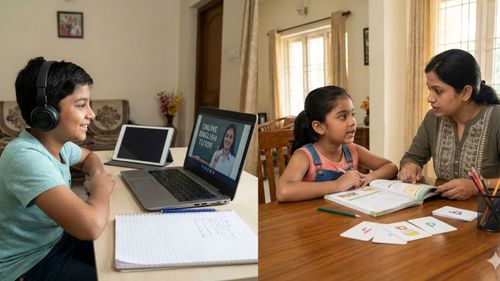

Table of Contents
- Why the Debate Between Online VS Offline Education For Speak
- Understanding Online Education for Spoken English
- Understanding Offline Education for Spoken English
- Difference Between Online Education And Offline Education
- Online Classes vs Offline Classes: Pros and Cons
- Turning Young Voices Into Powerful Achievements
- PlanetSpark: The Leading Hub for Powerful Spoken English Cla
- Making the Best Choice for Your Child With PlanetSpark
Confused about whether online or offline classes will truly improve your child’s spoken English?
Choosing the right learning mode matters when building children’s communication skills. Online vs offline Education for spoken English is a common debate among parents seeking effective, engaging learning for kids. This guide explains key differences, benefits, and learning outcomes to help you decide confidently. It also highlights how PlanetSpark’s expert-led, interactive online programs support children in developing fluent spoken English with confidence and creativity.
Why the Debate Between Online VS Offline Education For Speaking English
Traditionally, offline classrooms have been the backbone of education for generations. However, in recent years, online education has steadily gained popularity, especially after the widespread adoption of digital experiences during the global pandemic, with platforms like PlanetSpark leading skill-focused learning.
Whether you are a parent, educator, or student, understanding the differences between online education and offline education helps you make an informed choice about how your child can best learn spoken English. Programs such as PlanetSpark focus on building real-world communication skills that open doors to global communication, academic success, and future careers.
Learning spoken English isn’t just about grammar and vocabulary but about confidence, pronunciation, real-time conversations, cultural nuances, and interactive practice—areas where PlanetSpark blends expert mentoring with engaging methods. And therein lies the central question:
Do kids learn spoken English better through online learning environments or face-to-face classroom interaction?
Understanding Online Education for Spoken English
Online education for spoken English uses digital tools and expert guidance to help children learn communication skills anytime, anywhere, through interactive, engaging, and flexible learning experiences.
What Is Online Education?
Online education refers to learning that happens over the internet. It can be live (synchronous) with real teachers and classmates interacting through video calls, or recorded (asynchronous), where students can learn anytime.
For spoken English, online education typically includes interactive lessons, voice practice, virtual classrooms, digital resources, quizzes, and personalised learning paths. Platforms like PlanetSpark enhance this experience with expert mentors, small live batches, confidence-building speaking activities, AI-based feedback, and progress tracking that help children speak fluently and confidently.
Rise of Online Education Platforms
The rapid growth of online education platforms has transformed how kids learn languages. These platforms use technology like AI pronunciation checks, gamified lessons, progress dashboards, and engaging visuals to make learning fun and flexible.
For parents living in remote areas, or kids with tight schedules, or those who prefer learning at their own pace, these platforms offer unmatched convenience and diverse customisation.
Understanding Offline Education for Spoken English
Offline education for spoken English emphasises face-to-face interaction, real classroom environments, and structured routines that help children practice communication skills naturally and confidently.
What Is Offline Education?
Offline education takes place in traditional physical classrooms, where teachers and students interact face-to-face.
In the context of spoken English, offline education focuses on in-person discussions, real-time feedback, group conversations, role-plays, and natural social learning, all happening within the classroom walls.
The Traditional Appeal
Offline classrooms have long been valued for fostering discipline, routine, social engagement, and structured learning. Many parents feel that being physically present enhances motivation and accountability.
Encourage Your Child to Speak Effectively in Every Situation!
Difference Between Online Education And Offline Education
Before we compare, let’s clearly state the difference between online education and offline education to set a solid foundation:
Both modes have inherent strengths and limitations depending on context, teaching style, and learning needs.
Online Classes vs Offline Classes: Pros and Cons
To make an informed choice between online or offline, let’s evaluate the advantages and challenges of each mode.
Online Classes: Pros
1. Flexible Schedule: One of the biggest benefits of online learning is flexibility. Kids can attend classes from home, choose convenient time slots, and access recorded lessons. Platforms like PlanetSpark make balancing school, hobbies, and spoken English practice easier.
2. Personalised Learning Experience: Online platforms often provide adaptive learning. With PlanetSpark, kids can revise lessons, repeat pronunciation exercises, and follow personalised learning paths guided by expert mentors.
3. Access to Quality Teachers Anywhere: Geographical limitations are removed. Through PlanetSpark, children can learn from highly trained English communication experts regardless of location.
4. Interactive Multimedia Tools: Many online education platforms use visual aids, audio reinforcements, games, and quizzes. PlanetSpark enhances this with engaging activities, storytelling, and real-time feedback.
5. Comfortable Learning Environment: Some children learn better at home. PlanetSpark’s supportive online classes help shy learners speak confidently without the pressure of crowded classrooms.
Give Your Child Access to Engaging Communication Skill-Building Activities!
Online Classes: Cons
1. Limited Real-World Interaction: While online tools simulate conversation, they may lack the spontaneity and dynamics of face-to-face discussions, especially for live group practice.
2. Technology Dependence: Stable internet, devices, and digital literacy are must-haves. Technical glitches or connectivity issues can interrupt lessons.
3. Possible Distractions at Home: Without a structured classroom environment, kids may get distracted by other stimuli at home.
4. Less Physical Social Interaction: Offline classrooms naturally facilitate bonding, peer discussions, and social learning, that elements that can be limited online.
Offline Classes: Pros
1. Real-Time Human Interaction: Nothing replaces the experience of speaking, listening, and responding in real social settings. Kids learn body language, tone, and confidence more organically.
2. Structured Classroom Environment: Routine can enhance discipline. Being physically present helps many students focus better and take learning seriously.
3. Immediate Feedback: Teachers in offline classes often provide instant corrective feedback not just on spoken English but also on classroom behaviour, presentation skills, and pronunciation nuances.
4. Social Skills Development: Kids interact with peers, participate in group activities, role plays, and discussions by helping them grow socially as well as linguistically.
Offline Classes: Cons
1. Fixed Timings: Most offline classes happen at set times. This can be difficult to balance with schoolwork, extracurriculars, and family obligations.
2. Higher Costs: Renting physical spaces, transportation, materials, etc., can make offline classes more expensive.
3. Limited Personalisation: In larger classrooms, teachers may struggle to tailor lessons to each student’s pace and ability.
4. Peer Pressure: While social learning can be positive, it can also be intimidating for shy or introverted kids.
Online Classes vs Offline Classes: Which is Better?
There’s no one-size-fits-all answer for spoken English learning. PlanetSpark’s online classes support different learning styles with live expert mentors, small groups, gamified lessons, personalised feedback, and confidence-building speaking activities, while offline classes help with physical presence and stage exposure.
Turning Young Voices Into Powerful Achievements
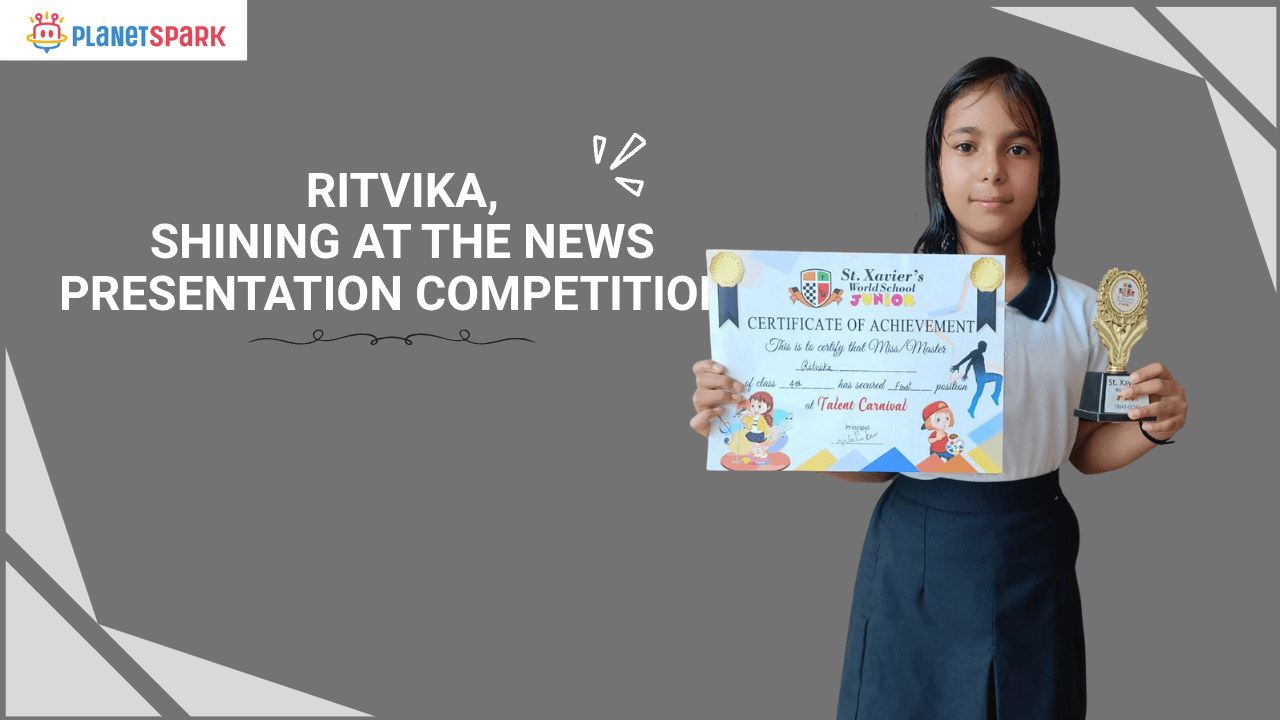
Ritvika has achieved a milestone in News Presentation! From the PlanetSpark classroom to the spotlight at the News Presentation Competition.
Inspired by Ritvika’s journey? Join PlanetSpark and build strong communication, speaking confidence, and presentation skills that help you shine on every stage. Your success story could be next!
Online or Offline: How PlanetSpark Works Best in Online Mode
PlanetSpark combines the best of online learning with expert guidance to help kids master spoken English confidently through personalised practice, real-time feedback, and engaging communication activities. Its online-first approach ensures children get more speaking time, focused attention, and consistent improvement from the comfort of home.
How PlanetSpark Stands Out for Spoken English
- Live Expert-Led Classes: Small interactive batches led by trained communication mentors ensure every child actively speaks and participates in each session.
- Personalised Learning Paths: Lessons are customised to match a child’s level, learning pace, and confidence needs, helping steady progress.
- Real-Life Speaking Practice: Activities like storytelling, role plays, debates, and presentations build practical fluency.
- AI-Powered Feedback: Smart speech tools instantly improve pronunciation, clarity, and expression.
- Progress Tracking & Recordings: Parents and children can monitor improvement and revisit recorded sessions anytime.
- SparkX Practice Platform: PlanetSpark’s SparkX offers gamified exercises, challenges, and practice tasks that reinforce learning beyond live classes.
PlanetSpark: The Leading Hub for Powerful Spoken English Classes
PlanetSpark empowers children to become clear, confident, and effective communicators through personalised training and interactive learning methods. With expert mentors and engaging practice modules, students develop articulation, fluency, active listening, and expressive skills that shape their communication for life.
Why PlanetSpark Is the Best Choice for Learning English Speaking
- 1:1 personalised communication coaching focused on improving clarity, tone, expression, and confident interaction.
- Certified communication coaches guide children through structured, engaging, and practical learning sessions.
- Conversation-building and expression modules that help students communicate ideas confidently in both formal and informal settings.
- Live discussions, dialogues, and group interactions that enhance listening skills, quick thinking, and respectful communication habits.
- SparkX AI video-based feedback offering detailed insights on voice, tone, pace, and clarity for continuous improvement.
- Gamified communication learning with SparkBee to strengthen vocabulary, sentence formation, and linguistic accuracy.
- AI-led speaking and conversation practice sessions to help students improve articulation and expression independently anytime.
- Creative clubs, storytelling events, and communication showcases give children real platforms to practise interaction and express ideas effortlessly.
Making the Best Choice for Your Child With PlanetSpark
Learning spoken English is a journey, and choosing the right environment can influence how confidently your child communicates on that journey.
If you’re choosing between online or offline, start by asking:
- What motivates my child?
- How do they learn best?
- What schedule fits our routine?
- What resources do we already have?
Then weigh those answers against the benefits and limitations of each mode.
Most importantly, remember that education should inspire, not burden.
Whether through flexible online education platforms or traditional face-to-face classrooms, the goal is the same: help your child become a confident, articulate, and expressive English speaker.
When chosen thoughtfully, both modes can lead your child to success, and PlanetSpark is here to guide that growth every step of the way.
Also Read:
Cognitive Biases in Speaking and Listening Skills by PlanetSpark
Intelligibility in Communication: Speak Clearly with PlanetSpark
Frequently Asked Questions
Both online or offline education can work well. Online offers flexibility and personalisation, while offline provides real-time social interaction. The best choice depends on the child’s learning style.
The main difference between online education and offline education lies in delivery. Online learning uses digital platforms, while offline learning happens in physical classrooms with face-to-face interaction.
Yes, online education helps kids build confidence through interactive sessions, personalised feedback, and regular speaking practice, especially when guided by experienced teachers and structured learning modules.
Modern online education platforms use games, visuals, and live classes to keep kids engaged, making spoken English learning enjoyable, interactive, and suitable even for young learners.
PlanetSpark offers live interactive online classes, expert trainers, confidence-building activities, and structured communication programs that help kids speak English fluently and express ideas clearly.
PlanetSpark focuses on personalised learning, real speaking practice, and measurable progress, ensuring children develop strong spoken English skills, confidence, and communication abilities from an early age.