
Phonology Explained: Help Kids Improve Pronunciation & Fluency

Table of Contents
- Phonology Meaning Explained in Simple Terms
- Why Phonology Is the Foundation of Clear Pronunciation
- How Phonology Impacts Fluency and Speaking Confidence
- Real-Life Example: When Sounds Affect Confidence
- Simple Ways Parents Can Improve Phonology at Home
- How Structured Training Helps Children Master Phonology
- From Sounds to Fluent Speech: PlanetSpark’s Impact
- When Should Parents Seek Expert Help for Phonology
- Success Story: Ashwin Sathish, Age 13
- Understanding the Difference Between Phonology and Phonics
- Age-Wise Phonology Milestones Parents Should Know
- How Multilingual Homes Affect Phonology Development
- Why Clear Phonology Supports Better Reading and Spelling
- Classroom Challenges Children Face Due to Weak Phonology
- How Teachers Identify Phonology-Related Speech Difficulties
- Can Screen Time Affect a Child’s Pronunciation and Sound Awa
- Fun Phonology Activities That Make Learning Enjoyable for Ki
- Common Myths Parents Believe About Speech Sound Development
- Why Early Phonology Support Prevents Future Communication Is
- How One-to-One Learning Improves Phonology Faster Than Group
- Questions Parents Should Ask Before Choosing a Speech Progra
- How Consistent Practice Turns Sound Awareness Into Fluent Sp
- Conclusion
When a child knows the right words but still struggles to pronounce them clearly, parents often feel confused and concerned. You may notice your child skipping sounds, mixing up similar words, or speaking in a way that others find hard to understand. This is where understanding phonology becomes important. Phonology is not about spelling or grammar. It focuses on how children hear, recognize, and use speech sounds while speaking.
For many children, weak phonology can affect pronunciation, fluency, and even confidence in everyday communication. They may hesitate while speaking, avoid reading aloud, or feel shy in class discussions. The good news is that phonology skills can be improved with the right guidance and practice. In this article, we explain the phonology meaning in simple terms and show how strengthening sound awareness can help children speak more clearly and fluently. You will also learn practical ways parents can support this growth and how structured programs like PlanetSpark help children build confident speaking skills step by step.
Phonology Meaning Explained in Simple Terms
Understanding the phonology meaning can help parents clearly see why their child’s speech sounds the way it does. Phonology is the part of language that focuses on speech sounds and how they work together in words. It is not about writing or spelling. Instead, it is about how children hear sounds, remember them, and use them correctly while speaking. When phonology develops well, children are able to pronounce words clearly and speak more smoothly. When it is weak, speech may sound unclear or inconsistent, even if the child knows the right words.
What Is Phonology in Language Development
In simple terms, phonology is how children understand and organize sounds in their mind. For example, a child learns that the word “cat” has three sounds and that changing one sound can change the meaning of the word. This is different from learning letters. Letters are written symbols, while phonology deals only with spoken sounds. That is why a child may spell a word correctly but still mispronounce it while speaking. Phonology is also about patterns. Children learn which sounds usually go together, which sounds can come at the beginning or end of words, and how sounds change when words are spoken quickly in sentences.
How Children Learn Speech Sounds Naturally
Children learn speech sounds step by step as they grow and interact with people around them. First, they begin with sound recognition. They listen carefully and start noticing differences between sounds, even before they can speak clearly. Next comes sound production, where children try to copy the sounds they hear. At this stage, mistakes are common and completely normal. Over time, children also learn sound sequencing, which means putting sounds in the correct order to form words. When this process develops smoothly, children speak with better clarity and fluency. When gaps appear, targeted practice and guidance can make a strong difference.
Why Phonology Is the Foundation of Clear Pronunciation
Clear pronunciation does not come from memorising words or repeating sentences again and again. It develops when a child understands how sounds work and how they fit together in spoken language. This is why phonology plays such a central role in speech development. When phonology is strong, children can hear sound differences clearly, arrange sounds in the right order, and say words with confidence. When it is weak, pronunciation often sounds unclear or uneven, even if the child knows what they want to say.
Common Pronunciation Problems Linked to Weak Phonology
Children with weak phonology often show similar speech patterns. One common issue is skipping sounds, especially at the beginning or end of words. For example, a child may say “ca” instead of “cat.” Another frequent problem is mixing similar sounds, such as confusing “b” and “p” or “t” and “d.” These sounds may feel the same to the child, making it hard to pronounce them correctly. Inconsistent pronunciation is also common. A child may say a word correctly once and incorrectly the next time, which can confuse parents and teachers. These patterns usually point to difficulty in understanding sound structure rather than a lack of vocabulary.

Signs Your Child May Need Phonology Support
Parents may notice certain signs that suggest their child needs extra help with phonology. One clear sign is age-inappropriate sound errors, where a child continues making mistakes that most children outgrow at a younger age. Another concern is difficulty being understood by people outside the family, such as teachers or classmates. Children may also show low confidence while speaking. They might avoid speaking in class, speak very softly, or hesitate before answering questions. Early support for phonology can help address these issues and make speaking a more positive and confident experience for the child.
How Phonology Impacts Fluency and Speaking Confidence
Many parents think fluency problems only mean stuttering or long pauses, but fluency is closely connected to phonology. When children are unsure about speech sounds, their brain works harder to decide which sound comes next. This extra effort often causes hesitation, repetition, or uneven speech flow. Even confident children may pause frequently if they are unsure how a word should sound.
Strong phonology allows children to move smoothly from one sound to another without stopping to think. This results in natural rhythm and clear speech. Weak phonology, on the other hand, can make speaking feel stressful. Children may rush through words, speak too slowly, or avoid speaking altogether.
Phonology also affects emotional confidence. When children notice that others ask them to repeat words, they may feel embarrassed. Over time, this can reduce classroom participation and social interaction.
Parents may notice these fluency-related signs:
Frequent pauses while speaking
Repeating parts of words
Speaking very fast to hide mistakes
Avoiding longer sentences
Improving phonology reduces this mental load and helps children speak with ease. When sounds become automatic, fluency improves naturally, and children feel more confident expressing their thoughts clearly.
Real-Life Example: When Sounds Affect Confidence
For many children, pronunciation struggles go beyond speech and affect self-esteem. A child may understand lessons well but hesitate to answer questions because they are unsure how their words will sound. Over time, this hesitation can turn into silence, even in situations where the child knows the correct answer.
Parents often share that their child speaks freely at home but becomes quiet in school or public settings. This happens because children feel safest speaking where they are not judged. In structured environments like classrooms, unclear pronunciation can feel risky.
This is where targeted phonology support makes a visible difference. When children learn how sounds work and gain control over pronunciation, their confidence grows naturally. They stop worrying about being misunderstood and focus on sharing ideas.
Simple Ways Parents Can Improve Phonology at Home
Parents play an important role in strengthening phonology, even outside formal lessons. Small daily activities can help children become more aware of sounds in a natural and stress-free way. The key is to keep practice light, playful, and consistent.
Useful home strategies include:
Playing listening games where children identify sounds in words
Clapping or tapping for each sound in a word
Saying words slowly and asking the child to repeat them
Rhyming games that highlight similar sound patterns
Reading aloud together and emphasizing clear pronunciation
It is equally important to know what to avoid. Overcorrecting a child during every sentence can make them anxious. Interrupting speech or forcing repetition may reduce confidence instead of helping.
Parents should:
Model correct pronunciation naturally
Praise effort rather than perfection
Allow the child to finish speaking
Keep practice sessions short and positive
Home support works best when paired with expert guidance. While parents can strengthen awareness, structured programs ensure that sound patterns are taught correctly and consistently.
Book a free PlanetSpark demo and see how personalised speaking practice improves pronunciation and fluency.
How Structured Training Helps Children Master Phonology
While home practice is helpful, phonology development often needs expert support to show lasting improvement. Random repetition or correction does not always address the root problem. Children need structured guidance that helps them understand sound patterns clearly and apply them in real speech.
Structured training focuses on:
Identifying specific sound gaps
Teaching sound placement clearly
Practising sound sequencing in words and sentences
Reinforcing learning through speaking activities
Expert-led programs ensure children do not form incorrect habits. They receive immediate feedback and gentle correction, which helps sounds become automatic over time.
At PlanetSpark, phonology development is integrated into speaking practice. Children learn through guided conversations, storytelling, and interactive exercises that focus on clarity and fluency together. Lessons are personalised based on age and skill level, making learning comfortable and effective.
Contextual CTA:
Want personalised pronunciation training for your child? Explore PlanetSpark’s one-to-one speaking sessions designed for confident communication.
From Sounds to Fluent Speech: PlanetSpark’s Impact
PlanetSpark focuses on helping children move from sound awareness to fluent, confident speech. Instead of isolated drills, children practise phonology in real speaking situations. This helps them apply sound skills naturally while expressing ideas.
Key benefits of PlanetSpark’s approach include:
One-to-one attention from trained educators
Age-appropriate speaking tasks
Consistent focus on clarity and fluency
Confidence-building activities
Children are encouraged to speak freely while receiving structured support. Over time, pronunciation improves, hesitation reduces, and fluency becomes natural.
Success Story: Ashwin, Age 8
Faced articulation and clarity challenges
Hesitated while speaking in front of others
Received structured speaking and phonology training
Improved pronunciation and confidence
Became comfortable expressing ideas publicly
Contextual CTA:
Book a free speaking skills demo for your 7 to 12 year old and see how structured guidance can improve pronunciation and fluency.
When Should Parents Seek Expert Help for Phonology
Many parents wonder whether speech difficulties will resolve on their own. While some sound errors are part of normal development, persistent issues may need expert support. Early intervention often leads to faster and more confident improvement.
Parents should consider expert help if:
Speech is unclear beyond expected age levels
Teachers frequently ask the child to repeat words
The child avoids speaking situations
Pronunciation issues affect reading or confidence
Seeking guidance does not mean something is wrong. It simply means giving your child the right tools at the right time. Structured phonology training helps children build a strong foundation for lifelong communication skills.
Success Story: Ashwin Sathish, Age 13
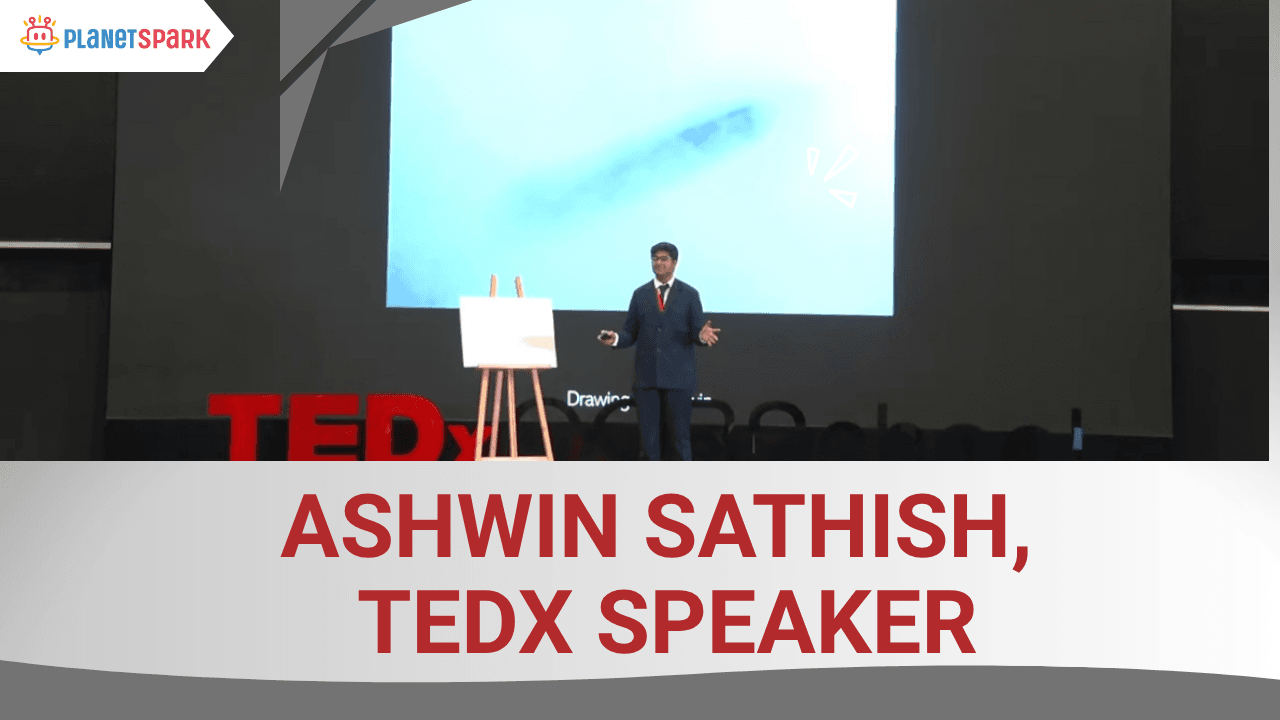
Ashwin Sathish, a Grade 8 student from New Delhi, is a powerful example of how strong speaking skills can transform a child’s confidence and communication. Like many students, Ashwin once felt hesitant while speaking in formal settings. Pronunciation clarity and fluency were areas where he needed structured support, especially when expressing complex ideas in front of an audience. With the right guidance and consistent practice, his journey took a remarkable turn.
Through focused speaking sessions, Ashwin worked on sound clarity, speech flow, and confident delivery. He learned how to structure his thoughts, pronounce words clearly, and speak with purpose rather than hesitation. As his phonology and fluency improved, so did his confidence. Classroom discussions became easier, and he began to enjoy using his voice to share opinions and ideas.
Today, Ashwin stands tall as a TEDx Speaker, confidently addressing a global audience and sparking conversations that truly matter. His journey from building classroom confidence to commanding a global stage highlights the power of strong phonology, clear pronunciation, and guided speaking practice. Ashwin’s success shows that when children receive the right support, their voice can become their greatest strength.
Understanding the Difference Between Phonology and Phonics
Many parents assume phonology and phonics mean the same thing, but they play very different roles in a child’s language development. Understanding this difference helps parents support their child more effectively. Phonology is about how children hear, recognize, and organize sounds in spoken language. It focuses on sound patterns, sound order, and how sounds change within words. Phonics, on the other hand, connects sounds to written letters and is mainly related to reading and spelling.
A child can have strong phonics skills and still struggle with phonology. For example, a child may read a word correctly but mispronounce it while speaking. This happens because phonology deals with spoken sound awareness, not written text. Phonology comes first in development. Children learn to hear and produce sounds long before they learn to read.
Key differences parents should know:
Phonology focuses on spoken sounds
Phonics focuses on letters and reading
Weak phonology can affect pronunciation and fluency
Strong phonology supports phonics learning later
When phonology is strengthened early, phonics becomes easier and more natural. This is why sound awareness should be addressed alongside reading instruction.
Age-Wise Phonology Milestones Parents Should Know
Every child develops speech sounds at their own pace, but having a general idea of age-wise phonology milestones helps parents know what is normal and when to seek support. Early sound errors are common and expected, but persistent patterns may need attention.
In early childhood, children begin by recognizing and producing simple sounds. As they grow, they learn to combine sounds and pronounce longer words clearly. By the time children reach school age, most everyday speech should be understandable to unfamiliar listeners.
General milestones include:
Ages 2 to 3: Basic sounds emerge, speech may still be unclear
Ages 4 to 5: Most common sounds are pronounced correctly
Ages 6 to 7: Sound patterns stabilize, speech becomes clearer
Ages 8 and above: Minor errors may remain, but fluency improves
Parents should watch for signs such as frequent sound skipping, difficulty being understood, or frustration while speaking. These do not mean something is wrong, but they do signal that extra support may help. Understanding milestones reduces anxiety and allows parents to take timely, confident action.
How Multilingual Homes Affect Phonology Development
In many Indian households, children grow up hearing and speaking more than one language. While multilingual exposure has long-term benefits, it can temporarily affect phonology development. Children may mix sound patterns from different languages, which can influence pronunciation in English.
This mixing is a normal part of language learning and should not be mistaken for a problem. Different languages have different sound systems. When children switch between them, their brain works harder to organize sounds correctly. This can lead to sound substitutions or hesitation while speaking.
Common patterns in multilingual homes include:
Using sounds from one language in another
Difficulty distinguishing similar English sounds
Slower development of clear pronunciation in one language
With the right guidance, multilingual children often catch up quickly and develop strong overall language skills. Structured phonology support helps children separate sound systems and use them accurately. Parents should continue using home languages confidently while ensuring the child receives clear English sound exposure through conversation and guided speaking practice.
Why Clear Phonology Supports Better Reading and Spelling
Strong phonology does not only help with speaking. It plays a major role in reading and spelling development as well. When children clearly understand speech sounds, they find it easier to connect sounds to letters while reading. This makes decoding words faster and more accurate.
Children with weak phonology may struggle to break words into sounds. This can lead to reading hesitation, guessing words, or spelling errors. They may know the word visually but fail to sound it out correctly. Over time, this affects reading confidence and academic performance.
Clear phonology helps children:
Recognize sound patterns in words
Decode unfamiliar words while reading
Spell words more accurately
Read aloud with better fluency
By strengthening phonology early, parents support both communication and literacy skills. Speaking, reading, and spelling are closely linked. When sound awareness improves, children approach learning tasks with greater confidence and less frustration, leading to more positive classroom experiences.
Classroom Challenges Children Face Due to Weak Phonology
In classroom settings, weak phonology can quietly affect a child’s participation and learning. Teachers may notice that a child understands lessons but avoids speaking. Group discussions, oral reading, and presentations become stressful when pronunciation feels uncertain.
Children with phonology difficulties may:
Avoid answering questions aloud
Read hesitantly during class
Speak softly to hide mistakes
Feel embarrassed when corrected
These challenges can affect confidence and peer interaction. Over time, children may label themselves as poor speakers, even when they have strong ideas. This emotional impact is often more significant than the speech difficulty itself.
Supporting phonology helps children feel comfortable using their voice in school. When sounds become clearer, children participate more freely, ask questions, and engage with classmates. Addressing phonology early helps prevent these challenges from affecting academic growth and self-esteem.
Not sure if your child needs phonology support? Book a PlanetSpark demo session and get clear guidance for your child.
How Teachers Identify Phonology-Related Speech Difficulties
Teachers are often the first to notice phonology-related challenges because they observe children speaking in structured and social situations. They listen for patterns rather than isolated mistakes. Occasional errors are normal, but consistent sound patterns raise concern.
Teachers may look for:
Repeated sound substitutions
Difficulty pronouncing age-appropriate sounds
Trouble following sound-based instructions
Hesitation during oral activities
They also observe how well a child is understood by peers. If classmates frequently ask for repetition, it may indicate unclear phonology. Teachers may suggest further evaluation or recommend speech-focused support.
This early identification is helpful, not alarming. It allows parents and educators to work together to support the child. With guided phonology training and consistent practice, most children show noticeable improvement in clarity, confidence, and classroom participation.
Can Screen Time Affect a Child’s Pronunciation and Sound Awareness
Screen time has become a regular part of children’s daily lives, and many parents wonder whether it affects speech development. Screen time itself is not always harmful, but the type and amount of exposure matter greatly. Phonology develops best through active listening and real interaction. When children spend long hours passively watching videos, they get fewer chances to hear clear speech patterns and practise sounds themselves.
One major concern is that screens do not respond to a child’s speech. A screen cannot correct pronunciation, model sound placement, or encourage repetition in a meaningful way. Children may hear words, but they do not always process sound patterns deeply. Fast-paced content can also reduce attention to individual sounds, which affects sound awareness.
Screen time may affect phonology when:
It replaces real conversations
Content is noisy or unclear
Children watch without adult interaction
Speaking opportunities are limited
This does not mean parents must remove screens completely. Co-viewing, talking about what is watched, and balancing screen time with conversation help reduce negative impact. Real dialogue, guided speaking, and interactive learning remain essential for strong phonology and clear pronunciation.
Fun Phonology Activities That Make Learning Enjoyable for Kids
Children learn best when learning feels playful and relaxed. Phonology practice does not need to feel like a lesson. Simple, fun activities can build sound awareness naturally while keeping children engaged. These activities help children listen carefully, notice sound differences, and practise pronunciation without pressure.
Effective phonology activities include:
Sound hunt games where children find words starting with a target sound
Clapping or tapping for each sound in a word
Rhyming games using familiar objects or names
Silly sentence creation using similar sounds
Reading aloud together and exaggerating clear sounds
The goal is not perfection but awareness. Children should feel free to experiment with sounds without fear of being corrected constantly. Parents should praise effort and participation rather than accuracy alone.
These activities work best when done regularly for short periods. Five to ten minutes a day can make a noticeable difference over time. When combined with structured guidance, playful practice strengthens phonology and builds a positive attitude toward speaking and learning.
Common Myths Parents Believe About Speech Sound Development
Many parents delay seeking help because of common myths around speech development. While reassurance is important, misinformation can sometimes prevent timely support. Understanding the truth helps parents make confident decisions for their child.
Some common myths include:
Children will outgrow all pronunciation problems on their own
Speech clarity does not matter if the child understands well
Mixing languages causes speech problems
Correcting speech will make children anxious
Boys naturally speak later than girls
In reality, while some sound errors are developmental, persistent phonology issues benefit from early support. Clear pronunciation affects confidence, classroom participation, and social interaction. Multilingual exposure does not cause speech problems, though it may influence sound patterns temporarily.
Correct guidance does not pressure children. It supports them gently and positively. Addressing phonology early is not about labelling a child. It is about helping them communicate comfortably. When parents move past myths, they are better equipped to support their child’s long-term speaking success.
Why Early Phonology Support Prevents Future Communication Issues
Early phonology support can make a lasting difference in how children communicate as they grow. When sound awareness is strengthened early, children develop clearer speech patterns that support fluent communication in school and social settings. Waiting too long can allow incorrect sound habits to become more fixed and harder to change.
Strong early phonology helps prevent:
Long-term pronunciation difficulties
Reading and spelling struggles
Classroom hesitation
Low speaking confidence
Early support does not mean intensive correction. It means guiding children gently while their brains are still flexible. Children are more open to learning new sound patterns at a young age, making progress faster and more natural.
Parents often notice that children who receive early phonology support feel more confident expressing ideas. They participate more in discussions and enjoy speaking. Early action is not about fear. It is about giving children a strong foundation that supports communication, learning, and self-esteem throughout their academic journey.
How One-to-One Learning Improves Phonology Faster Than Group Classes
Group classes can be helpful for social learning, but phonology development often benefits more from one-to-one attention. Every child has unique sound patterns and challenges. In a group setting, individual sound issues may go unnoticed or uncorrected.
One-to-one learning allows:
Personalised sound assessment
Immediate feedback on pronunciation
Focus on specific sound gaps
Practice at the child’s pace
Increased speaking time
Children feel safer making mistakes in a one-to-one environment. This encourages experimentation and faster improvement. Educators can adjust techniques instantly based on how the child responds.
PlanetSpark’s one-to-one sessions are designed to build phonology through speaking activities rather than drills. Children practise sounds in meaningful conversations, which helps transfer learning into daily speech. This personalised approach often leads to quicker clarity, better fluency, and stronger confidence compared to group-only learning.
Questions Parents Should Ask Before Choosing a Speech Program
Choosing the right speech or speaking program can feel overwhelming for parents. Asking the right questions helps ensure the program truly supports phonology and communication development.
Parents should consider asking:
Does the program assess individual sound needs
Are sessions personalised or group-based
How is pronunciation practice integrated
Will my child get regular feedback
Is confidence-building part of the approach
A good program should focus on clarity, fluency, and comfort while speaking. It should not rely only on repetition or worksheets. Parents should also look for programs that communicate progress clearly and involve them in the learning journey.
PlanetSpark focuses on guided speaking, personalised feedback, and real communication practice. This helps children improve phonology while also building confidence and expressive skills that extend beyond pronunciation alone.
How Consistent Practice Turns Sound Awareness Into Fluent Speech
Sound awareness is only the first step in phonology development. Consistent practice helps children move from recognising sounds to using them automatically in speech. Without regular reinforcement, children may understand sounds but still struggle to apply them while speaking.
Consistent practice helps:
Strengthen sound memory
Improve sound sequencing
Reduce hesitation
Build speech rhythm
Short, regular sessions work better than occasional long ones. Children benefit from repeated exposure to correct sound patterns in different speaking situations. Over time, this repetition reduces mental effort and improves fluency naturally.
Guided practice ensures that repetition is meaningful and accurate. With consistent support, children stop thinking about individual sounds and focus on expressing ideas clearly. This shift marks the transition from sound awareness to fluent, confident communication, which is the ultimate goal of phonology development.
Conclusion
Clear pronunciation and fluent speech do not develop by chance. They grow from strong phonology skills that help children understand, organise, and use speech sounds with confidence. When phonology is weak, children may struggle to express ideas clearly, hesitate while speaking, or feel unsure in classroom and social settings. With the right support, these challenges can be addressed early and positively.
Parents play an important role by encouraging conversation, modelling clear speech, and creating a supportive environment at home. However, consistent guidance and structured practice often make the biggest difference. When children receive personalised support that focuses on sound awareness and real-life speaking, improvement becomes steady and lasting.
Frequently Asked Questions
Phonology is the study of speech sounds and how children hear, organize, and use them while speaking. Strong phonology helps children pronounce words clearly, speak fluently, and communicate confidently in school and social settings.
When phonology is weak, children may skip sounds, mix similar sounds, or pause frequently while speaking. Strong phonology ensures smooth sound sequencing, making speech clear, fluent, and easy to understand.
Basic phonology develops from early childhood, typically between ages 2 and 7. Some complex sounds may take longer to master. Early support helps children strengthen pronunciation and fluency effectively.
Yes. With regular listening and speaking activities, children can improve sound awareness. Activities like rhyming games, sound clapping, and guided reading strengthen phonology and make pronunciation clearer over time.
PlanetSpark uses one-to-one speaking sessions that focus on clear pronunciation, sound sequencing, and fluency. Personalized guidance ensures children gain confidence while applying phonology skills in real-life speaking.