
Top 10 Vocabulary Enrichment Activities for Stronger Vocabulary
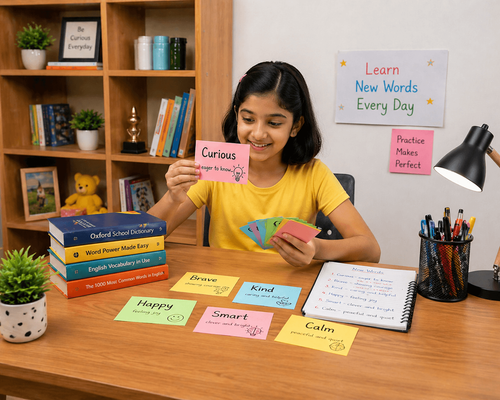

Table of Contents
- Why Vocabulary Enrichment Matters for Students
- Daily Reading: The Fastest Vocabulary Growth Habit
- Vocabulary Journal + Word Notebook Method
- Top 10 Vocabulary Enrichment Activities Students Love
- How to Move Words from Passive to Active Vocabulary
- Smart Strategies: Roots, Prefixes, Suffixes & Context Clues
- Common Vocabulary Mistakes That Slow Progress
- PlanetSpark Spoken English Classes for Vocabulary & Fluency
- Strong Words Build Strong Futures
Do students often know the answer but struggle to express it in words? That is one of the biggest learning barriers today. A child may understand concepts well, yet weak vocabulary can limit confidence in speaking, writing, reading comprehension, and classroom participation. That is why vocabulary enrichment is one of the smartest skills students can build early.
In this guide, you will discover 10 highly effective vocabulary enrichment activities, practical daily habits, parent support strategies, mistakes to avoid, and expert ways to turn passive words into active vocabulary. You will also learn how structured coaching can help children speak fluently and confidently.
The more words a child owns, the more confidently they can own every room they enter.

Why Vocabulary Enrichment Matters for Students
Vocabulary is not just about learning difficult words. It is about understanding, expression, confidence, and clarity. Students with stronger vocabulary often perform better academically because they can read faster, understand instructions clearly, and explain ideas more effectively.
When students lack vocabulary, they may:
- Hesitate while speaking
- Repeat the same simple words
- Struggle in creative writing
- Feel nervous in presentations
- Misunderstand reading passages
- Avoid classroom participation
On the other hand, students with enriched vocabulary can:
- Speak with confidence
- Write more creatively
- Understand lessons faster
- Build leadership skills
- Communicate clearly with peers and teachers
- Perform better in debates, interviews, and competitions
For example, instead of saying nice, a student with better vocabulary may use:
- impressive
- thoughtful
- brilliant
- effective
- inspiring
This improves communication instantly.
Vocabulary also supports future success. College interviews, competitive exams, presentations, and professional growth all depend on strong language skills.
Worried your child speaks less because of weak vocabulary?
Book a free PlanetSpark trial class today before confidence gaps grow bigger.
Daily Reading: The Fastest Vocabulary Growth Habit
Reading remains the most powerful vocabulary enrichment tool because students learn words naturally in context.
When children read stories, articles, biographies, newspapers, or essays, they repeatedly encounter new words with surrounding clues. This helps memory retention better than memorising random lists.
Best Reading Sources by Age
Young Students
- Storybooks
- Comics
- Picture dictionaries
- Short moral stories
Middle School Students
- Adventure books
- Science magazines
- News articles for kids
- Biographies
Teens
- Editorials
- Fiction novels
- Essays
- Current affairs magazines
How to Read for Vocabulary
- Highlight unfamiliar words
- Guess meaning from the sentence
- Check dictionary later
- Write the word down
- Use it in a sentence
Example:
"The athlete was resilient after the defeat."
Even if a child does not know resilient, context suggests strength after difficulty.
That is how smart readers become strong speakers.
Vocabulary Journal + Word Notebook Method
One of the most recommended methods by educators is keeping a dedicated vocabulary journal.
A word journal transforms random exposure into organised learning.
What to Write in the Notebook
For each new word, note:
- Word
- Meaning
- Pronunciation
- Synonym
- Antonym
- Example sentence
- Personal sentence
Example
Curious
Meaning: eager to know
Synonym: interested
Antonym: uninterested
Sentence: She was curious about the science model.
Why This Works
Writing activates memory better than reading alone. Reviewing weekly creates long-term retention.
Upgrade Tip
Use colour coding:
- Green = new words
- Blue = synonyms
- Red = difficult words
Many advanced vocabulary classes children attend online use journal systems because they produce measurable improvement.
Is your child learning words but forgetting them next week?
Book a demo class now and learn expert retention techniques before exams begin.
Top 10 Vocabulary Enrichment Activities Students Love
Here are some of the most engaging and effective activities that help students build vocabulary faster while making learning enjoyable.
1. Flashcards
Flashcards are a simple and powerful way to learn new words. Write the word on one side and its meaning, synonym, or sentence on the other side for quick revision anytime.
2. Scrabble
Scrabble is a fun word game that improves spelling, vocabulary recall, and word-building skills. It also encourages students to think creatively with letters.
3. Crossword Puzzles
Crossword puzzles help students learn meanings through clues and improve problem-solving skills. They are excellent for strengthening memory and word recognition.
4. Word Search Games
Word search activities help students identify spellings quickly and improve visual familiarity with words. They are especially useful for younger learners.
5. Synonym Challenge
Ask students to replace simple words like good, happy, or bad with stronger alternatives. This builds richer vocabulary and improves expression.
6. Antonym Matching
Matching words with their opposites improves understanding and conceptual clarity. It also helps students remember meanings more effectively.
7. Word of the Day
Choose one new word every day, learn its meaning, and use it three times in speech or writing. This habit creates steady vocabulary growth over time.
8. Charades Vocabulary
Students act out vocabulary words using body language while others guess the word. This makes learning active, memorable, and highly enjoyable.
9. Pictionary Vocabulary
Draw the meaning of words visually and let others guess. This creative activity strengthens understanding and memory through images.
10. Category Naming Game
Give a category such as fruits, emotions, or action verbs and ask students to name five words quickly. This improves speed, recall, and thinking skills.
Why Games Work
Games reduce fear, increase repetition, and make learning fun.
PlanetSpark’s gamified systems such as SparkBee also use quizzes, rewards, spelling tasks, grammar games, and vocabulary missions to keep children engaged daily.

How to Move Words from Passive to Active Vocabulary
Many students recognise words while reading or listening but rarely use them while speaking or writing. These words are known as passive vocabulary. Students understand them, but they do not actively use them in real communication.
The true goal of vocabulary enrichment is to build active vocabulary, which means confidently using words in everyday speech and writing.
Passive Vocabulary Example
A student understands the word confident while reading a story or textbook.
Active Vocabulary Example
The same student says:“I felt confident during my presentation today.”
This shows the word has become part of active vocabulary.
How to Activate Vocabulary
Speak Daily
Use at least three new words in daily conversations with family, friends, or teachers. Speaking regularly helps students remember words naturally.
Write Daily
Write a short paragraph, journal entry, or sentence set using five new words. Writing strengthens usage and sentence formation.
Debate and Discussion
Discuss school topics, current events, or simple ideas using stronger vocabulary. This improves fluency and quick thinking.
Storytelling Practice
Retell a movie, book, or personal experience using descriptive words. Storytelling helps students use vocabulary creatively.
Record Yourself
Speak on a topic for one minute and record it. Listening back helps improve pronunciation, confidence, and word usage.
Consistent practice turns learned words into real communication tools. This is why a speaking vocabulary trainer children program can help students use vocabulary confidently in real-world situations.
Does your child understand English but freeze while speaking?
Book a free trial now and start fluency practice with live trainers today.
Smart Strategies: Roots, Prefixes, Suffixes & Context Clues
Instead of learning every word separately, smart learners decode words.
Learn Prefixes
- un = not
- re = again
- pre = before
Example: preview = view before
Learn Suffixes
- ful = full of
- less = without
- ment = action/result
Example: joyful = full of joy
Learn Roots
- bio = life
- geo = earth
- tele = distance
Example: biology = study of life
Context Clues Practice
Sentence:
"The desert was arid, with no water for miles."
Even without dictionary use, students can infer arid means dry.
Why This Matters
This method allows students to understand unfamiliar words independently during exams or reading.
It builds confidence and reading speed.
Common Vocabulary Mistakes That Slow Progress
Many students put in effort but still struggle to improve because they follow ineffective learning methods. Avoiding these common mistakes can help students build vocabulary faster and use words with confidence.
Mistake 1: Memorising Without Usage
Simply memorising definitions is not enough. If students do not use new words in speaking or writing, they are quickly forgotten. Regular usage helps move words into long-term memory.
Mistake 2: Learning Too Many Words at Once
Trying to learn dozens of words in one day often leads to confusion and poor retention. It is better to learn 5 to 10 useful words deeply and revise them consistently.
Mistake 3: Ignoring Pronunciation
Knowing a word but saying it incorrectly can reduce speaking confidence. Students should always learn pronunciation along with meaning and practice saying the word aloud.
Mistake 4: No Revision Routine
Without regular review, even good vocabulary fades over time. Weekly revision through flashcards, quizzes, or notebooks keeps words fresh in memory.
Mistake 5: Only Reading, No Speaking
Many learners recognise words while reading but hesitate to use them aloud. Speaking practice is essential to turn passive vocabulary into active communication skills.
Mistake 6: Using Difficult Words Incorrectly
Using advanced words without understanding context can sound unnatural or confusing. Students should focus on clear, correct communication before using complex vocabulary.
Better Formula
Learn → Understand → Speak → Write → Revise → Repeat
Only learning grammar but still not speaking confidently?
Book your PlanetSpark free trial class now before hesitation becomes habit.
PlanetSpark Spoken English Classes for Vocabulary & Fluency
PlanetSpark offers structured spoken English classes designed for children who want stronger vocabulary, fluent speaking, clear pronunciation, and confident communication.
Many students know grammar rules but hesitate in conversation. PlanetSpark solves this through live speaking practice, expert coaching, and AI-backed progress systems.
What Makes PlanetSpark Different
1. 1:1 Personal Trainers
Every child learns with a certified communication trainer who adapts lessons to pace, personality, and learning gaps.
2. Live Interactive Conversations
Real-life speaking situations:
- school discussions
- introductions
- storytelling
- travel English
- interviews
- presentations
3. Vocabulary Taught in Context
Children learn:
- phrases
- collocations
- sentence patterns
- practical expressions
4. Accent Clarity & Pronunciation
Special focus on articulation, phonics, pronunciation, and reducing hesitation.
5. AI Tools Like SparkX
Speech video analysis for:
- voice clarity
- body language
- grammar usage
- confidence level
- idea structure
6. Spark Diary
Digital writing journal for regular creative writing and vocabulary practice.
7. SparkBee Gamified Practice
Fun quizzes for grammar, spelling, vocabulary, and revision.
8. Parent Progress Tracking
Regular reports and PTMs help parents track growth clearly.
Best For Children Who Need
- Better spoken English
- Stronger vocabulary
- Stage confidence
- Interview preparation
- Reading fluency
- Communication leadership skills

Strong Words Build Strong Futures
Vocabulary enrichment is not about sounding fancy. It is about thinking clearly, expressing confidently, and unlocking opportunities. Every new word gives a child greater power to learn, lead, and connect with the world.
When students read daily, speak regularly, write consistently, and receive the right guidance, transformation becomes inevitable.
Today’s new word can become tomorrow’s life-changing confidence. Start now.
Also Read: 7 Engaging Activities That Helps in Vocabulary Development for Class 5 Children!
Importance of Vocabulary and 10 Best Ways to Learn New Words
Frequently Asked Questions
Vocabulary enrichment means expanding the number of words a student understands and uses confidently in speech and writing.
Daily reading, word journals, speaking practice, games, and expert coaching are the fastest methods.
Start with 1 to 3 quality words daily with revision and usage.
This usually happens when vocabulary is passive, not active. Speaking practice is needed.
Yes. Structured live classes provide accountability, feedback, and practical usage.
PlanetSpark combines speaking practice, writing, AI feedback, memory methods, and expert coaching.
Early childhood is ideal, but vocabulary growth can start successfully at any age.
With consistent practice, many students show progress within 6 to 12 weeks.