
Beginner Reading for Kindergarten Programs at PlanetSpark


Table of Contents
- What is Beginner Reading for Kindergarten?
- Why Reading is Fun for Kids
- Types of Beginner Reading Materials
- Printable Beginner Reading for Kindergarten
- Beginner Short Story Reading for Kindergarten
- How Preschool Beginner Reading for Kindergarten Helps You
- Tips to Enjoy Reading Every Day
- Start Your Reading Adventure with PlanetSpark
- Start Your Reading Journey Today
Reading is an exciting journey for kids. It opens up worlds full of stories, adventures, and learning. Beginner reading for kindergarten is the first step in this adventure, helping children develop confidence with letters, words, and simple sentences.
For working professionals, understanding the importance of these beginner reading materials can help guide their children effectively, ensuring they get the right resources at home or through programs like PlanetSpark. This blog will explore all aspects of beginner reading for kindergarten, from printable materials to fun short stories, and show how reading becomes an enjoyable daily habit.
What is Beginner Reading for Kindergarten?
Beginner reading for kindergarten refers to the first structured reading activities designed for young children. These activities introduce letters, phonics, simple words, and sentences in a playful and engaging way. The goal is to make reading enjoyable while building a strong foundation for literacy.
Key features of beginner reading programs include:
Simple words and sentences: Using easy vocabulary to make reading less intimidating.
Visual support: Pictures and illustrations that help children understand the story.
Interactive activities: Tracing letters, matching words with images, and reading aloud.
Short reading sessions: To keep attention and interest high.
Why it matters for kids:
Learning to read at an early age helps children:
Recognize letters and words quickly
Improve memory and concentration
Develop communication skills
Build confidence for advanced reading
Table: Beginner Reading Components
| Component | Purpose | Example |
|---|---|---|
| Letters & Phonics | Recognize sounds | “A” for Apple |
| Simple Words | Build vocabulary | Cat, Dog, Sun |
| Short Sentences | Improve comprehension | The cat runs. |
| Pictures & Visuals | Enhance understanding | Matching images with words |
Using beginner reading materials for kindergarten ensures children get structured learning while enjoying the process. Parents and teachers can choose resources that are age-appropriate and interactive to make learning fun.
Why Reading is Fun for Kids
Reading doesn’t have to be boring. With the right approach, it becomes a daily adventure. Here’s why beginner reading for kindergarten is fun and effective:
1. Stories Spark Imagination
Short and simple stories encourage children to imagine places, characters, and adventures. This enhances creativity and makes reading an exciting habit.
2. Printable Beginner Reading for Kindergarten
Printable worksheets, flashcards, and activity sheets allow kids to practice reading at home. These resources are visually appealing and can be used repeatedly.
Flashcards: Recognize letters and simple words
Tracing Sheets: Learn to write letters and words
Short Story Sheets: Read simple stories with pictures
3. Beginner Short Story Reading for Kindergarten
Stories with familiar settings, animals, or daily activities make reading relatable. Examples include:
The Little Red Fox: Learn new words and sentence structure
Sunny’s Day at the Park: Understand sequencing and comprehension
Happy Bunny’s Basket: Connect words with pictures
4. Preschool Beginner Reading for Kindergarten Builds Routine
Introducing small daily reading sessions helps children enjoy reading without pressure. Professionals can integrate this into morning or bedtime routines, ensuring consistency.
5. Fun Learning Formats:
Games & Puzzles: Match letters or words with images
Coloring & Reading: Color pictures related to the story while reading words
Interactive Reading: Ask questions like “What happens next?” to engage kids
By using beginner reading materials for kindergarten alongside printable beginner reading for kindergarten, children develop vocabulary, comprehension, and confidence. Working professionals can monitor progress through simple charts or checklists to track reading milestones.
“Every story has a spark - let it shine!”
Join PlanetSpark’s storytelling course and help your child express ideas confidently.
Types of Beginner Reading Materials
When starting beginner reading for kindergarten, children need the right mix of materials that make learning easy and fun. These resources are designed to teach letters, sounds, and words step by step.
Common Types of Beginner Reading Materials Include:
1. Flashcards
Help children recognize letters and words quickly
Can include images for visual learning
Example: “A for Apple”, “B for Ball”
2. Workbooks & Activity Sheets
Structured exercises for tracing letters and writing simple words
Practice vocabulary and sentence building
Encourage independent learning
3. Storybooks & Short Stories
Introduce children to reading comprehension
Fun characters and simple plots make reading enjoyable
Examples: Beginner short story reading for kindergarten like “The Happy Bunny”
4. Printable Materials
Easy to use at home or school
Reusable and interactive
Includes worksheets, puzzles, and word games
Perfect for parents who want printable beginner reading for kindergarten resources
5. Digital Learning Tools
Apps and online programs provide interactive reading experiences
Audio reading options help with pronunciation and fluency
Table: Beginner Reading Materials Comparison
| Material Type | Purpose | Best For |
|---|---|---|
| Flashcards | Letter & word recognition | Quick learning |
| Workbooks | Writing & tracing | Skill practice |
| Storybooks | Comprehension & imagination | Enjoyable learning |
| Printable Sheets | Reinforcement | Home or school use |
| Digital Tools | Interactive reading | Tech-friendly kids |
By combining these materials, children get a well-rounded beginner reading experience. Parents and teachers can choose materials that suit the child’s learning style.
“Stories are the wings of a child’s mind.”
PlanetSpark’s storytelling program nurtures confidence and creative expression.
Printable Beginner Reading for Kindergarten
Printable beginner reading for kindergarten resources are one of the most effective ways to make learning interactive and hands-on. They allow children to practice reading, writing, and understanding words at their own pace.
Benefits of Printable Materials:
Flexible Learning: Kids can learn anytime, anywhere
Repetitive Practice: Worksheets can be used multiple times
Engaging Designs: Pictures, colors, and themes make learning fun
Parental Involvement: Parents can guide children and track progress
Examples of Printable Beginner Reading Resources:
Alphabet Tracing Sheets: Practice letters with fun shapes
Sight Word Worksheets: Recognize common words quickly
Short Story Sheets: Read and answer simple questions about the story
Matching Games: Match words with pictures or letters
Step-by-Step Activity Example:
Activity: Match the Word with the Picture
Look at the picture of an object
Read the word below it aloud
Draw a line to connect the word to the correct picture
Repeat for 5–10 words daily
Tips for Using Printable Materials Effectively:
Introduce 3–5 new words per session
Encourage reading aloud for better fluency
Celebrate small achievements with stickers or stars
Use a mix of worksheets, flashcards, and short stories
Printable resources are perfect for both classroom and home settings. They provide beginner reading materials for kindergarten that are interactive, structured, and easy to follow.
By combining printable beginner reading for kindergarten resources with short story reading and daily practice, children develop confidence and a love for reading from an early age.
“Imagination grows when stories unfold.”
Enroll in PlanetSpark and watch your child tell stories with creativity and flair.
Beginner Short Story Reading for Kindergarten
Stories make reading enjoyable and help children connect words with meaning. Beginner short story reading for kindergarten introduces kids to simple narratives while building comprehension and vocabulary.
Why Short Stories are Important:
Easy to Understand: Simple plots with familiar characters
Build Vocabulary: Learn new words in context
Encourage Imagination: Kids visualize characters and events
Boost Confidence: Short stories are less intimidating for beginners
Examples of Short Stories for Beginners:
| Story Title | Key Learning Focus | Fun Element |
|---|---|---|
| The Happy Bunny | Simple words, sentence reading | Animal characters |
| Sunny’s Park Adventure | Daily activities vocabulary | Playground setting |
| Little Red Fox | Word recognition, sequencing | Forest animals |
How to Use Short Stories Effectively:
Read Aloud Together: Encourage kids to repeat simple words
Ask Questions: “What happens next?” or “Who is your favorite character?”
Highlight Words: Focus on keywords and sight words
Draw & Act: Let children draw scenes or act out stories for engagement
Tips for Parents and Teachers:
Mix beginner short story reading for kindergarten with flashcards or worksheets
Re-read stories to reinforce learning
Encourage kids to predict what happens next for critical thinking
Short stories are a fun way to combine learning and play. They help children enjoy reading without feeling pressured, building a lifelong love for books.
“Speak, create, and shine with every story.”
Let your child master storytelling with PlanetSpark’s expert guidance.
How Preschool Beginner Reading for Kindergarten Helps You
Starting preschool beginner reading for kindergarten lays the foundation for strong reading and writing skills. Even before formal schooling, these programs provide children with structured reading practice that makes learning easier later.
Benefits of Preschool Beginner Reading:
Letter Recognition: Understand letters and their sounds
Word Formation: Learn how to combine letters into words
Sentence Building: Form short, simple sentences
Comprehension Skills: Understand the meaning of words and stories
Confidence: Gain self-assurance in reading aloud
How It Works:
Step 1: Learn Letters & Sounds
Sing alphabet songs
Use flashcards and tracing sheets
Step 2: Recognize Words
Practice sight words and familiar vocabulary
Use printable beginner reading for kindergarten materials
Step 3: Read Short Stories
Engage with beginner short story reading for kindergarten
Ask questions to ensure understanding
Activity Example: Daily Reading Routine
| Time | Activity | Material |
|---|---|---|
| 10 min | Letter tracing | Printable sheets |
| 15 min | Word flashcards | Flashcards or apps |
| 20 min | Short story reading | Storybooks or printables |
| 5 min | Questions & discussion | Parents/teachers |
Tips to Maximize Learning:
Encourage daily reading sessions for consistency
Praise efforts, not just results, to boost confidence
Combine reading with drawing, singing, or acting to make it fun
Track progress using simple charts or stickers
Preschool beginner reading helps kids develop a strong literacy foundation while keeping reading fun and interactive. Working professionals can guide their children with these materials for better learning outcomes.
“Every child is a storyteller waiting to be heard.”
Discover PlanetSpark’s course to boost creativity, confidence, and expression.
Tips to Enjoy Reading Every Day
Reading becomes a habit when it is fun and consistent. Here are ways to make beginner reading for kindergarten enjoyable for kids while also helping working professionals guide them effectively.
1. Create a Reading Corner
Design a cozy space with books, cushions, and good lighting
Keep beginner reading materials for kindergarten within easy reach
Decorate with colorful posters to attract children to reading
2. Make Reading Interactive
Ask children to read aloud or repeat words after you
Encourage them to point at pictures and words
Use beginner short story reading for kindergarten to spark imagination
3. Set Small Goals
Read one story per day or 5–10 new words daily
Use printable beginner reading for kindergarten worksheets for practice
Reward small achievements with stickers or stars
4. Combine Reading with Fun Activities
Drawing & Coloring: Draw pictures of story characters
Word Games: Match words with pictures
Role Play: Act out short stories for better engagement
5. Track Progress
Keep a reading log to note completed worksheets and stories
Celebrate milestones, like reading 5 stories in a week
Use checklists to motivate kids and guide parents
Sample Daily Reading Routine:
| Time | Activity | Material |
|---|---|---|
| 10 min | Letter tracing | Printable sheets |
| 15 min | Flashcards | Flashcards |
| 20 min | Story reading | Beginner short story reading for kindergarten |
| 5 min | Q&A | Parents/teachers |
These tips ensure that beginner reading for kindergarten is not just educational but also fun and exciting for kids.
Start Your Reading Adventure with PlanetSpark
PlanetSpark’s programs provide structured support for beginner reading for kindergarten, combining interactive learning with fun activities.
Why PlanetSpark is Ideal for Beginner Readers:
Interactive Learning: Kids engage with printable beginner reading for kindergarten worksheets, short stories, and flashcards
Expert Guidance: Qualified educators guide children step by step
Progress Tracking: Parents receive updates on reading milestones
Fun Learning Approach: Activities include games, stories, and creative exercises
How PlanetSpark Programs Work:
Assessment: Understand each child’s reading level
Structured Curriculum: Focus on letters, words, short sentences, and comprehension
Interactive Worksheets & Stories: Use beginner reading materials for kindergarten to practice at home
Daily Reading Routine: Encourages consistency and builds confidence
Regular Feedback: Helps parents support learning effectively
Benefits for Kids:
Improved reading confidence
Enhanced vocabulary and comprehension
Love for books and stories
Ability to read independently
Fun Activity Ideas with PlanetSpark:
Story Time: Read aloud with characters and actions
Word Hunt: Find new words in stories and worksheets
Creative Drawing: Draw scenes from short stories
With PlanetSpark, children enjoy preschool beginner reading for kindergarten and develop a lifelong interest in reading. Programs combine printable beginner reading for kindergarten, short stories, and interactive exercises, making reading a fun and rewarding adventure.
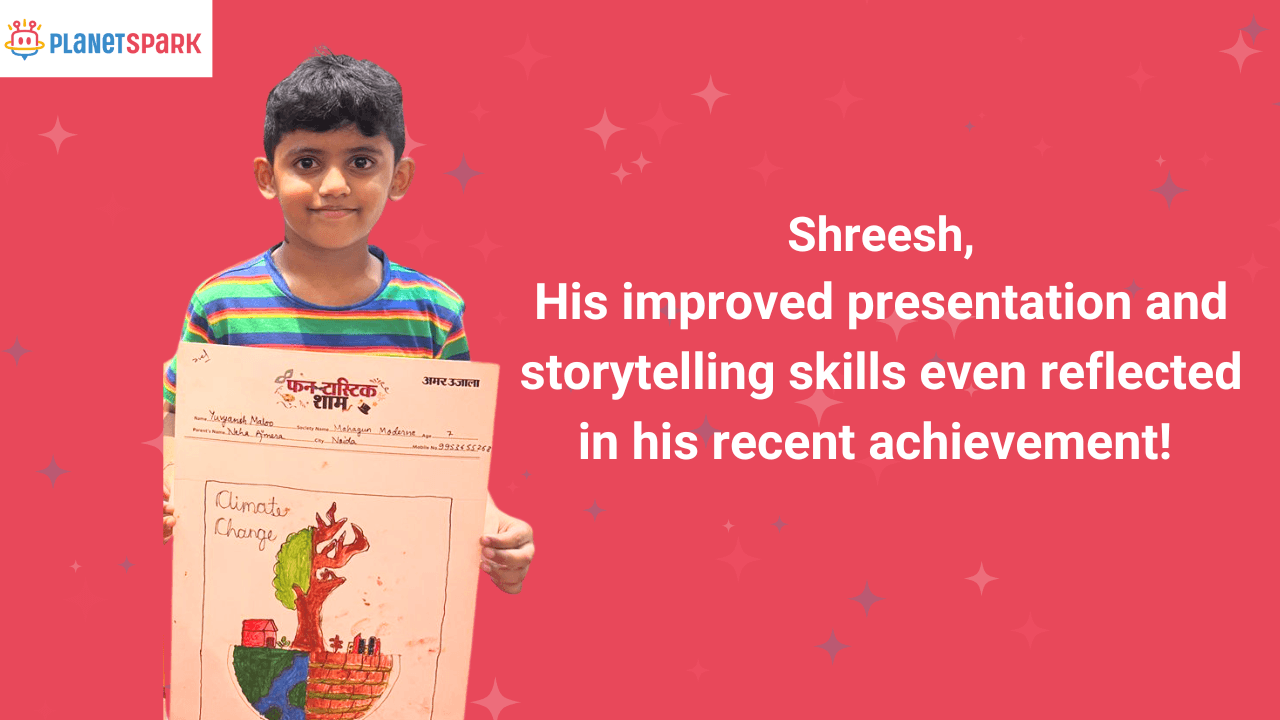
Yuvyansh Shines with Creative Confidence
Yuvyansh has flourished at PlanetSpark, learning to express his ideas creatively and confidently. His improved storytelling and presentation skills recently earned him second place in the Junior Category of a drawing competition on ‘Climate Change’, organized by the Amar Ujala team.
Start Your Reading Journey Today
Starting early ensures children gain a strong foundation in reading and develop a habit that lasts a lifetime. Programs like PlanetSpark provide everything needed for beginner reading for kindergarten, making the learning journey engaging and effective.
How to Begin:
Select the Right Materials: Use a mix of flashcards, worksheets, and short storybooks
Follow a Routine: 15–20 minutes of daily reading is enough
Engage & Interact: Ask questions, act out stories, and encourage kids to read aloud
Use Printable Resources: Reinforce learning with printable beginner reading for kindergarten sheets
Monitor Progress: Celebrate milestones and keep children motivated
Table: Quick Checklist for Beginner Reading Success
| Step | Activity | Resource |
|---|---|---|
| 1 | Learn letters & sounds | Flashcards, tracing sheets |
| 2 | Read simple words | Worksheets, printable sheets |
| 3 | Read short stories | Beginner short story reading for kindergarten |
| 4 | Practice daily | Daily routine, parent guidance |
| 5 | Track progress | Stickers, charts, feedback |
By starting today, children can enjoy the world of books, build confidence, and develop essential reading skills. Beginner reading for kindergarten is not just about learning letters and words - it’s about creating joyful experiences that last a lifetime.
“Unlock the power of words and imagination.”
PlanetSpark’s storytelling classes make expressing ideas fun and easy.
Frequently Asked Questions
Beginner reading for kindergarten introduces kids to letters, simple words, short sentences, and basic stories. It builds a strong foundation for reading and comprehension in a fun, interactive way.
It helps children recognize letters, understand words, improve memory, develop confidence, and enjoy reading from an early age.
Common materials include flashcards, worksheets, storybooks, printable sheets, and digital learning tools designed for early readers.
Use interactive methods like reading aloud, asking questions, drawing story scenes, acting out stories, and using colorful printable materials.
Daily reading for 10–20 minutes is ideal. Short, consistent sessions keep children engaged and build a habit.
These are worksheets, flashcards, and activity sheets that kids can use at home to practice letters, words, and simple stories in an interactive way.