
Character Development: The Key to Strong and Engaging Stories


Table of Contents
- What Is Character Development? (Meaning and Importance)
- Core Aspects of Character Development
- Key Elements of Character Development
- 5 Effective Methods of Character Development
- Common Character Arcs in Storytelling
- Types of Character Development in Stories
- Tools and Techniques for Character Development
- How to Master Character Development in Your Writing Journey
- Conclusion: Bringing Characters to Life
In every unforgettable story, it is not just the plot that keeps readers engaged: it is the characters. From heroes to complex antiheroes, their depth and transformation shape how powerful a narrative becomes. This is where character development plays a central role.
If you’ve ever wondered what is character development, the answer lies in how characters are built and evolved. This guide explores its meaning, elements, and techniques to craft compelling stories—skills you can strengthen further with structured storytelling practice at PlanetSpark.
What Is Character Development? (Meaning and Importance)
At its core, character development meaning refers to the process of creating a character with depth, personality, and growth throughout a story. It involves shaping their beliefs, motivations, behaviors, and transformations over time as this:
- Drives varied reader responses
- Makes stories relatable and memorable
- Supports plot progression through decisions and actions
- Adds realism and psychological depth
When done effectively, character development ensures that your story is not just read, but felt.

Core Aspects of Character Development
Strong characters are not created randomly. They are built through two essential layers:
1. Static Preparation (Foundation of the Character)
This includes everything that defines the character before the story begins:
- Background and upbringing
- Personality and character traits
- Core beliefs and values
- Strengths and weaknesses
Think of this as the blueprint of your character.
2. Dynamic Evolution (Growth During the Story)
This is where transformation happens. Characters evolve based on:
- Experiences
- Conflicts
- Relationships
- Decisions
This transformation is often represented through a character arc, which shows how the character changes from beginning to end.
Key Elements of Character Development
To build strong and believable characters, you must focus on the following essential elements:
1. Backstory and Character Profile
A character’s past shapes their present. Create a detailed profile including:
- Family background
- Education and environment
- Key life events
This adds depth and consistency to your character.
2. Motivation and Needs
Every character must want something.
- External goals → career, relationships, survival
- Internal needs → validation, belonging, identity
Motivation drives action, and action drives the story.
3. Character Arc (Growth and Transformation)
A character arc is the emotional and psychological journey of a character.
Types of growth may include:
- From fear to courage
- From selfishness to empathy
- From ignorance to awareness
This is what makes a story impactful and meaningful.
4. Revealing Traits (Show, Don’t Tell)
Instead of stating traits, demonstrate them through actions:
- Show kindness through behavior, not description
- Reveal intelligence through problem-solving
This technique strengthens character traits naturally within the narrative.
5. Flaws and Redemption
Perfect characters feel unrealistic. Flaws:
- Create conflict
- Make characters relatable
- Enable transformation
Redemption arcs make stories emotionally satisfying.
Weak vs Strong Character Development (With Examples)
| Weak Character Writing | Strong Character Development |
|---|---|
| Perfect, no flaws | Has clear flaws and struggles |
| Tells traits directly | Shows traits through actions |
| No growth | Clear character arc |
| Predictable behavior | Layered and complex |
Strong characters are at the heart of great storytelling. With the right guidance, you can turn these elements into engaging narratives. Start building powerful storytelling skills today with a free demo.
5 Effective Methods of Character Development
To bring characters to life, writers rely on practical storytelling techniques. These methods help reveal character traits naturally and effectively.
1. Physical Description
A character’s appearance can reflect personality and background.
- Clothing style
- Body language
- Facial expressions
Subtle details can hint at deeper character traits without direct explanation.
2. Action (What They Do)
Actions are one of the strongest tools in character development.
- Decisions under pressure
- Everyday habits
- Moral choices
Readers understand characters best through what they do, not what is said about them.
3. Inner Thoughts
Revealing internal dialogue helps readers connect emotionally.
- Fears and doubts
- Conflicts and desires
- Personal beliefs
This is especially powerful in showing internal aspects of a character arc.
4. Reactions (How They Respond)
How a character reacts to situations reveals depth.
- Response to failure
- Reaction to success
- Emotional triggers
Reactions highlight consistency or change in character traits.
5. Speech (Dialogue)
The way a character speaks reflects personality.
- Tone and vocabulary
- Confidence level
- Emotional state
Dialogue helps define identity and helps build character development meaning in practice.
Common Character Arcs in Storytelling
Understanding different types of arcs helps structure your story better.
1. Positive Character Arc
The character grows and improves:
- Gains confidence
- Learns a lesson
- Overcomes internal flaws
2. Negative Character Arc
The character deteriorates:
- Loses morality
- Becomes corrupted
- Moves toward failure
3. Flat Character Arc
The character remains the same but changes others:
- Already strong in belief
- Influences the world around them
4. Transformational Arc
Major internal and external change:
- Identity shift
- Complete worldview transformation
How a Character Arc Typically Evolves?
| Stage | What Happens | Example Transformation |
|---|---|---|
| Beginning | Character has flaws or false beliefs | Fearful and unsure |
| Conflict | Faces challenges and pressure | Forced to act |
| Turning Point | Realization or failure | Learns a lesson |
| Resolution | Change is visible | Becomes confident |
Examples from Character Development Movies
Some powerful character development movies include:
- The Pursuit of Happyness → resilience and growth
- Joker → negative transformation
- Harry Potter series → gradual evolution and maturity
These examples show how a strong character arc can elevate storytelling.

Types of Character Development in Stories
Understanding different types of character development helps writers shape meaningful transformations and align them with story goals.
1. Moral Ascending (Positive Growth)
This type shows a character improving morally or emotionally over time.
- Moves from selfishness to empathy
- Learns responsibility or courage
- Aligns actions with stronger values
Often seen in strong character arc journeys where growth is central to the story.
2. Moral Descending (Negative Growth)
Here, the character gradually declines in values or ethics.
- Becomes more selfish, corrupt, or destructive
- Justifies wrong actions
- Moves away from moral clarity
Common in darker narratives and powerful character development movies.
3. Transformational Development
This involves a complete shift in identity, belief, or worldview.
- Life-changing realization
- Radical change in behavior
- Strong internal and external impact
This type creates the most dramatic character arc and emotional impact.
4. Flat Character Development
The character does not change significantly but influences others.
- Strong beliefs from the start
- Acts as a moral anchor
- Changes the world instead of themselves
Ideal for mentor figures or heroic archetypes.
Understanding different types of character development helps you shape more meaningful and engaging stories. With the right guidance, you can apply these arcs effectively in your own writing.
Start building stronger storytelling skills and bring your characters to life. Book a free demo today.
Psychology Behind Character Development
Great storytelling reflects real human psychology. Strong character development is driven by what characters feel, believe, and experience internally.
1. The Ghost and the Lie
The “ghost” is a past experience or trauma that shapes the character’s present behavior. It may not always be visible, but it influences decisions and relationships.
The “lie” is the false belief the character develops because of that past. For example, a character abandoned as a child may believe, “I am not worthy of love.” This belief drives their actions until it is challenged.
2. Internal vs External Conflict
Internal conflict comes from emotional struggles such as fear, guilt, or self-doubt. It defines the character’s inner tension.
External conflict comes from outside forces like society, relationships, or antagonists. When both conflicts interact, they push the character arc forward and create meaningful transformation.
3. Voice and Metaphor Families
Every character has a unique way of speaking and thinking. This includes tone, vocabulary, and emotional expression.
Metaphor families help maintain consistency. For example, a soldier may think in terms of battle, while an artist may describe emotions through colors. This strengthens character traits naturally.
Tools and Techniques for Character Development
To build strong characters, writers need structured and practical methods. These techniques help translate ideas into effective character development.
1. Create a Visual Mood Board
A mood board uses images and visual references to define a character’s appearance and personality. It helps capture the emotional tone and overall vibe.
For example, darker visuals may suggest mystery, while bright tones may reflect confidence or energy.
2. Draft a Character Sketch
A character sketch includes key details such as goals, fears, habits, and relationships. This acts as a reference point during writing. It ensures consistency in decisions and helps maintain clarity in the character arc.
3. Use Interview Techniques
Interviewing your character helps uncover deeper layers. Asking questions reveals hidden motivations and fears.
Questions like “What do you want but cannot have?” or “What are you afraid of?” make the character feel more real and emotionally grounded.
4. P.A.I.R.S Method
The P.A.I.R.S method stands for Past, Ambition, Internal conflict, Relationships, and Stakes.
This framework ensures the character is well-rounded. It connects their past experiences with present goals and future consequences.
5. “Pet the Dog” Moments
These are small actions that reveal a character’s humanity. They make the character more relatable and emotionally engaging.
For example, a tough character helping someone in need creates connection. These moments strengthen overall character development meaning.
Real-Life Example: From Learner to Published Author
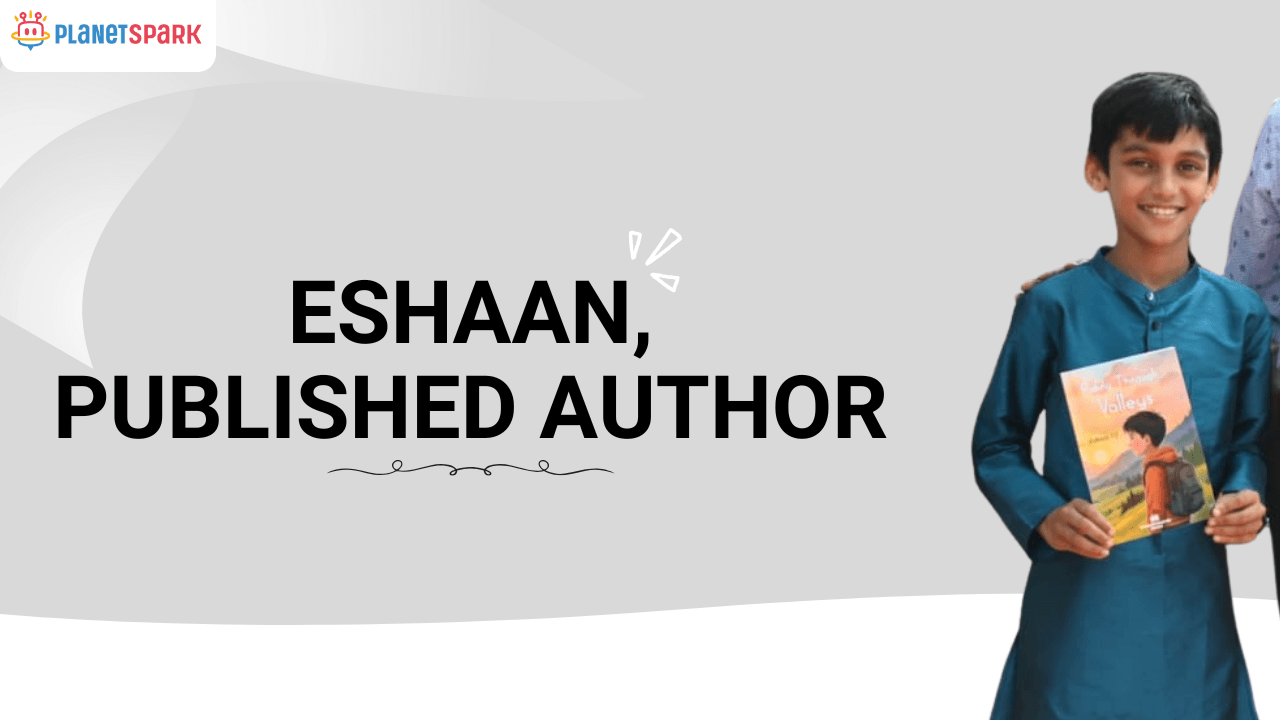
Eshaan, a student at PlanetSpark, showed strong creativity and a keen interest in storytelling. Through guided sessions, he learned to build character profiles, explore internal conflict, and develop a clear character arc.
With consistent practice, his stories became more engaging, with stronger motivations and well-defined character traits.
Soon, Eshaan transformed his ideas into a complete story and became a published author, turning a classroom activity into a captivating storybook. His journey shows how structured learning can enhance character development and bring stories to life.
Advanced Character Development Exercises
To improve storytelling, writers can use deeper exercises that add complexity and realism to characters.
1. Write Alternate Decisions
This exercise explores how the story changes if the character makes a different choice. It helps identify whether actions are truly aligned with the character’s personality or just driven by the plot.
2. Conflict Mapping
Conflict mapping involves layering different types of conflict—personal, social, and moral. When these conflicts overlap, they create stronger tension, makes the character arc more compelling and aids to develop story conflict techniques successfully.
3. Character Diary
Writing a diary from the character’s perspective helps capture thoughts and emotions more deeply. This improves emotional consistency and strengthens the character’s internal voice.
4. Opposite Traits Exercise
Giving characters contrasting traits makes them more realistic. For example, a confident character may still feel insecure in certain situations. These contradictions enhance character traits and depth.
5. Scene Rewriting from Another Perspective
Rewriting a scene from another character’s point of view adds new layers to the story. It reveals different interpretations of the same event and improves overall narrative depth and character development.
How to Master Character Development in Your Writing Journey with Planet Spark?
While techniques and frameworks are essential, mastering character development requires consistent practice, feedback, and structured learning. Strong storytelling is not just about ideas: it’s about how effectively you bring characters to life.
At PlanetSpark, learners can build storytelling confidence through:
- Structured creative writing frameworks
- Real-time feedback from experts
- Practice-driven storytelling sessions
- Techniques to enhance character depth and expression
Whether you are a beginner or an aspiring storyteller, developing strong characters can transform your narratives into powerful, engaging stories.

Conclusion: Bringing Characters to Life
Great stories are built on unforgettable characters. Understanding what is character development and applying the right techniques allows you to create stories that resonate deeply with your audience.
From defining character traits to crafting meaningful character arcs, every step contributes to building authenticity and emotional impact. Whether inspired by real life or fictional worlds, well-developed characters are what make stories timeless.
Master the art of character development, and you won’t just tell stories, but create experiences.
Also Read: How to Create Memorable Characters with Depth and Purpose
Frequently Asked Questions
Character development refers to the process of creating and evolving a character’s personality, motivations, and behavior throughout a story. It helps make characters more realistic, relatable, and engaging for the audience.
The 7 common character traits often include qualities like honesty, courage, kindness, responsibility, empathy, perseverance, and integrity. These traits shape how a character behaves and influences their role in the story.
A character arc is the transformation or growth a character undergoes during a story. It reflects how their beliefs, emotions, or actions change due to experiences and conflicts.
Character development is important because it creates emotional connection and depth in a story. Well-developed characters make narratives more engaging and help readers relate to the journey.
Yes, PlanetSpark is designed for beginners and aspiring storytellers. Through guided sessions, interactive exercises, and real-world practice, learners can develop strong storytelling skills and improve character development step by step.
PlanetSpark offers structured storytelling programs where learners practice building characters, developing arcs, and expressing ideas clearly. With expert guidance and feedback, learners can strengthen their creative writing skills effectively.