
Essay on A Day Without Electricity: Life Without Power
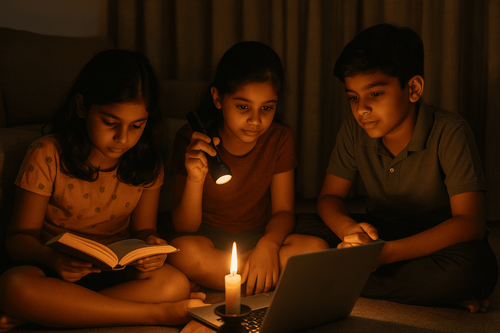

Table of Contents
- Morning Challenges Without Electricity
- Impact on Studies and Work
- Effect on Household Activities
- Impact on Entertainment and Communication
- How a Power Cut Affects Health and Safety
- What We Learn from Living Without Electricity
- How Communities Respond During Power Cuts
- How Electricity Powers Modern Technology
- A Day Without Electricity in Rural vs Urban Areas
- Role of Backup Solutions During Power Cuts
- Environmental Benefits of Reduced Electricity Use
- Fun Offline Activities to Try Without Electricity
- How Power Cuts Affect Local Businesses
- How Electricity Changed Human Life Over the Years
- Importance of Electricity in Daily Life
- Challenges Faced During a Full-Day Power Cut
- How a Day Without Electricity Affects Students
- Safety Risks During Power Cuts
- Role of Electricity in Modern Communication
- Learning to Appreciate Resources Through Power Cuts
- How Families Bond More Without Electricity
- Steps to Save Electricity Daily
- How Industries Rely on Electricity for Productivity
- Renewable Alternatives to Traditional Electricity
- Why Choose PlanetSpark?
- Conclusion
Electricity plays a crucial role in
our everyday lives, powering almost everything we depend on—from lights and fans to mobile phones, computers, and kitchen appliances. Modern routines revolve around electrical devices, making our lives faster, easier, and more comfortable. We wake up with alarms, study using online tools, work on laptops, and relax with television or music, all because of electricity.
An unexpected power cut can instantly disrupt this smooth routine and remind us how deeply electricity is woven into our daily activities. This essay on A Day Without Electricity explores what happens when the power goes out, how it affects our morning routines, studies, work, entertainment, and how it teaches us to appreciate the value of electricity.
Morning Challenges Without Electricity
A day without electricity brings several morning difficulties that disrupt the usual routine. The first challenge appears the moment you try to wake up. Without charged phones or working electric alarms, many people wake up late and start the day in a rush. Once you get out of bed, the problems become even more obvious.
Key morning challenges:
No warm water because geysers and water heaters don’t work.
No water supply in homes that depend on electric water pumps.
Difficulty preparing breakfast because microwaves, toasters, and induction stoves stop functioning.
Dim house lighting, making chores harder, especially in winter mornings.
No fans or ventilation, leading to extra discomfort in warm weather.
These challenges slow down every task, from getting ready for school or work to completing basic chores. A single morning without electricity makes us realize how many small conveniences depend on power—even those we never notice on normal days.
Impact on Studies and Work
The absence of electricity greatly affects learning and professional tasks. Students today rely heavily on technology for studying, completing assignments, and attending online classes. Without power, digital learning becomes nearly impossible.
How students are affected:
No access to online classes or educational videos.
Laptops and tablets run out of battery quickly.
No Wi-Fi, making research and homework difficult.
Poor lighting affects reading or revising.
Professionals face even bigger problems. Remote workers cannot attend virtual meetings, respond to emails, or work on digital files. Offices also struggle because printers, computers, billing systems, and machinery stop functioning.

How professionals are affected:
No work-from-home productivity.
Missed meetings and communication gaps.
Halt in office operations or factory work.
Delays in deadlines and reduced efficiency.
A single day without electricity highlights how dependent modern education and workplaces have become on digital systems.
Effect on Household Activities
Household tasks slow down drastically without electricity. Most Indian homes use a range of electrical appliances for everyday chores, and their absence makes the entire routine time-consuming.
Impact on kitchen and food:
No running refrigerator, increasing the risk of food spoilage.
No mixer, grinder, microwave, or induction stove.
Cooking takes longer and must be done manually.
Impact on cleaning and home comfort:
Washing machines cannot be used, forcing manual washing.
Vacuum cleaners and electric irons stop working.
No fans, coolers, or ACs—making summers uncomfortable.
Poor lighting disrupts evening chores.
Even tasks like heating water, reheating food, or ironing clothes become difficult. In many homes, power cuts also stop the water supply completely. A day without electricity proves how essential power is for comfort, hygiene, and household efficiency.
Impact on Entertainment and Communication
Entertainment and communication almost come to a halt during a power cut. Modern entertainment depends entirely on electricity, and without it, most activities become unavailable.
Entertainment problems:
No TV, Netflix, YouTube, or gaming consoles.
Speakers, music systems, and radios stop working unless battery-powered.
Children get bored without gadgets or cartoons.
Communication problems:
Mobile phones lose battery quickly.
No Wi-Fi, limiting messages, emails, and calls.
No access to social media or online news.
This forces people to turn to offline activities like reading, talking to family, playing board games, or stepping outside for fresh air. While the disruption may feel frustrating, it also gives people a chance to reconnect with family and take a break from screens.
How a Power Cut Affects Health and Safety
A long power cut affects not just comfort but also health and safety. During hot seasons, the absence of fans, coolers, and air conditioners makes the indoor environment extremely uncomfortable. High temperatures can lead to dehydration, headaches, or even heat exhaustion, especially for children and older adults. In winter, the lack of room heaters makes mornings and nights very cold, increasing the risk of catching colds or experiencing discomfort. People with medical needs face even greater risks, especially those who depend on powered devices such as nebulizers or refrigerated medicines.
Key safety issues:
Poor visibility at night, increasing the risk of falls or accidents.
Security concerns, as dark homes make people feel unsafe.
Insects and mosquitoes become a problem without fans or repellents.
Food safety issues, because refrigerators cannot preserve food properly.
A day without electricity highlights how essential power is for maintaining both physical comfort and personal safety.
What We Learn from Living Without Electricity
Experiencing a day without electricity teaches valuable lessons about life, comfort, and mindful living. We often take electricity for granted because it quietly supports almost every activity in our day. When it disappears, we suddenly notice how dependent we are on small conveniences such as lights, fans, chargers, and appliances. This situation teaches us appreciation and gratitude for modern technology.
Important lessons:
We learn the value of simple living, such as talking with family, reading books, or playing offline games.
We understand the importance of conserving electricity, using it wisely instead of wasting it.
We become more adaptable, finding new ways to complete daily tasks.
We reconnect with the environment, spending more time outdoors when indoor activities are limited.
A power cut also helps us reflect on how people lived in earlier times without modern comforts. It makes us more mindful and teaches us to balance technology with real-life interactions.
How Communities Respond During Power Cuts
Power cuts affect everyone, but they also bring communities together. People often step out of their homes, talk to neighbors, and share updates about when power might return. In many localities, families help each other by sharing candles, flashlights, or power banks. Shops may extend help by providing cold water or allowing people to charge phones if they have backup solutions. Children often gather to play outdoor games, creating a cheerful atmosphere despite the inconvenience.
Common community responses:
Sharing resources like water, food, candles, and torches.
Checking on elderly residents to ensure they are comfortable.
Discussing updates and contacting the electricity board together.
Engaging in group activities, such as chatting or storytelling.
A power cut becomes a shared experience that brings people closer. It reminds us that even during small challenges, community support plays a very important role.
Want your child to write stronger essays like this? Book a FREE PlanetSpark demo class today!
How Electricity Powers Modern Technology
Modern technology is completely dependent on electricity, and a single power cut shows how interconnected our lives are with powered devices. From smartphones to smart TVs, from kitchen appliances to industrial machines, nearly everything uses electricity to function. Without it, technology comes to a standstill. Phones cannot be charged, computers shut down, and home appliances stop working. Offices lose access to digital tools, and factories cannot run heavy machinery.
Areas electricity supports:
Personal devices: phones, laptops, tablets, wearables.
Home appliances: refrigerators, washing machines, fans, microwaves.
Internet-based services: Wi-Fi routers, broadband connectivity.
Industry and business: machinery, billing systems, computers.
Transport and public services: traffic lights, ATMs, metro services.
Electricity is the backbone of technological progress. Without it, even simple tasks like sending a message or heating food become challenging. This shows how power drives innovation, communication, and productivity in modern society.
A Day Without Electricity in Rural vs Urban Areas
The impact of a power cut differs between rural and urban regions. In urban areas, daily life is heavily dependent on electricity. Homes rely on appliances, lifts, internet services, digital payments, and fast cooking tools. A power cut here disrupts work, studies, and household functioning. People become uncomfortable quickly because buildings trap heat and lack natural ventilation.
In rural areas, the experience is different but still challenging. Many rural households already have limited electricity access, so they are more used to power cuts. They often depend on natural lighting, manual tools, and outdoor activities.
Key differences:
Urban areas face major disruption in work, online classes, communication, and cooling systems.
Rural areas face issues with water pumps, evening lighting, and mobile networks.
Urban people are more dependent on gadgets, while rural communities adapt more easily.
Rural areas rely on natural resources, while urban setups rely on constant power.
Both settings feel the impact, but the lifestyle differences create unique challenges for each.
Role of Backup Solutions During Power Cuts
Backup solutions play a crucial role in managing a day without electricity. Homes with inverters, generators, or solar panels experience much less disruption. Inverters help power basic appliances like fans, lights, and Wi-Fi routers. Generators support heavier appliances and are especially useful in shops or offices. Solar panels are becoming increasingly popular because they reduce electricity dependency and work even during long outages.
Common backup options:
Inverters – for fans, lights, and basic appliances.
Generators – for shops, homes, and large appliances.
Power banks – for charging phones during long power cuts.
Solar panels – eco-friendly, long-term solution.
Emergency lights – for evening or night-time visibility.
Backup systems not only reduce inconvenience but also help maintain safety, communication, and productivity. They show how important it is to be prepared for unexpected power cuts.
Environmental Benefits of Reduced Electricity Use
A temporary break from electricity may feel inconvenient, but it brings several environmental benefits that often go unnoticed. Electricity production, especially from coal, gas, and thermal power plants, releases pollutants such as carbon dioxide, sulfur dioxide, and nitrogen oxides into the atmosphere. When electricity usage drops even for a day, overall demand reduces, leading to lower emissions and cleaner air. Though small, these reductions matter when millions of people experience planned power-saving days or low-consumption periods.
Benefits include:
Reduced Carbon Footprint: Lower power usage means fewer fossil fuels burned for energy generation.
Less Strain on Power Plants: Power plants operate under extreme pressure; reduced demand allows them to function more efficiently.
Conservation of Natural Resources: Coal, water, and gas used for electricity generation get a temporary break.
Lower Light Pollution: Night skies become clearer when streetlights and home lights are turned off.
A day without electricity is a reminder that mindful usage can significantly contribute to a cleaner, greener planet.
Fun Offline Activities to Try Without Electricity
A day without electricity can feel boring at first, but it is actually a great opportunity to explore enjoyable offline activities that bring families closer and encourage creativity. Without screens and electronic devices, people rediscover simple joys that often get ignored in everyday life.
Here are some fun offline activities:
Reading Books: Whether it's storybooks, comics, or novels, reading is relaxing and enriching.
Family Games: Board games like Ludo, Chess, Snakes and Ladders, or playing cards can make the day lively.
Storytelling Sessions: Family members can share childhood stories, folktales, or personal experiences.
Outdoor Play: Cricket, badminton, cycling, or simple running games keep kids active and happy.
Drawing or Crafting: Creative activities like sketching, origami, and painting help pass time productively.
Picnic on the Balcony or Terrace: Eating together without gadgets creates a cozy bonding moment.
These offline activities make the day meaningful by refreshing the mind and strengthening connections.
Help your child master English writing and communication, join a trial session now!
How Power Cuts Affect Local Businesses
Local businesses face significant challenges during power cuts because many of their daily operations depend on electricity. Even a short outage can disrupt sales, delay services, and reduce customer satisfaction. Shops and vendors who rely on machines, billing systems, or refrigeration are the most affected.
Some major impacts include:
Shops and Malls: Electronic billing stops, card machines don’t work, and customers leave due to heat or darkness.
Restaurants and Cafés: Food cannot be prepared or stored properly; refrigerators stop, increasing the risk of spoilage.
Banks: ATMs shut down, computers stop working, and customers face delays in essential services.
Small Vendors: Tailors, photocopy shops, barbers, and workshops cannot function without electric tools.
Power cuts also reduce footfall as people avoid places where they might face inconvenience. Overall, a day without electricity can lead to losses in income, wastage of perishable goods, and delayed services, highlighting how essential electricity is for the economy.
How Electricity Changed Human Life Over the Years
Electricity has completely transformed human life, making tasks easier, faster, and more comfortable. Before electricity, people relied on candles and lanterns for light, hand tools for work, and natural sources like wind or manual labor for energy. Communication was slow, travel was difficult, and household chores took hours. Daily life was simple but much harder.
With the arrival of electricity, everything changed.
Homes became brighter and safer with electric lights.
Industries grew rapidly because machines could now operate efficiently.
Communication transformed with the invention of telephones, computers, and the internet.
Healthcare advanced through electric machines, scans, and modern hospital equipment.
Education improved with digital tools, online learning, and access to vast information.
Electricity has shaped the modern world, giving rise to innovations, comfort, speed, and connectivity. Reflecting on life before electricity helps us appreciate how essential it is and why even one day without it feels so challenging.
Importance of Electricity in Daily Life
Electricity plays a central role in shaping our daily lives. From the moment we wake up, it powers almost everything we depend on lights, water motors, kitchen appliances, mobile chargers, and even internet routers. Without electricity, our routines would slow down drastically, and modern convenience would disappear. It also supports essential services like schools, offices, hospitals, transportation systems, and communication networks. In homes, electricity ensures comfort through fans, air conditioners, heaters, refrigerators, and entertainment devices. In the workplace, it drives computers, machinery, and digital tools required for productivity.
Even small comforts we take for granted like heating food or scrolling on a smartphone are supported by electricity. A single day without it shows how interconnected our life is with this resource. It doesn’t just support our lifestyle; it is the backbone of modern living, making tasks faster, safer, and more efficient.
Challenges Faced During a Full-Day Power Cut
A full-day power cut immediately disrupts normal activities, creating both small inconveniences and major difficulties. Basic household chores become harder—washing clothes, using the refrigerator, or cooking meals. Food stored in fridges may spoil if electricity doesn’t return in time, especially during summer. Mobile phones and laptops discharge quickly, cutting off access to communication, work, and entertainment. Students face issues attending online classes or completing assignments. People who work from home experience major delays due to the lack of internet or device power.
Some common challenges include:
No lighting, especially during evening or night
Inability to use fans or AC, causing discomfort
Disrupted water supply when pumps don't work
Interrupted internet connectivity
Manual effort in tasks usually done by machines
These difficulties remind us how dependent our lifestyle has become on uninterrupted electricity.
How a Day Without Electricity Affects Students
Students rely heavily on electricity for learning. A power cut disrupts their entire study routine. Today, most students use smartphones, laptops, and tablets to access online classes, digital notes, research materials, and homework tools. Without electricity, these gadgets quickly run out of battery, stopping students from studying effectively. Even offline studying becomes difficult when there is no proper lighting, especially during evening hours.
Additionally, students who depend on educational videos, digital libraries, or e-books lose access to important resources. Revision schedules get disturbed, and those preparing for exams face unnecessary stress. Online classes get cancelled, and assignments may be delayed.
For many students, electricity is not just a convenience, it is an essential academic requirement. A single day without it shows how heavily modern education depends on technology, and how learning has transformed from simple textbooks to a digital-first approach.
Unlock your child’s full creative potential with PlanetSpark’s expert-led classes. Enroll for a free demo!
Safety Risks During Power Cuts
Power cuts can create several safety risks, especially when they occur unexpectedly. The absence of lighting increases the chances of accidents at home—tripping over objects, slipping, or mishandling sharp items in the dark. Elderly people and children are at higher risk during such situations. In buildings, elevators stop working, which can trap people inside or force them to use dark staircases.
Outside the home, street lights stop functioning, making roads unsafe for pedestrians and vehicles. Traffic signals may stop working, increasing the risk of accidents and traffic jams. Shop owners and businesses may struggle with security when CCTV cameras and alarm systems shut down.
Some common risks include:
Accidents due to poor visibility
Fire hazards from candles or emergency lamps
Security concerns because cameras stop working
Medical emergencies if life-supporting devices stop
This is why many homes and businesses now keep backup systems like inverters, power banks, and emergency lights.
Role of Electricity in Modern Communication
Modern communication is impossible without electricity. Every tool we use for communication—mobile phones, Wi-Fi routers, computers, televisions, and even landline phones—depends on power. When electricity goes off, our devices begin to lose charge, and communication becomes limited. People cannot attend online meetings, make digital payments, or browse the internet. Even simple tasks like checking email or sending documents become difficult.
Electricity also supports communication infrastructure like mobile towers, internet servers, and data centers. A long power outage can affect network signals, slow internet speeds, and disrupt broadcasting services. Offices that depend on digital tools face delays and miscommunication.
In today’s world, electricity is the lifeline that keeps us connected to family, friends, workplaces, and the world. Without it, communication slows down, and modern life comes to a standstill, reminding us how deeply technology is woven into our everyday interactions.
Learning to Appreciate Resources Through Power Cuts
A day without electricity is often an eye-opening experience. When lights, fans, appliances, and gadgets stop working, we realize how much we rely on them and how easily we take them for granted. Power cuts remind us that resources like electricity are precious and must be used wisely.
During such a day, people often discover alternative ways to stay productive or entertained—reading books, spending time outdoors, or connecting with family. These simple activities highlight how little we need to enjoy life. It also makes us aware of the environmental cost of electricity generation and the importance of saving energy.
People become more mindful of switching off extra lights, reducing screen time, and using appliances responsibly. This shift in mindset encourages sustainable habits. Every power cut acts as a reminder to conserve resources and adopt a more responsible lifestyle that respects energy and the environment.
How Families Bond More Without Electricity
Surprisingly, a power cut can bring families closer. Without screens, social media, TV, or gaming, people naturally spend more time interacting with each other. Families may start conversations, share stories, or enjoy old memories. Children and parents often engage in board games, outdoor activities, or simple fun like singing, drawing, or solving puzzles together.
A day without electricity slows life down and reduces digital distractions. It helps family members reconnect emotionally and spend quality time together, which is often missing in busy, technology-filled routines.
Here are some bonding activities families enjoy during a power cut:
Playing indoor or outdoor games
Having candlelight dinners
Sharing stories or experiences
Going for walks
Doing creative activities like drawing or crafting
Moments like these strengthen relationships and remind us that bonding doesn’t always need technology—just time, presence, and togetherness.
Steps to Save Electricity Daily
You can reduce electricity usage easily by following simple daily habits. These steps not only lower bills but also help protect the environment.
Here are effective ways to save electricity:
Turn off lights and fans when you leave a room.
Use LED bulbs, which consume less power.
Unplug chargers and appliances when not in use.
Use natural light during daytime.
Reduce AC usage by maintaining moderate temperatures.
Avoid overcharging devices, which wastes electricity.
Use energy-efficient appliances with higher star ratings.
Air-dry clothes instead of using dryers.
Limit screen time to reduce device charging.
Switch off Wi-Fi routers at night if not needed.
These habits help families and individuals contribute to energy conservation while ensuring electricity lasts for future generations.
How Industries Rely on Electricity for Productivity
Industries depend heavily on electricity to maintain smooth operations. Whether it's manufacturing, packaging, construction, transportation, or technology-based services, almost every industrial process uses electricity. Machines, conveyor belts, robotics systems, and computer-controlled tools require constant power to function efficiently.
A power cut can halt production, delay deliveries, and reduce overall output. Factories may lose hours of labor because workers cannot operate equipment. Cold storage and warehouses also depend on uninterrupted power to preserve food, medicines, and sensitive products. In IT companies, servers, computers, and communication tools shut down without electricity, affecting employees and clients worldwide.
Industries often invest in backup power sources like generators or solar plants to avoid losses. Electricity is more than just a utility—it is the foundation that keeps production running, workers engaged, and businesses competitive in the global market.
Renewable Alternatives to Traditional Electricity
As the world becomes more aware of environmental challenges, renewable energy sources are gaining importance. These sources include solar power, wind energy, hydroelectric power, and biomass energy. They generate electricity without causing pollution and are sustainable for the long term.
Solar energy is the most popular option for homes, as solar panels can be installed on rooftops to provide daily power. Wind turbines are efficient for large-scale electricity generation, especially in open and coastal areas. Hydroelectric power uses flowing water to generate electricity and is one of the oldest renewable sources.
Renewable energy reduces the pressure on non-renewable resources like coal and gas. It helps lower pollution and promotes cleaner living. Many households and industries are switching to renewable alternatives to reduce electricity bills and support the environment. A future powered by renewables means cleaner air, sustainable growth, and reduced dependence on traditional power plants.

Why Choose PlanetSpark?
“A Day Without Electricity” teaches children to value everyday comforts and understand how deeply modern life depends on power. At PlanetSpark, we help young learners explore such real-life topics through creative writing, critical thinking, and expressive communication activities. Kids learn not just to write essays but to reflect, observe, and express their thoughts confidently.
Personalized Learning: PlanetSpark provides customized lessons that strengthen children’s writing, comprehension, and idea-building skills, helping them express experiences like power cuts with clarity and creativity.
Interactive Sessions: Engaging online classes make learning enjoyable, allowing kids to discuss practical topics, share personal experiences, and write better essays through guided activities.
Focus on English Fluency for Kids: Lessons improve vocabulary, grammar, and sentence formation so children can describe events, routines, and reflections more effectively.
Practical Worksheets and Activities: Students practice through themed worksheets, real-life prompts, storytelling tasks, and structured essay-writing exercises.
Expert Mentors: Skilled teachers help children understand how to present ideas logically, write neatly, and build strong narratives based on everyday experiences.
Flexible Learning: Online classes allow children to learn at their own pace from home, making quality English learning convenient, comfortable, and productive.
Conclusion
A day without electricity may feel inconvenient, surprising, or even challenging, but it teaches us powerful lessons about comfort, responsibility, and appreciation. When lights go out, we suddenly recognize how strongly our routines depend on powered devices—whether it’s studying, cooking, working, or simply communicating. Such a day reminds us of the importance of conserving energy, using resources wisely, and valuing the conveniences we often take for granted.
It also brings unexpected positives: more family time, creative offline activities, and a break from screens and constant notifications. Experiencing life without electricity, even briefly, helps us understand how modern technology shapes our world and pushes us to adopt more mindful habits. Ultimately, a power-free day is not just an interruption—it’s a moment that teaches gratitude, responsibility, and a deeper understanding of how electricity supports the comfort and progress of everyday life.
Frequently Asked Questions
Electricity powers essential appliances, devices, and tools we use for studying, cooking, communication, and work. Without it, most daily routines slow down or stop.
Students face difficulties in studying, accessing online classes, charging devices, and completing homework that requires digital tools.
Kids can read books, play board games, tell stories, draw, or spend time outdoors, which encourages creativity and bonding.
Shops, banks, restaurants, and small vendors struggle with lighting, payments, refrigeration, and customer service during long outages.
It helps us appreciate modern comforts, understand the value of resources, and adopt better habits like saving electricity.
Simple habits like turning off unused lights, unplugging chargers, using LEDs, and reducing screen time can reduce power consumption effectively.