
Write Powerful Historical Stories with PlanetSpark
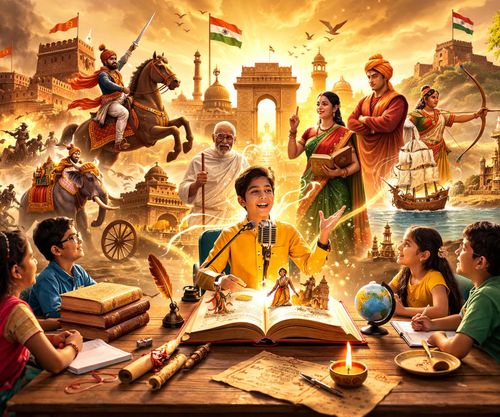

History becomes unforgettable when it is told as a story rather than memorised as facts. Through historical stories, children learn to see the past as a world filled with real people, emotions, and turning points. Writing a compelling historical story in English allows students to explore courage, conflict, and change while sharpening their imagination. It strengthens research skills, empathy, and structured thinking, helping young learners understand how storytelling and history work together.
At PlanetSpark, students do not just write stories. They learn how to research, structure, and present them confidently. Expert mentors guide children step by step, helping them transform ideas into polished narratives rooted in creativity and clarity. With personalised feedback and practical techniques, PlanetSpark ensures every child develops the confidence and skill to craft impactful historical stories.

The Importance of Writing Historical Fiction Today
Historical storytelling plays a vital role in connecting the present with the past, offering readers a deeper understanding of history through emotional depth, political tension, and cultural transformation. Here's why it matters:
- Emotional Depth: Historical stories in English give readers a chance to experience the personal struggles and triumphs of individuals throughout history.
- Political Tension: History and storytelling often intertwine, creating compelling narratives centered around revolutions, power struggles, and societal change.
- Cultural Transformation: Historical fiction brings to life cultural shifts, making history's evolution more accessible and relatable.
- Timeless Human Struggles: The human condition, love, loss, and survival, remains constant, making historical short stories in English and Indian historical stories in English relevant today.
From Wolf Hall to The Book Thief, historical fiction shows that the past never truly leaves us, connecting us to timeless struggles through the lens of storytelling. But how can you write powerful historical stories in English that resonate with readers today? Here are some key strategies for crafting compelling historical storytelling that brings the past to life.
How to Write Powerful Historical Stories in English?
Writing compelling historical stories requires a deep understanding of the past, rich character development, and immersive settings. By blending researched details with emotional depth, you can bring history to life in a way that resonates with modern readers. Here's how to craft a historical story in English that captivates:
- Research with Purpose:
- Immerse yourself in original documents, diaries, and newspapers to uncover authentic voices and experiences.
- Focus on the daily life of ordinary people to bring authenticity to the world you're creating.
- Know when to stop researching, begin writing once you have a strong sense of the setting and characters.
- Use visual aids like Pinterest boards or old photographs for inspiration and accuracy.
- Craft Compelling Characters and Plot:
- Center the story around how ordinary individuals experience historical events, not just famous figures.
- Ensure your characters face emotional challenges and growth, not just external conflicts.
- Find a unique perspective on well-known events to make your historical story stand out.
- Evocative Writing and Setting:
- Avoid modern viewpoints that may clash with the complexities of past social norms.
- Use sensory details, sights, sounds, smells to make the world come alive but avoid overwhelming descriptions.
- Craft natural dialogue that feels authentic for the period, without using overly archaic language.
- Be mindful of anachronisms and use beta readers to catch any mistakes.
Discover how historical storytelling shapes critical thinking and creativity for lifelong success. From research to imagination, young writers learn to bring the past alive with confidence. Start your child’s storytelling journey today.
- Structuring and Refining:
- Outline your story early to ensure historical accuracy and identify potential research gaps.
- Revise carefully to ensure that characters' actions and knowledge are true to the time period.
By blending well-researched history with emotional depth, you can create a compelling historical story in English that immerses readers in the past while keeping them emotionally invested. Once you understand the writing process, the next step is identifying what truly makes a story memorable.
What Makes a Good Historical Story?
A powerful narrative set in the past does more than describe events. It recreates emotions, struggles, and turning points that shaped real lives. Strong historical storytelling allows readers to experience another era while staying emotionally connected to the characters. To achieve this, writers must balance research, imagination, and structure carefully.
Authenticity Over Strict Accuracy:
While factual grounding is important, authenticity matters more than listing every historical detail. A well-written historical story in English captures the spirit of the era through believable dialogue, customs, and social norms rather than overwhelming readers with excessive information.
Immersive Setting:
A strong sense of place transports readers into another time. Many historical short stories in English succeed because they use sensory descriptions of marketplaces, homes, clothing, and traditions to create atmosphere without slowing down the narrative.

Compelling Characters:
Readers remember characters more than dates. The connection between history and storytelling becomes meaningful when protagonists reflect the fears, dreams, and moral conflicts of their historical period.
Balanced Narrative:
Avoid turning your story into a history lesson. Instead, weave facts naturally into the plot. Effective historical storytelling ensures that research supports the narrative instead of dominating it.
Internal Conflict:
External events such as wars or revolutions create tension, but internal conflict adds depth. When characters struggle emotionally within their historical context, the story becomes layered, relatable, and impactful.
While creativity drives imagination, credibility sustains reader interest. Understanding the balance between fact and fiction strengthens history and storytelling, ensuring that narratives remain both engaging and respectful. Here are some examples of famous Indian historical stories in English and foreign tales that can inspire your writing.
Examples of Famous Indian and International Historical Stories for Inspiration
Exploring powerful books helps students understand structure, characterisation, and authenticity. Many Indian historical stories and British classics are present to give you an idea and inspiration. These works reflect the historical background of storytelling while demonstrating how writers transform real events into compelling fiction.
“The Night Diary” by Veera Hiranandani
Set during the 1947 Partition of India, this moving historical story in English follows Nisha, a young girl forced to migrate across the new border. Through diary entries, readers experience fear, displacement, and identity struggles. It beautifully blends personal emotion with national upheaval.
“Chandra’s Secret” by Aabid Surti
This novel unfolds during India’s freedom movement under British rule. Young Chandra witnesses social unrest and a growing patriotic spirit. The narrative introduces students to colonial realities while keeping the emotional journey relatable, making it one of the engaging Indian historical stories in English for teenagers.
Turn classroom history into an engaging historical story. When children master history and storytelling together, learning becomes meaningful and memorable. Encourage your child to start writing with purpose now.
“Train to Pakistan” by Khushwant Singh
Set during the 1947 Partition of India, this powerful historical story in English unfolds in the fictional village of Mano Majra near the India–Pakistan border. Through characters like Juggut Singh and Iqbal, readers witness how communal tensions disrupt once-peaceful lives. The novel blends personal relationships with national tragedy, offering students a sensitive yet realistic portrayal of Partition and its human cost.
“War Horse” by Michael Morpurgo
Set during World War I, this novel follows Joey the horse as he moves through battlefields across Europe. Through his journey, students understand the emotional cost of war. It remains one of the most accessible historical short stories in English, studied globally.
“Goodnight, Mister Tom” by Michelle Magorian
Taking place during World War II, this novel tells the story of Willie, an evacuated child sent to the English countryside. It explores trauma, healing, and wartime Britain, showcasing how historical short stories in English connect personal growth with global conflict.
“A Tale of Two Cities” by Charles Dickens
Set during the French Revolution, this classic portrays social injustice, sacrifice, and political turmoil. Through characters like Sydney Carton, students witness how great historical storytellers transform revolutionary history into powerful emotional drama.
How PlanetSpark Helps You Master Historical Storytelling?
Historical storytelling requires more than imagination. It demands structure, research skills, expressive clarity, and confidence. Many students struggle to transform historical facts into engaging narratives because they lack proper guidance. That is where the right mentorship makes a difference.

When children understand story arcs, character development, and narrative flow, they can turn history and storytelling into a powerful creative combination. PlanetSpark’s creative writing programme is designed to help young learners move from basic writing to polished historical short stories in English with clarity and confidence.
- Genre-Based Curriculum: Dedicated lessons cover short stories, essays, journals, and more, helping students confidently craft an engaging historical story in English across formats.
- Framework-Driven Writing Instruction: Children learn structured methods like beginning-middle-end arcs, S.T.O.R.Y framework, 5W1H, and PEEL technique to organise ideas clearly and logically.
- Editing, Feedback, and Rewriting Focus: Real-time teacher feedback, peer reviews, and guided revisions help refine language, accuracy, and creativity in historical narratives.
- Real Publishing Opportunities: Young writers can publish their historical short stories in English on blogs, e-magazines, and anthologies, boosting confidence and pride.
- Creativity Stimulus Activities: Story prompts, image-based exercises, and guided imagination sessions encourage original thinking while staying rooted in historical contexts.
Conclusion
Historical storytelling allows students to connect imagination with real events, making the past meaningful and memorable. When writers balance research, creativity, and emotional depth, they transform a simple historical story into a powerful learning experience that strengthens critical thinking and empathy.
Give your child the skills to write impactful Indian historical stories in English. With personalised feedback and publishing opportunities, PlanetSpark makes storytelling structured and inspiring. Enrol for a free trial class today.
PlanetSpark empowers young writers with structured guidance, expert feedback, and creative frameworks that turn ideas into polished narratives. With the right mentorship, students can confidently master history and storytelling while building skills that last a lifetime.
Frequently Asked Questions
Historical fiction is a narrative set in the past that blends imagination with real events. A well-written historical story in English includes authentic settings, believable characters, and factual context while allowing creative interpretation to make the story engaging.
Start by exploring events that genuinely interest you. Understanding the historical background of storytelling from different eras can help you decide whether you want to write about wars, revolutions, social reform, or cultural change.
Yes, you can include real personalities, but portray them respectfully and accurately. Many great historical storytellers blend fictional characters with real leaders or reformers to create balance and authenticity.
Minor creative adjustments are acceptable, but major events should remain accurate. Strong history and storytelling depend on maintaining trust with readers while adding imaginative depth.
PlanetSpark teaches structure, research integration, and editing techniques that help students confidently craft historical short stories in English with clarity and creativity.
Yes, students can showcase their Indian historical stories in English and other creative pieces on blogs, e-magazines, and anthologies, building confidence and real-world writing experience.