
Mother’s Day Class 11 Questions and Answers | Full Summary


Table of Contents
- Mother’s Day Class 11 Summary
- Mother’s Day Class 11 – Characters and Plot
- Reading with Insight: Mother’s Day Class 11 Questions and An
- About the Author – J.B. Priestley
- Themes – Mother’s Day Class 11
- Analysis - Mother’s Day Class 11 Summary
- Moral of the Story – Mother’s Day Class 11 Summary
- Learn and Explore with PlanetSpark
- Conclusion - Mothers day Class 11 Summary
- FAQs - Mother's day Class 11 Summary
Mother’s Day is a thought-provoking play that highlights the everyday struggles of a mother and the importance of asserting oneself in a family. In this blog, we provide a detailed Mother’s Day Class 11 summary to help students understand the key events, characters, and themes of the play.
Alongside the summary, we also include a set of Mother’s Day Class 11 questions and answers to aid students in revising effectively and preparing for their exams. Whether you are looking to grasp the story quickly or practice important questions, this guide covers everything you need to excel in your Class 11 English studies.
Mother’s Day Class 11 Summary
Mother’s Day is a one-act play written by J.B. Priestley that humorously and realistically depicts a middle-class family while highlighting the daily struggles and efforts of a mother. This play is widely studied in Class 11 English for its relatable characters and engaging narrative.
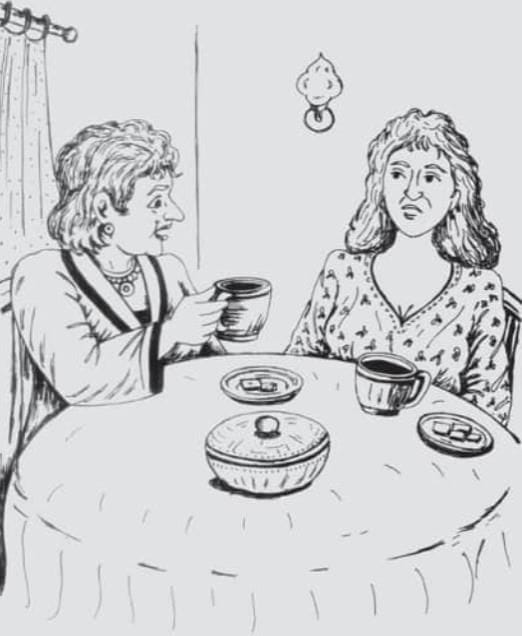
Setting and Introduction
The play is set in the Maitland family’s home, a typical middle-class household. Mrs. Maitland is busy managing household chores, while her family members her husband and grown-up children, remain largely unaware of her hard work. The opening scene establishes the central focus of the play: the overlooked contributions of a mother in family life.
See PlanetSpark in Action!
Book a demo and explore creative and engaging lessons.
Mrs. Maitland’s Daily Life
Mrs. Maitland represents the selfless and patient mother figure. She begins her day early, performing chores such as cooking, cleaning, and attending to the family’s needs. Despite her tireless efforts, her work often goes unnoticed.
She shows patience, dedication, and quiet strength.
Priestley uses her character to highlight the daily physical and emotional labor mothers undertake.
Her polite yet firm dialogue later in the play emphasizes the importance of recognition and respect.
Family Dynamics
The Maitland children are grown-ups but remain self-centered and preoccupied with their own interests. They:
Show little concern for their mother’s efforts.
Engage in casual, often thoughtless conversation that reveals their lack of awareness.
Represent a common scenario where a mother’s sacrifices are taken for granted.
Mr. Maitland, the father, is somewhat distracted and indifferent, focusing on his own thoughts and rarely noticing the mother’s contributions.
Turning Point
The play’s turning point comes when Mrs. Maitland addresses her family directly:
She calmly explains how her efforts have been overlooked.
She requests acknowledgment and gratitude in a composed manner.
This moment emphasizes the need for empathy and understanding within a family.
Climax and Ending
By the conclusion, the family starts to realize the value of Mrs. Maitland’s care and love:
The father and children begin to show attention and respect.
The play ends on a positive note, highlighting the importance of appreciation for mothers.
Priestley blends humor with a moral lesson, making the story engaging and easy to relate to.
Mother’s Day Class 11 – Characters and Plot
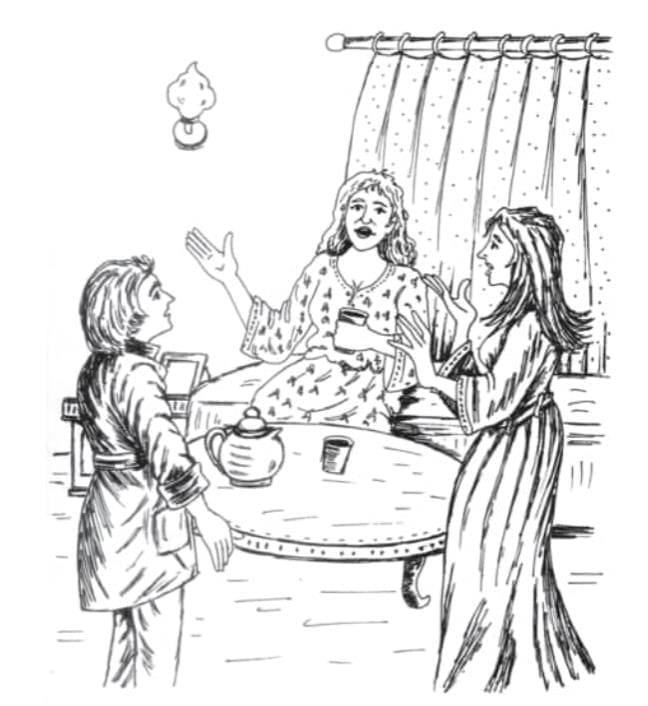
Characters of Mother’s Day
Mrs. Maitland
The central character, representing the selfless, hardworking mother.
She manages all household chores, cares for her family, and maintains patience despite being often overlooked.
Mrs. Maitland is polite yet assertive when addressing her family, showing her quiet strength.
Mr. Maitland
The father of the family, slightly detached and preoccupied with his own thoughts.
Though not intentionally neglectful, he rarely notices his wife’s efforts.
Represents a typical middle-class father who relies on his wife to manage the household.
Jim Maitland
The eldest son, representing the grown-up children who are self-centered and unaware of household responsibilities.
Often oblivious to his mother’s work, highlighting the common tendency of children to take mothers for granted.
Mary Maitland
The daughter of Mrs. Maitland, young and preoccupied with her own interests.
Like her brother, she initially shows little understanding of her mother’s sacrifices.
Norma
The younger daughter, who is slightly more attentive but still largely unaware of her mother’s continuous efforts.
She represents the gradual realization of children who begin to appreciate their mother’s role.
Plot of Mother’s Day
The play revolves around a typical day in the Maitland household, focusing on the unnoticed work and sacrifices of Mrs. Maitland.
Opening Scene
Mrs. Maitland is engaged in daily chores like cooking and cleaning while her family members remain absorbed in their own world.
The play opens with a light, humorous tone, highlighting ordinary family life.
Family Interactions
Mr. Maitland and the children talk casually, often making thoughtless comments about household matters.
Their lack of awareness emphasizes the central conflict: the underappreciation of mothers.
Mrs. Maitland Speaks Up
Tired of being taken for granted, Mrs. Maitland calmly addresses her family.
She explains the effort she puts into managing the household and caring for each member.
This moment acts as the turning point of the play, blending humor with a moral lesson.
Realization and Climax
The family starts to realize the importance of Mrs. Maitland’s work.
Mr. Maitland and the children begin showing respect, gratitude, and acknowledgment of her sacrifices.
Conclusion
The play ends on a positive, uplifting note, reinforcing the need to appreciate mothers.
Priestley uses humor and relatable characters to deliver a timeless lesson about family life and gratitude.

Reading with Insight: Mother’s Day Class 11 Questions and Answers
J.B. Priestley’s Mother’s Day is a humorous yet insightful play from the 1950s that highlights the role and status of the mother in a family. The play’s satirical tone raises important issues about family dynamics while keeping the audience engaged. Below are the main questions from the play along with detailed answers.
Q1: This play, written in the 1950s, is a humorous and satirical depiction of the status of the mother in the family.
(i) What are the issues it raises?
Answer:
The play addresses several key issues:
Lack of appreciation for mothers: Mrs. Maitland’s hard work and sacrifices are largely ignored by her family.
Self-centered family members: Children and the father often prioritize their own needs over the mother’s well-being.
Household neglect: The domestic responsibilities handled by the mother are taken for granted.
Emotional distance: The lack of acknowledgment leads to emotional disconnect within the family.
Social satire: Priestley humorously critiques middle-class family life in the 1950s, exposing behaviors that are still relevant today.
(ii) Do you think it caricatures these issues or are the problems genuine? How does the play resolve the issues? Do you agree with the resolution?
Answer:
The play exaggerates some aspects for humor, but the underlying problems are genuine. The family’s behavior mirrors real-life issues faced by many households. The resolution occurs when the family finally acknowledges and appreciates Mrs. Maitland’s contributions, promoting reflection and gratitude. The resolution is effective and realistic, as it encourages audiences to value and respect mothers.
Q2: If you were to write about these issues today, what incidents, examples, and problems would you think of as relevant?
Answer:
Modern examples could include:
Mothers managing remote work while handling household chores.
Teenagers focused on social media, neglecting family interactions.
Fathers assuming household tasks are automatically managed.
Children struggling with online classes or extracurricular pressures, which increases the mother’s workload.
Balancing emotional support for family members along with personal responsibilities.
Q3: Is drama a good medium for conveying a social message? Discuss.
Answer:
Yes, drama is a powerful medium:
It combines entertainment with education, making social messages more relatable.
Characters’ actions and emotions allow audiences to empathize and reflect on similar real-life situations.
Humor, dialogue, and live performance make the message memorable and impactful.
Q4: Read the play out in parts. Enact the play on a suitable occasion.
Answer:
Enacting the play helps students:
Understand character motivations and emotions.
Appreciate satire and humor more vividly.
Internalize the social message by actively participating in the story.
Q5: Discuss in groups plays or films with a strong message of social reform that you have watched.
Answer:
Group discussions allow students to:
Share multiple perspectives on social issues.
Compare themes and messages across different plays or films.
Connect literary themes to contemporary real-life situations, enhancing critical thinking and empathy.
About the Author – J.B. Priestley

J.B. Priestley (1894–1984) was a renowned English playwright, novelist, and broadcaster, born in Bradford, England. He is known for blending humor with social commentary, often exploring family life, human behavior, and societal issues in his works. Mother’s Day is a fine example of how Priestley highlights everyday family problems with wit and insight, making it a popular choice for students studying Mother’s Day Class 11 questions and answers.
Try a Class Before You Enroll
Book your free demo and witness our teaching in action
Themes – Mother’s Day Class 11
Mother’s Day by J.B. Priestley explores several key themes, making it relevant for students studying Mother’s Day Class 11 questions and answers.
The play humorously portrays the everyday struggles of mothers in a traditional family, highlighting how their hard work and sacrifices often go unnoticed. It also examines family dynamics, including misunderstandings, selfishness, and the tendency of family members to take each other for granted. Through satire, Priestley emphasizes the importance of appreciation, respect, and understanding within the family.
Additionally, the play touches on gender roles and societal expectations, questioning the undervaluation of domestic labor and encouraging audiences to reflect on their attitudes toward mothers and family life.
Analysis - Mother’s Day Class 11 Summary
Satire and Social Commentary: The play uses humor and satire to highlight how families often overlook the mother’s role. Priestley critiques the undervaluation of domestic work and the lack of appreciation for mothers in everyday life.
Character Representation: Each character represents different societal attitudes. The mother embodies selflessness and care, while the children and other family members often focus on their own needs. This contrast makes the social critique more relatable and impactful.
Humor with a Purpose: Priestley blends situational comedy with serious themes. The humor keeps the audience engaged while subtly conveying the message about family responsibilities and respect for mothers.
Resolution and Moral Reflection: By the end, the family recognizes the mother’s importance. The play emphasizes empathy, appreciation, and respect for the mother, encouraging audiences to reflect on their own familial relationships.
Relevance for Students: Understanding the play’s analysis helps students answer Mother’s Day Class 11 questions and answers more effectively. Focusing on social commentary, character portrayal, and use of humor strengthens comprehension and exam readiness.
Moral of the Story – Mother’s Day Class 11 Summary
✔️ Respect and Appreciate Mothers
The play reminds readers that mothers often work tirelessly without recognition. Showing gratitude and respect for their efforts is essential for a healthy family life.
✔️ Importance of Empathy
Understanding the challenges and sacrifices of a mother encourages empathy. It teaches students to consider others’ perspectives and value the contributions of family members.
✔️ Family Harmony through Recognition
Acknowledging and celebrating the mother’s role strengthens family bonds. The play demonstrates that appreciation and communication can resolve conflicts and create harmony.
Key Takeaways for Students
Mothers’ contributions are invaluable and deserve recognition.
Humor can be an effective tool to convey serious social messages.
Observing family dynamics critically helps in answering Mother’s Day Class 11 questions and answers.
The play encourages reflection on personal relationships and responsibilities within the family.

Learn and Explore with PlanetSpark
At PlanetSpark, we believe that understanding stories like Mother’s Day goes beyond reading, it’s about thinking, discussing, and expressing ideas confidently. Our creative writing and English programs help students:
Develop Critical Thinking: Analyze characters, plots, and social messages effectively.
Enhance Comprehension Skills: Understand complex texts and answer questions like Mother’s Day Class 11 questions and answers with ease.
Boost Communication: Share insights clearly through speech, writing, and group discussions.
Engage Creatively: Participate in fun activities like enactments, role-plays, and story-based exercises to bring lessons to life.
With personalized guidance and interactive sessions, PlanetSpark helps students connect literature to real-life experiences while building confidence in reading, writing, and speaking English.
Conclusion - Mothers day Class 11 Summary
Mother’s Day by J.B. Priestley is a humorous yet thought-provoking play that explores the challenges and significance of the mother’s role in a family. Through satire and engaging dialogue, it encourages students to reflect on family dynamics and social expectations. Understanding this play helps learners develop critical thinking, comprehension, and analytical skills. By practicing Mother’s Day Class 11 questions and answers, students can confidently prepare for exams while connecting the lessons of the play to real-life situations.
PlanetSpark’s programs further support this learning by providing interactive sessions, guided discussions, and activities that make literature both enjoyable and educational.
FAQs - Mother's day Class 11 Summary
1. What is Mother’s Day about?
Mother’s Day is a satirical play by J.B. Priestley that humorously depicts the status and struggles of a mother within the family.
2. Who wrote Mother’s Day?
The play was written by the famous English author J.B. Priestley in the 1950s.
3. How can students prepare for exams on this play?
Students can practice Mother’s Day Class 11 questions and answers, summarize the plot, understand characters, and engage in discussions or enactments.
4. Why is this play important for Class 11 students?
It helps students understand social issues, family dynamics, and satire, improving their literary analysis and comprehension skills.
5. How does PlanetSpark help students with literature?
PlanetSpark provides interactive sessions, creative exercises, and guided learning to make understanding texts like Mother’s Day easier and more engaging.
Frequently Asked Questions
Mother’s Day is a satirical play by J.B. Priestley that humorously depicts the status and struggles of a mother within the family.
The play was written by the famous English author J.B. Priestley in the 1950s.
Students can practice Mother’s Day Class 11 questions and answers, summarize the plot, understand characters, and engage in discussions or enactments.
It helps students understand social issues, family dynamics, and satire, improving their literary analysis and comprehension skills.
PlanetSpark provides interactive sessions, creative exercises, and guided learning to make understanding texts like Mother’s Day easier and more engaging.