
Top Objectives of Storytelling for Students - Benefits & Skills Explained
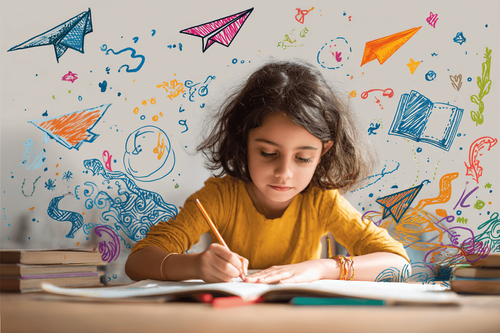

Storytelling is more than just sharing a tale. It is a powerful way to learn, imagine, think, and express ideas. The objectives of storytelling help students understand the world in a better and more meaningful way. When students tell or listen to stories, they learn how to express feelings, speak confidently, and think creatively. Storytelling keeps the mind active, curious, and ready to explore new ideas.
This blog explains all the objectives of storytelling in a simple and detailed way so every student from 2nd to 12th grade can understand how storytelling shapes their growth. You will learn how stories build communication skills, imagination, emotional strength, academic learning, cultural understanding, and personal confidence.
Why Storytelling Matters for Students Today
Storytelling has always been a part of human life. Long before books or technology, people learned through stories. For students today, storytelling is not only a fun activity but also a powerful learning tool that improves thinking, speaking, and understanding. The objectives of storytelling help students become better thinkers, problem solvers, and communicators.
When students listen to stories, they imagine characters, settings, and situations. When they narrate stories, they learn to organize thoughts and express them clearly. Together, these help improve both learning and personality.
Storytelling also reduces stress because it feels natural and enjoyable. Students get a break from pressure while still learning powerful skills. It creates a connection between emotions and learning, making ideas easy to remember. By exploring characters and their situations, students slowly learn about empathy, values, choices, and consequences.
For older students, storytelling helps sharpen thinking, presentation skills, and confidence in expressing opinions. It also helps them connect their personal experiences with real-world situations.
Objective 1 – Building Strong Communication Skills
Storytelling teaches students how to express their thoughts clearly. Communication is one of the most important skills for success in school and life. When students narrate a story, they learn how to speak with proper flow, choose the right words, and structure ideas in a meaningful way. This helps them express themselves better in daily conversations, presentations, and discussions.
Listening to stories also improves communication. Students learn how to understand tone, emotions, voice changes, and expressions. Communication is not only about speaking but also understanding what others say. Storytelling builds both skills equally.
Strong communication also boosts confidence. When students speak in front of others through storytelling, they feel more comfortable sharing ideas. This reduces hesitation and fear. Over time, they become more expressive and bold in using their voice.
Storytelling naturally improves vocabulary too. Students get exposed to new words without pressure. They hear interesting dialogues, expressive phrases, and descriptive sentences. This slowly makes their language stronger and smoother.
Below are the deeper objectives under communication:
Helps Students Speak Clearly and Confidently
One of the main objectives of storytelling is to help students speak clearly. When a student narrates a story, they learn how to pronounce words correctly, maintain a proper flow, and present ideas with confidence. Speaking becomes easier because storytelling reduces fear. Storytelling also teaches students to use tone, speed, and volume in the right way. These skills are important for expressing emotions, grabbing attention, and keeping listeners engaged. As students practice storytelling, their stage fear slowly goes away.
Improves Listening Skills
Storytelling is not only about talking. Listening plays a huge role. One of the key objectives of storytelling is to make students better listeners. When students listen to stories, they focus on details, voice changes, and characters. This naturally sharpens their attention. They learn how to understand the meaning behind words. Listening to stories also helps students become patient and thoughtful. Over time, they learn how to respond in a better way because they listen carefully before speaking.
Strengthens Vocabulary and Language
Through storytelling, students hear many new words, phrases, and sentence structures. This improves their vocabulary in a natural and fun way. They learn how to use better words in conversations and writing. This is one of the key objectives of storytelling for students. It also helps with grammar because students understand how sentences are formed. Stories expose students to new expressions that improve both speaking and writing. The learning happens smoothly without any pressure.
Objective 2 – Enhancing Creativity and Imagination
Creativity is one of the strongest gifts storytelling gives students. When a student listens to or creates a story, their mind opens to new ideas. Storytelling allows them to imagine worlds, characters, emotions, and situations that do not exist in real life. This builds strong creative thinking.
Imagination helps students in academics too. When they imagine situations, they understand concepts faster. Creativity also makes students better thinkers because they learn how to look at problems from different angles. The objectives of storytelling include helping students think beyond limits and explore fresh ideas.
Stories allow students to dream without boundaries. They can create their own superheroes, magical lands, or realistic events. This teaches them that ideas have no limits. Such creativity also helps in drawing, writing, drama, debates, and real-life situations.
Here are the creative objectives of storytelling:
Encourages Original Thinking
One of the major objectives of storytelling is to encourage original thinking. When students imagine a story, they create unique characters, settings, and situations. This helps them think differently from others. Original thinking makes students confident in sharing their own ideas. It also helps them become independent thinkers instead of copying others. Over time, they learn to trust their creativity.
Helps in Visual Thinking
Visual thinking means forming pictures in the mind. Stories help students picture scenes without needing a real image. When students imagine forests, oceans, cities, or magical lands, their visual thinking grows. This kind of imagination makes learning stronger. It also improves memory because students remember pictures better than text. One of the key objectives of storytelling is to encourage students to visualize details and create meaningful mental images.
Develops Creative Problem Solving
Stories usually involve challenges. Students learn how characters solve problems. This helps them think about different solutions. Creative problem solving is an important life skill. As students explore story situations, they understand how one problem can have many solutions. This ability helps in science, maths, real-life decisions, and future careers. Creative problem solving is a major part of the objectives of storytelling.
“A great story begins with a brave first step.”
Start your storytelling journey with PlanetSpark and explore the magic of words.
Objective 3 – Boosting Emotional Development
Storytelling does not only build thinking skills. It also supports emotional growth. Stories help students understand feelings better. When they connect with characters, they learn about joy, sadness, fear, courage, kindness, and many other emotions. These emotional experiences help students understand their own feelings too. The objectives of storytelling include making students emotionally strong and empathetic.
When students express stories, they are also expressing emotions. This helps them release stress. It becomes easier for them to talk about feelings indirectly through characters. Storytelling helps students understand that emotions are natural and manageable.
Stories also teach students how to handle difficult situations. When they see how characters overcome problems, they learn resilience. Emotional development helps students become kinder, calmer, and more understanding.
Here are the emotional development objectives:
Builds Empathy and Understanding
Empathy means understanding how others feel. Stories introduce students to many characters with different emotions. They learn how it feels to be happy, sad, scared, or excited. This makes them kinder and more understanding in real life. One of the powerful objectives of storytelling is teaching students empathy. It helps them respect different viewpoints and emotions.
Helps Students Express Emotions Safely
Many students struggle to express feelings. Storytelling gives them a safe space to talk about emotions through characters. They can share fears or hopes without saying “I feel this.” This helps students open up slowly. One objective of storytelling is helping students manage emotions in a healthy and calm way.
Improves Confidence and Self-Esteem
When students tell stories, they feel proud of their creativity. This builds strong confidence. Every story narrated makes them believe in themselves more. They feel brave speaking in front of others. Storytelling also helps shy students come out of their shell. This is one of the important objectives of storytelling for young learners.
Objective 4 – Supporting Academic Learning
Storytelling makes learning easy and fun. Students often find it difficult to remember complex concepts. But stories make information interesting and simple. When students learn through stories, they remember ideas for a long time.
Storytelling connects academic subjects with imagination. For example, history becomes more interesting when explained through a story. Science feels easier when turned into a story about discovery. Moral values become clearer when explained through characters. The objectives of storytelling include helping students learn better in all subjects.
Stories also build thinking skills required for academics like reasoning, analysis, and memory. They help students understand cause and effect, patterns, and logical sequences. These are important for exams and problem solving.
Here are the academic learning objectives:
Makes Difficult Concepts Easy to Understand
One of the major objectives of storytelling is simplifying complex ideas. When teachers or parents explain a topic through a story, it becomes interesting and easy to follow. Students remember concepts longer because they connect them with characters and situations.
Enhances Memory and Retention
Students remember stories better than plain facts. This makes learning stronger and more enjoyable. Storytelling helps the brain store information for a longer time. This is why students who learn through stories perform better academically.
Boosts Critical and Analytical Thinking
Stories make students think deeply about situations. They analyze characters’ actions and predict outcomes. This builds critical thinking. Analytical thinking is also improved when students understand why something happened in the story. These skills support academic success through logical thinking.
Objective 5 – Strengthening Social Skills
Storytelling improves how students interact with others. When students share stories, they learn how to communicate respectfully, listen actively, and express ideas confidently. Together, these shape strong social skills that help them in conversations, teamwork, and group activities.
Here are the social skill objectives:
Encourages Healthy Discussions
Stories make students talk, discuss, and share opinions. These discussions help them communicate in a healthy and respectful way. It teaches them to listen to different viewpoints. This is one of the social objectives of storytelling.
Promotes Teamwork
Group storytelling builds teamwork. Students learn how to work together, give ideas, and respect others' contributions. Teamwork becomes easier when they build stories as a group.
Builds Leadership Qualities
Students who narrate stories often develop leadership. They learn how to guide a group, communicate clearly, and handle responsibility. Storytelling strengthens leadership skills in a natural way.
“Every storyteller was once unsure, until they tried.”
Discover your storytelling voice with PlanetSpark and grow with every story you share.
Objective 6 – Building Moral and Value-Based Understanding
Stories have always been one of the best ways to teach values. Students may forget lectures, but they remember stories for years. This is why storytelling is a powerful tool for teaching kindness, honesty, cooperation, courage, and responsibility. The objectives of storytelling include shaping a strong moral foundation in students.
Stories help students see the difference between right and wrong through characters. When they see the consequences of actions in a story, the lesson becomes clear. It does not feel like a rule. It feels like wisdom.
Stories also help students understand real-life situations. Whether it’s helping someone, telling the truth, or making a brave choice, stories help students learn values naturally.
Below are the value-based objectives in detail:
Teaches Values in a Simple and Clear Way
One of the most important objectives of storytelling is value education. Stories show students how honesty brings trust, how kindness brings happiness, and how courage leads to growth. These lessons stay longer because they are stitched into emotional moments, not just words. Values learned through storytelling become lifelong habits.
Helps Students Understand Consequences
Stories clearly show what happens when characters make good or bad choices. Students learn that actions have consequences. They understand how decisions shape results. This helps them make better choices in real life. Storytelling makes moral lessons easy to understand and remember.
Encourages Positive Behavior
When students relate to characters who show bravery, respect, and compassion, they feel inspired to follow them. Storytelling motivates students to behave in a positive way. They feel connected to good qualities and try to apply them in school, home, and friendships.
Objective 7 – Boosting Confidence and Self-Expression
Confidence plays a major role in a student's growth. Storytelling strengthens confidence by helping students speak up without fear. When students narrate stories, they use their own creativity and voice. This helps them feel proud of their ability to express thoughts.
Storytelling also encourages students to express their feelings. Whether it’s excitement, fear, joy, or curiosity - storytelling gives them a safe place to share themselves.
Students who feel confident become good leaders, good thinkers, and strong decision-makers. The objectives of storytelling include building courage, clarity, and strong self-belief.
Removes Hesitation and Stage Fear
One of the common challenges students face is stage fear. Storytelling slowly breaks this fear. Students start with small narrations and become comfortable speaking in front of others. They learn to manage nervousness and replace it with excitement. This confidence helps them in school presentations and real-life situations.
Encourages Free Expression
Storytelling gives students the freedom to express their thoughts without judgment. They can use their imagination, voice, emotions, and ideas openly. This helps them become better communicators and expressive individuals. Free expression is one of the main objectives of storytelling.
Builds a Strong Personal Voice
As students tell stories, they learn they have a unique way of expressing themselves. Their personal voice becomes clearer. They understand that every idea matters. This builds strong self-esteem and courage.
Objective 8 – Developing Better Thinking Skills
Thinking skills grow naturally through storytelling. Students learn how to connect ideas, understand patterns, guess outcomes, and solve problems. The objectives of storytelling include improving logical thinking, imagination, prediction, sequencing, and decision-making.
Stories require students to understand what happened first, what happened next, and why it happened. This improves sequencing. They also learn to guess what might happen next, which improves prediction skills.
Thinking skills developed through storytelling support academics, social life, and personal growth.
Improves Logical Thinking
Stories help students understand cause-and-effect relationships. They learn why something happened and what it led to. This sharpens logical thinking. Logical thinking is important in maths, science, reading, and real-life decisions.
Enhances Imaginative Thinking
While logical thinking makes students smart, imagination makes them creative. Stories allow both to grow together. Students imagine characters, events, and worlds while keeping the story meaningful. This boosts creative intelligence.
Strengthens Decision-Making Abilities
Characters in stories constantly make choices. Students observe these choices and their outcomes. This helps them think about making smart decisions in their own life. Decision-making is a major part of the objectives of storytelling.
Objective 9 – Encouraging Cultural Understanding
Stories from different cultures help students understand diversity. They learn how traditions, beliefs, and practices vary across the world. This builds respect for all cultures and teaches students to appreciate differences.
The objectives of storytelling include shaping global thinking. Students become open-minded and aware of the world.
“Your imagination is powerful. Use it well.”
Join PlanetSpark and turn your ideas into beautiful stories.
Helps Students Learn About Different Traditions
Stories make it easy to understand festivals, food, customs, and lifestyles across cultures. Students learn in a simple and enjoyable way. This increases knowledge and curiosity about the world.
Builds Respect for Diversity
When students hear stories from different cultures, they see that people may be different but share similar emotions and dreams. This creates respect. Diversity feels beautiful instead of strange.
Makes Students More Open-Minded
Listening to stories from many cultures helps students develop a global mindset. They become more accepting, calm, and friendly toward others. This is an important part of the objectives of storytelling.
Objective 10 – Making Learning Enjoyable and Stress-Free
Students learn best when they enjoy learning. Storytelling turns learning into a fun and relaxing experience. Instead of pressure, students feel joy and excitement.
Stories break the heaviness of study. They allow students to learn through imagination rather than memorization. The objectives of storytelling include reducing stress and making learning enjoyable.
Reduces Academic Pressure
Storytelling gives students a break from strict study patterns. It brings fun into learning. This helps reduce stress and anxiety. Students feel refreshed and ready to learn more.
Makes Learning Interesting
Students enjoy stories. When learning is connected to stories, they understand things faster. They also feel more motivated. This keeps them engaged in studies.
Creates a Positive Learning Environment
Stories bring happiness, comfort, and curiosity. Students feel safe and relaxed during storytelling. This makes them more open to learning new things.
PlanetSpark - The Best Place for Storytelling Skill Development
PlanetSpark helps young learners become confident storytellers. It focuses on improving creativity, imagination, communication, and thinking skills. Students learn how to express ideas clearly, build strong storytelling structure, and create original stories that reflect their personality.
PlanetSpark makes storytelling enjoyable through activities, practice, and expert-guided storytelling techniques. Students become confident, expressive, and creative thinkers. The objectives of storytelling are transformed into real-life skills that help students shine in academics, communication, and personality development.
PlanetSpark also builds confidence by helping students use their voice effectively. Students learn how to share ideas naturally without fear. They develop a strong personal style and storytelling identity. This boosts leadership, expression, and creativity.
If a student wants to improve communication, imagination, emotional intelligence, or presentation skills - PlanetSpark storytelling programs are the perfect place to begin.
Why Storytelling Is a Powerful Tool for Students
Storytelling is a beautiful way for students to learn, imagine, think, and express themselves. The objectives of storytelling go beyond entertainment. They help students speak confidently, listen actively, understand emotions, think creatively, learn values, and connect with the world.
From improving communication skills to strengthening moral understanding, storytelling shapes a student’s personality in every way. It builds confidence, reduces stress, and makes learning enjoyable. Whether a student is in early school years or growing into higher grades, storytelling supports growth at every stage.
Every story a student tells is a step toward becoming a better thinker, communicator, and human being.
“A story becomes unforgettable when you learn how to tell it right.”
Build strong storytelling skills with PlanetSpark’s expert guidance.
Frequently Asked Questions
The main objectives include improving communication, building imagination, strengthening values, boosting confidence, and supporting academic learning.
It helps students understand patterns, predict outcomes, connect ideas, and think logically and creatively.
Students learn how to handle emotions by relating to characters. It helps them become empathetic and emotionally strong.
Yes. Stories make complex topics easy to understand and improve memory, concentration, and comprehension.
By narrating stories, students learn to express themselves without fear. This develops strong self-esteem and clear communication.