
How to Build a Plot in a Story Step by Step


Every story your child reads or writes follows a path, a journey that starts somewhere, moves through exciting twists, and ends with a meaningful finish. This journey is called the plot in a story, and it works like a roadmap that keeps the reader curious and connected.
When kids understand how plots work, they don’t just write better stories; they think more clearly, organize ideas better, and learn to express emotions with confidence. Whether it’s a fairy tale, a school assignment, or a competition story, everything becomes easier when the plot is strong and structured.
Learning how to build a plot also helps children grow their imagination. It teaches them to ask questions like:
What happens next?
Why does this character face this problem?
How will this conflict end?
Once they understand this framework, they can create stories that feel complete, engaging, and memorable.
What Is a Story Plot?
A plot in a story is the sequence of events that connects the beginning to the end. It is the heart of storytelling, a series of actions, decisions, and conflicts that move the characters forward.
To explain it simply to kids:
A plot is what happens and why it happens in a story.
For example:
A character wants something
A problem stops them
They take action
The story reaches a peak moment
The problem gets solved
Without a plot, a story becomes flat, just random events without direction. With a plot, even a simple idea becomes exciting, meaningful, and full of life.
A good plot always includes:
A clear beginning
A conflict or challenge
Rising tension
A climax where everything changes
An ending that feels satisfying
This structure helps children write stories that flow smoothly and keep the reader hooked until the final line.
Step-by-Step Process of Building a Plot
If your child wants to build a strong plot but doesn’t know where to start, breaking it into simple steps makes the process much easier. Here is a step-by-step guide to help kids create a plot that is engaging, logical, and fun to write.
Step 1: Start with a Simple Idea
Every story begins with one idea.
It doesn’t have to be big, just clear.
For example:
A girl finds a magical pen.
A boy loses his memory.
A dog wants to become a hero.
This idea becomes the base of the entire plot.
Step 2: Create a Problem or Conflict
A story without a problem feels dull.
Conflict brings life to the plot.
Examples:
The magical pen starts drawing things by itself.
The boy must solve clues to get his memory back.
The dog must save his town from danger.
Conflict gives the character a reason to take action.
Step 3: Build Rising Action
This is where the excitement begins.
Kids can add:
Clues
Challenges
Friends or helpers
Difficult choices
Rising action increases curiosity and makes the reader ask, “What will happen next?”
Step 4: Reach the Climax
The climax is the most intense moment, the turning point.
Examples:
The pen draws a monster that becomes real.
The boy discovers who erased his memory.
The dog faces the villain alone.
Everything changes at this point.
Step 5: End with a Resolution
A strong ending answers all questions.
Kids should ask:
How is the problem solved?
What does the character learn?
How does the world change?
A good resolution leaves readers satisfied and inspired.
Your child’s stories can become more powerful, structured, and creative with expert guidance.
book a free demo class now to help your child master story plots before the next batch closes!
How to Write a Plot
Once children understand the steps, they must learn how to combine them smoothly. Writing a plot in a story is not just about events; it’s about clarity, rhythm, and emotion.
Here are simple techniques that help kids write stronger plots:
1. Use the “What, Why, How” Method
Every plot becomes clearer when kids answer:
What does the character want?
Why can’t they get it easily?
How do they overcome challenges?
This method makes stories logical and easy to follow.
2. Build Tension Gradually
Instead of jumping straight to the climax, help kids add:
Mini-problems
Surprises
Emotional moments
This keeps readers engaged from start to finish.
3. Focus on Cause and Effect
Every action leads to another.
Example:
The girl uses the pen → It backfires → She must find a way to control it.
Cause and effect make the plot feel connected and meaningful.
4. Add Character Motivation
A character shouldn’t act randomly.
Readers must know what drives them.
Motivations like:
Curiosity
Fear
Friendship
Dreams
…make the plot emotional and relatable.
5. Keep the Ending Purposeful
A strong ending:
Solves the conflict
Shows growth
Leaves a message
Kids learn to end stories with impact instead of stopping suddenly.
Story Plot Examples
To truly understand how a story's plot works, nothing helps more than looking at real examples. These examples show how authors use conflict, rising tension, and resolution to form a meaningful narrative. When students see these patterns, they understand that great storytelling is not random; it’s structured.
Example 1: The Adventure Plot
An adventure plot is exciting, fast-paced, and full of discovery. Kids love it because the main character steps out of their comfort zone and enters a world full of challenges.
Example:
Riya, a curious 12-year-old, finds a mysterious map in her grandfather’s trunk. The map leads her into a forest where she must decode symbols, escape traps, and uncover a hidden truth about her family. The conflict arises when someone else wants the treasure. The tension builds as she races against time. Finally, she cracks the last clue, revealing her grandfather’s long-lost invention.
This plot teaches:
Courage
Curiosity
Problem-solving
The importance of making smart choices
Such examples make children realise that a structured story plot keeps the narrative engaging from start to finish.
Example 2: The Friendship Plot
Another popular plot type for kids is the friendship plot. It focuses on emotions, conflict, and resolution in relationships.
Example:
Aarav and Vansh are best friends, until a misunderstanding ruins everything. Aarav accidentally breaks Vansh’s science project, but is too scared to admit it. The conflict centers around guilt and hurt feelings. The climax occurs during a school event when Aarav finally confesses. The resolution shows reconciliation and emotional maturity.
Students learn how to:
Build empathy
Show emotions through characters
Create meaningful resolutions
Your child can master storytelling with confidence!
Example 3: The Mystery Plot
Mysteries are a fantastic way to help students develop logical thinking. This type of story plot keeps readers guessing.
Example:
Nisha notices that classroom items keep disappearing. Her best friend thinks it’s a ghost, but Nisha investigates. She follows clues, finds patterns, interviews classmates, and eventually uncovers that a stray cat sneaks in through the window every night. The conflict lies in confusion and fear. The resolution teaches observational thinking.
This helps students:
Think critically
Build suspense
Use clues and foreshadowing
The Importance of a Well-Structured Plot
A well-structured story plot is more than a sequence of events; it’s the backbone of every strong story. Whether a student is writing fiction, speeches, school assignments, or creative tasks, a clear plot keeps the reader engaged and connected.
Plot Gives the Story Direction
Without direction, a story becomes messy and aimless. A defined plot ensures the story moves from one meaningful moment to another.
A strong plot helps students:
Stay focused
Avoid unnecessary details
Build momentum
Create emotional impact
When children learn to structure a plot, their writing automatically becomes sharper and more interesting.
Plot Helps Build Strong Characters
Characters don’t grow randomly; they grow because the plot pushes them.
For example:
Conflict makes them stronger
Choices reveal their personality
Challenges show their values
Resolutions highlight their transformation
This helps students understand the dynamic relationship between characters and events.
Strong stories start with strong skills. Your child shouldn’t wait.
Plot Keeps the Reader Engaged
A compelling plot pulls readers in and encourages them to continue reading until the end. For students, this is vital because:
Teachers appreciate well-structured writing
Classmates enjoy reading their stories
Competitions reward clarity and creativity
A gripping plot is often the difference between an “okay story” and an “award-winning story.
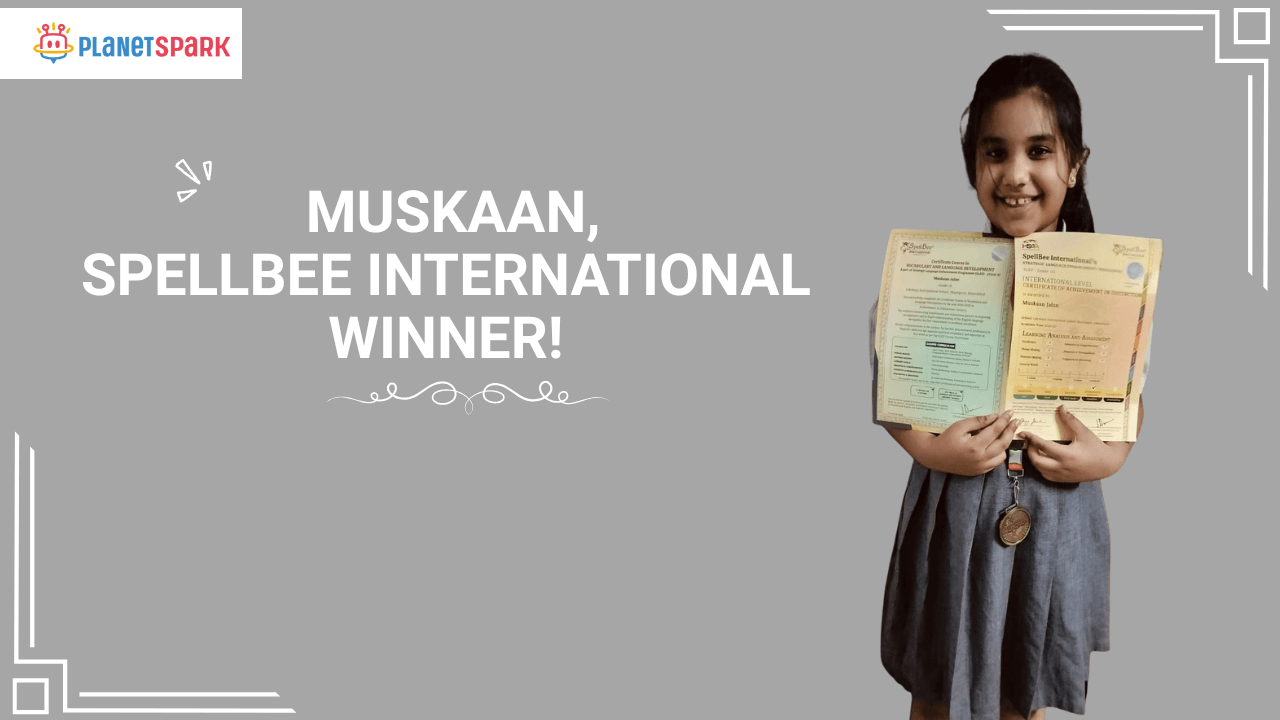
We are beyond proud of Muskaan from PlanetSpark, who showcased her spelling brilliance at the SpellBee International Programme!”
This line works beautifully as a spotlight.
Here’s a slightly polished, storytelling-style version you can optionally use:
“We are incredibly proud of Muskaan, a shining PlanetSpark learner, who displayed exceptional spelling mastery at the SpellBee International Programme. Her discipline, confidence, and love for learning are an inspiration to hundreds of young learners across PlanetSpark.
Last few seats left for our Storytelling Masterclass.
Enroll now and turn your child into a captivating storyteller!
Why a Good Story Plot Matters for Students
Students who understand plots become better thinkers, speakers, and writers. Storytelling isn’t just about entertainment; it builds life skills.
1. Enhances Creativity and Imagination
When children are taught to structure stories, their creativity becomes organized. Instead of random thoughts, they learn to channel ideas into a meaningful flow.
Benefits:
Richer imagination
Better descriptive ability
Stronger original ideas
2. Boosts Academic Writing Skills
A well-structured story plot helps students in several academic areas:
English literature
Creative writing
Speech writing
Essay structuring
Debate and public speaking
Plot building teaches them how to plan and organize information, skills required across all subjects.
3. Improves Communication Skills
Students who can narrate stories well also communicate better in:
Classroom discussions
Group projects
Presentations
Interviews
Social conversations
A strong storyteller becomes a confident communicator.
Why Choose PlanetSpark for Storytelling?
PlanetSpark doesn’t just teach storytelling; it transforms children into confident narrators who understand structure, emotion, delivery, and creativity.
1:1 Interactive Coaching with Experts:
Each learner receives personalized coaching from certified communication trainers who focus on articulation, listening, tone modulation, and audience connection.Comprehensive Skill Framework:
Covers verbal, non-verbal, and interpersonal communication, including clarity of speech, active listening, empathy, and body language refinement.Practical, Real-Life Simulations:
Learners practice through role plays, group discussions, mock interviews, storytelling, and debate sessions that simulate real-world speaking scenarios.Voice Modulation and Expressive Delivery:
Students master pitch, pace, tone, and expression, the building blocks of powerful and engaging communication.Confidence and Personality Integration:
The course focuses on confidence-building, emotional intelligence, and self-presentation, ensuring children express themselves authentically and assertively.
Your child deserves to shine on stage and in life.
Every Great Story Starts With One Spark: Let Your Child Be Next.
A strong story plot is more than a writing skill; it’s the foundation of powerful communication, creativity, and confidence. When children learn how to structure their ideas into beginning–middle–end, they not only tell better stories but also think more clearly, speak more confidently, and express themselves with maturity. The journey from a simple idea to a well-built plot teaches discipline, imagination, and emotional intelligence, skills that help a child shine in school, competitions, and beyond.
At PlanetSpark, storytelling is not taught as a subject; it is nurtured as a life skill. Through guided activities, interactive sessions, and personalized feedback, children learn to build characters, create conflicts, imagine worlds, and deliver narratives with flair. And when they receive appreciation for their stories, presentations, and competitions, their confidence transforms completely.
Your child’s voice matters. Their imagination matters. Their stories matter.
All they need is the right platform to bring their creativity to life.
Frequently Asked Questions
A story plot is the main sequence of events in a story, how a character begins their journey, faces challenges, grows from them, and reaches a resolution. It’s the structure that makes a story meaningful and engaging.
Understanding the plot helps students organize their thoughts, write clearly, build logical flow, and create stories that captivate readers. It also improves academic writing, communication, and creative thinking.
Every strong plot includes:
- Exposition (introduction)
- Rising action (build-up)
- Climax (big moment)
- Falling action (after-effects)
- Resolution (ending)
Children can improve by reading good stories, breaking down the plot, practicing with prompts, rewriting stories, and receiving feedback from trained mentors, like those at PlanetSpark.
Yes! PlanetSpark teaches storytelling from scratch. Kids start with simple plot-building exercises and gradually move to advanced storytelling structures through fun, interactive activities and 1:1 guidance.