
The Ghat of the Only World: Summary, Themes, and Q&A


The Ghat of the Only World by Amitav Ghosh is a moving tribute to the Kashmiri poet Agha Shahid Ali, capturing his warmth, humor, and courage in the face of death. The story, included in the Class 11 English Hornbill textbook, beautifully explores themes of friendship, memory, mortality, and art’s power to immortalize human emotions.
Through this touching narrative, Ghosh fulfills his promise to Shahid, to remember him through words. The piece blends emotion with simplicity, reminding readers that love and friendship live on through memory and storytelling. It not only celebrates the life of a poet but also teaches students about compassion, creative expression, and the importance of honoring human connections.
Summary of The Ghat of the Only World
a. Introduction to the Story
The Ghat of the Only World by Amitav Ghosh is a heartfelt memoir about his friend, the Kashmiri-American poet Agha Shahid Ali. The story begins with a touching moment when Shahid, who was suffering from a terminal illness (a brain tumor), requests Ghosh to write about him after his death. Shahid wanted to be remembered through his art and friendship, and Ghosh promised to fulfill this last wish. This forms the emotional foundation of the story, a bond between two friends that transcends time and mortality.
b. Author’s Promise and Emotional Journey
Fulfilling Shahid’s request was not easy for Ghosh. As a close friend, he found it difficult to think of Shahid’s death, but he respected the promise he made. Ghosh describes how his conversations with Shahid became more meaningful after this request. Their friendship deepened as they shared memories, poetry, and reflections on life. Writing about Shahid after his passing became both a responsibility and a tribute, allowing Ghosh to transform grief into remembrance.
c. Shahid’s Personality and Outlook on Death
Despite knowing that his days were numbered, Shahid never let illness take away his spirit. He remained cheerful, witty, and poetic until the end. Even in moments of pain, he laughed, recited poetry, and enjoyed good food with friends. His courage and acceptance of death inspired everyone around him. He did not fear dying; instead, he focused on celebrating the time he had left. Shahid’s humor, warmth, and zest for life made him unforgettable to all who knew him.
d. Love for Life, Poetry, and Kashmir
Shahid’s deep love for poetry, his homeland Kashmir, and cultural roots is evident throughout the story. He often spoke about his childhood in Kashmir, his mother’s love, and the beautiful landscapes of his homeland. His poetry reflected his longing for peace and his sorrow over the political unrest in Kashmir. He believed in unity and compassion, and his art expressed his dream of a world without boundaries. His home in Brooklyn became a gathering place for friends, filled with laughter, food, and poetic discussions, a true reflection of his love for life.
e. The Final Days and Author’s Reflection
In his final days, Shahid accepted his fate with remarkable grace. Ghosh visited him often, cherishing their time together. When Shahid passed away on December 8, 2001, Ghosh honored his last wish by writing this memoir. Through this story, he immortalized Shahid, not as a man defeated by illness, but as a poet whose words and spirit continue to live on. The essay is both a celebration of friendship and a testament to the enduring power of memory and art.

Questions and Answers on ‘The Ghat of the Only World’
1. Who was Agha Shahid Ali?
Agha Shahid Ali was a Kashmiri-American poet known for his works that expressed love, loss, and nostalgia for his homeland. He was deeply connected to Kashmir’s culture and beauty, which often appeared in his poetry. Despite suffering from a brain tumor, he faced life with courage, humor, and creativity until his final days.
2. What promise did Amitav Ghosh make to Shahid?
Amitav Ghosh promised Shahid that he would write about him after his death. Shahid wanted to be remembered through words, and this essay "The Ghat of the Only World" is Ghosh’s heartfelt attempt to fulfill that promise and keep his friend’s memory alive.
3. How did Shahid face his illness?
Shahid faced his terminal illness with remarkable strength and positivity. Even when he knew that he was dying, he continued to write poetry, enjoy food, and spend time with friends. His sense of humor, compassion, and acceptance of death made him an inspiration to everyone around him.
4. What does the story reveal about Shahid’s love for Kashmir?
Shahid had a deep emotional connection to Kashmir, his homeland. He often spoke about its natural beauty, culture, and people. However, he was also deeply hurt by the political conflict and violence there. His poetry reflected his longing for peace and his dream of a united, harmonious Kashmir.
5. How does Amitav Ghosh portray friendship in the story?
Amitav Ghosh portrays friendship as a bond beyond time and death. His relationship with Shahid was based on trust, respect, and shared love for art and culture. Even after Shahid’s death, Ghosh kept his promise by immortalizing him through this beautiful memoir, showing that true friendship never ends.
6. What is the central theme of The Ghat of the Only World?
The central themes of the story are friendship, memory, love, mortality, and art. It shows how memories and creative expression can keep a person’s spirit alive even after death. The story also explores the human ability to find beauty, humor, and peace in the face of loss.
Help your child explore literature with a free PlanetSpark demo class today.
About the Author – Amitav Ghosh
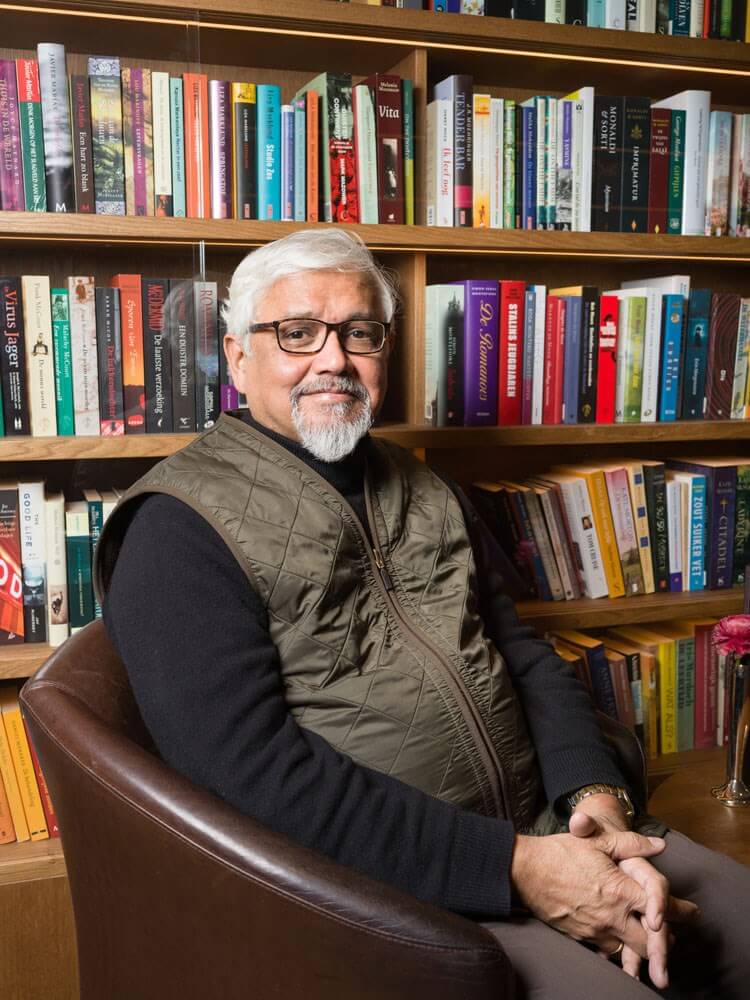
Amitav Ghosh is one of India’s most celebrated contemporary writers, known for his rich storytelling, historical depth, and exploration of cultural identity. Born on July 11, 1956, in Kolkata, India, he studied at the University of Delhi and later earned his Ph.D. in Social Anthropology from Oxford University.
Ghosh’s works often blend history, memory, and human emotions, weaving fiction with real events. Some of his famous novels include The Shadow Lines, The Glass Palace, Sea of Poppies, and The Hungry Tide. His writing is admired for its lyrical style, deep cultural insight, and ability to connect personal stories with larger social and historical themes.
In The Ghat of the Only World, Amitav Ghosh steps away from fiction to write a deeply personal memoir about his friend, the poet Agha Shahid Ali. Through this narrative, Ghosh not only honors their friendship but also captures Shahid’s vibrant personality and courage. The story showcases Ghosh’s emotional sensitivity and his mastery in blending biographical writing with poetic reflection, making it one of the most heartfelt pieces in modern Indian English literature.
About the Poet – Agha Shahid Ali

Agha Shahid Ali (1949–2001) was a renowned Kashmiri-American poet, celebrated for his mastery of both English and Urdu poetic forms, especially the ghazal. Born in Srinagar, Kashmir, he carried a deep connection to his homeland, which strongly influenced his poetry.
Ali’s works often explore themes of exile, nostalgia, and longing for Kashmir, reflecting his experiences of displacement and the political unrest in his homeland. His poetry blends emotion, culture, and imagery, capturing the beauty of Kashmir as well as the pain of loss.
Some of his notable works include The Veiled Suite, The Beloved Witness, and Call Me Ishmael Tonight. Through these collections, Ali earned international acclaim for his ability to express universal human emotions through personal and cultural narratives.
Themes of The Ghat of the Only World
Friendship and Memory
One of the most powerful themes in The Ghat of the Only World is friendship. The story beautifully captures the deep bond between Amitav Ghosh and Agha Shahid Ali. Their relationship goes beyond ordinary companionship it becomes a connection of shared thoughts, creativity, and emotional understanding. Even after Shahid’s death, his memory continues to live through Ghosh’s words, showing that true friendship never fades Mortality and Legacy
The story deals sensitively with the theme of mortality, the acceptance of death as a natural part of life. Shahid knows that his time is limited, yet he faces death with calmness, humor, and grace. His wish to be remembered through Ghosh’s writing reflects his desire to leave behind a legacy of art and love. The story reminds readers that while life ends, memories and creative works make a person immortal.
Exile and Identity
Shahid’s poetry and conversations often express his longing for his homeland, Kashmir. Living away from home, he feels the pain of exile but also the strength of cultural identity. Kashmir remains an emotional core in his life, a place of both beauty and sorrow. This theme highlights how displacement shapes a person’s sense of belonging and artistic expression.
Art and Immortality
Through this story, Amitav Ghosh shows how art gives life a timeless quality. Shahid’s poems, his love for ghazals, and his passion for storytelling all serve as reminders that creativity can outlive death. His art becomes a bridge between the physical and spiritual worlds. Ghosh’s essay itself becomes a piece of art that immortalizes his friend, proving that literature has the power to keep people alive in memory forever.
Try a free demo class and enhance your child’s literary and critical thinking skills.
Important Quotes from The Ghat of the Only World
1. “When I die, you must write about me.”
This quote is the emotional heart of the story. It shows Shahid’s acceptance of death and his desire to live on through words. It also sets the foundation for the essay, as Amitav Ghosh fulfills his promise by immortalizing Shahid through this tribute.
2. “I love to think that I’ll meet my mother again, in the afterlife.”
This quote reflects Shahid’s spiritual belief and emotional connection with his family. It shows his peaceful acceptance of death and faith in reunion beyond life. The line adds depth to his character, revealing both tenderness and hope.
3. “He could always turn any occasion into a celebration.”
This quote captures Shahid’s lively personality. Even during his illness, he spread joy among friends and celebrated life through laughter, poetry, and food. It reflects the theme of living joyfully despite hardship.
4. “His greatest fear was that he might lose his memory.”
Memory is a recurring theme in the story. This line highlights Shahid’s awareness that memory defines one’s identity and art. For a poet, memory is a bridge between the past and creativity, and losing it meant losing his essence.
5. “He was calm, even amused, to see how calmly he could face death.”
This quote shows Shahid’s courage, humor, and strength of spirit. He accepted his fate with peace, showing that confronting death does not have to mean fear or despair, it can be a moment of reflection and acceptance.

Why Choose PlanetSpark?
At PlanetSpark, we help students develop reading comprehension, literary analysis, and creative thinking skills through engaging online programs. Stories like The Ghat of the Only World provide an excellent opportunity for children to explore themes of friendship, memory, morality, and culture, and PlanetSpark makes learning these concepts interactive and fun.
Personalized Learning: Each student receives lessons tailored to their level, helping them understand complex texts, character motivations, and story themes effectively. This ensures steady improvement in reading and writing skills while boosting confidence.
Interactive Sessions: PlanetSpark’s live online classes encourage discussion, storytelling, and critical thinking. Students learn to analyze characters, interpret themes, and express ideas clearly, just like exploring Shahid’s personality and Ghosh’s reflections in the story.
Critical Thinking and Ethical Understanding: Our programs guide children to think deeply about human emotions, friendships, and moral lessons presented in literature. They develop empathy and reasoning skills, which are essential for exam preparation and personal growth.
Confidence and Communication: Through storytelling exercises and guided discussions, children enhance their oral and written communication, learning to present their thoughts logically and creatively.
Conclusion
The Ghat of the Only World by Amitav Ghosh is a touching tribute to his friend Agha Shahid Ali, capturing the essence of friendship, memory, and human emotion. The story emphasizes the power of literature and art to immortalize a person, showing how memories and creative expression allow us to keep loved ones alive even after they pass away.
Through Shahid’s courage, humor, and love for life, readers learn about acceptance of mortality, the beauty of human connections, and the importance of empathy. Amitav Ghosh’s narrative highlights how a personal memoir can be both emotionally engaging and educational, offering students lessons in literary analysis, moral understanding, and cultural appreciation.
Frequently Asked Questions
The Ghat of the Only World was written by Amitav Ghosh, a renowned Indian English author, as a memoir about his friend Agha Shahid Ali.
Agha Shahid Ali was a Kashmiri-American poet known for his lyrical poetry, love for Kashmir, and exploration of exile, memory, and longing in his works.
The story explores friendship, memory, mortality, and the power of art to immortalize human emotions and relationships.
Ghosh promised to write about Shahid after his death, ensuring that his friend would be remembered and celebrated through words.
Shahid faces his illness with humor, courage, and acceptance, continuing to enjoy life, poetry, and friendships until his final days.
Students learn about true friendship, empathy, cultural appreciation, and the importance of memory and creative expression in preserving human connections.