
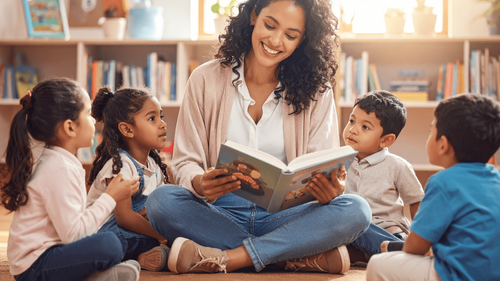

Stories have a magical way of teaching lessons without sounding like lectures. When children listen to a story about animals talking, kingdoms rising and falling, or heroes learning important life lessons, they are not just being entertained. They are also learning values, morals, and ideas in a gentle and memorable way. One powerful storytelling technique that does this beautifully is allegory.
In this blog, we will explore allegory in a simple, child-friendly manner. You will clearly understand what are allegory, the true allegory meaning, how it works in stories, and why it is such an important tool for kids’ learning. With PlanetSpark’s storytelling approach, even complex ideas become easy, engaging, and fun for young minds.
What Is Allegory?
To put it simply, allegory is a storytelling method where characters, events, and settings represent deeper ideas or lessons. Instead of saying something directly, the story shows the message through symbols.
So when someone asks what are allegory, the answer is this:
Allegories are stories that have two meanings and one on the surface and one hidden underneath.
For example, a story about hardworking ants and lazy grasshoppers is not just about insects. It is actually about discipline, planning, and responsibility.
This is where understanding allegory meaning becomes important. It helps children learn how stories can teach life lessons without being obvious or boring.
Allegory Meaning Explained for Kids
The allegory meaning can be explained to kids using a simple idea:
The story says one thing
But it means something more
Imagine reading a story about a lion who learns to listen to others instead of roaring all the time. On the surface, it is a jungle story. But underneath, it teaches children about teamwork, humility, and leadership.
This is why allegorical stories for kids are so effective. Children enjoy the story first and slowly absorb the lesson without pressure.
Why Allegory Is Important in Children’s Learning
Children may not always understand big concepts like honesty, courage, fairness, or freedom when explained directly. But through allegory, these ideas become relatable.
Here’s why allegory works so well for kids:
It sparks imagination
It makes learning enjoyable
It encourages thinking beyond the obvious
It improves comprehension skills
It helps children connect stories to real life
At PlanetSpark, students are taught to recognize and create allegories, helping them become thoughtful readers and expressive writers.
Book a Free Trial Session
Help your child understand storytelling beyond words. A free trial session introduces them to creative writing and deeper story meaning.
Simple Allegory Examples for Kids
Let’s look at some easy examples to understand what are allegory in practice.
1. The Tortoise and the Hare
This classic fable is a perfect allegory.
The tortoise represents patience and consistency
The hare represents overconfidence
The story is not really about animals racing. It teaches that slow and steady effort leads to success.
2. The Boy Who Cried Wolf
This story is an allegory about honesty and trust.
The wolf represents danger, but the real lesson is that lying makes people stop believing you.
3. Animal Farm (Simplified Version for Older Kids)
Although more advanced, this story is a famous allegory in literature. Animals represent people and political systems, teaching lessons about power and fairness.
How Allegory Helps Improve Reading Skills
Understanding allegory meaning trains children to read between the lines. Instead of only focusing on “what happened,” they learn to ask:
Why did it happen?
What does this character represent?
What lesson is the story teaching?
This strengthens critical thinking and reading comprehension. These skills are essential for academic success and creative writing.
At PlanetSpark, children are guided to decode hidden meanings using age-appropriate stories, making learning both effective and enjoyable.
Explore PlanetSpark’s Storytelling Programs
Discover structured courses that make learning allegory simple and fun. Kids learn to read, write, and think confidently.
Allegory vs Moral of the Story
Many parents wonder if allegory is the same as a moral. While they are related, they are not exactly the same.
A moral is usually stated clearly at the end
An allegory delivers the message throughout the story
In allegory, every part of the story works together to communicate the lesson. This makes it richer and more engaging.
Understanding this difference helps children appreciate storytelling techniques in literature at a deeper level.
Common Symbols Used in Allegory
To fully understand what are allegory, kids should also learn about symbols. Symbols are objects or characters that stand for something else.
Some common symbolic elements include:
Animals representing human qualities
Journeys representing personal growth
Light representing hope or knowledge
Darkness representing fear or ignorance
These symbols make allegorical storytelling powerful and memorable.
Writing an Allegory: A Simple Guide for Kids
Writing an allegory may sound complex, but for children, it can be a joyful and creative process when broken down into clear steps. Allegorical writing encourages kids to think deeply while still having fun with imagination and storytelling. Let’s understand how children can create their own allegory with ease.
Choose a Message You Want to Share
The first step in writing an allegory is deciding on the message or lesson. This message is the heart of the story. It could be something simple and meaningful, such as honesty, kindness, teamwork, patience, or sharing. Children should think about a value they believe is important or a lesson they have learned in real life. Once the message is clear, the story becomes easier to shape because every event in the story will connect back to this central idea.
Enroll in Creative Writing Classes Today
Give your child the tools to express ideas clearly and creatively. Our classes focus on imagination, clarity, and confidence.
Create Characters That Represent Ideas
After choosing the message, the next step is creating characters. In an allegory, characters often stand for ideas or human qualities. These characters can be animals, objects, or imaginary creatures. For example, a brave bird might represent courage, while a stubborn rock could represent unwillingness to change. Using animals or objects makes the story exciting and helps children express ideas without being too direct.
Build a Simple and Engaging Story
Now it’s time to build the story. The characters should face a situation or problem that connects to the lesson. The story does not need to be long or complicated. A simple beginning, middle, and end is enough. For example, if the lesson is about teamwork, the characters could face a challenge they cannot solve alone. This keeps the story focused and helps children stay clear about what they want to express.
Show the Lesson Through Actions
The most important part of writing an allegory is showing the lesson instead of explaining it. Children should avoid directly stating the message at the end. Instead, the characters’ actions, choices, and outcomes should naturally reveal the lesson. This approach makes the story more powerful and helps children understand how storytelling can communicate deeper meanings. It also strengthens creative writing for kids by encouraging thoughtful expression.
Allegory in Famous Children’s Stories
Many well-loved children’s books use allegory to share important ideas. For example, The Chronicles of Narnia explores the timeless theme of good versus evil through magical lands and brave characters. Winnie-the-Pooh represents different personality traits, helping children understand emotions and friendships. The Giving Tree teaches lessons about selflessness, love, and sacrifice through a simple yet emotional story. Recognizing these examples helps children understand allegory in literature in a natural and enjoyable way.
Benefits of Learning Allegory at an Early Age
Learning allegory at a young age offers several long-term benefits. It improves language skills by expanding vocabulary and comprehension. It builds emotional intelligence by helping children understand feelings and motivations. Allegory also enhances imagination, encourages thoughtful expression, and develops analytical thinking. These skills go beyond academics and help children communicate clearly and confidently in everyday life. PlanetSpark focuses on nurturing these abilities through guided storytelling and writing practice.
How Parents Can Support Allegory Learning at Home
Parents play an important role in helping children understand allegory meaning. Simple activities can make a big difference. Parents can ask children what they think a story means, encourage them to create their own stories, discuss characters’ actions and choices, and connect story lessons to real-life situations. This makes learning interactive, meaningful, and enjoyable.
Allegory and Modern Storytelling
Allegory continues to be an important part of modern storytelling. Superhero movies often represent justice, responsibility, and courage, while animated films use fantasy to talk about friendship, loss, and identity. Understanding what are allegory helps children enjoy stories at a deeper level and appreciate storytelling as an art rather than just entertainment.
How PlanetSpark Teaches Allegory to Kids
PlanetSpark uses a creative and structured approach to teach allegory. Children don’t just read stories—they interact with them.
Here’s how PlanetSpark makes allegory easy to understand:
Stories are explained using real-life examples
Children are encouraged to share interpretations
Writing exercises help kids create their own allegories
Feedback focuses on clarity and creativity
This method ensures that children truly understand allegory meaning instead of memorizing definitions.
Conclusion
Allegory is more than just a literary term. It is a powerful storytelling tool that helps children understand the world in a gentle and imaginative way. By learning allegory, children improve their reading, writing, and thinking skills while enjoying meaningful stories.
With PlanetSpark’s guided learning approach, kids can easily grasp allegory meaning, recognize what are allegory in stories, and even create their own allegorical tales. This not only builds strong communication skills but also nurtures confident, creative thinkers ready to express ideas clearly and thoughtfully.
When children learn to see beyond the surface of stories, they begin to see the world with curiosity, empathy, and imagination—and that is the true power of allegory.