
Top 15 Environment Topics for School Presentations


Table of Contents
- 1. Climate Change and Global Warming
- 2. Air Pollution and Its Impact
- 3. Water Scarcity and Conservation
- 4. Plastic Pollution and Waste Management
- 5. Biodiversity Loss and Wildlife Protection
- 6. Renewable Energy Sources
- 7. Sustainable Lifestyle Habits for Students
- 8. Pollution of Rivers & Marine Ecosystems
- 9. Soil Degradation & Land Pollution
- 10. The Importance of Forest Conservation
- 11. Electronic Waste & Its Environmental Impact
- 12. The Carbon Footprint & How to Reduce It
- 13. Environmental Policies & Global Agreements
- 14. Urbanization & Its Effect on Nature
- 15. Green Technology & Sustainable Innovation
- Why Choose PlanetSpark Public Speaking Course?
Understanding the environment and its challenges has become essential for students today. From rising temperatures to disappearing forests, our planet is undergoing rapid changes that impact every living being. When students explore environmental issues through presentations, they learn to think critically, speak confidently, and connect learning with real-world solutions. This blog brings you seven well-explained environment presentation topics, each designed to help students create meaningful, informative, and impactful presentations.
1. Climate Change and Global Warming
Climate change remains one of the most urgent environmental issues facing the world. Students can explore how greenhouse gases trap heat in the atmosphere, the reasons behind rising global temperatures, and the visible effects, melting glaciers, extreme weather, and shifting ecosystems. This topic also gives space to discuss global initiatives like carbon neutrality, the Paris Agreement, and renewable energy transitions.
For a school presentation, this subject works wonderfully because it naturally blends science, real-life examples, and future possibilities. Students can present climate graphs, news stories, recent heatwave data, and solutions from around the world. The focus keyword environment fits seamlessly here because climate change affects every ecosystem on Earth.
2. Air Pollution and Its Impact
Air pollution is a topic students see and experience daily, making it relatable and ideal for impactful presentation topics on the environment. From vehicles to factories and burning waste, pollutants enter the air and affect both human health and the planet. Students can explain particulate matter (PM2.5 & PM10), smog formation, AQI (Air Quality Index), and respiratory issues caused by polluted air.
This topic also helps young presenters explore local examples, cities experiencing smog seasons, schools closing due to AQI spikes, and the importance of increasing green cover. Preventive measures like clean fuels, carpooling, and electric vehicles make strong talking points and show how solutions can be implemented at the community level.
3. Water Scarcity and Conservation
Water scarcity is no longer a distant concern; it is a rapidly growing challenge for many regions. Students can highlight reasons such as droughts, overpopulation, groundwater depletion, and climate change. They can also explain the importance of water conservation, ranging from rainwater harvesting to efficient farming techniques like drip irrigation.
This topic encourages students to take a solution-oriented approach. Simple practices, closing taps properly, preventing leaks, and reusing water wherever possible, show how small steps create big differences. It also pairs well with visuals like pie charts of global freshwater distribution or case studies about regions facing drought.
4. Plastic Pollution and Waste Management
Plastic pollution is one of the most harmful environmental issues today. Oceans filled with floating plastic, marine animals swallowing microplastics, and overflowing landfills show how severe the situation has become. Students can explore types of plastics, how they break down into microplastics, and why they remain in the environment for hundreds of years.
This topic is a strong presentation choice because it connects personal habits to global consequences. Students can discuss alternatives like bamboo products, cloth bags, metal bottles, and community recycling initiatives. They can also highlight worldwide efforts such as beach clean-ups and bans on single-use plastics.
5. Biodiversity Loss and Wildlife Protection
Biodiversity is the web of life, and every species, from tiny insects to giant trees, plays a unique role in the ecosystem. When species vanish, the balance of nature weakens. Students can present reasons for biodiversity loss, such as habitat destruction, poaching, invasive species, and climate change.
This topic is visually rich and engaging. Presenters can show examples of endangered species, national parks, conservation efforts, and success stories like tiger population recovery in India. It’s a powerful way to make students aware of how human actions directly influence the natural world.
Join our Public Speaking Program today, limited spots for this month!
6. Renewable Energy Sources
Renewable energy is the future of sustainable living. Students can explain how solar, wind, hydro, and geothermal energy work, and why they matter more than ever. This topic encourages innovative thinking as students discuss energy storage, smart grids, and eco-friendly technological advancements.
It also brings practical examples into the conversation, solar-powered schools, wind farms, electric buses, and rooftop solar in homes. With climate concerns rising, renewable energy becomes a forward-looking presentation topic that inspires action and awareness.
7. Sustainable Lifestyle Habits for Students
Sustainability begins at home and in daily routines. This topic helps students understand how simple habits can reduce environmental damage. Using reusable items, saving electricity, avoiding food waste, reducing screen time for energy conservation, and supporting eco-friendly brands all become part of a sustainable student lifestyle.
Since it directly connects to a student’s day-to-day actions, this topic is easy to present and sparks meaningful discussions. It also builds leadership qualities as students learn to set examples for their peers.
8. Pollution of Rivers & Marine Ecosystems
Water bodies are the lifelines of the planet, yet they’re facing severe pressure due to rising pollution. Rivers carry industrial waste, untreated sewage, and plastic debris that eventually reach the oceans. Marine ecosystems suffer when chemicals, microplastics, and oil spills cause coral bleaching, declining fish populations, and toxicity in the food chain.
Students can make their presentations more engaging by showing real examples, like the Ganga River pollution or the Pacific Garbage Patch, to illustrate how water pollution affects humans, animals, and the entire environment. Solutions such as wastewater treatment, stricter industrial laws, and global clean-ocean campaigns add strong value to student presentations.
9. Soil Degradation & Land Pollution
Soil degradation is an often overlooked environmental issue, but it plays a major role in food security and ecological health. Excessive use of pesticides, deforestation, mining, and improper waste disposal weaken soil quality. This leads to reduced crop yields, loss of soil fertility, and increased desertification.
For students covering environmental presentation topics, this subject helps them understand how land pollution directly affects daily life. They can highlight sustainable farming practices, organic composting, biofertilizers, and proper waste segregation as practical ways to protect soil health.
10. The Importance of Forest Conservation
Forests act as the planet’s natural air purifiers. They absorb carbon dioxide, release oxygen, support biodiversity, and stabilize climate patterns. When forests disappear due to illegal logging, farming expansion, and urbanization, the impact is severe, including loss of habitat, increased carbon emissions, and greater climate instability.
This environmental presentation topic works well because forests connect science, wildlife, and human needs. Students can share global reforestation success stories such as the Amazon restoration efforts, India’s mass plantation drives, and community-based conservation programs.
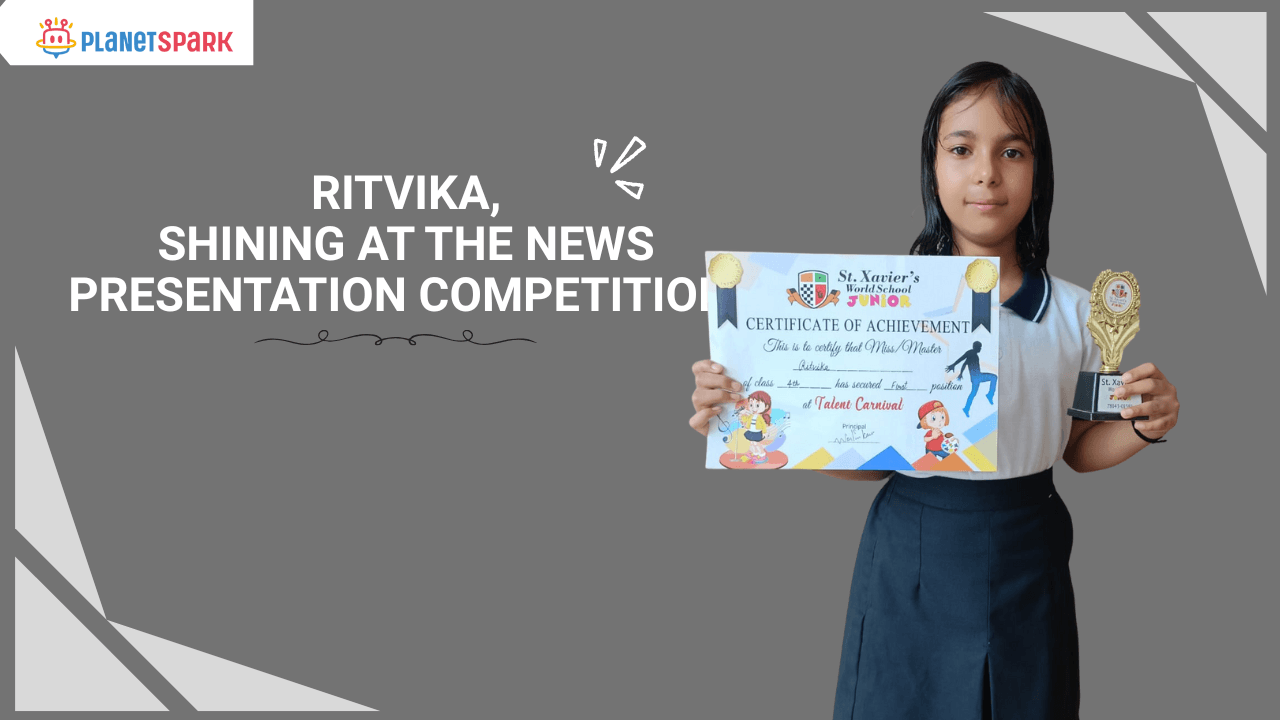
Ritvika’s PlanetSpark Journey That Led Her to the Spotlight
When Ritvika joined PlanetSpark, she was a bright student with curiosity and a spark of confidence waiting to grow. Today, she’s standing in front of an audience, delivering news with clarity, poise, and the presence of a true young anchor.
Her recent milestone at the News Presentation Competition isn’t just a win; it’s proof of what the right guidance, modern communication training, and consistent practice can unlock in a child.
At PlanetSpark, students don’t just learn how to speak; they learn how to own the stage, express ideas fearlessly, and rise above their own limitations. Ritvika is one of many young achievers who transformed classroom learning into real-world performance.
If your child has a spark waiting to shine, PlanetSpark is where it turns into confidence, capability, and achievement.
Help your child speak confidently and impress the audience with powerful presentations.
11. Electronic Waste & Its Environmental Impact
E-waste is one of the fastest-growing waste streams in the world. Old phones, laptops, batteries, and gadgets contain toxic metals like lead, mercury, and cadmium. When disposed of incorrectly, these chemicals seep into soil and water, harming both the environment and human health.
Students can explain safe e-waste disposal methods, recycling technology, and government initiatives like e-waste collection centers. This topic also makes students aware of responsible consumer behavior, buying only what they need, repairing instead of replacing, and choosing eco-friendly brands.
12. The Carbon Footprint & How to Reduce It
Every human activity, from eating to traveling, adds to our carbon footprint. This topic helps students break down how greenhouse gases are produced and how lifestyle changes can reduce our overall environmental impact.
They can highlight practical steps such as choosing public transport, walking more, reducing electricity use, opting for plant-based meals occasionally, and supporting low-carbon brands. This topic empowers students to see themselves as active contributors to a healthier environment.
13. Environmental Policies & Global Agreements
Environmental protection is not effective without strong global policies. Agreements like the Paris Agreement, Kyoto Protocol, and COP summits bring countries together to set climate goals. Students can explain how these agreements aim to reduce emissions, increase renewable energy adoption, and protect sensitive ecosystems.
This makes an excellent presentation topic because it teaches students about global responsibility, governance, and long-term climate action strategies.
14. Urbanization & Its Effect on Nature
As cities grow, green spaces shrink. Urbanization brings more buildings, highways, vehicles, and industries, leading to air and noise pollution, loss of biodiversity, and increased energy consumption. Students can highlight the importance of eco-friendly urban planning, rooftop gardens, green buildings, and improved public transport systems.
They can also explore how smart cities focus on sustainability, energy efficiency, and waste management to reduce the environmental burden.
15. Green Technology & Sustainable Innovation
The future of environmental protection lies in innovation. Green technologies, such as electric vehicles, biodegradable materials, smart irrigation, AI-based waste sorting, and carbon capture plants, are transforming how we manage environmental issues.
This forward-looking topic inspires students to think creatively about solutions. It also connects science, technology, and environmental awareness in an exciting, modern way.
Why Choose PlanetSpark Public Speaking Course?
Students may have great knowledge, but presenting environmental issues clearly and confidently is a skill that must be learned. PlanetSpark helps students:
1:1 Expert Coaching: Every child receives personalized attention from certified communication trainers and child psychology experts, ensuring customized feedback and steady improvement.
Step-by-Step Skill Building: The program systematically develops skills like body language, voice modulation, storytelling, debating, and persuasive speaking.
TED-Style Training: Students learn to craft powerful speeches following the “Hook–Message–Story–Call-to-Action” model used by TEDx speakers.
Global Practice Platforms: Children engage in live debates, panel discussions, and storytelling sessions with peers from over 13 countries.
Competitions and Leagues: Frequent internal contests and a national-level Public Speaking League give learners real-world performance opportunities.
Video Feedback Loop: Students receive recordings of their speeches and review them with their coach for detailed feedback and growth.
PlanetSpark’s Public Speaking Program is designed to make every child a bold, expressive, and impactful communicator, perfect for school projects, competitions, and real-life confidence building.
Want your child to present future-focused topics confidently?
Enroll now in our Public Speaking Program, next batch almost full!
Shaping the Future, One Presentation at a Time
Environmental issues are complex, but when students learn to understand and present them clearly, they become part of the solution. The topics covered in this guide inspire curiosity, critical thinking, and responsible action. Whether it's climate change, sustainable innovation, or biodiversity loss, each subject gives students a chance to speak with purpose and create awareness among their peers.
With the right guidance and confidence, students can turn knowledge into impact. And when they learn effective communication early, they don’t just prepare for projects; they prepare for life.
More Sections Readers Will Love
These sections are crafted to guide readers toward additional topics they may find valuable if they enjoyed the main blog.
Frequently Asked Questions
Some of the best topics include climate change, air pollution, biodiversity loss, plastic pollution, renewable energy, water scarcity, and sustainable lifestyles. Students can choose a topic that feels relevant to their daily experiences or one that inspires them to explore environmental solutions.
Use real-world statistics, visuals, infographics, and examples that the audience can relate to. Adding recent environmental news, case studies, or local examples makes the presentation more engaging and credible.
Environmental awareness helps students understand how global challenges affect their future. It encourages responsibility, critical thinking, and the motivation to adopt sustainable habits that protect the planet.
A good student presentation is usually 3–6 minutes for beginners and 7–12 minutes for senior students. It should be structured with an introduction, three strong main points, and a simple, memorable conclusion.
Students can refer to government reports (MoEFCC, UNEP, NASA), science journals, educational websites, school textbooks, and environmental documentaries. Always cross-check facts and choose reliable sources.
Rising Stars of PlanetSpark
Celebrating young speakers who turned confidence, clarity, and creativity into their superpower.
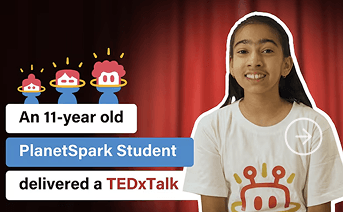
Oviya Singh, a PlanetSpark student, spoke about ‘Soil Conservation’ in her TEDxTalk by addressing the status quo and questioning, ‘Is the world running out of food?’
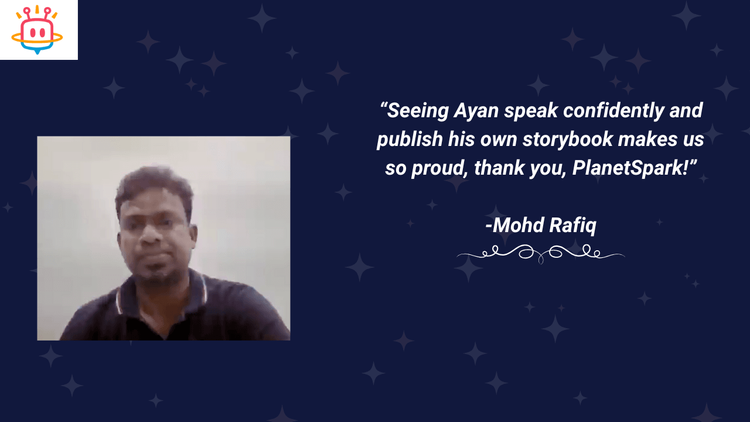
Thanks to PlanetSpark and his teacher’s guidance, Ayan now speaks confidently, participates actively, and has published his first storybook.
PlanetSpark helped my son Ahan find his voice and confidence. From stage speaking to being published in Pearls of Poetry, his growth has been remarkable.

PlanetSpark’s Public Speaking program has boosted Sristi’s confidence and clarity, her school performance speaks for itself.

My daughter has transformed from a shy kid to a confident speaker in just 6 months. The personalized attention and structured curriculum made all the difference.
Download Free Worksheets

Personalized Communication Report
Record a video to get a AI generated personalized communication report for your child

Hi There, want to try these
tips for your child with
LIVE with our expert coach?
Let's check your child's
English fluency