


Spoken English for kids teaches children to speak English fluently through interactive activities, games, and roleplay. It builds vocabulary, improves pronunciation, and enhances listening skills. Early training boosts confidence, prepares kids for school interviews, and strengthens communication for academic and social success
Every language has a written and a spoken form. Proficiency in any language, including English, means that you can communicate well in English, both by writing in English and by speaking in English. Spoken English is important to be able to carry on verbal conversations. It is often known as conversational English as well. Besides being able to converse in English, spoken English for kids is also vital for presentations and assignments in school. Out of 65,000 languages that are spoken globally, English is one of the most spoken languages. English is the official language of 67 countries and a second spoken language in many other countries. If this fact alone doesn't motivate you to enrol your child in spoken English classes, let's look at some other reasons why your child should start to learn to speak English from an early age.

Is Your Child Struggling to Speak English Confidently?
Many children understand English but hesitate to speak. They may know the right words but feel unsure while forming sentences or speaking in front of others. This hesitation often comes from fear of making mistakes, lack of practice, or low confidence.
In today’s fast-paced world, strong communication skills are essential, not just for academics but for overall personality development. Children who can express their thoughts clearly tend to perform better in school, participate actively, and build stronger social connections.
With the right guidance and consistent practice, this hesitation can be transformed into confidence. Structured programs and interactive learning environments help children practice speaking naturally and without fear.
7 Reasons to Enroll Your Kid in an English Speaking Class
-

Builds Self-assurance & Confidence
When you speak a language with accuracy, you become confident. If children learn spoken English from childhood, they will become proficient in adulthood. The group activities and various other exercises conducted in spoken English classes for kids make them self-assured. Which, in turn, helps them become more confident.

Provides Better Opportunities
Maximum job vacancies come out with the requirement of fluent English speaking. Starting English classes from childhood provides your child with enough time to practice. Command over spoken English gives an edge on public speaking platforms like debates and quizzes. They can even go to international competitions if they can converse well in English.

Encourages Cultural Interaction
If your kids study abroad, speaking English will serve as a bridge between them and other kids. If they are fluent in spoken English, they can understand other kids' cultures, thought processes, and interests better. They will grow up being aware of the existence of various cultures and societies.

Enhances Social Skills
During the classes of spoken English for kids, many activities require them to communicate with their classmates. Group discussions increase their ability to converse and reciprocate with other people. Even during online spoken English courses, they improve their comprehension skills. The interactions during English-speaking classes always put them in social situations. Thus, their social skills get polished in these classes.

Access to Data & Information
Scientific data, research, and good literature work are published worldwide primarily in English. It is the language of technology, as well. Kids are no longer learning through pen, pencil, and paper only. They are widely exposed to learning through the internet and technology. Students need to be familiar with English to keep up with the latest trends.

Boosts Communication Skills
We live in a society where you need to know at least basic English speaking to command some respect. Knowledge of English grammar, punctuation, and vocabulary provides a platform to communicate with more people. Suppose people from different mother tongues are around your kids. They can communicate and respond appropriately to everyone in English.

Early Understanding of Profession & Business
Internationally, the English language is used for business and trade. While learning English, a student gets familiar with numerous official and business-related terms early on. It helps them once they embark on the journey of making their career.
Want your child to speak English confidently in any situation?
Why Early Learning Matters
Learning spoken English at an early age provides long-term advantages that go beyond language skills.
-
Faster Learning Ability: Young children grasp new languages more quickly
- Reduced Fear: Early exposure eliminates hesitation and builds confidence
- Better Communication Skills: Helps in school presentations and interactions
- Strong Foundation: Prepares children for advanced learning in later years
Starting early ensures that children grow up feeling comfortable and confident while speaking English.
Before vs After Learning Spoken English
Learning spoken English creates a noticeable transformation in a child’s communication and confidence.
| Before Learning | After Learning |
|---|---|
| Hesitates to speak in English | Speaks confidently in conversations |
| Limited vocabulary usage | Uses expressive and varied language |
| Fear of making mistakes | Communicates without hesitation |
| Avoids speaking in groups | Participates actively in discussions |
| Low confidence | Strong self-confidence and clarity |
This transformation helps children not only in school but also in real-life interactions.
Key Skills Your Child Will Develop

Exciting Games For Kids To Practice Speaking In English

Find the Colour
You can ask your kids to find a particular colour within an indoor or outdoor setting. For instance, "bring me something blue" or "go touch a red thing."Each one of you can take turns. Add to it and have them say two lines about the object they find to describe it in English. Over time, this will help improve their spoken English and help them be at ease while making up sentences in an informal and comfortable setting. When they say their sentences perfectly, you can reward them with an extra turn, and when they say things incorrectly, you can gently correct them to help them learn.

I Spy
In this game, you ask your kid to find an object by giving a hint of its name's first letter. For example, "I spy with my little eye something beginning with 'A." So he or she will search for a thing or object starting with the letter "A" in the room or your surroundings and find it. You can give them clues to guess the object in English. Similarly, when it's your kid's turn, make them give you more and more clues to help them speak in English!

Say the Opposite
You can help your kid practice antonyms in English with this game. Here's how you can play it - you will say a word, and your kid will say the opposite. It can be simple words like lazy for hardworking, good for evil, right for left. You can increase the level of words as per your kid's knowledge. Give bonus points if your kids can give you more than one word.

Where is it?
Ask your kid to hide a thing like a pen, glasses, a toy somewhere. And then ask them to give you hints in English where they are hiding that particular thing or object. Talk to your child in English throughout this game and make sure that they do the same. Set a rule that they have to speak at least three sentences to give you clues, and then for more practice, you can keep asking for more clues!

Tongue Twisters
A tongue twister is a great way of having some fun and laughs with your kid. Make a list of twisters, print them out if needed and have your kid memorize them for a few days. Over a weekend, you can have a Tongue Twister Throwdown where you take turns saying the tongue twisters. Add extra elements to this by timing them and having them try to beat your time, or have them say the twisters a few times, where they try to beat their own fastest time.

Board Games
Board games like Cluedo and Monopoly are a great way to let your kid read the cards in English and speak in English as well. Make sure you converse in only English throughout the time you play the game. Scrabble is another board game to help your kid's English vocabulary. You can add a speaking component to Scrabble where you ask them to make a sentence with the word they make and say it out loud in English.

Riddles
Kids love to solve puzzles and riddles. You can see them jumping with joy if they can solve one. There are various attractive, simple, and complex riddles available on the internet. Have them search for some, and then they can ask you the riddles. Ask for clues to give them more speaking practice. You can also ask them some riddles for added fun.
Help your child overcome hesitation and build strong communication skills
Some More Help For You To Teach Your Kid To Speak English
-
Here are some familiar rhymes that you can teach your younger kids
- Old MacDonald Had a Farm
- I Can Sing a Rainbow
- Row, Row, Row Your Boat
- The Wheels on The Bus
- One, Two, Buckle My Shoe
- Georgie Porgie
- Mary Had a Little Lamb

Bonus Tips for Parents to Effectively Teach Spoken English to Kids
- Encourage their participation in public speaking events.
- Hone their grammar skills with the help of lessons and apps.
- Besides teaching them at home, get them registered in some formal courses of Spoken English. You can enrol them in an online class also.
- Storytelling is an art that helps your child become a conversationalist, and at the same time, it improves their basic English speaking ability. So involve them in storytelling courses along with spoken English classes.
AI-Based Learning for Smarter Improvement
PlanetSpark integrates advanced technology to enhance the learning experience and make it more effective.
-
Real-Time Feedback: Immediate insights on pronunciation and fluency
- Performance Tracking: Monitor progress and improvement over time
- Personalized Suggestions: Identify strengths and areas to improve
- Interactive Tools: Engaging activities powered by smart learning systems
This combination of technology and expert teaching ensures a personalized and result-driven learning journey.
How PlanetSpark Helps Your Child Improve
PlanetSpark follows a structured and child-friendly approach to help children develop strong spoken English skills.
1. Skill Assessment
The journey begins with understanding your child’s current speaking level and confidence.
2. Personalized Learning Plan
Lessons are tailored based on your child’s strengths and areas of improvement.
3. 1:1 Live Interactive Classes
Children learn through live sessions with expert trainers, ensuring focused attention.
4. Practice Through Activities
Roleplays, storytelling, debates, and games make learning engaging and practical.
5. Continuous Feedback & Improvement
Regular feedback helps track progress and ensures consistent improvement.

Pranav, a 9-year-old student, understood English well but struggled to speak it confidently. In school, he often avoided answering questions, hesitated during conversations, and felt nervous speaking in front of others. His parents noticed that despite having good knowledge, his lack of spoken fluency was holding him back.
After enrolling in PlanetSpark’s Spoken English program, Pranav began his journey with personalized 1:1 sessions and interactive activities like storytelling, roleplays, and daily conversation practice.
Within a few weeks, small changes became visible. He started forming sentences more clearly and participating in class discussions. Over time, his confidence grew significantly.
Give your child the confidence to express ideas clearly
Conclusion
This structured approach helps children gradually become confident and fluent speakers.
Spoken English is more than just a language skill, it is a foundation for confidence, communication, and future success. Children who learn to express themselves clearly are better prepared for academic challenges, social interactions, and future opportunities.
With the right guidance, consistent practice, and engaging methods, any child can become a confident English speaker. Starting early not only builds fluency but also helps children develop a strong, expressive personality.
Spoken English Curriculum
Success Stories
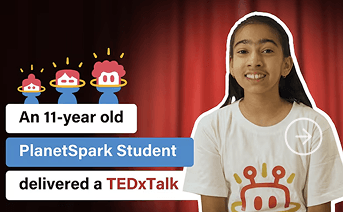
Parents of Oviya Singh
Oviya Singh, a PlanetSpark student, spoke about ‘Soil Conservation’ in her TEDxTalk by addressing the status quo and questioning, ‘Is the world running out of food?’
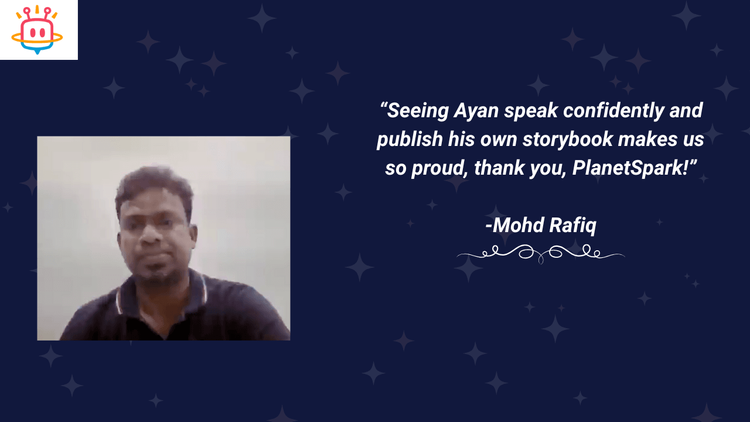
Mohd Rafiq
Thanks to PlanetSpark and his teacher’s guidance, Ayan now speaks confidently, participates actively, and has published his first storybook.
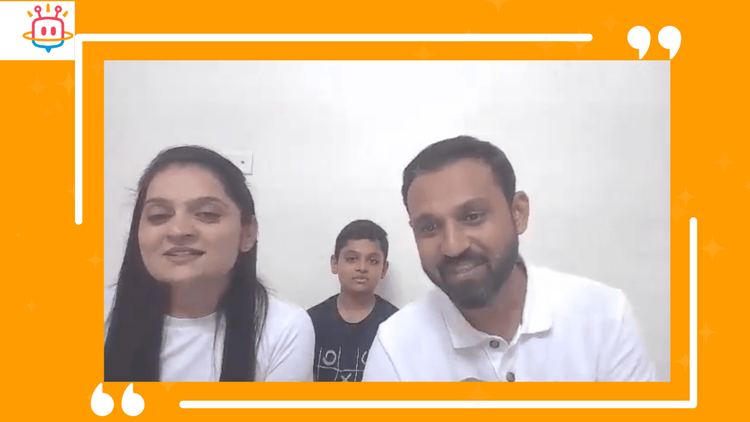
Mr. & Mrs. Bipin Patel
PlanetSpark helped my son Ahan find his voice and confidence. From stage speaking to being published in Pearls of Poetry, his growth has been remarkable.
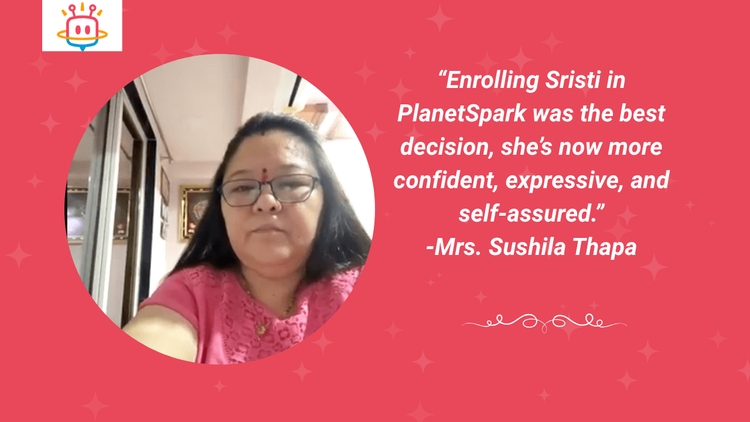
Mrs. Sushila Thapa
PlanetSpark’s Public Speaking program has boosted Sristi’s confidence and clarity, her school performance speaks for itself.

Rajiv Sharma
My daughter has transformed from a shy kid to a confident speaker in just 6 months. The personalized attention and structured curriculum made all the difference.
Parents of Oviya Singh
Oviya Singh, a PlanetSpark student, spoke about ‘Soil Conservation’ in her TEDxTalk by addressing the status quo and questioning, ‘Is the world running out of food?’
Mohd Rafiq
Thanks to PlanetSpark and his teacher’s guidance, Ayan now speaks confidently, participates actively, and has published his first storybook.
Mr. & Mrs. Bipin Patel
PlanetSpark helped my son Ahan find his voice and confidence. From stage speaking to being published in Pearls of Poetry, his growth has been remarkable.
Mrs. Sushila Thapa
PlanetSpark’s Public Speaking program has boosted Sristi’s confidence and clarity, her school performance speaks for itself.
Rajiv Sharma
My daughter has transformed from a shy kid to a confident speaker in just 6 months. The personalized attention and structured curriculum made all the difference.
Practice with Our Worksheets
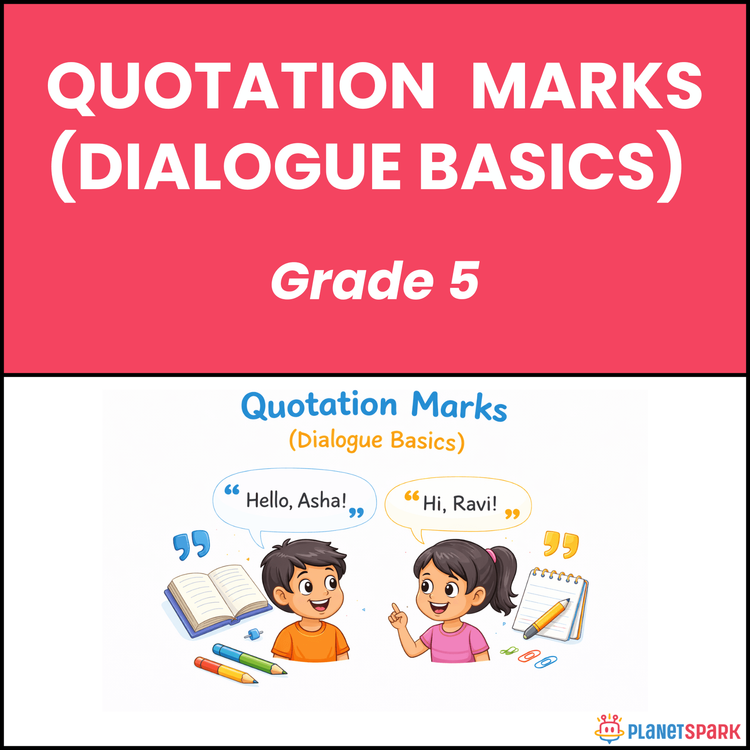
Class 5 Quotation Marks Dialogue English Grammar Worksheet
Practice using quotation marks correctly while writing dialogues and conversations.

Class 3 Grammar Worksheet on Subject–Verb Agreement
Match subjects and verbs correctly in sentences with this simple worksheet.

Class 4 Reading Passage on The Greedy Merchant
Explore what happens to a greedy merchant in this meaningful story-based worksheet.
Class 4 Multiple Meaning Words English Worksheet
Discover words with multiple meanings using clear sentence examples.
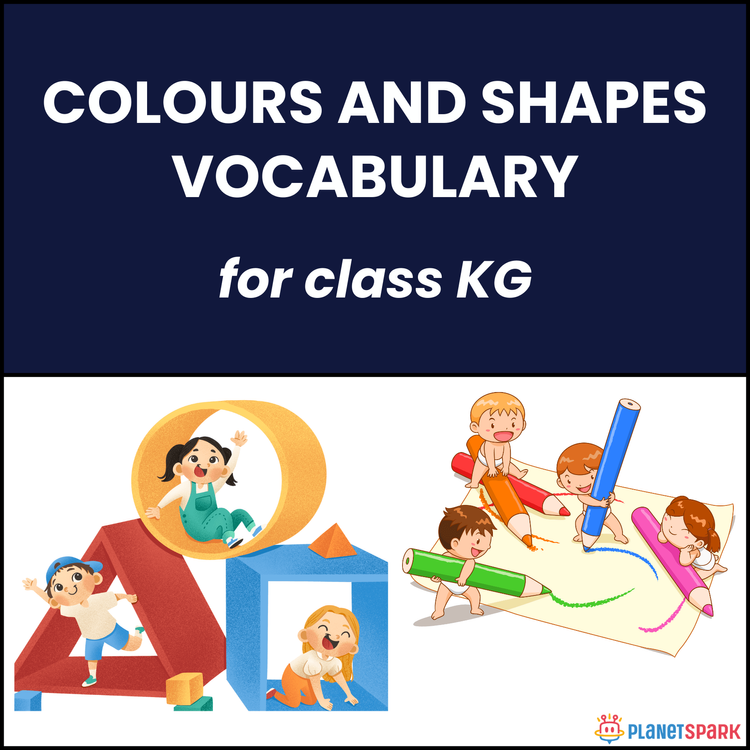
KG English Worksheet on Colours and Shapes
Fun activities to help KG kids learn colours and shapes with simple examples.
Class 4 Grammar Worksheet on Adding details
Learn to expand ideas by adding descriptive words and clear information.

Class 3 English Worksheet on Concrete and Abstract Nouns
Learn the difference between concrete and abstract nouns with activities designed to strengthen grammar concepts in young Class 3 learners.

Class 2 English Worksheet on Collective Nouns
Explore collective nouns for groups of animals, people, and things.
Class 5 Quotation Marks Dialogue English Grammar Worksheet
Practice using quotation marks correctly while writing dialogues and conversations.
Class 3 Grammar Worksheet on Subject–Verb Agreement
Match subjects and verbs correctly in sentences with this simple worksheet.
Class 4 Reading Passage on The Greedy Merchant
Explore what happens to a greedy merchant in this meaningful story-based worksheet.
Class 4 Multiple Meaning Words English Worksheet
Discover words with multiple meanings using clear sentence examples.
KG English Worksheet on Colours and Shapes
Fun activities to help KG kids learn colours and shapes with simple examples.
Class 4 Grammar Worksheet on Adding details
Learn to expand ideas by adding descriptive words and clear information.
Class 3 English Worksheet on Concrete and Abstract Nouns
Learn the difference between concrete and abstract nouns with activities designed to strengthen grammar concepts in young Class 3 learners.
Class 2 English Worksheet on Collective Nouns
Explore collective nouns for groups of animals, people, and things.
What Parents Say About PlanetSpark
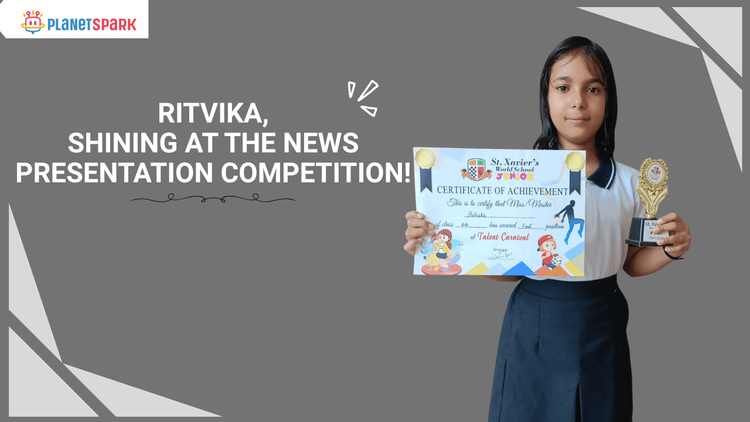
Ritvika (News Presentation Competition)
Ritvika has achieved a milestone in News Presentation! From the PlanetSpark classroom to the spotlight at the News Presentation Competition.
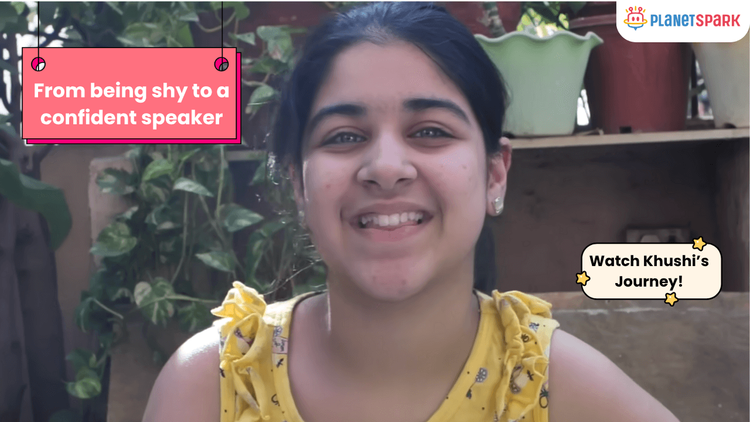
Khushi Bhatia, 10 Years
Khushi transformed from being a shy to a confident speaker with PlanetSpark!
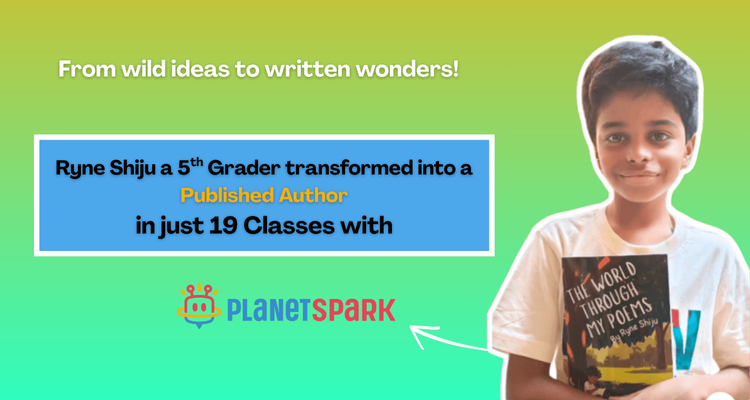
Ryne Shiju (Published Author)
Ryne Shiju, a bright PlanetSpark star, has turned imagination into inspiration becoming a published author whose words now empower and inspire.
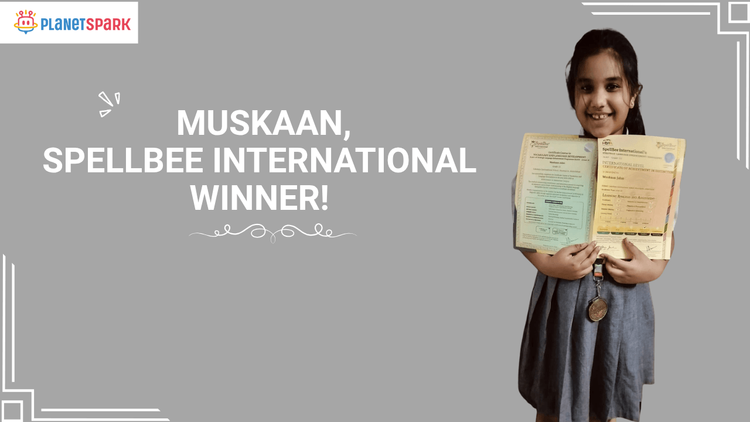
Muskaan (SpellBee International Participant)
We are beyond proud of Muskaan from PlanetSpark, who showcased her spelling brilliance at the SpellBee International Programme.
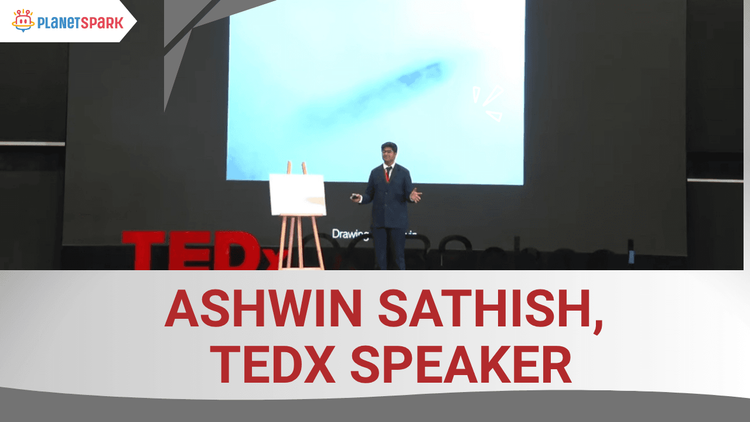
Ashwin Sathish (TEDx Speaker)
Ashwin Sathish, Grade 8 from New Delhi, stood tall as a TEDx Speaker, sparking conversations that truly matter. From classroom confidence to commanding a global stage, his journey reflects the power of voice, vision, and courage.

Eshaan (Published Author)
Eshaan has officially became a published author, turning classroom activity into a captivating storybook.
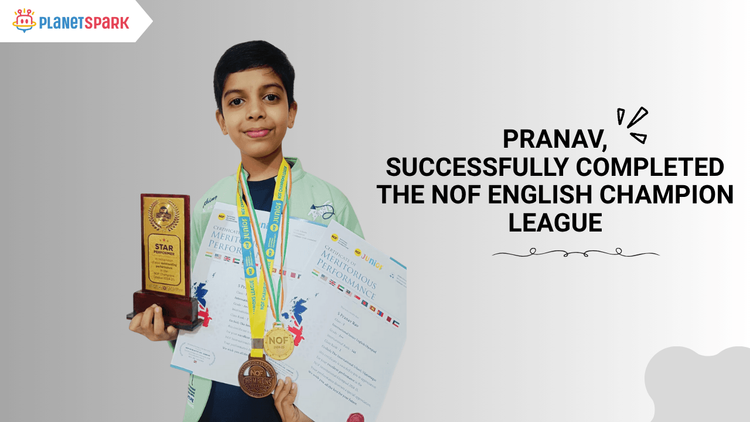
Pranav (NOF English Champion League)
Pranav, a Grade 3 star, has successfully completed the NOF English Champion League, showcasing his brilliance in Public Speaking and Creative Writing.
Ovia Singh (TEDx Speaker)
Oviya Singh from PlanetSpark challenged the status quo in her TEDx Talk, asking, ‘Is the world running out of food?’ as she highlighted the importance of soil conservation.
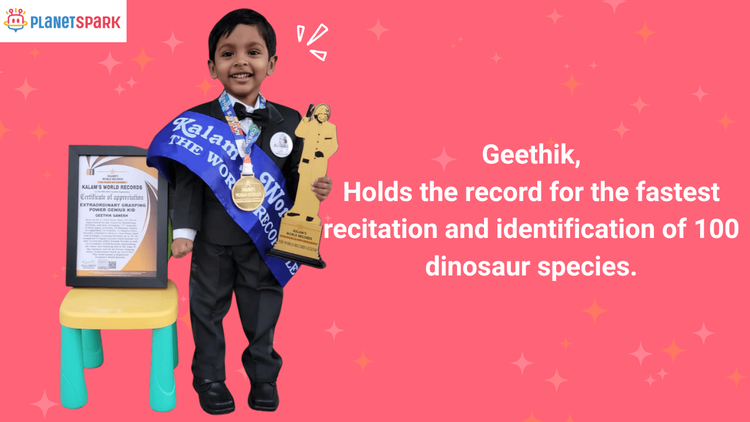
Geethik (Fastest Recitation)
Geethik’s PlanetSpark-sharpened speaking skills helped him set a 100-dinosaur recitation record.
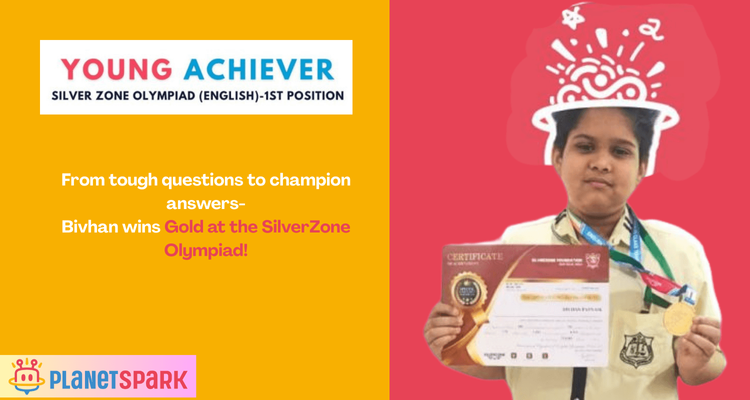
Bivhan Patnaik (SilverZone Olympiad)
Bivhan, in just Grade 4, wins Gold at the SilverZone Olympiad, a true symbol of brilliance, focus, and PlanetSpark-guided success.
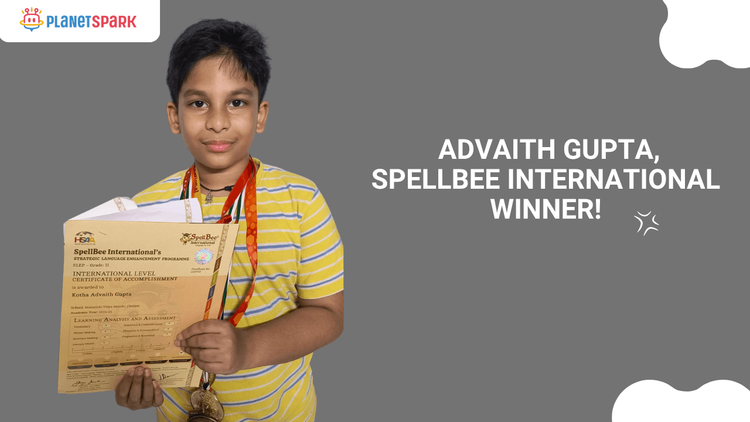
Advaith Gupta (SpellBee International)
Advaith Gupta – Spelling His Way to Global Recognition! From mastering vocabulary to shining at SpellBee International, Advaith creates remarkable achievements.
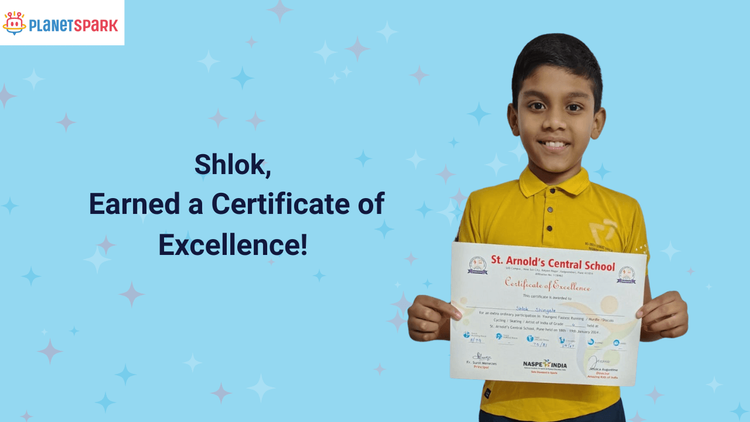
Shlok (certificate of excellence)
Earned a Certificate of Excellence, showcasing his growing confidence and skills nurtured at PlanetSpark.
Ovia Singh, 11 Years
Oviya Singh from PlanetSpark challenged the status quo in her TEDx Talk, asking, ‘Is the world running out of food?’ as she highlighted the importance of soil conservation.
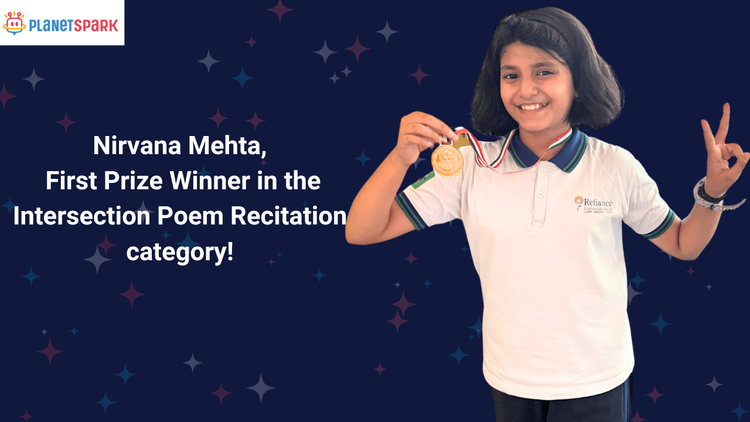
Nirvana Mehta (Wom Poem Recitation)
First Prize Winner in the Intersection Poem Recitation category
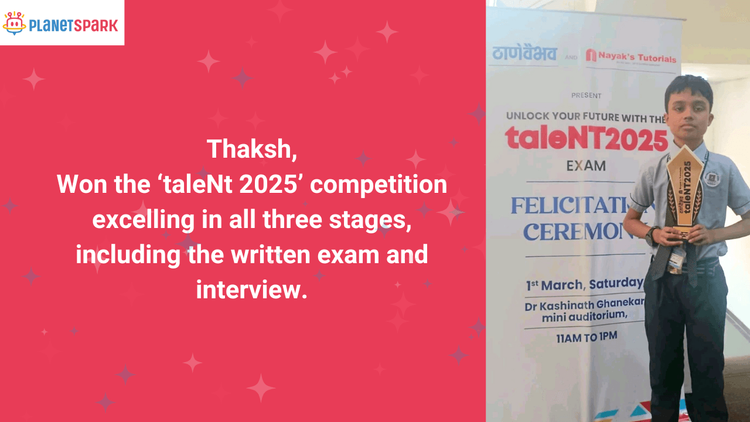
Thaksh (Won the ‘taleNt 2025’ competition)
Thaksh, won the ‘taleNt 2025’ competition in Thane after excelling in all three stages, including the written exam and interview.
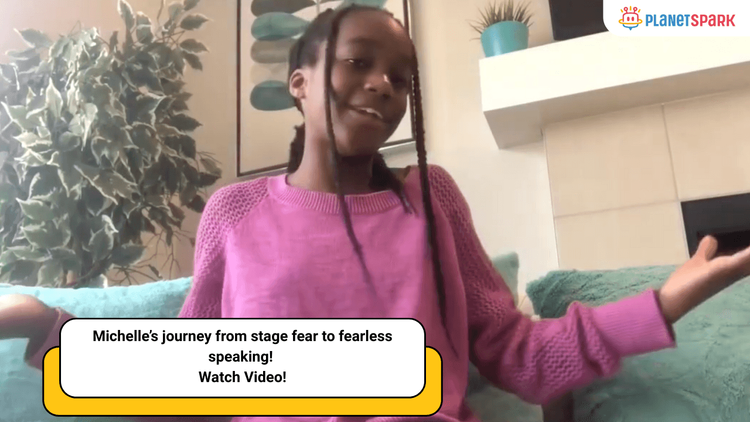
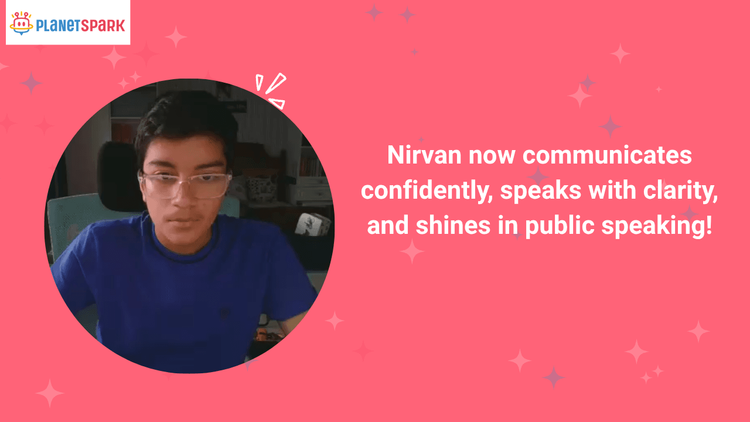
Nirvaan, Grade 9
Nirvan now communicates confidently, speaks with clarity, and shines in public speaking!
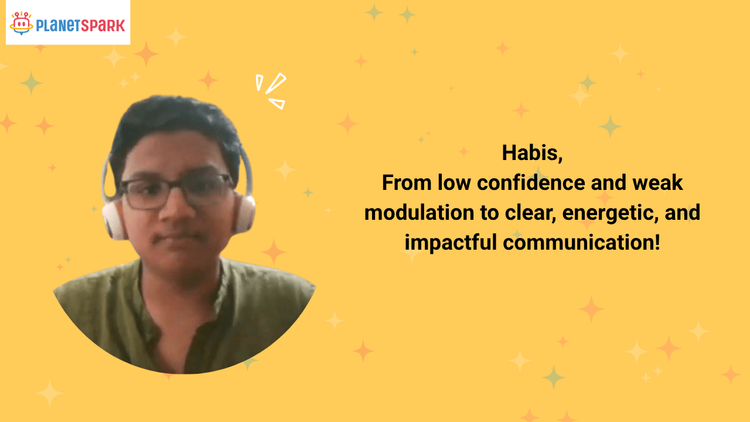
Habis, Grade 9
Meet Habis — once a shy speaker, now delivering every message with clarity, confidence, and strong stage presence.

Prathmesh (Got 3rd Prize in MUN)
Secured Third Prize at a Model United Nations event, reflecting his strong communication and critical thinking skills built at PlanetSpark.
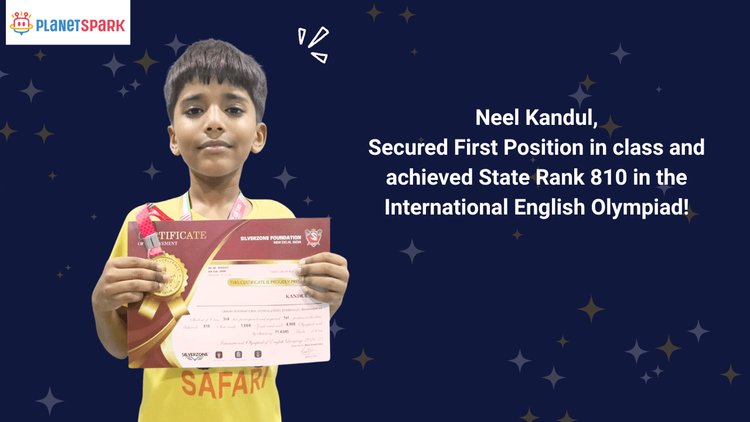
Neel Kandul, First Position in class and State Rank 810 in the International Olympiad of English Language.
First Position in class and State Rank 810 in the International Olympiad of English Language.
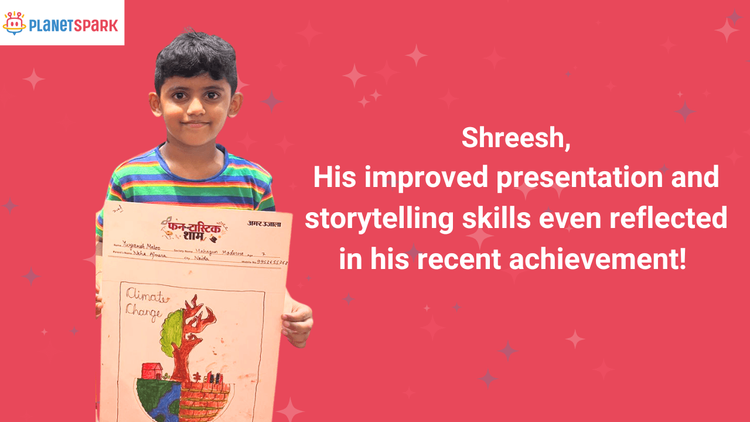
Shreesh
His improved presentation and storytelling skills even reflected in his recent achievement — winning second place in the Junior Category of a drawing competition on ‘Climate Change’ organized by the Amar Ujala team.
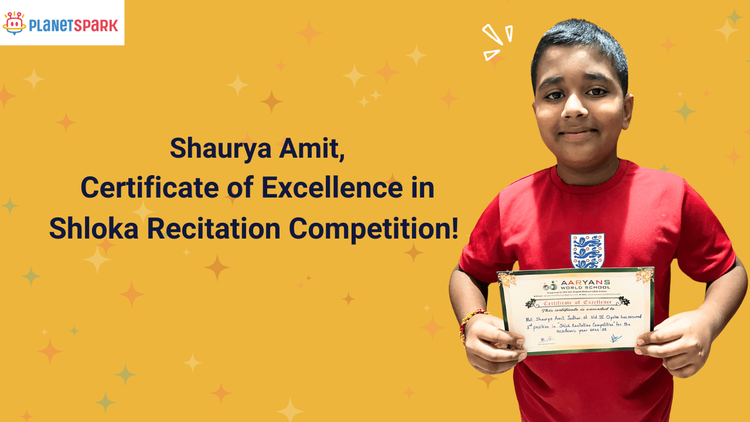
Shaurya Amit (Certificate of Excellence)
Certificate of Excellence in Shloka Recitation Competition
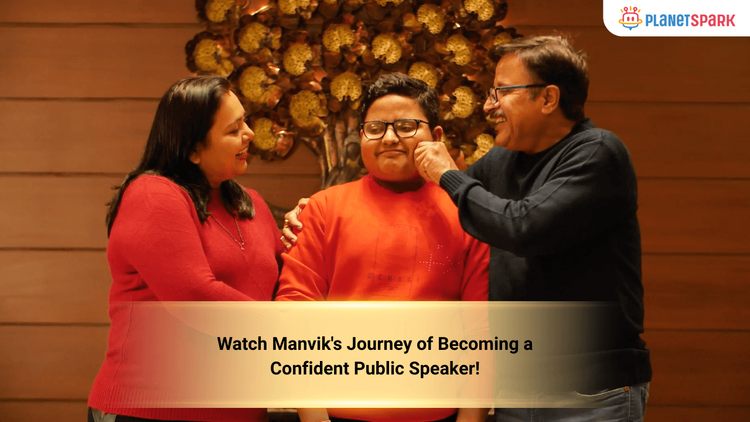
Manvik, 10 Years
Manvik Kumar, a student at PlanetSpark shares his story of becoming a confident Public Speaker.
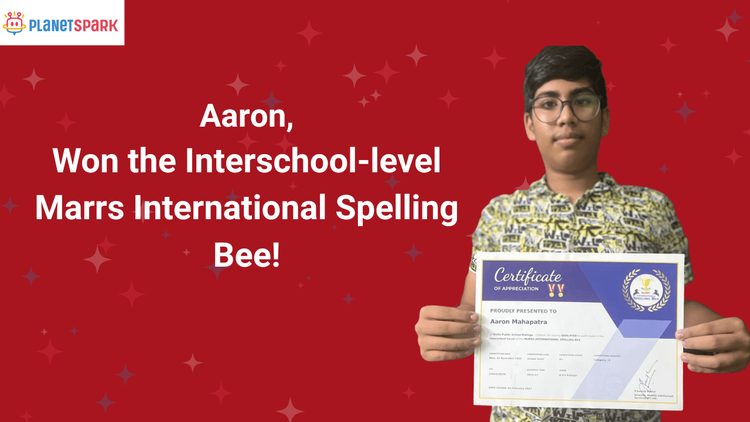
Aaron, International Spelling Bee Winner
Won at the Interschool-level Marrs International Spelling Bee, showcasing strong language skills and consistent PlanetSpark-driven growth.
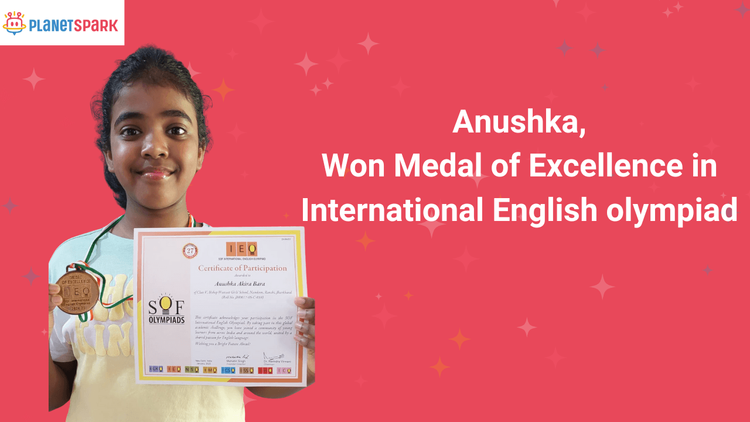
Anushka, Won Medal of Excellence in International English olympiad
Anushka won medal of excellence in International English olympiad. She scored sixth position in her school in olympiad.
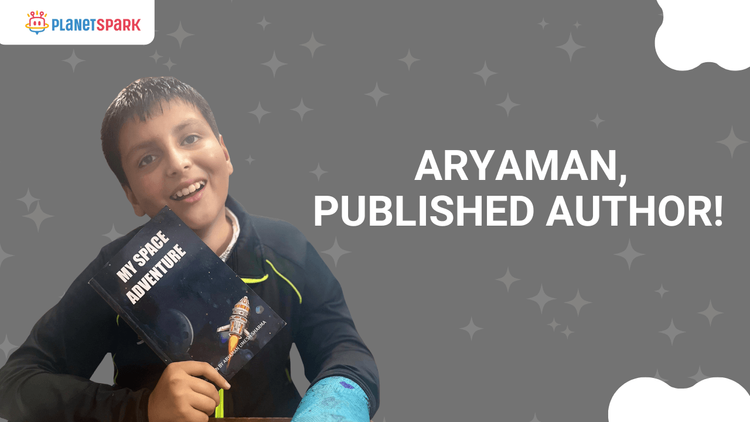
Aryaman, Published Author
Aaryaman became a published author, reflecting his creativity, communication skills, and confidence nurtured at PlanetSpark.
Frequently Asked Questions
How can I help my child improve spoken English at home?
+Encourage daily conversations in English, use games and storytelling, and introduce new words regularly. Practice in a fun and stress-free environment.
What is the right age to start learning spoken English?
+Children can start as early as 3–5 years old, as this is when language learning ability is at its peak.
Can shy children learn spoken English easily?
+Yes, with the right environment and supportive guidance, shy children can gradually overcome hesitation and become confident speakers.
How long does it take to see improvement?
+Most participants notice improvement in clarity and confidence within a few weeks of consistent practice.
Why is spoken English important for kids?
+It helps children communicate effectively, boosts confidence, and prepares them for academic and future career opportunities.
No matter what type of learner your child is, PlanetSpark helps set your child up for success by providing online classes with a curriculum that's designed to develop essential skills to make your child future-ready.

No matter what type of learner your child is, PlanetSpark helps set your child up for success by providing online classes with a curriculum that's designed to develop essential skills to make your child future-ready.
No matter what type of learner your child is, PlanetSpark helps set your child up for success by providing online classes with a curriculum that's designed to develop essential skills to make your child future-ready.