
Low Hanging Fruit Strategy: Easy Wins to Improve Business Performance


Table of Contents
- What is Low Hanging Fruit in Business?
- High-Impact, Low-Effort Strategies
- How to Identify Easy Wins
- Turning Small Wins into Long-Term Growth
- Applying the Low Hanging Fruit Strategy in Business
- Common Mistakes to Avoid
- The Role of Communication in Quick Business Wins
- Strengthen your Communication with PlanetSpark Business Comm
- Small Wins Today, Big Success Tomorrow
In a fast-paced work environment, many professionals feel overwhelmed by large goals, tight deadlines, and constant pressure to perform. Many working professionals feel stuck when business goals seem too big or complex. You may be putting in long hours but not seeing quick results. The challenge is not always about working harder but about working smarter. This is where the concept of low hanging fruit becomes powerful. It helps you focus on small, achievable tasks that deliver immediate impact without overwhelming effort.
In this blog, you will understand what is low hanging fruit in business and how to use it effectively in your daily work. We will explore high-impact strategies, practical ways to identify quick wins, and how to turn small improvements into long-term success. You will also learn how communication plays a key role in executing these strategies.
If you are looking for faster progress with less stress, this approach can change how you work starting today. By the end, you will be equipped to identify quick wins and turn them into long-term success.
What is Low Hanging Fruit in Business?
Low hanging fruit refers to tasks or opportunities that require minimal effort but deliver noticeable results. For working professionals, identifying these easy wins can improve productivity, boost confidence, and create momentum in business performance. These are quick wins that require less effort, time, or resources but can significantly improve performance.
In a business context, low hanging fruit helps professionals prioritize smartly instead of working harder without direction. It shifts your focus from complex long-term strategies to immediate, achievable actions.
Key Characteristics of Low Hanging Fruit
- Easy to implement with existing resources
- Requires minimal time investment
- Delivers visible results quickly
- Low risk but high value
- Helps build momentum and confidence
Real-Life Examples
- Responding faster to client emails to improve satisfaction
- Fixing minor errors in presentations or reports
- Updating outdated content on a company website
- Streamlining a repetitive daily task
- Improving team communication clarity
These tasks may seem small, but when done consistently, they create noticeable improvements in performance and efficiency.
Why It Matters for Working Professionals
For professionals managing multiple responsibilities, focusing on low hanging fruit helps:
- Reduce stress and overwhelm
- Build confidence through quick success
- Improve productivity without burnout
- Show visible results to managers and stakeholders
Understanding what is low hanging fruit in business allows you to work smarter and position yourself as a problem solver.

High-Impact, Low-Effort Strategies
Not all quick wins are equally valuable. The goal is to focus on high-impact, low-effort strategies that directly improve business outcomes. These strategies help you maximize results while minimizing effort.
1. Improve Communication Clarity
Miscommunication often leads to delays and mistakes. By simply making your communication clearer, you can improve efficiency across teams.
How to apply:
- Use simple and direct language
- Structure emails with clear points
- Confirm understanding during meetings
2. Optimize Daily Workflows
Look at your daily tasks and identify repetitive actions that can be simplified.
Examples:
- Use templates for emails and reports
- Automate routine tasks using tools
- Prioritize tasks using a simple checklist
3. Strengthen Client Interactions
Small improvements in how you communicate with clients can create a strong impact.
Try this:
- Respond within a fixed time frame
- Personalize your communication
- Follow up regularly
4. Enhance Presentation Skills
Presenting ideas clearly can make a big difference in workplace success.
Quick wins include:
- Practicing key points before meetings
- Using simple visuals instead of heavy text
- Speaking with confidence and clarity
5. Focus on Quick Skill Upgrades
Instead of learning everything at once, focus on small skills that deliver immediate value.
For example:
- Learning how to structure a professional email
- Improving tone and body language
- Practicing concise speaking
These strategies may seem basic, but they directly influence productivity, teamwork, and results.
"Want to communicate ideas more clearly at work? Book a free PlanetSpark demo today."
How to Identify Easy Wins
Identifying low hanging fruit requires observation and awareness. You need to look at your work from a problem-solving perspective rather than just completing tasks.
Step 1: Analyze Daily Tasks
Start by reviewing your daily responsibilities. Ask yourself:
- Which tasks take the least time?
- Which tasks create the most visible results?
- Where do small improvements make a big difference?
Step 2: Look for Repeated Problems
Repeated issues often indicate easy opportunities for improvement.
Examples:
- Frequent email misunderstandings
- Delayed responses from team members
- Errors in reports or documents
Fixing these issues can lead to immediate improvement.
Step 3: Gather Feedback
Feedback from managers, clients, or colleagues can highlight areas where small changes can create impact.
Ask questions like:
- What can I improve quickly?
- Where do I add the most value?
- What slows down the workflow?
Step 4: Focus on Visibility
Choose tasks that are visible and measurable. This ensures your efforts are noticed and appreciated.
Step 5: Prioritize Effort vs Impact
Use a simple approach:
- Low effort + high impact = Do immediately
- High effort + low impact = Avoid or delay
Common Easy Wins in Business
- Improving meeting structure
- Reducing unnecessary communication
- Clarifying roles and responsibilities
- Fixing small process inefficiencies
On learning how to identify easy wins, you can consistently improve your performance without increasing workload.
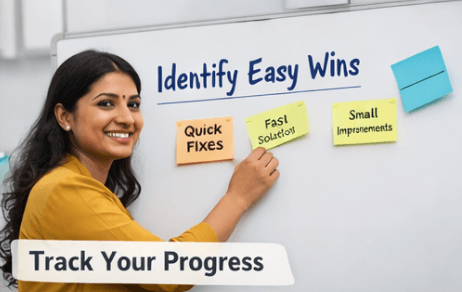
Turning Small Wins into Long-Term Growth
Low hanging fruit is not just about quick results. It is about building momentum that leads to sustainable growth.
Build Consistency
Small wins only matter when they are repeated. Make it a habit to identify and act on easy opportunities daily.
Track Progress
Keep a record of improvements you make. This helps you:
- Measure results
- Stay motivated
- Showcase your contributions
Expand Your Strategy
Once you gain confidence, move from small tasks to slightly bigger improvements.
For example:
- Start with improving emails
- Move to leading meetings
- Then work on team communication strategies
Develop Problem-Solving Skills
Low hanging fruit helps you develop a mindset focused on solutions rather than problems.
Avoid Common Mistakes
- Ignoring long-term goals
- Only focusing on easy tasks
- Not scaling improvements
Balance is key. Use quick wins to build momentum while also planning for long-term success.
"Discover your communication gaps with a free PlanetSpark session today."
Applying the Low Hanging Fruit Strategy in Business
Once you identify easy wins, the next step is to apply them effectively in your daily work. The real impact of the low hanging fruit strategy comes from consistent execution and alignment with business goals.
Build a Habit of Quick Improvements
Small actions can create big results when done consistently. Instead of delaying minor tasks, address them immediately to prevent them from becoming larger issues.
Examples include:
- Responding to important emails without delay
- Fixing small errors in reports or presentations
- Clarifying instructions during meetings to avoid confusion
These simple habits improve efficiency and reduce unnecessary back and forth at work.
Align with Business Goals
Not every quick task adds value. The key is to ensure your efforts contribute to larger business objectives.
For example:
- Improving communication to enhance team productivity
- Streamlining workflows to meet deadlines faster
- Strengthening client interactions to build long-term relationships
When your quick wins align with business priorities, they become more impactful and visible.

Track Your Progress
Monitoring your improvements helps you stay motivated and measure results effectively.
You can track:
- Time saved on repetitive tasks
- Faster completion of assignments
- Positive feedback from managers or clients
Tracking progress also helps you identify which actions deliver the best outcomes.
Common Mistakes to Avoid
While the low hanging fruit strategy is powerful, certain mistakes can reduce its effectiveness. Being aware of these pitfalls can help you use the approach more strategically.
Ignoring Long-Term Goals
Focusing only on quick wins can limit growth. Always balance short-term improvements with long-term planning.
Overvaluing Small Tasks
Not every easy task is important. Prioritize those that contribute to meaningful business outcomes.
Lack of Consistency
One-time improvements do not create lasting impact. Consistency is essential for sustainable success.
Poor Communication
Even simple tasks can fail if instructions are unclear. Strong communication ensures that your efforts lead to the desired results.
The Role of Communication in Quick Business Wins
Strong communication is often the easiest and most effective low hanging fruit in any organization.
Why Communication Matters
- Reduces misunderstandings
- Improves collaboration
- Speeds up decision-making
- Builds professional credibility
Quick Communication Improvements
- Speak clearly and confidently
- Listen actively
- Structure your thoughts before speaking
- Adapt your tone based on the audience
Workplace Example
A professional who communicates clearly in meetings often stands out more than someone with technical skills but poor communication. This is why communication is one of the fastest ways to improve business performance.

Strengthen your Communication with PlanetSpark Business Communication Course
At PlanetSpark, we provide programs for kids, and working professionals who want to improve communication, confidence, and clarity. Many professionals today struggle to express ideas effectively, which affects performance and growth. Structured learning helps bridge this gap. PlanetSpark offers a practical approach to mastering communication skills through guided training and real-world practice.
What all you can expect from this course:
- A personalised skill check to identify your current level with expert teachers
- 1:1 live interaction with a certified trainer who specializes in business communication skills
- Activities based on real workplace situations
- A clear improvement roadmap tailored to your career goals
- Focus on real communication challenges faced in the workplace
- Effective feedback from experts to identify your pain points and work on them
Small Wins Today, Big Success Tomorrow
Success in business does not always come from big breakthroughs. It often begins with small, consistent improvements. The low hanging fruit approach teaches you to focus on what is achievable right now and use it as a stepping stone for bigger goals.
When you build the habit of identifying and acting on easy wins, you develop confidence, clarity, and control over your work. Over time, these small actions create lasting impact on your performance and career growth.
Start small, stay consistent, and keep improving.
"Don't delay, start improving your workplace communication and performance today. Book your free PlanetSpark demo now."
Frequently Asked Questions
It refers to easy tasks that require minimal effort but deliver quick and meaningful results.
It helps professionals achieve quick wins, improve productivity, and build confidence without stress.
Analyze daily tasks, look for repeated problems, gather feedback, and focus on high-impact, low-effort activities.
No, it should be balanced with long-term strategies for sustainable growth.
Yes, improving communication is one of the fastest and most effective ways to enhance performance.
Improving emails, fixing small errors, responding faster, and streamlining tasks are common examples.
It reduces overwhelm, increases efficiency, and helps deliver visible results quickly.
Personalized Communication Roadmaps
Record a video to get a AI generated personalized communication reports