Business Communication and Career Growth
Business communication plays a direct role in professional success and long term career growth. Strong communication abilities are consistently ranked among the most important soft skills employers look for when hiring and promoting working professionals.
Role of Communication in Career Advancement
Research on workplace communication shows that professionals who communicate clearly are more likely to be trusted with leadership responsibilities. Effective communication in the workplace supports:
Clear expression of ideas and opinions
Better collaboration with teams and stakeholders
Strong professional relationships with clients and managers
Communication Skills for Resume and Leadership
Communication is a core requirement under soft skills for resume and leadership evaluations. Skills such as written communication, presentation skills, and business writing signal professionalism and readiness for higher roles.
Workplace Communication as a Leadership Skill
Leaders rely on strong communication to guide teams, manage conflict, and align everyone with organizational goals. A well managed communication process reduces misunderstandings and improves overall performance.
How to Improve Career Communication Skills (Quick Tips)
Practice clear written and verbal communication
Improve presentation skills through regular speaking opportunities
Ask for feedback from peers and managers
Strong business communication strengthens career progression, leadership readiness, and workplace effectiveness.
Discover commonly used English phrases that improve clarity and confidence in workplace communication in Common English Phrases for Professionals: Improve Your Workplace Communication
Types of Business Writing in the Workplace
Business writing supports both internal and external business communication. Each type serves a specific purpose in the communication process and helps ensure clarity, professionalism, and consistency.
1. Business Letter Writing
Business letter writing is used for formal external communication with clients, partners, and institutions.
It follows a defined business letter writing format, including sender details, subject, body, and closing.
Used for:
Official requests and responses
Client communication and agreements
Legal or policy related correspondence
Strong business letters reflect professionalism and support effective workplace communication.
2. Email and Memo Writing
Emails and memos are the most common forms of written communication in daily business operations.
Used for:
Clear email writing reduces misunderstandings and helps overcome barriers of business communication.
3. Report Writing in Business Communication
Report writing in business communication focuses on presenting data, analysis, and recommendations in a structured way.
Used for:
Performance and progress reports
Research findings and audits
Management decision making
Reports support formal communication and long term record keeping.
4. Proposal and Plan Writing
Writing proposals and plans is essential for strategy and growth. This includes how to write a business proposal and writing a business plan.
Used for:
Well written proposals strengthen persuasion and decision making.
5. Instructional and Policy Documents
These documents guide employees and ensure consistency in operations.
Used for:
They support clarity, reduce confusion, and strengthen workplace communication.
Improve your written communication with professional examples in Follow Up Email Guide: Professional Samples & Templates.
Professional Written Communication for Career Success
This section focuses on practical written communication used for career growth and day to day workplace communication. It connects business communication skills with real professional outcomes.
Email Writing in Business Communication
Email writing is one of the most frequent forms of business communication. Clear subject lines, concise messaging, and professional tone help reduce barriers of business communication and improve response rates.
Used for:
Internal coordination and updates
Client and stakeholder communication
Follow ups and formal requests
Resume Writing and Soft Skills for Resume
Resumes are a form of strategic written communication. Employers actively look for communication ability under soft skills sections.
Focus areas include:
Clear articulation of roles and achievements
Highlighting communication, presentation skills, and teamwork
Aligning soft skills with job requirements
Professional Summary and Workplace Communication
A professional summary communicates value quickly. It reflects how well a professional can present ideas in writing, a key aspect of effective communication in the workplace.
Strong summaries:
Use clear and confident language
Focus on impact and outcomes
Demonstrate business communication awareness
How to Improve Professional Writing (Quick Tips)
Keep language simple and results focused
Avoid jargon and long sentences
Proofread for clarity and tone
Prepare for real hiring conversations and strengthen your communication skills with Mock Interview Practice to Get Job Ready | PlanetSpark.
Improving Business Communication Skills at Work
Improving business communication is an ongoing process that strengthens performance, collaboration, and leadership readiness. For working professionals, communication improvement directly impacts productivity, trust, and career growth.
Key Areas to Focus On
Effective improvement begins with understanding how messages are created and received within the communication process. Research on workplace communication shows that clarity, feedback, and adaptability are essential for reducing errors and misunderstandings.
Focus on:
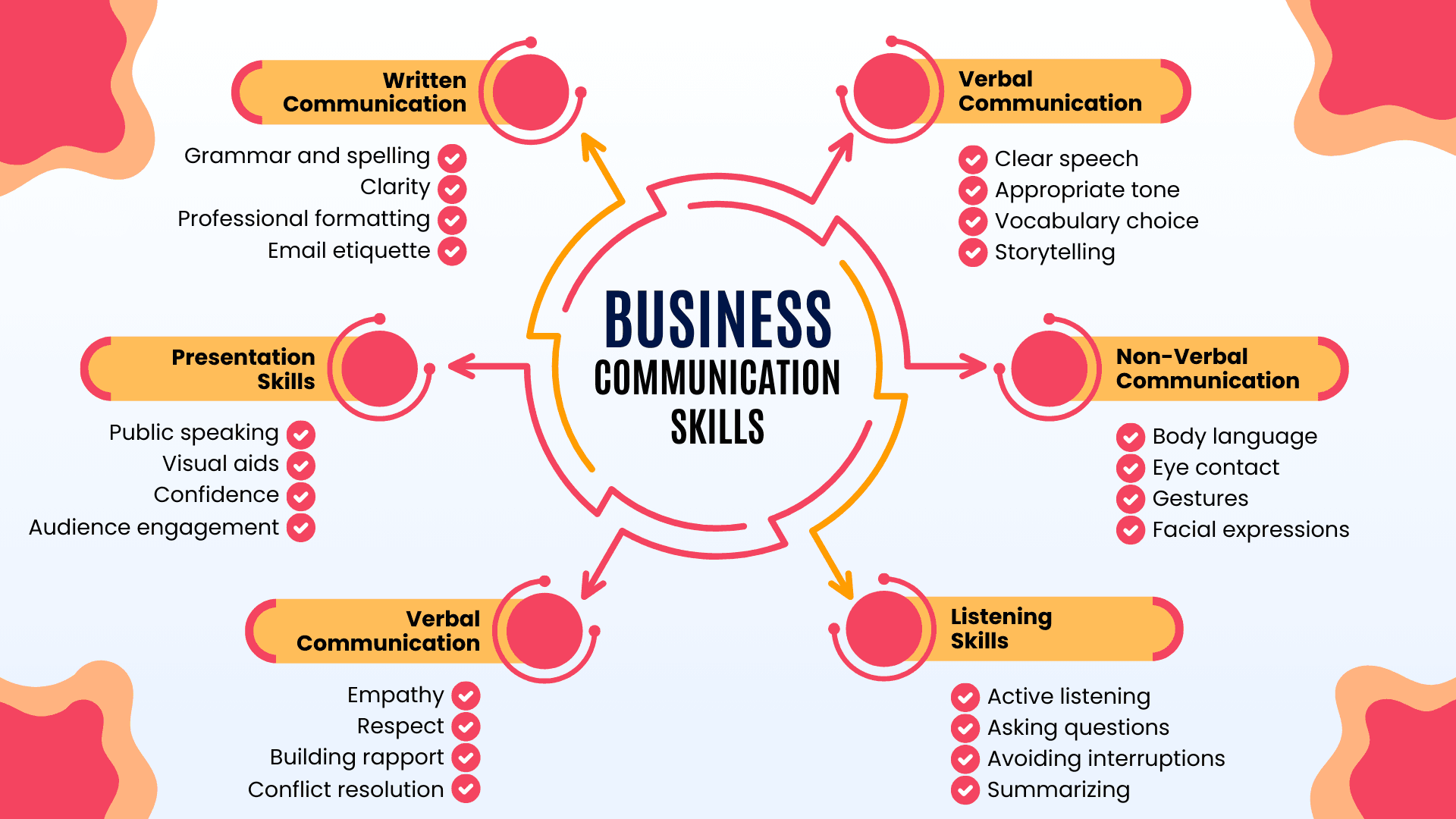
Verbal clarity and active listening
Strong written communication for emails and reports
Confident presentation skills in meetings
Role of Soft Skills Training
Soft skills training plays a critical role in developing communication abilities. Training programs that simulate real workplace scenarios help professionals practice business communication, overcome barriers of business communication, and apply skills immediately.
Communication Improvement at the Workplace
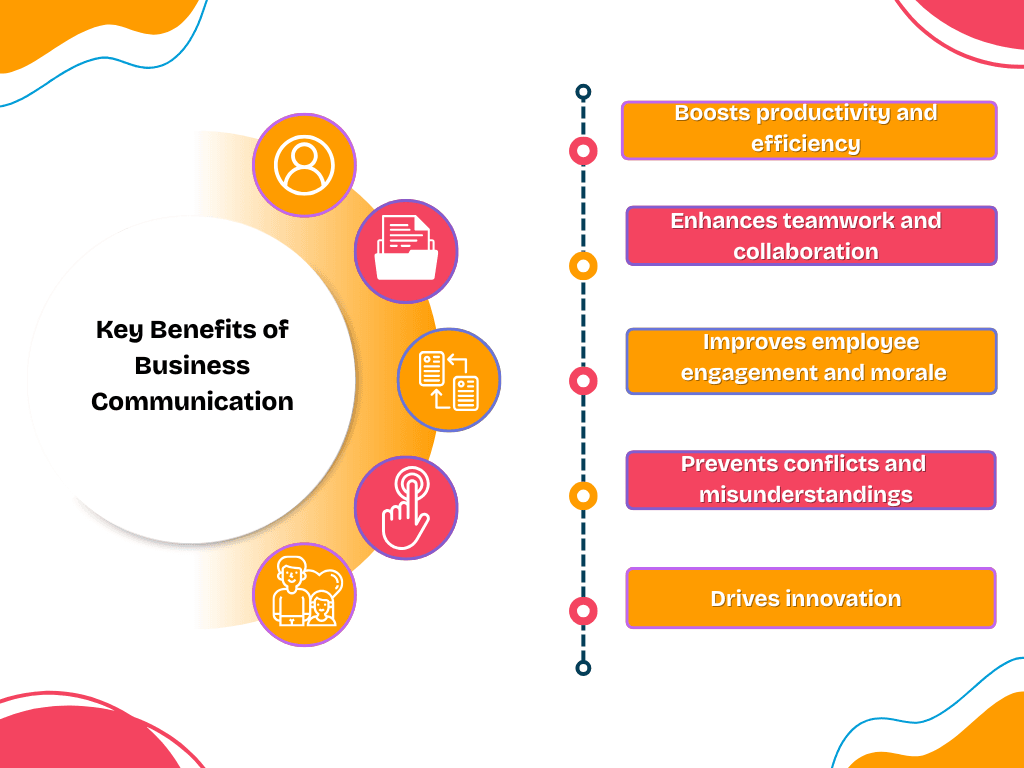
Organizations that invest in communication development report higher employee engagement and better teamwork. Effective communication in the workplace supports smoother collaboration and faster decision making.
Business Communication Resources and Practical Learning
Building strong business communication skills requires continuous learning and real workplace application. For working professionals, using the right resources helps strengthen soft skills, improve written communication, and master presentation skills over time.
Learning Business Communication Effectively
Research on adult learning shows that communication skills improve faster when theory is combined with practice. Understanding what do you mean by communication or what is business communication is important, but applying it in real scenarios creates lasting impact.
Effective learning includes:
Practicing real workplace communication situations
Applying feedback to improve the communication process
Developing confidence in written communication and presentations
Role of Structured Communication Programs
Structured learning programs and soft skills training help professionals work on business writing, workplace communication, and presentation skills in a guided way. These programs focus on clarity, confidence, and practical application rather than theory alone.
Using Business Communication Tools
Resources such as templates, examples, and guided practice support:
Business writing and professional emails
Reports and proposals in business communication
Presentation skills development
Business Communication in the Digital Workplace
The modern workplace relies heavily on digital channels, making business communication more dynamic and fast paced. Digital tools have transformed how professionals manage written communication, collaborate with teams, and maintain effective communication in the workplace.
Digital Channels in Business Communication
Emails, messaging platforms, video meetings, and collaboration tools are now central to the communication process. Research on workplace communication indicates that while digital tools increase speed, they also increase the risk of misinterpretation if messages are not clear.
Common digital communication channels include:
Emails and instant messaging
Video conferencing and virtual meetings
Shared documents and collaboration platforms
Challenges of Digital Communication
Digital communication often lacks non verbal cues, which can create barriers of business communication. Tone misinterpretation, information overload, and unclear messages are common challenges in workplace communication.
Best Practices for Digital Workplace Communication
Strong soft skills help professionals adapt their communication style across digital platforms. Clear written communication, structured messaging, and respectful tone improve clarity and reduce misunderstandings.
Future of Business Communication and Workplace Skills
The future of business communication is shaped by changing workplaces, digital collaboration, and rising expectations around soft skills. For working professionals, communication is no longer just about sharing information but about influencing, aligning, and leading effectively.
Evolving Communication Expectations at Work
Research on workplace trends shows that organizations increasingly value communication abilities alongside technical expertise. The shift toward hybrid and remote work has made written communication, clarity, and presentation skills even more critical.
Key changes include:
Greater reliance on clear written communication
Increased importance of presentation skills in virtual settings
Higher demand for strong soft skills for resume and leadership roles
Soft Skills as Future Ready Career Skills
As automation handles technical tasks, human centered skills gain importance. Communication, adaptability, and collaboration consistently rank high in studies on future workforce skills. This reinforces the importance of soft skills meaning in long term career success.
Business Communication as a Leadership Capability
Future leaders will be evaluated not just on results but on how effectively they communicate vision, feedback, and strategy. Strong business communication supports trust, engagement, and organizational alignment.