
How Active Listening Skills For Children Aged 6-12 is Crucial
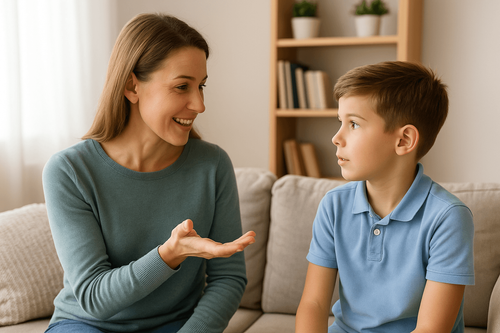

Table of Contents
- Why Listening Matters More Than We Realize
- What Does Active Listening Look Like for Children?
- Step 1: Model Good Listening at Home
- Step 2: Turn Everyday Moments into Listening Games
- Step 3: Teach Mindful Pausing
- Step 4: Encourage Eye Contact and Body Language
- Step 5: Balance Talking and Listening Time
- Step 6: Praise Effort, Not Just Results
- Step 7: Build Family Listening Rituals
- Step 8: Reduce Distractions During Conversations
- Step 9: Introduce Conversations
- Step 10: Be Patient, Listening Is a Lifelong Skill
- The Role of PlanetSpark in Building Communication Skills
- Takeaway
Every parent wants their child to be heard, but it starts with teaching them how to listen. Active listening skills for children are usually overlooked. Between screens, schoolwork, and constant stimulation, paying attention has become harder than ever for young minds. The good news is that listening can be taught through simple, engaging habits at home.
This blog shares practical steps to improve listening skills in kids using fun, daily activities that make learning feel natural and enjoyable.
Why Listening Matters More Than We Realize
Listening is not just about staying quiet while someone speaks. It is about understanding, empathy, and connection. Children who develop active listening skills tend to do better in school, form stronger friendships, and grow into thoughtful communicators.
When parents intentionally focus on active listening skills for children, they help kids learn how to process information, read emotions, and respond thoughtfully. Listening is the foundation of speaking; it teaches kids how to pause, think, and express themselves clearly.
What Does Active Listening Look Like for Children?
Before teaching listening, it helps to know what it looks like. Children who listen actively show certain behaviors: they make eye contact, nod, ask questions, and remember what was said. These actions show engagement rather than passive hearing.
At ages 6 to 12, kids are naturally curious and full of thoughts. Helping them channel this energy into active listening skills for children teaches patience, focus, and respect during conversations. It also builds empathy, as they learn to truly understand the feelings behind others’ words.
Active listening is not a one-time lesson but a daily practice, and the earlier you begin, the stronger the skill becomes.
Step 1: Model Good Listening at Home
Children learn how to listen by watching how adults do it. Parents can demonstrate active listening by maintaining eye contact, not interrupting, and showing interest when their child speaks.
Try this simple activity: when your child tells a story, repeat part of what they said before replying. This shows them that you were paying attention. Over time, kids mirror that behavior. This is one of the most powerful practical steps to improve listening skills in kids.
When families model this skill consistently, home becomes a space for respectful dialogue. Kids begin to see listening as something valuable, not something forced.

Step 2: Turn Everyday Moments into Listening Games
Games make listening fun. Parents can use small, daily moments to encourage active listening skills for children without formal lessons.
Here are a few children’s listening skills activities at home that can make a big difference:
- Story Relay: Start a story and ask your child to continue it after listening carefully.
- Simon Says with a Twist: Add funny or complex commands to make them listen to detail.
- Mystery Sound Game: Play everyday sounds (door closing, pencil tapping, dog barking) and ask your child to identify them.
Such activities teach kids to focus on words, tone, and detail, essential parts of listening attentively. They also make practice feel like playtime, not homework.
Step 3: Teach Mindful Pausing
In our fast world, children often feel the urge to respond immediately. Teaching them to pause before replying builds thoughtfulness.
A simple technique is the “Count to Three Rule.” When someone finishes talking, the child silently counts to three before responding. This moment helps them absorb meaning instead of reacting quickly.
Encouraging this small habit strengthens active listening skills for children. It trains their brains to process before speaking and helps reduce misunderstandings or interruptions during conversations.
Help your child listen, connect, and grow with confidence!
Explore Planetspark’s Live Communication Classes designed for kids aged 6–12.
Step 4: Encourage Eye Contact and Body Language
Listening is both verbal and non-verbal. Children communicate understanding through posture, gestures, and expressions. Encourage them to look at the person speaking, nod occasionally, and use small facial cues that show they are engaged.
Play the “Mirror Game.” Take turns being the speaker and listener. The listener mirrors the speaker’s expressions and actions while maintaining focus. This fun exercise builds awareness and empathy, both core to active listening skills for children.
Over time, this awareness extends beyond family interactions, helping them connect better at school and in group settings.
Step 5: Balance Talking and Listening Time
In many homes, children hear instructions more than conversations. Creating a balance between speaking and listening helps them feel respected and involved.
During mealtimes or bedtime chats, let your child lead the discussion for a few minutes each day. Ask follow-up questions like “What happened next?” or “How did you feel about that?” This encourages them to stay on topic and notice when others speak.
Through small, consistent routines, active listening skills for children become second nature.
Step 6: Praise Effort, Not Just Results
Positive reinforcement encourages children to keep improving. Instead of only praising them when they answer correctly, appreciate moments when they listen patiently or ask meaningful questions.
Example: “I liked how you waited for your turn before speaking.” This makes listening feel rewarding and builds emotional maturity.
Parents who consistently reinforce effort help strengthen active listening skills for children far more effectively than those who correct mistakes.
Step 7: Build Family Listening Rituals
Listening habits grow best when practiced regularly. Try setting up short family listening rituals that make communication consistent and enjoyable:
- Evening Roundtable: Everyone shares one thing they learned today while others listen quietly.
- Story of the Week: Take turns narrating stories, ensuring each listener repeats key details at the end.
- Music and Meaning: Play songs and ask your child what message or feeling they heard.
These small rituals not only improve conversation skills for children ages 6-12 but also deepen family bonds.

Step 8: Reduce Distractions During Conversations
In a world full of notifications, teaching focus is crucial. When your child talks, keep devices away. Encourage face-to-face communication instead of multitasking.
This shows respect and demonstrates that listening deserves attention. The environment you create at home influences how your child approaches conversations outside.
Even simple children’s listening skills activities at home work best in calm, distraction-free surroundings.
Step 9: Introduce Conversations
Once your child becomes comfortable listening, take it a step further with reflection. After a story, discussion, or class, ask:
- “What do you think that person meant?”
- “Why do you think they said that?”
- “What would you do differently?”
These questions turn passive listening into active comprehension. They deepen active listening skills for children and prepare them for real-world communication where empathy and understanding matter most.
Don’t wait to strengthen your child’s listening foundation!
Start their journey with PlanetSpark’s Online Speaking and Confidence Program.
Step 10: Be Patient, Listening Is a Lifelong Skill
Like reading or writing, listening develops over time. Some children grasp it quickly, while others need gentle repetition and examples.
The goal is not perfection but progress. Every small improvement counts. When parents keep encouraging, modeling, and making listening fun, children learn to value every voice around them. That is the essence of raising a great listener.
The Role of PlanetSpark in Building Communication Skills
PlanetSpark helps children grow into confident communicators by combining structured learning with interactive methods. Through storytelling, group discussions, and engaging play, kids build the confidence to speak and the patience to listen.
Trainers focus on active listening skills for children as the base of all communication activities. By using techniques like “Listen and Recall,” “Emotion in Voice,” and “Follow the Clue,” PlanetSpark ensures that learning stays enjoyable and consistent.
Children not only become good listeners but also empathetic speakers, capable of understanding others and expressing themselves clearly.
Takeaway
Raising a great listener is one of the most valuable gifts parents can give. With simple habits like modeling attention, creating family listening games, and maintaining open conversations, active listening skills for children can grow stronger each day.
These skills go beyond academics; they shape personality, empathy, and relationships. The earlier you start, the deeper the impact. By following these practical steps to improve listening skills in kids, parents can nurture thoughtful communicators who not only speak well but truly listen.
Don’t wait to unlock your child’s communication potential!
Enroll now in PlanetSpark’s Class 3 Grammar and Communication Program and help your child become a confident listener and speaker.
Frequently Asked Questions
Ages 6 to 12 are ideal, as children can understand feedback and apply techniques easily.
Include small listening games or reflection questions during routine conversations.
Better listening improves attention, comprehension, and classroom participation.
Yes. Planetspark’s courses develop active listening skills for children alongside speech clarity and confidence.
With regular practice, most parents notice better story flow and structure within a month.