
Advantages of Visual Communication with Real Life Examples


Many students struggle to understand concepts during lessons because long text-based explanations feel overwhelming, confusing or simply too boring. This is where visual communication turns into a powerful learning support. It uses images, diagrams, symbols and visual cues that make information simple, memorable and easier to process.
This blog explores all major advantages of visual communication, practical examples students use daily and the real importance it holds in school and life. Towards the end, find a helpful section on PlanetSpark communication skills courses that strengthen clarity, confidence and visual expression in students.
Advantages of Visual Communication
Visual communication plays an important role in learning, creativity, memory support and clarity. Below are ten detailed advantages with an image description for each.
1: Improved Understanding and Clarity
Visual communication removes unnecessary confusion by presenting information in a direct, simplified form. When students view diagrams, flowcharts or labelled illustrations, they immediately connect ideas without feeling overwhelmed by text-heavy explanations. Visuals highlight relationships, show processes step by step and reduce cognitive load. As a result, complex topics become easy to interpret. This advantage is especially useful in subjects like science and maths where concepts require visual demonstration for better comprehension.
2: Faster Information Processing
The human brain interprets images far quicker than text. When students encounter charts, icons or graphic summaries, the mind processes them instantly. Visual communication speeds up understanding, reduces the time spent decoding long paragraphs and supports intuitive learning. It allows learners to absorb key points rapidly during lectures, assignments or digital sessions. This speed improves productivity and promotes efficient studying, especially during revision or last minute preparation.
3: Better Memory Retention
Visual cues stay longer in memory because the mind remembers images more easily than plain words. This quality makes visual communication a powerful memory tool. Students using diagrams, picture charts or flashcards build stronger recall pathways. Visual memory helps during tests, presentations and classroom discussions. When learners associate an idea with an image, the information becomes easier to retrieve, leading to improved long term learning outcomes.

PlanetSpark has helped me enhance my communication and presentation skills in ways that directly impacted my career. The sessions focused on practical learning, from sentence formation to real-life conversations, that built my fluency and confidence. I can now express my ideas clearly during meetings and interviews, and it has significantly contributed to my professional progress.
Book a Free trial now!
4: Stronger Engagement and Attention
Visual elements such as infographics, animated content, classroom charts and colourful illustrations capture attention immediately. They break the monotony of text and keep learners alert throughout lessons. Visual communication transforms passive listening into active engagement. Students participate more, ask questions confidently and maintain interest for longer periods. This results in better academic performance and a more interactive learning environment.
5: Encourages Creative Thinking
Visual communication stimulates imagination. When students observe images, mind maps or conceptual sketches, they develop new ideas and creative interpretations. This advantage supports brainstorming, project creation and innovative problem solving. Visual learners become more expressive and confident while presenting ideas. Creativity grows naturally when learners think beyond written words and explore visual possibilities.
6: Reduces Language Barriers
Visuals deliver meaning even when language differs. Symbols, icons, pictures and non-verbal cues communicate ideas universally. Students from different backgrounds understand lessons more easily with visual support. This advantage also helps beginners, young learners and international students who may struggle with advanced vocabulary. Visual communication makes learning inclusive and accessible for everyone.
7: Improves Decision Making
Visual comparison tools such as bar graphs, charts, diagrams and trend visuals help learners make logical decisions. Students can examine data, spot patterns and evaluate alternatives with clarity. This advantage develops analytical skills and supports academic decision making in subjects like maths, science and economics. It also helps students interpret choices quickly during projects or daily activities.
8: Supports Emotional Expression
Visuals allow students to express emotions without relying on long verbal explanations. Drawings, colours, expression charts and symbolic representation help learners communicate feelings comfortably. This advantage is valuable for young children, introverted learners and students who find verbal expression challenging. Visual communication builds emotional awareness and encourages healthy emotional expression.
9: Enhances Learning for Visual Learners
Many learners naturally understand better through images rather than text or audio. Visual communication matches their learning style and strengthens academic understanding. Timelines, illustrated notes, labelled diagrams and design based tools help these learners perform confidently in schoolwork. This advantage ensures personalised learning and promotes better comprehension for different learner types.
Help children build clarity and confidence with PlanetSpark communication training.
Free trial available!
10: Makes Daily Communication More Convenient
Students encounter visuals everywhere, from digital platforms to public spaces. Icons, symbols, cues and interface visuals guide daily activities and save time. Visual communication simplifies navigation, assists decision making and reduces misunderstandings. It brings efficiency to daily routines in school, home and online environments. This convenience supports smooth communication throughout the day.
Real-Life Examples of Visual Communication Students Use Every Day
Visual communication is all around us inside classrooms, on our screens and even in our daily conversations. Here are the most common examples students interact with regularly, along with why they matter.
1. Sign Boards and Symbols
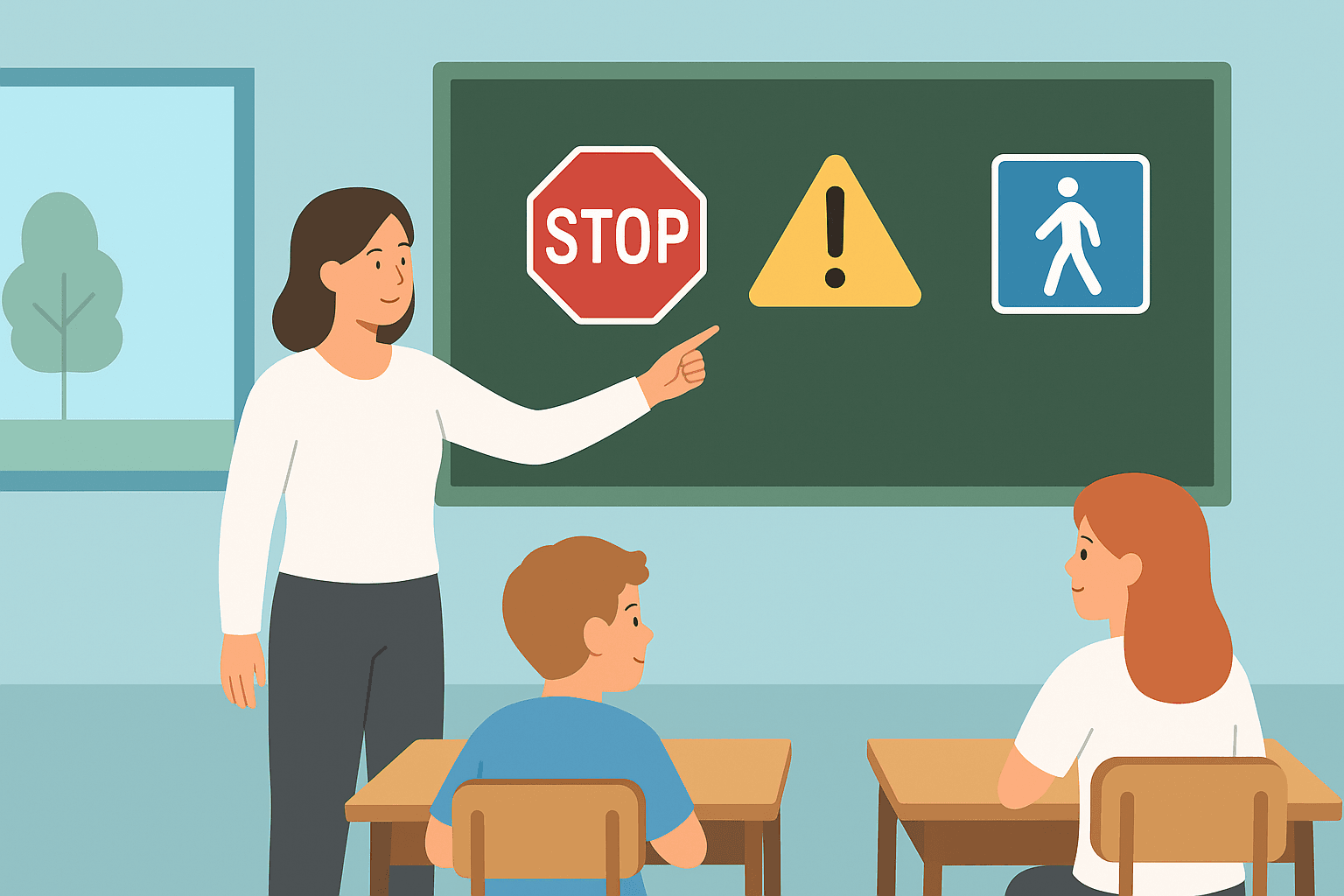
Students come across sign boards constantly on roads, in school corridors, near staircases, in playgrounds and public places. These visuals share messages instantly through graphics, colours and shapes.
Stop signs, fire exit arrows, washroom symbols, caution signs and school notice icons help students understand instructions without long explanations. These visuals are especially helpful in maintaining safety, giving directions and guiding behaviour quickly. They save time, reduce confusion and ensure that everyone—regardless of reading level—can understand essential information.
2. Textbooks with Diagrams and Illustrations
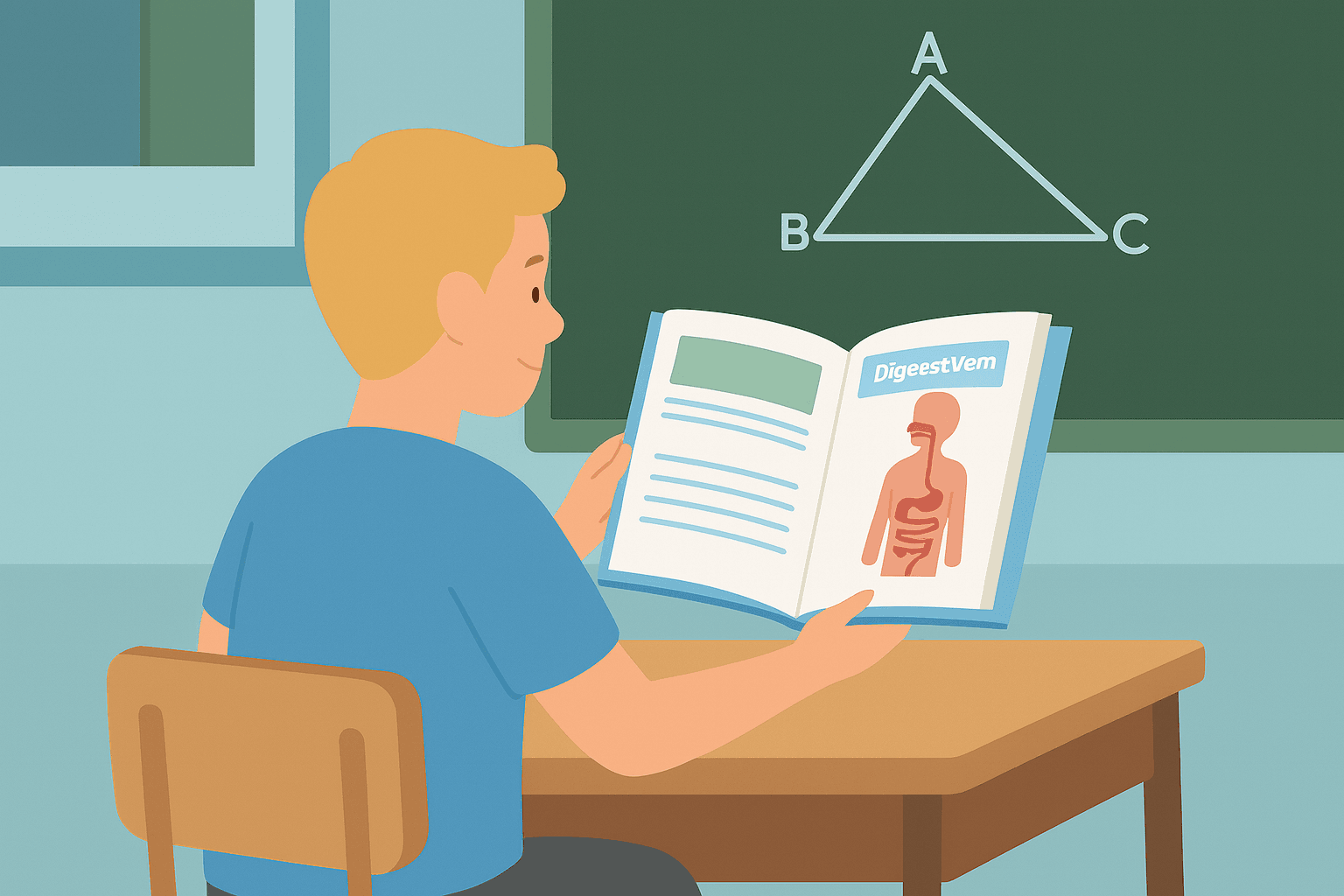
Textbooks are packed with visual elements that simplify learning. Science chapters often use labelled diagrams to explain processes like digestion or photosynthesis. Literature books include illustrations to help readers imagine scenes and characters. Geography maps, flowcharts, timelines and tables help students understand large concepts at a glance.
These visuals prevent reading fatigue, make learning enjoyable and help students understand complex topics faster than text alone.
3. Charts and Infographics in Classrooms
Teachers regularly use visual tools such as bar graphs, pie charts, timelines, concept maps and infographics during lessons. These visuals break down heavy data into simple formats that students can easily compare and analyse.
For example, a bar graph comparing rainfall in different months or a flowchart explaining a chapter summary makes information instantly clearer. Students use these visuals to interpret data, improve comprehension and strengthen analytical skills.
Discover how PlanetSpark sharpens clarity and expression by joining a free trial.
Free trial available!

4. Digital Visuals and Educational Videos
Modern classrooms rely heavily on digital visual communication smart boards, projectors, animations and online platforms.
Educational videos explain topics through moving visuals, step-by-step diagrams and storytelling. Subjects like maths, science and history become easier to understand when supported by animation or visual demonstrations.
These tools improve attention, support different learning styles and turn complex concepts into easy-to-understand lessons.

5. Flashcards and Memory Aids
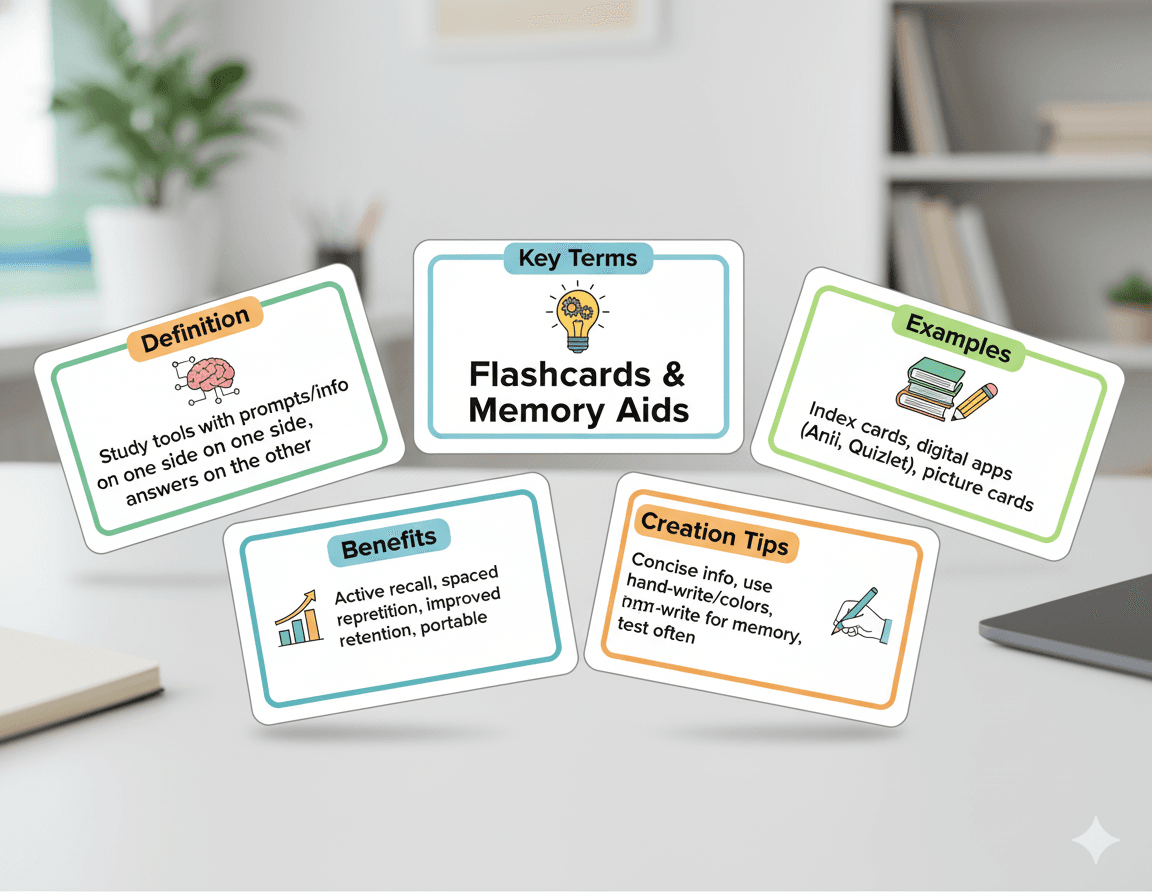
Flashcards are simple but powerful learning tools. Students use them for memorising vocabulary, scientific formulas, historical dates, grammar rules and more.
These cards combine images, keywords and colours to trigger quick recall. Visual memory aids like mind maps, colour-coded notes, doodles and symbol-based reminders help students revise faster and retain information for longer periods.
Prepare for future success with PlanetSpark communication courses.
Start your free trial class today!
6. School Presentations and Posters
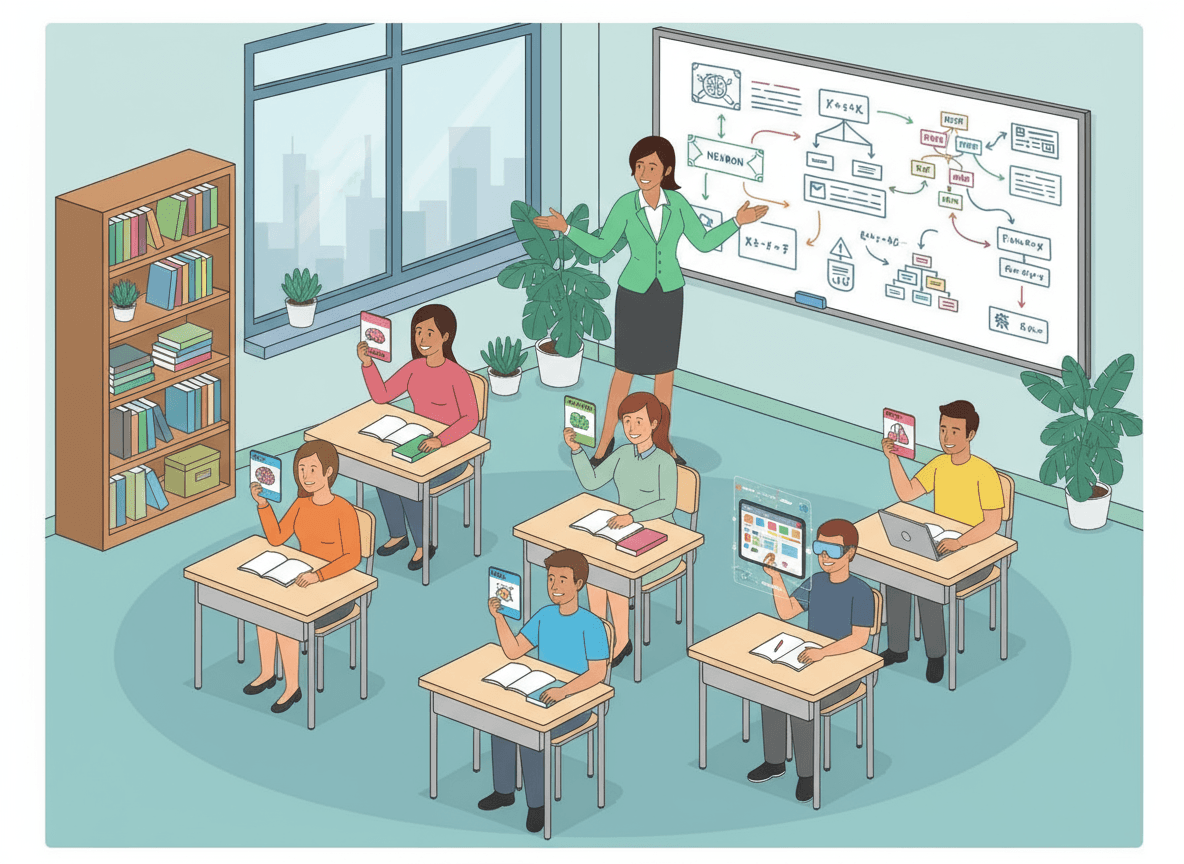
During projects and competitions, students prepare posters, charts and digital presentations. They use images, icons, illustrations, diagrams and templates to communicate their ideas clearly.
Visual elements enhance public speaking by supporting key points and keeping the audience engaged. Whether it’s a science project model or a classroom presentation slide, visuals make communication polished and professional.
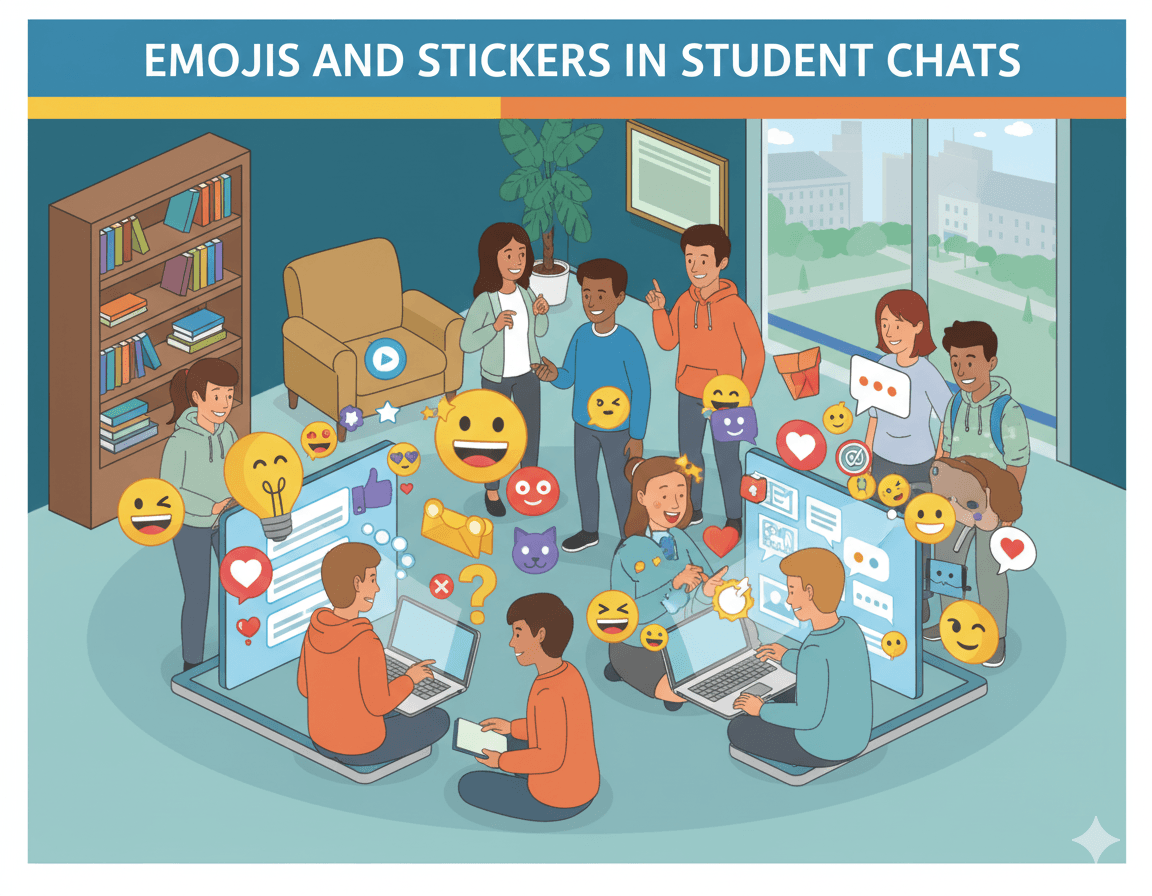
7. Emojis and Stickers in Student Chats
Everyday communication among students whether on WhatsApp, classroom groups or social media relies heavily on emojis, GIFs and stickers.
These tiny visuals quickly express emotions like happiness, confusion, excitement, agreement or disagreement. They make digital conversations more expressive and reduce the need for long messages. This is one of the simplest and most relatable forms of visual communication students use daily.
Empower children with communication excellence through PlanetSpark courses.
Book a free trial class now!
Importance of Visual Communication in Daily Life
Makes Information Accessible to Everyone
Visual communication ensures that ideas reach people regardless of reading level, age or language. A simple image or symbol can communicate an entire message instantly.
Supports Learning Across Different Subjects
Different subjects such as science, maths, geography and languages depend on diagrams, maps and visual models. These visuals strengthen clarity and support logical thinking.
Builds Confidence During Presentations
Students feel more confident speaking in front of a class when they use visual aids. Visuals act as cues that help them remember their points and communicate effectively.
Encourages Problem Solving
Visual communication helps individuals break down information into meaningful parts. Mind maps, charts and diagrams support logical thinking and better decision making.
Strengthens Creativity and Expression
Students develop creativity when they use sketches, charts and drawings to express ideas. These visual tools stimulate imagination and build a deeper understanding of content.
Supports Digital Communication
In the digital world, visuals dominate social media, online learning and content creation. Students become more skilled communicators when they understand how visuals shape modern communication.
Join PlanetSpark Communication Skills Programme for Strong Visual
Strong communication influences how students perform in academics, real-life interactions and future careers. This is where PlanetSpark offers a specialised learning experience designed to transform every learner into a confident communicator. The programme builds essential skills through structured activities, interactive sessions and personalised guidance that encourage clarity, confidence and creativity.
PlanetSpark focuses on developing practical communication abilities that students use daily, from classroom participation to digital communication. Its curriculum integrates visual communication, public speaking, storytelling and structured thinking, helping learners develop a strong expressive foundation.

Key USPs of the PlanetSpark Communication Skills Programme
Learn Through Live Classes
Students attend live, interactive sessions led by expert communication coaches. Sessions focus on real-time practice, discussion-based learning and constructive feedback.
Visual Communication Skill Development
Activities such as poster-making, infographic creation, chart explanation and digital presentations help learners develop strong visual communication abilities.
Personalised Learning Path
Every student receives a customised learning plan based on skill level, communication goals and progress pace, ensuring targeted improvement.
Confidence and Public Speaking Training
Classes include debates, extempore rounds, storytelling sessions and presentation-building exercises that strengthen stage confidence.
Structured Grammar and Vocabulary Building
Learners build strong language foundations to express themselves clearly and professionally.
Practical Communication Application
Students learn how to explain visuals, decode information, structure responses and communicate ideas effectively across academic and real-life situations.
Global Communication Exposure
PlanetSpark classrooms provide a modern communication environment that prepares students for global interactions, interviews and digital-age conversations.
PlanetSpark equips learners with communication and visual expression skills that stay relevant for life.
Build Strong Visual Communication Skills Every Day
Visual communication makes daily learning simpler, faster and more engaging. Its advantages help students understand complex ideas, build confidence and express creativity freely. With regular practice, small steps and the right guidance, students can turn visual communication into a life skill that supports academic growth and future success. Daily progress leads to strong communication abilities and PlanetSpark supports this journey with personalised training and advanced communication skill modules.
Frequently Asked Questions
The main advantages of visual communication include faster understanding, strong memory retention, improved clarity and better engagement. Visuals break down information into meaningful parts and help students learn efficiently. These benefits make visual communication a powerful tool in academic and daily life.
Visual communication simplifies lessons by turning large text into diagrams, illustrations and charts. These visuals help students understand concepts quickly and reduce confusion. They also support long term memory and increase engagement during lessons.
Common examples include diagrams in textbooks, classroom infographics, presentations, educational videos, flashcards and signboards. Students use these visuals regularly during study, projects and daily school activities.
Students can practise mind mapping, poster creation, using diagrams during study and adding visuals to projects. PlanetSpark offers guided communication classes that help students express ideas confidently with effective visuals.
It supports quick understanding, smooth communication and clearer decision making. Visuals play a crucial role in signs, labels, digital communication and learning materials. They help people interpret daily information without confusion.
Yes, PlanetSpark communication skill courses provide structured practice with visual tools, presentation building and confident expression. Students learn to use visuals effectively in projects, storytelling and academic communication.