
How to Give Feedback Politely and Effectively in English

Table of Contents
- How to Give Feedback Politely in English
- What is Feedback?
- Why Giving Feedback Politely Matters
- Types of Feedback
- The Two Types of Feedback
- How to Give Polite Feedback
- The Sandwich Method for Giving Feedback
- How to Politely Ask for Feedback
- Common Mistakes When Giving Feedback
- How to Practice Giving Feedback at Home and School
- Why Polite Feedback Builds Better Relationships
- The Role of Body Language and Tone in Feedback
- Feedback in the Classroom
- Feedback at Work (For Parents)
- How To Build Feedback Confidence
- The Do’s and Don’ts of Giving Feedback
- Fun Reflection for Children
- About PlanetSpark : Communication Skills
Have you ever wanted to tell
your friend, classmate, or teammate what they did well or how they could improve but didn’t know how to say it without sounding rude?
That’s where polite feedback comes in. Giving feedback politely means sharing your thoughts in a kind and respectful way so that the other person learns and grows without feeling hurt. It’s an important life skill that helps you build better friendships, work well in teams, and become a confident communicator.
At PlanetSpark, we believe that children who learn how to give and receive feedback early grow up to be thoughtful leaders, great listeners, and kind speakers. In this blog, we’ll learn what feedback means, how to give it politely, and how to use it to improve both communication and relationships.
How to Give Feedback Politely in English
Giving feedback politely means sharing your thoughts in a kind and helpful way. It is about focusing on improvement, not criticism. When giving feedback, start with something positive, then gently suggest what can be better, and end with encouragement. For example, say, “You explained your idea well, maybe you can speak a little louder next time.” This helps others feel motivated instead of hurt. In class, during group work, or even at home, polite feedback builds respect and teamwork. Learning how to give and receive feedback helps children grow as confident, kind, and effective communicators.
Join Our Communication Skills Program : Learn to Speak and Listen Politely.
What is Feedback?
Feedback means giving someone information about their work, behavior, or performance. It tells them what they are doing well and what they can do better.
Feedback is not about criticizing it’s about helping others improve in a supportive way.
Example:
Instead of saying, “You’re bad at reading aloud,” you can say, “You read clearly, but try to slow down a little so everyone can understand.”
This way, you are being kind, helpful, and polite.
Why Giving Feedback Politely Matters
Feedback can make a big difference in how people learn and grow. When you give feedback politely:
People feel respected and valued.
They are more open to listening and improving.
It builds trust and friendship.
It creates a positive environment at home, school, or work.
However, when feedback is rude or harsh, it can hurt someone’s feelings or make them feel discouraged. That’s why how you say something is just as important as what you say.
Types of Feedback
There are mainly three types of feedback positive, constructive, and negative.
Positive feedback is about appreciation. For example, “You did a great job in your presentation.”
Constructive feedback helps someone improve, like “Your story was interesting; maybe next time you can add more details.”
Negative feedback focuses only on faults and often sounds rude or discouraging, so it should be avoided.
Teaching children to use more positive and constructive feedback helps them build confidence and improve communication skills.
The Two Types of Feedback
| Type of Feedback | Purpose | Example |
|---|---|---|
| Positive Feedback | To praise or encourage someone | “You did a great job sharing your ideas today.” |
| Constructive Feedback | To help someone improve | “Your story was interesting; next time, try adding more details.” |
Both types are important. Positive feedback builds confidence, and constructive feedback helps people learn.
How to Give Polite Feedback
Giving polite feedback is an art. It’s about balancing honesty with kindness. Here are some simple steps that children and parents can practice together.
The Sandwich Method for Giving Feedback
A great way to give polite feedback is the “Sandwich Method.” It means you start with something good, mention what can be improved, and end with another positive point.
Example: “Your drawing is really colorful. Maybe you can work on the outlines a bit more. I love how creative your idea is!”
This method makes feedback sound encouraging and polite, helping others feel happy to improve instead of feeling criticized.
Step 1: Start with Something Positive
Before pointing out a mistake, begin with something nice. It makes the listener feel appreciated and ready to hear suggestions.
Example:
“I really liked how clearly you spoke during the presentation.”
Step 2: Be Specific
Avoid saying things like “That was good” or “That wasn’t great.” Instead, explain what exactly you liked or what can be improved.
Example:
“Your handwriting is neat, but try leaving more space between words.”
Step 3: Use a Polite Tone
Your tone of voice matters. Speak softly and kindly. Avoid sounding angry or sarcastic.
Step 4: Suggest Improvements
Instead of focusing on what’s wrong, suggest how it can be better.
Example:
“Next time, you can add pictures to make your project more colorful.”
Step 5: End on an Encouraging Note
Always close with encouragement so the person feels motivated.
Example:
“You’re improving really fast! Keep it up.”
Checkpoint: The “Sandwich Method”
This is a fun and effective way to give polite feedback.
| Step | What to Say | Example |
|---|---|---|
| 1 | Start with a positive comment | “You spoke very clearly today.” |
| 2 | Add constructive feedback | “Maybe you can add more examples next time.” |
| 3 | End with encouragement | “I love how confident you are becoming.” |
This method makes feedback feel balanced, kind, and helpful.

How to Politely Ask for Feedback
Just as giving feedback is important, learning how to ask for it is equally valuable. It shows that you want to grow and improve.
Asking for Feedback in Class
If you’ve completed a project or spoken in class, you can ask your teacher politely like this:
“Can you please tell me what I can do better next time?”
“Did I explain my idea clearly?”
“What part of my work did you like the most?”
Discover PlanetSpark’s Public Speaking Classes for Kids – Build Confidence Early!
Asking for Feedback in Groups
When working in a team or with friends, feedback helps you learn teamwork and communication.
You can say:
“How did you feel about my part of the presentation?”
“Do you think I spoke too fast?”
“Was my explanation easy to understand?”
Asking for Feedback in Meetings (For Parents or Older Students)
Polite feedback is important at work too. Instead of saying, “Was my report fine?” try:
“I’d appreciate your feedback on how I can make this report stronger.”
“Could you share one thing I did well and one area I can improve on?”
Asking politely shows confidence and maturity.
Common Mistakes When Giving Feedback
Even when we mean well, sometimes our words can sound harsh or unclear. Here are some common mistakes to avoid:
| Mistake | What Happens | Better Way to Say It |
|---|---|---|
| Using harsh words | Hurts feelings | Use kind and calm language |
| Being too general | Confuses the listener | Be specific and clear |
| Giving feedback publicly | Embarrasses the person | Speak privately when possible |
| Focusing only on mistakes | Lowers confidence | Balance praise and suggestions |
| Ignoring good effort | Discourages learning | Always appreciate effort |
How to Practice Giving Feedback at Home and School
Learning polite feedback is easier when you make it fun! Here are some activities to try:
Fun Act 1: “Feedback Circle”
Form a circle with your friends or family.
Each person says one nice thing and one helpful suggestion to the person next to them.
Example: “I liked your drawing. Maybe you can add more color next time.”
Fun Act 2: “Feedback Cards”
Write short feedback sentences on paper strips and put them in a jar.
Take turns picking one and reading it aloud with a polite tone.
Examples:
“You did a great job!”
“Next time, speak a little slower.”
“I like how you shared your ideas.”
Fun Act 3: “Compliment Sandwich Challenge”
Ask children to give feedback using the “sandwich method” in three steps.
Parent or teacher can give a simple topic like reading a poem or showing an art project.
This makes learning feedback polite, fun, and meaningful.
Read more to discover how PlanetSpark builds confident and expressive communicators.
Why Polite Feedback Builds Better Relationships
Polite feedback shows care and respect. It helps people grow without feeling bad.
Children who learn to communicate kindly develop empathy—they understand how words affect others. Parents who give feedback gently teach children to handle advice and corrections with a positive attitude.
When feedback is polite:
People listen carefully.
They stay motivated to improve.
They trust each other more.
At home, polite feedback strengthens family bonds. At school, it builds teamwork and friendship.
The Role of Body Language and Tone in Feedback
Feedback isn’t just about words. How you say something matters too.
Tone
A soft, calm tone makes feedback feel friendly.
A loud or sarcastic tone sounds rude even if your words are good.
Body Language
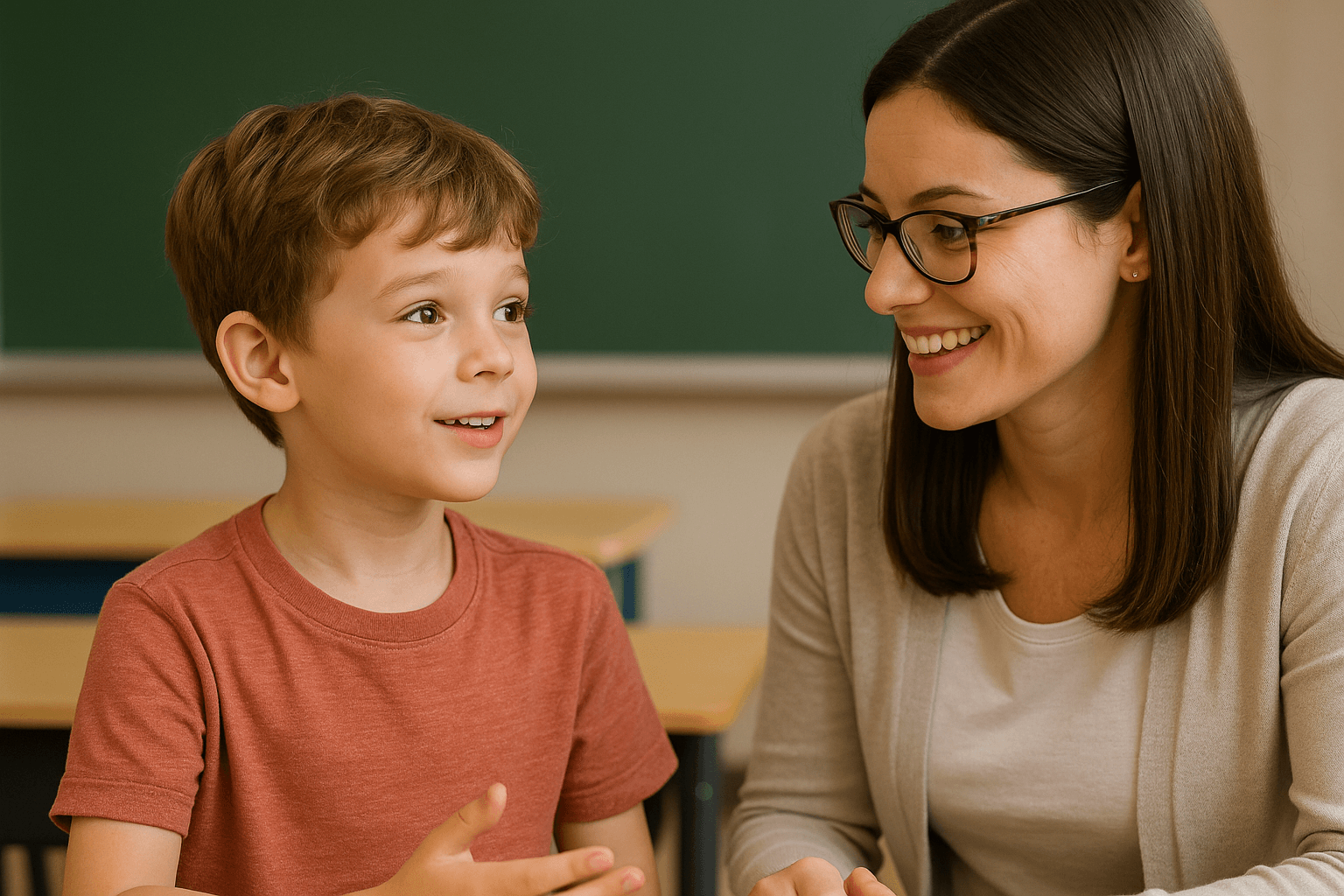
Keep eye contact, smile gently, and nod while listening. Avoid crossing your arms or frowning.
| Good Body Language | Poor Body Language |
|---|---|
| Smiling | Frowning |
| Eye contact | Looking away |
| Nodding | Interrupting |
| Calm posture | Pointing fingers |
When tone and body language match your kind words, feedback feels genuine and warm.
Feedback in the Classroom
Feedback helps students learn faster and better. Teachers use feedback to guide students, and students can give it to each other respectfully.
Examples for Students:
“Your handwriting looks good. Maybe write a little slower to make it clearer.”
“Your story was very creative! You could add more dialogue next time.”
Examples for Teachers:
“I liked how you encouraged us to speak. I’d love more group activities like that.”
When feedback goes both ways, classrooms become spaces of trust, learning, and confidence.
Feedback at Work (For Parents)
In the workplace, feedback is how teams grow.
Polite feedback helps employees work better together, reduces conflicts, and improves performance.
| Situation | Polite Feedback Example |
|---|---|
| Team meeting | “Your presentation was clear. Maybe add more visuals next time.” |
| Colleague’s help | “Thanks for helping with that report. You could explain your points more slowly next time.” |
| Asking for manager’s feedback | “Could you share one way I can make my next report stronger?” |
Children who see parents model polite communication learn to do the same in their lives.
How To Build Feedback Confidence
PlanetSpark helps children become confident speakers and listeners. Through our interactive sessions, students practice how to express opinions politely, handle feedback, and communicate with kindness.
Our teachers use storytelling, role plays, and voice exercises to teach children how tone, expression, and word choice make a big difference.
Here’s how we help:
| PlanetSpark Activity | What Students Learn |
|---|---|
| Role-playing games | How to give feedback kindly |
| Speech practice | How to use polite tone and expressions |
| Group activities | How to receive and apply feedback |
| Storytelling | How to express emotions clearly |
| Public speaking | How to stay calm and confident while communicating |
These activities not only improve communication but also build confidence and empathy skills that last a lifetime.
Book a Demo Class Today to Help Your Child Become a Confident, Polite Communicator.
The Do’s and Don’ts of Giving Feedback
| Do’s | Don’ts |
|---|---|
| Use kind and simple words | Use harsh or rude language |
| Focus on effort and improvement | Only talk about mistakes |
| Be clear and specific | Be too general |
| Speak privately if needed | Give feedback in front of others |
| End on a positive note | Leave the person feeling hurt |
Fun Reflection for Children
Try this short exercise after reading the blog:
Think about a time when someone gave you feedback. How did it make you feel?
Now, think of one friend or classmate you can give feedback to politely.
Write or say it using the “sandwich method.”
This helps you practice kindness, clarity, and confidence in communication.

About PlanetSpark : Communication Skills
PlanetSpark helps children become confident, articulate, and expressive communicators through fun, personalised, and tech-enabled 1:1 live classes. Our Communication Skills Program builds strong speaking, listening, and presentation abilities empowering kids to express ideas clearly, think creatively, and lead with confidence in school and beyond.
1. 1:1 Expert Communication Coaching
Each child learns with a certified communication coach who personalises every session to their learning style and pace ensuring focused attention and faster growth in confidence and clarity.
2. Personalised Communication Roadmap
Based on detailed assessments, every learner follows a customised plan designed to strengthen vocabulary, articulation, storytelling, and interpersonal communication step by step.
3. AI-Powered Feedback & Progress Tracking
With tools like SparkX and AI-driven speech analysis, children receive real-time feedback on clarity, tone, and body language transforming every practice session into measurable progress.
4. Interactive & Gamified Learning
Engaging activities like Talk Tournaments, Word Challenges, and Story Quests make communication practice exciting, helping kids build confidence through fun and repetition.
5. Confidence Beyond the Classroom
From debates to interviews and everyday conversations, PlanetSpark trains children to speak with poise, empathy, and impact preparing them for success in every sphere of life.
Frequently Asked Questions
You can say, “Can you please tell me what I can improve next time?” or “Did you like my explanation?”
Start with a compliment, add one helpful suggestion, and end with encouragement.
It helps people learn, grow, and stay motivated without hurting their feelings.
By modeling polite speech, praising effort, and encouraging children to use kind words when sharing suggestions.
Listen carefully, thank the person, and use their advice to improve.