
Essay on Composting for Students | Simple Guide


Composting is one of the simplest and most eco-friendly habits students can learn today. It teaches responsibility, environmental awareness, and the importance of waste management. As landfills overflow with plastic and food scraps, composting helps us return organic waste to the earth in a useful form.
For students, Composting isn’t just a science topic; it’s a real-life skill that encourages caring for nature. It shows how banana peels, vegetable scraps, leaves, paper, and other natural materials turn into nutrient-rich soil called compost.
This blog will help students understand the meaning, importance, and types of home composting, written in a simple, creative, and student-friendly way. Whether a child is preparing an essay, a school project, or simply wants to practice Creative Writing, the information here will help them grasp the topic easily.

What Does Composting Really Mean?
Composting is a natural process in which organic waste, like vegetable peels, dry leaves, leftover food scraps, and paper- breaks down into a dark, crumbly, soil-like material called compost.
This process is driven by:
Microorganisms
Earthworms
Fungi
Moisture and air
These tiny helpers break down the waste slowly and turn it into a nutrient-rich material that improves soil quality.
In simple terms, Composting means recycling nature’s waste and giving it back to the earth in a healthier form.
Students often ask: “Why does compost smell like soil?”
It’s because compost is basically homemade fertilizer! Gardeners love compost because it enriches plants, increases water retention, and improves soil structure.
Importance of Composting
Composting is more than a household activity; it’s a solution to some of the biggest environmental challenges. Students should understand the importance of composting, not just for exams but for everyday life.
Here’s why composting matters so much:
1. Reduces Waste in Landfills
More than 50% of household waste is organic. When we compost, we reduce the load on landfills and decrease pollution. Composting of waste means fewer trucks, fewer dumping grounds, and a greener planet.
2. Creates Natural Fertilizer
Chemical fertilizers harm soil over time. Compost provides nutrients naturally, keeps soil healthy, and supports plants without chemicals.
3. Helps Fight Climate Change
When organic waste rots in landfills, it releases methane, a harmful greenhouse gas. Composting reduces methane emissions and keeps the environment cleaner.
4. Saves Money and Resources
Using compost at home reduces the need for buying artificial fertilizers. It also saves water by helping soil retain moisture.
5. Teaches Responsibility to Students
Children learn:
Waste segregation
Environmental care
Sustainable living
DIY skills
It encourages them to think creatively and responsibly.
Your child’s writing skills deserve a boost!
Types of Home Composting
There are several ways students and families can try home composting, depending on the space they have. Each method is simple, effective, and perfect for a school project or practical learning.
1. Pit Composting
Dig a small pit in your garden and fill it with layers of kitchen waste and dry leaves. Cover it with soil and allow it to decompose naturally. This is one of the oldest and easiest ways of composting at home.
2. Bin Composting
Perfect for apartments or small spaces. A compost bin (plastic or metal) is filled with wet waste, dry waste, and a starter like soil. The bin needs occasional mixing to let air in. Students love this method because they can see compost forming slowly.
3. Vermicomposting
This method uses red worms to break down organic waste. Earthworms speed up the composting process, and the end product is extremely rich in nutrients. Vermicomposting teaches children how living organisms help improve the ecosystem.
4. Kitchen Counter Composting
Ideal for families with limited space. A small container is kept in the kitchen to collect daily food scraps like peels, fruit waste, and tea leaves. These are later added to the main compost pile or bin.
5. Leaf Composting
This method focuses on dry garden leaves. Fallen leaves decompose slowly, creating leaf mold, a soft, crumbly compost excellent for plants.
What Can You Compost? | Student-Friendly Composting Guide
When students first start learning about Composting, the most common question that pops up is: “What exactly can I put into a compost bin?”
The good news is, a lot more than you think.
Kitchen Waste That Works Best
Below are the organic materials that break down quickly and enrich the compost:
Fruit peels (banana, apple, orange)
Vegetable scraps (carrot tops, spinach stems, potato peels)
Tea leaves and coffee grounds
Eggshells (crushed)
Leftover food that is plant-based
Bread and rice (in small amounts)
These are rich in nitrogen, known as the “greens” in composting language.
Greens help the microorganisms stay active, warm, and hardworking.
Garden Waste You Can Add
If students have a garden or schoolyard patch, they can add:
Dry leaves
Grass clippings
Small branches (shredded)
Dead flowers
Plant trimmings
These are carbon-rich, also called “browns.”
Balancing greens and browns is key in the process of composting, helping the pile decompose faster without foul smell.
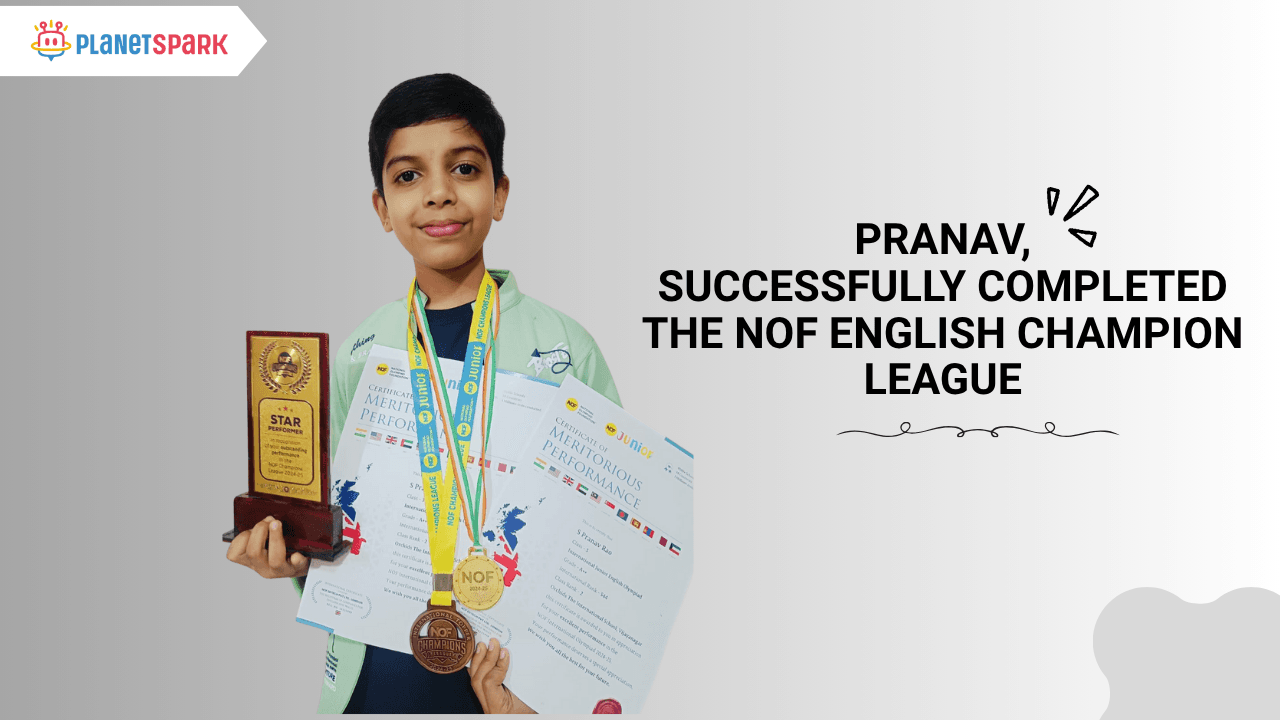
Pranav’s Story: From Curious Writer to NOF English Champion League Star
Pranav, a bright and determined Grade 3 student, has always been eager to learn and explore new ideas. What began as a simple interest in stories soon grew into something far bigger. With the right guidance and a structured Creative Writing approach, Pranav transformed his curiosity into powerful communication skills, skills that helped him complete the NOF English Champion League, one of the most prestigious platforms for young learners.
How Creative Writing Boosted Pranav’s Growth
Before joining structured classes, Pranav struggled with organizing his ideas, building strong paragraphs, and expressing his thoughts with clarity. But once he stepped into guided Creative Writing training, everything changed:
He learned how to structure essays, stories, and assignments using easy frameworks.
His vocabulary expanded, making his writing sharper and more expressive.
He gained confidence in presenting his written pieces, a skill that supported his public speaking, too.
Most importantly, he discovered the joy of writing creatively and fearlessly.
The Breakthrough Moment
During the NOF English Champions League, Pranav’s ability to combine creativity with clear expression set him apart. His writing stood out for its structure, imagination, and confidence, reflecting the hard work he had put into his Creative Writing sessions.
This achievement didn’t happen overnight. It grew from consistent practice, expert guidance, and a nurturing environment that encouraged him to think, express, and create.
Want your child to write engaging, eco-themed essays with confidence?
What Not to Compost | Essential Dos & Don’ts for Students
Knowing what not to compost is just as important as knowing what to compost.
If harmful or non-decomposable items are added to the compost pile, it can slow down the entire composting process or even attract pests.
Avoid These Items Completely
These items shouldn’t enter any compost bin, home, school, or garden:
Plastic, metal, or glass
Glossy paper, laminated sheets
Oil, butter, and greasy foods
Dairy products (milk, cheese, yogurt)
Meat or fish
Bones
Diseased plant leaves
Pet waste (dog or cat feces)
Dairy, meat, and oily foods attract insects and animals.
Non-biodegradable materials cannot break down, making the compost useless.
Why Students Must Learn This Early?
Schools increasingly participate in zero-waste programs.
When students understand proper composting habits early, they grow into responsible adults who care for the environment, and avoid common mistakes that cause waste contamination.
Why Choose PlanetSpark Creative Writing?
Students today need more than basic writing skills; they need the ability to explain real-world topics like composting clearly, creatively, and confidently.
That’s exactly where PlanetSpark’s Creative Writing Program excels.
Genre-Focused Curriculum: Covers diverse forms like stories, poems, essays, reviews, and persuasive letters to build versatile writing skills.
Framework-Based Learning: Students master story arcs, the S.T.O.R.Y structure, the 5W1H method, and the PEEL technique for structured writing.
Writing and Speaking Integration: Learners present their written pieces to strengthen expression and storytelling confidence.
Real-Time Editing: Classes emphasize rewriting and refinement through peer reviews and teacher feedback.
Publishing Opportunities: Students can feature their work on PlanetSpark’s blog, e-magazine, or co-authored anthologies for recognition.
Creativity Boosters: Writing prompts, imagination games, and story dice activities nurture originality and creative thinking.
Give your child the power to express big ideas beautifully.
Enroll now and secure a seat before this month’s batch ends!
A Greener Future Starts With Your Compost Bin
Composting isn’t just a science concept; it’s a life skill every student should know.
From understanding the meaning of composting, to learning its importance and exploring how composting works at home, children gain more than environmental awareness. They build responsibility, observation, and problem-solving skills.
When students write about composting, they learn to:
Think critically about waste
Explain real-world processes
Express ideas clearly
Participate in eco-friendly habits
And when they learn through structured Creative Writing programs, their essays become sharper, more insightful, and more expressive.
A small compost bin at home or school can spark big learning.
A single topic can help them grow into thoughtful, environmentally aware young writers.
Readers Also Loved These Student-Friendly Topics
Create these as clickable sections in your blog for better SEO and internal linking.
Frequently Asked Questions
Composting is the natural process of converting kitchen and garden waste into nutrient-rich soil. Microorganisms, air, and moisture work together to break down organic materials, turning them into compost that helps plants grow better.
Students should learn composting because it teaches responsibility, environmental awareness, and scientific thinking. It helps them understand how waste can be reused instead of thrown away, reducing pollution and encouraging eco-friendly habits.
The composting process usually takes 2 to 3 months, depending on weather, moisture, and the balance of “green” and “brown” waste. With proper mixing and aeration, the compost breaks down faster.
Students can use compost in school gardens, potted plants, or home vegetable patches. Compost improves soil quality, increases water retention, and helps plants grow healthier and faster.
Yes! Students can compost at home using:
- Small compost bins
- Balcony composters
- Kitchen composting jars
- Bokashi bins
Even without a garden, compost can be shared with community gardens or used for indoor plants.