
How to Write Imaginative Writing: Simple Tips for Creativity
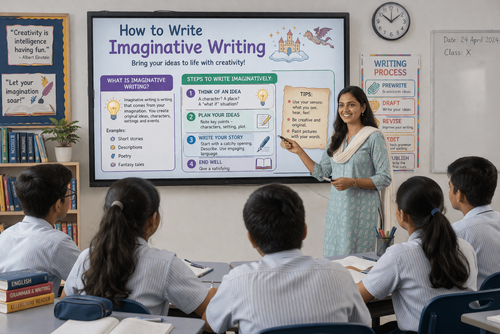

Table of Contents
- What is Imaginative Writing?
- Why Learning How to Write Imaginative Writing is Important
- How to Write Imaginative Writing: Step-by-Step Guide
- How to Write an Imaginative Essay
- How to Write an Imaginative Story
- Creative Techniques to Improve Imaginative Writing
- Common Mistakes to Avoid in Imaginative Writing
- Advanced Techniques to Master Imaginative Writing
- PlanetSpark Creative Writing Course
- Build Creativity Through Practice and Structure
If you’re searching for how to write imaginative writing that truly engages readers and unlocks creativity, this guide is designed for you. Whether you want to learn how to write an imaginative essay or build compelling stories, this blog covers step-by-step techniques, creative frameworks, and practical exercises. From idea generation to storytelling mastery, you’ll learn everything needed to develop strong imaginative writing skills.
What is Imaginative Writing?
Imaginative writing is a creative form of writing where ideas, emotions, and storytelling come together. It goes beyond facts and focuses on originality, expression, and creativity.
Core Characteristics of Imaginative Writing
1. Creativity First Approach
- Encourages original thinking
- Breaks away from factual limitations
- Builds fictional or imaginative worlds
2. Emotional Connection
- Engages readers emotionally
- Makes content relatable and memorable
3. Freedom of Expression
- No rigid structure like academic writing
- Allows personal voice and style
4. Storytelling Elements
- Includes characters, plots, and settings
- Uses narrative techniques to engage readers
Types of Imaginative Writing
Short Stories
- Fiction-based narratives
- Focus on plot and characters
Imaginative Essays
- Blend of creativity and structure
- Often based on hypothetical situations
Fantasy Writing
- Includes magical or unreal elements
Descriptive Writing
- Focuses on vivid imagery and sensory details
Why Learning How to Write Imaginative Writing is Important
Understanding how to write imaginative writing is essential for both academic and personal growth.
Key Benefits
Enhances Creative Thinking
- Encourages innovative ideas
- Improves problem-solving skills
Improves Communication Skills
- Helps organize thoughts clearly
- Builds storytelling ability
Boosts Confidence
- Encourages self-expression
- Builds public speaking confidence indirectly
Strengthens Language Skills
- Expands vocabulary
- Improves grammar and sentence construction
Supports Academic Success
- Helps in essay writing
- Improves comprehension and writing performance
How to Write Imaginative Writing: Step-by-Step Guide
Mastering imaginative writing becomes easier when you follow a structured process.
Step 1: Generate a Powerful Idea
Every piece of imaginative writing begins with an idea.
Techniques to Generate Ideas
- Ask “What if” questions
- What if humans could read minds?
- What if time travel was real?
- Observe everyday life and twist it creatively
- Use writing prompts
Pro Tip
Keep a notebook or digital journal to note down ideas instantly.
Step 2: Create Memorable Characters
Characters are the backbone of any imaginative piece.
How to Build Strong Characters
- Give them a name and background
- Define their personality traits
- Add strengths and weaknesses
- Set goals and motivations
Example
Instead of writing “a boy,” describe:
- A curious 10-year-old who dreams of exploring space
Step 3: Build an Engaging Setting
The setting defines where and when your story takes place.
Types of Settings
- Real-world settings with a twist
- Fantasy worlds
- Futuristic or sci-fi environments
How to Improve Setting Description
- Use sensory details:
- What does the place look like?
- What sounds can be heard?
- What emotions does it create?
Step 4: Develop a Strong Plot
A plot is the sequence of events in your story.
Basic Plot Structure
Beginning
- Introduce characters and setting
- Present the main situation
Middle
- Introduce conflict
- Build tension
End
- Resolve the conflict
- Deliver a message or lesson
Step 5: Use Descriptive and Creative Language
Descriptive writing makes your content vivid and engaging.
Techniques to Use
- Similes: “as brave as a lion”
- Metaphors: “time is a thief”
- Sensory language
Example
Instead of “The room was messy,” write:
- “Books were scattered across the floor like fallen leaves.”
Step 6: Add Conflict and Emotion
Conflict drives the story forward.
Types of Conflict
- Character vs Character
- Character vs Self
- Character vs Nature
Why Conflict Matters
- Keeps readers engaged
- Builds suspense
- Makes the story meaningful
Step 7: Edit and Refine Your Writing
Editing improves clarity and quality.
Editing Checklist
- Correct grammar and spelling
- Improve sentence flow
- Remove repetition
- Enhance descriptions
How to Write an Imaginative Essay
An imaginative essay combines creativity with structured writing.
Structure of an Imaginative Essay
Introduction
- Start with a hook
- Introduce the idea creatively
Body Paragraphs
- Expand the idea logically
- Use storytelling elements
Conclusion
- End with a strong thought or message
Tips for Writing an Imaginative Essay
- Keep your theme consistent
- Avoid unnecessary complexity
- Use creative openings
- Maintain clarity
How to Write an Imaginative Story
Story writing is one of the most popular forms of imaginative writing.
Essential Elements of a Story
Characters
Setting
Plot
Conflict
Resolution
Tips to Improve Story Writing
- Use simple but engaging language
- Include dialogues
- Build suspense gradually
- Keep readers curious
Creative Techniques to Improve Imaginative Writing
1. Mind Mapping
- Helps organize ideas visually
- Encourages brainstorming
2. Free Writing
- Write continuously without stopping
- Focus on idea flow rather than perfection
3. Story Prompts
- Helps overcome writer’s block
- Encourages creative thinking
4. Reading and Observation
- Read books, stories, and blogs
- Observe writing styles and techniques
5. Daily Writing Habit
- Write every day, even if it’s short
- Practice improves creativity
Common Mistakes to Avoid in Imaginative Writing
Overcomplicating Ideas
- Keep writing simple and clear
Lack of Structure
- Follow a logical flow
Weak Character Development
- Make characters relatable
Ignoring Editing
- Always revise your work
Advanced Techniques to Master Imaginative Writing
Once you understand the basics of storytelling, the next step is to refine your writing with advanced techniques that make your content stand out. These techniques help transform simple ideas into powerful, engaging, and memorable narratives.
Show, Don’t Tell
One of the most important rules in imaginative writing is to show emotions and situations instead of directly telling them. This technique helps readers experience the story rather than just read it.
What Does “Show, Don’t Tell” Mean?
Instead of stating facts or emotions plainly, you describe actions, expressions, and sensory details that allow readers to infer what is happening.
Example
- Telling: She was nervous.
- Showing: Her hands trembled as she adjusted her notes, and her voice cracked on the first word.
How to Apply This Technique
- Use body language and facial expressions
- Add sensory details like sounds, smells, and textures
- Describe actions instead of emotions
- Use dialogue to reveal feelings
Why It Works
- Creates a vivid reading experience
- Builds emotional connection
- Makes writing more engaging and realistic
Use Unique Twists
Adding unexpected twists can make your story memorable and exciting. A twist changes the direction of the story in a surprising way.
What is a Twist?
A twist is an unexpected event or revelation that changes how the reader understands the story.
Types of Twists
- Plot twist - Unexpected ending or event
- Character twist - A character reveals a hidden truth
- Perspective twist - The story changes viewpoint or meaning
Example
- A hero turns out to be the villain
- A dream was actually reality
- The narrator is unreliable
How to Add Twists Effectively
- Build subtle hints (foreshadowing)
- Avoid making twists feel forced
- Ensure the twist fits the story logically
Why Twists Matter
- Keeps readers hooked
- Adds excitement and curiosity
- Makes your story unforgettable
Maintain Consistency
Consistency ensures that your story feels believable and well-structured.
What Should Be Consistent?
- Tone (funny, serious, mysterious)
- Character behavior and personality
- Story setting and rules
- Writing style and tense
Example
If your story starts as a serious mystery, suddenly adding comedy without reason can confuse readers.
How to Maintain Consistency
- Decide your tone before writing
- Create a character profile
- Stick to one point of view (POV)
- Review your writing during editing
Why It’s Important
- Builds trust with readers
- Makes the story smooth and logical
- Enhances readability
Experiment with Styles
Great writers explore different styles to discover their unique voice.
What Does Experimenting Mean?
Trying new ways of writing, different formats, and genres to expand creativity.
Types of Styles to Explore
- First-person vs third-person narration
- Different genres like fantasy, mystery, sci-fi
- Dialogue-heavy vs descriptive writing
- Short stories vs long narratives
Ways to Experiment
- Rewrite the same story in a different style
- Try writing from another character’s perspective
- Mix genres (e.g., sci-fi + comedy)
Benefits of Experimentation
- Helps discover your writing voice
- Improves flexibility and creativity
- Makes writing more enjoyable
Pro Tip: Combine All Techniques
The real magic happens when you combine all these techniques:
- Show emotions instead of telling
- Add twists to surprise readers
- Maintain consistency for clarity
- Experiment to find your style
This combination helps you create writing that is not only creative but also impactful and memorable.
PlanetSpark Creative Writing Course
If you truly want to master how to write imaginative writing, structured guidance and consistent practice are essential. PlanetSpark’s Creative Writing Course is designed to help both kids and adults become confident storytellers and effective communicators.
With 1:1 personal trainers, every learner receives focused attention tailored to their learning style and pace. Trainers provide real-time feedback and help build fluency, storytelling, grammar, and creative expression.
The personalised curriculum and learning roadmap ensures that each student progresses step-by-step, addressing gaps in vocabulary, grammar, and confidence. This journey is enhanced with SparkX, an AI-enabled video analysis tool, which evaluates voice clarity, body language, grammar, and overall presentation skills.
Learners also benefit from AI-led practice sessions, where they can independently practise storytelling and speaking. The Spark Diary encourages daily writing habits, helping build consistency and creativity over time.
Gamified modules make learning engaging, while structured PTMs and detailed progress reports keep parents informed. Students also participate in clubs, competitions, and creative communities, and share their work on Sparkline, a safe digital platform designed for expression and recognition.
Build Creativity Through Practice and Structure
Mastering how to write imaginative writing is a journey that combines creativity, consistency, and the right guidance. It’s not just about having ideas, it’s about shaping them into meaningful stories and expressions.
By focusing on strong fundamentals like idea generation, character development, and storytelling structure, anyone can become a confident writer. Regular practice, reading, and feedback play a crucial role in this process.
For learners who want faster and more structured improvement, guided programs like PlanetSpark provide the perfect environment to grow. With expert mentorship, personalised learning, and advanced tools, developing imaginative writing skills becomes easier and more effective.
Start today, keep writing, and let your imagination lead the way.
You can also read:
Frequently Asked Questions
Imaginative writing focuses on creativity, storytelling, and original expression. Unlike academic writing, it does not rely on facts but on ideas, emotions, and fictional elements to engage readers.
You can improve by:
Practicing daily writing
Reading creative content
Using prompts and exercises
Getting feedback
Consistency and structured learning help accelerate progress.
To write an imaginative essay:
Start with a creative hook
Follow a clear structure
Use descriptive language
Maintain clarity and flow
Practicing different topics helps improve performance.
Build strong characters
Use engaging plots
Add emotional depth
Practice storytelling regularly
Observing stories and analyzing them also helps.
PlanetSpark offers 1:1 personalised training, AI-powered feedback, structured curriculum, and creative practice tools. It helps learners improve storytelling, grammar, confidence, and communication skills through guided and interactive learning.