
Social Issues Topics for Students: Key Themes and Explanations
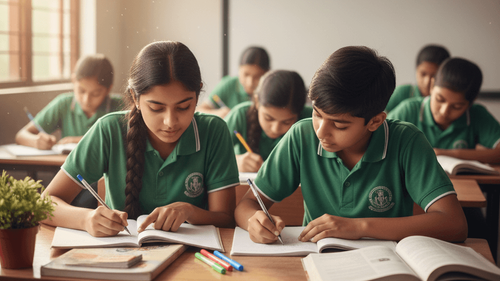

Social issues topics for students help young learners understand real-world problems and analyze how societies function. These topics strengthen critical thinking, communication, and awareness skills necessary for assignments, debates, and project work. This guide explains major social issues in depth and uses clear frameworks and pointers to make the content highly readable and assignment-ready.
PlanetSpark helps students express complex topics with clarity and structure through live writing and communication sessions.
Environmental Sustainability
Environmental sustainability is one of the most common and important social issues taught in schools. Students learn how human actions impact the natural world and what it means to live in a way that protects resources for future generations. This topic teaches children to think critically about everyday choices, understand global environmental challenges, and explore solutions that can be applied at home, in school, and in communities.
Key areas students learn about
• Climate change and global warming: Rising temperatures caused by greenhouse gases affect weather patterns, glaciers, agriculture, and ecosystems.
• Air, water, and soil pollution: Emissions, untreated waste, and chemicals pollute natural resources and harm both humans and wildlife.
• Deforestation and biodiversity loss: Cutting forests reduces habitats, increases carbon in the atmosphere, and threatens plant and animal species.
• Waste management and recycling: Students learn how improper waste disposal leads to landfills, ocean pollution, and resource loss.
• Renewable vs non-renewable resources: Understanding energy sources helps students recognise the importance of switching to solar, wind, or hydro power.
Causes
• Overuse of fossil fuels: Cars, factories, and power plants release harmful gases that drive climate change.
• Industrial emissions: Factories produce smoke, chemicals, and waste that pollute air, water, and soil.
• Cutting forests for land and construction: Agriculture, mining, and urban development reduce forest cover.
• Excessive plastic use: Single-use plastics pollute oceans, harm animals, and take centuries to decompose.
Effects
• Extreme weather patterns: Heatwaves, floods, storms, and droughts become more frequent and unpredictable.
• Water scarcity: Polluted rivers and overused groundwater reduce access to clean water.
• Species extinction: Many plants and animals cannot survive rapid changes in climate or habitat loss.
• Health problems due to pollution: Air and water pollution lead to asthma, allergies, infections, and long-term illnesses.
Framework for assignments
Problem → Cause → Impact → Real-world examples → Solutions
Environmental sustainability teaches students responsibility toward the planet and helps them understand how individual and collective actions create long-term change. It also encourages participation in eco-drives, recycling campaigns, conservation projects, and school sustainability initiatives.
Poverty and Social Inequality
Poverty affects access to education, healthcare, food, clean water, and safe living conditions. Students study this topic to understand how inequality forms, how it shapes the lives of people in different communities, and why certain groups face more disadvantages than others. Poverty is not just a lack of money. It is a cycle that prevents individuals from improving their circumstances without external support. Understanding this issue helps students build empathy, awareness, and strong analytical reasoning.
Major dimensions
• Economic inequality (income gaps): Differences in earnings create unequal access to basic necessities and long-term opportunities.
• Educational inequality: Students in underdeveloped regions or low-income families often lack quality schooling, trained teachers, or digital access.
• Gender-based inequality: Girls may face restrictions on education, mobility, or career choices due to cultural expectations.
• Urban vs rural divide: Cities may offer better facilities and infrastructure, while rural areas often face resource shortages.
Common causes
• Unemployment: Lack of job opportunities leaves families without a stable income.
• Lack of resources: Insufficient food, housing, or healthcare prevents people from meeting basic needs.
• Economic instability: Inflation, market crashes, or weak economic systems push vulnerable groups further into poverty.
• Limited access to education: Without proper schooling, individuals struggle to secure good jobs or improve their living conditions.
How inequality affects society
• Increased crime: Economic stress can push some individuals toward illegal activities.
• Reduced growth opportunities: Communities cannot progress when large groups lack education or stable income.
• Poor health outcomes: Limited access to healthcare leads to long-term health issues and low productivity.
• Low literacy rates: Fewer educated individuals means reduced innovation, low employability, and slow national development.
Assignment framework
Define the issue → Explain its causes → Present data or examples → List solutions such as government programmes, skill development, or community initiatives.
This structured approach helps students write strong essays, prepare speeches, or complete project work with clarity and logical flow.
Enroll now at PlanetSpark and build strong creative writing skills with expert guidance.
Education Inequality
Education inequality is a major barrier to long-term development because it directly impacts a child’s ability to learn, grow, and access future opportunities. Students examine why learning experiences differ so widely between children in different locations, income groups, and social settings. When some students have access to trained teachers, technology, and supportive environments while others do not, the gap in learning outcomes becomes difficult to close. Understanding this topic helps students recognise fairness, privilege, and the need for inclusive educational systems.
Areas of inequality
• Access to trained teachers: Many rural or low-income schools lack qualified educators, affecting teaching quality and student understanding.
• School infrastructure gaps: Inadequate classrooms, limited books, lack of laboratories, or poor sanitation create barriers to effective learning.
• Gender-based restrictions: In some communities, girls face social or cultural limitations that reduce their chances of continuing education.
• Digital divide in online learning: Students without devices, stable internet, or digital literacy struggle to benefit from online education.
• Language barriers: Children from diverse linguistic backgrounds may find it hard to adapt to schools that do not support multilingual learning.
Why it matters
• Education shapes future opportunities: Children with strong educational foundations access better jobs, financial security, and social mobility.
• It impacts economic progress: A well-educated population contributes to innovation, productivity, and national development.
• It affects social awareness and confidence: Education helps children think critically, interact confidently, and understand their rights and responsibilities.
Student-friendly frameworks
Access: Availability of schools, teachers, learning materials, and basic infrastructure.
Quality: The standard of teaching, learning resources, curriculum, and classroom environment.
Equity: Ensuring all students, regardless of gender, location, or income level, receive equal opportunities to learn.
Schools often use this topic in debates, essays, and research-based assignments because it helps students think critically about fairness, social progress, and the responsibility of communities and governments to ensure equal learning opportunities for all.
Mental Health and Student Well-Being
Mental health issues have become a major social concern, especially among students who balance academics, expectations, relationships, and digital pressures. Today’s learners face emotional, academic, and social demands that often build up without being noticed. Understanding mental well-being helps students recognize early signs of stress, manage emotions, and practice habits that support a balanced and confident life.
Key concerns
• Anxiety and stress: Pressure from exams, deadlines, and performance expectations can become overwhelming.
• Peer pressure: The need to fit in or match classmates’ behaviour can create internal conflict.
• Social comparison: Constant exposure to idealized images or achievements online affects self-worth.
• Self-esteem issues: Struggles with academics, friendships, or appearance can reduce confidence.
• Academic burnout: Continuous studying with little rest leads to exhaustion and declining motivation.

Causes
• Competitive environments: High expectations from school and home increase performance pressure.
• Online comparison culture: Social media encourages constant self-evaluation.
• Lack of physical activity: Reduced movement lowers energy, mood, and emotional balance.
• Fear of failure: Students often internalize mistakes and fear disappointing others.
• Poor time balance: Multitasking, long study hours, and irregular routines create stress.
Healthy practices taught in schools
• Mindfulness and breathing exercises: Calms the mind and helps regulate emotions.
• Balanced study routines: Encourages structured planning and avoids unnecessary academic stress.
• Open communication: Helps students share concerns with teachers, counsellors, or parents.
• Regular physical activity: Improves mood, focus, and overall well-being.
• Seeking support when needed: Normalizes asking for help during emotional challenges.
Assignment framework
Define mental well-being → Causes → Impact on students → School initiatives → Healthy habits.
This framework helps students organise essays and classroom discussions with clarity and logical flow.
Digital Safety and Social Media Influence
With increasing screen time, digital safety has become a major priority in schools because students today use devices for entertainment, learning, social interaction, and exploration. Understanding online behaviour helps learners stay safe, maintain balance, and use technology in a productive way.
Common risks
• Cyberbullying: Hurtful messages, exclusion, or harassment through online platforms.
• Identity theft: Misuse of personal details such as photos, passwords, or personal information.
• Privacy breaches: Sharing information publicly without understanding long-term consequences.
• Online scams: Fake links, messages, or offers designed to steal data or money.
• Screen addiction: Spending excessive time online, affecting sleep, studies, and concentration.
• Exposure to harmful content: Encountering inappropriate videos, misinformation, or unsafe digital trends.
Students learn to
• Identify reliable content: Understanding which sources are credible helps students separate facts from misleading posts.
• Manage screen time: Setting digital boundaries ensures they balance online activity with academics, rest, and offline hobbies.
• Avoid harmful trends: Students learn to recognize unsafe challenges, inappropriate content, or pressure-driven behavior online.
• Maintain healthy online behavior: They practice respectful communication, avoid cyberbullying, and protect personal information.
• Use social media for learning and creativity: Students are guided to follow educational pages, engage in productive discussions, and use digital tools that support their growth.
Book a free demo class with PlanetSpark and watch your child write with clarity and imagination.
Why this issue matters
• Children are active online users: They interact with apps, games, videos, and social platforms daily, making awareness essential.
• Digital footprints last long-term: Whatever is posted online can be traced or accessed later, influencing reputation and safety.
• Online behaviour affects mental health and self-image: Constant scrolling, comparison, or exposure to negative content impacts confidence, focus, and emotional stability.
Clear framework
Risk → Example → Prevention method → Long-term benefit.
Child Rights and Child Protection
Child rights ensure that every child receives safety, education, healthcare, dignity, and protection from exploitation. These rights create a foundation for healthy development and help children grow into confident, capable adults. Schools introduce this topic so students understand what every child deserves, why these rights matter, and how society can help protect them.
Children in many parts of the world still face challenges like early marriage, child labour, unsafe living conditions, and lack of access to schooling. Learning about child rights helps students recognize these issues and understand why strong laws and community support are necessary.
Key areas
• Right to education: Every child should have access to schooling, learning materials, and supportive teachers.
• Right to safety: Children must live in environments free from violence, neglect, and harmful practices.
• Protection from child labour: No child should be forced to work or take on adult responsibilities that affect health or education.
• Access to basic needs: Clean water, food, shelter, clothing, and healthcare are fundamental for survival and proper development.
• Protection from abuse: Children must be safeguarded from physical, emotional, and sexual harm.
Why violations happen
• Poverty: Families under financial stress may rely on children for work instead of school.
• Poor legal awareness: Many communities are unaware of child protection laws or how to report violations.
• Unsafe environments: Conflict zones, unregulated workplaces, and informal labour sectors expose children to danger.
• Social exploitation: Children may be targeted by traffickers, forced into early marriage, or pushed into unsafe activities.
What students explore
• Real-life case studies: Stories of children affected by exploitation help students understand the seriousness of the issue.
• Role of organizations like UNICEF: Students learn how global institutions support education, emergency relief, and rights protection.
• Government laws protecting minors: Acts such as the Right to Education, Child Labour Prohibition laws, and child protection policies.
• Importance of education for empowerment: Students discuss how schooling helps break cycles of poverty and gives children better futures.
Framework for writing
Define child rights → Causes of violations → Effects on children → Laws and solutions.
About PlanetSpark
PlanetSpark helps children become clear, expressive, and confident writers through live 1:1 sessions and a structured writing curriculum. Every class builds imagination, organization, and written clarity so students learn to express ideas with confidence.
1:1 Expert Writing Coaching: Students learn with certified trainers who guide them in story building, vocabulary, and sentence structure, offering real-time feedback and personalized support.
Genre-Based Writing Program: Children explore stories, essays, poems, journals, book reviews, and persuasive writing through frameworks like story arcs, S.T.O.R.Y., 5W1H, and PEEL.
Activity-Led Creative Practice: Story prompts, image-based writing, guided imagination, and peer review help students turn ideas into well-structured writing. Classes include revising and rewriting to sharpen quality.
Writing + Speaking Integration: Students present their written work aloud to strengthen narrative flow and expressive confidence.
Daily Writing & Publishing: Spark Diary builds consistent writing habits, while blogs, e-magazines, and anthologies give students real publishing opportunities.
Final Thoughts on Social Awareness for Students
Social issues topics for students go beyond academic learning and classroom grades. They help young learners develop awareness, empathy, and strong analytical thinking that supports both schoolwork and personal growth. When students explore issues like inequality, environmental change, digital safety, or emotional well-being, they start to understand how real-world problems affect individuals and communities.
These topics also improve communication and expression. Students learn to structure ideas clearly, present logical arguments, and respond thoughtfully during essays, speeches, or debates. This leads to stronger confidence and a deeper ability to form independent opinions.
Engaging with social issues at an early age encourages students to ask questions, reflect on different perspectives, and participate positively in their surroundings. These habits shape them into informed, responsible, and compassionate individuals who can contribute meaningfully to society.
Frequently Asked Questions
Students should be introduced to major social issues such as environmental sustainability, poverty, education inequality, mental health, digital safety, and child rights. These issues help them understand how societies function, why certain communities face disadvantages, and how real-world challenges affect individuals differently. Learning about these topics strengthens their awareness, encourages responsible thinking, and helps them connect classroom lessons with global events. It also prepares them to analyze news, participate actively in discussions, and view social challenges with empathy and critical reasoning.
Understanding social issues early helps students develop strong analytical skills, perspective-taking, and emotional intelligence. As children learn how problems like inequality, climate change, or mental stress arise, they begin to question causes, recognize patterns in society, and form opinions based on evidence rather than assumptions. This early exposure also builds a foundation for responsible citizenship, preparing students to engage thoughtfully in debates, assignments, and community discussions. Most importantly, it teaches them how their actions, choices, and voices can contribute to positive change as they grow.
Social issues expose students to real-life scenarios that require structured explanation, logical reasoning, and clear communication. While writing about these topics, students practice organizing ideas, presenting causes and effects, and justifying opinions with examples. When speaking about social issues in class discussions or debates, they learn to articulate thoughts clearly and respond thoughtfully to different viewpoints. These experiences naturally improve vocabulary, sentence structure, argument framing, and overall confidence in expression. Over time, students develop a deeper ability to think critically and communicate effectively across academic subjects.
Teachers can simplify complex social issues by using relatable examples, storytelling, role-play, short documentaries, and guided discussions. Breaking down a large problem into smaller, understandable parts helps children grasp the core idea without feeling overwhelmed. Visual aids such as charts, drawings, or picture books make abstract concepts easier to connect with. Teachers can also link social issues to everyday experiences, such as sharing resources, caring for nature, or treating others with respect. This approach helps younger students understand serious issues in an age-appropriate and meaningful way.
Students can contribute by adopting simple daily actions such as conserving resources, practicing digital responsibility, avoiding waste, supporting classmates, participating in school campaigns, and promoting inclusive behavior. They can volunteer in community drives, recycle at home, create awareness posters, or present classroom projects that highlight solutions. Even small actions, like standing against bullying or helping a friend manage stress, contribute to positive change. When students understand the role they play in their surroundings, they become more confident and proactive about improving their communities.
Digital safety and social media influence have become major social issues because students spend significant time online for learning, entertainment, and communication. Understanding online risks such as cyberbullying, misinformation, privacy leaks, and screen addiction helps students protect themselves in digital spaces. As they learn about responsible online behaviour, they also develop awareness of how online actions affect mental health, relationships, and self-image. This connection teaches students that social issues are not limited to the physical world; many now exist in digital environments where thoughtful behaviour and awareness are equally important.