
How to Learn Tables Easily | PlanetSparks Smart Maths Approach
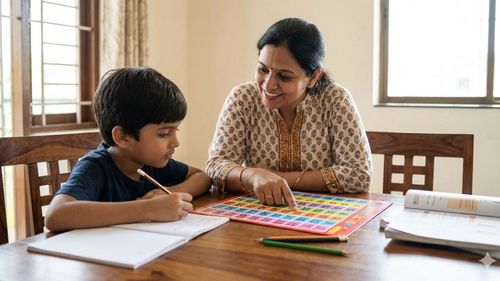

Table of Contents
- How to Learn Tables Easily by Understanding Patterns
- Easy Way to Learn Tables Using Visual Learning
- How to Learn Table Concepts Through Real-Life Examples
- How to Remember Tables Easily With Stories and Rhymes
- How to Teach Tables to Kids Using Games
- Simple Tips to Learn Multiplication Tables Easily
- How to Learn Times Tables Step by Step
- Best Way to Learn Times Tables Using Reverse Thinking
- Easy Way to Learn Tables With Daily Micro-Practice
- Why PlanetSpark’s Smart Maths Methods Work
- Confidence and Clarity Lead to Academic Success
- Common Mistakes Parents Make While Teaching Tables
- How to Learn Tables Easily With Peer Learning
- Why PlanetSpark Is the Ultimate Destination for Maths Master
- Learning Tables Can Be Easy and Fun at PlanetSpark
Learning maths doesn’t have to feel boring or stressful!
How to learn tables easily is a common question for parents and students who want faster, smarter ways to master multiplication. This guide explains simple, logic-based methods that make tables fun and memorable without rote learning. You will learn practical tips, daily exercises, and confidence-building techniques. With PlanetSpark’s interactive maths approach, children learn tables through patterns, games, and guided practice, making learning enjoyable, effective, and long-lasting.
How to Learn Tables Easily by Understanding Patterns
One of the smartest ways to learn tables is by identifying patterns instead of memorizing blindly.
Patterns Make Tables Predictable
When children see patterns, tables stop being random numbers and start making sense.
For example:
- The table of 2 follows a simple skip-counting pattern
- Table of 5 always ends with 0 or 5
- Table of 9 has a fascinating finger trick and digit pattern
Understanding these patterns is a powerful step in how to learn tables easily, because children feel in control of numbers rather than scared of them.
PlanetSpark encourages pattern recognition through games, challenges, and visual storytelling so children naturally discover logic in maths.
Easy Way to Learn Tables Using Visual Learning
Visual learning is one of the most effective techniques for helping children understand and remember multiplication tables. When numbers are seen, not just spoken, learning becomes clearer and more engaging. Visual tools turn abstract maths concepts into simple, meaningful patterns that children can easily grasp.
Use Charts, Grids, and Number Lines
Instead of plain recitation, children benefit from visual aids such as:
- Color-coded multiplication charts that highlight patterns and repeated numbers
- Grids showing rows and columns to explain how multiplication works step by step
- Number lines that visually show jumps, making repeated addition easy to understand
This easy way to learn tables helps children see multiplication as repeated addition rather than memorizing numbers. Once children visualize how numbers grow, their understanding improves, and remembering tables becomes effortless and long-lasting.
How to Learn Table Concepts Through Real-Life Examples
Children learn faster when they can relate numbers to situations they see and experience every day. Real-life examples make multiplication meaningful, helping children understand why tables work instead of memorizing them without context. When maths connects to daily life, learning feels natural and stress-free.
Bring Tables Into Daily Activities
You can teach tables using simple, familiar objects such as:
- Plates and spoons at dinner to count equal groups
- Rows of chairs in a room to show repeated patterns
- Packs of pencils or chocolates to explain multiplication easily
For example, 4 packets with 6 chocolates each clearly explain 4 × 6. This practical approach answers a common parent question: how to learn table concepts without pressure. When maths becomes part of everyday life, confidence grows, and fear disappears.
How to Remember Tables Easily With Stories and Rhymes
Stories activate imagination, which strengthens memory.
Turn Numbers Into Stories
Instead of memorizing: “7 × 8 = 56”
Create a story: “Seven spiders invited eight friends, so 56 legs were dancing!”
This storytelling method is highly effective for children who struggle with traditional learning. It’s a fun and proven way of how to remember tables easily.
PlanetSpark often uses storytelling techniques to build both communication and logical skills, making learning enjoyable and lasting.
Support your child with PlanetSpark’s advanced maths tools and teaching methods!
How to Teach Tables to Kids Using Games
Games transform learning from a routine task into an exciting adventure for children. When tables are taught through play, kids stay engaged, motivated, and eager to participate. Game-based learning removes pressure and turns practice into something children actually enjoy.
Fun Game Ideas
- Table bingo to reinforce multiplication facts in a playful way
- Flashcard races that build speed and accuracy
- Dice multiplication games to encourage quick thinking
- Online interactive quizzes for instant feedback and fun challenges
Games reduce fear, increase participation, and improve recall. This method is one of the best answers to how to teach tables to kids without frustration, making learning joyful and effective.
Simple Tips to Learn Multiplication Tables Easily
Learning multiplication tables easily involves a mix of consistency, visualization, and smart shortcuts. Short daily practice, reciting tables aloud, using flashcards, and spotting patterns like skip-counting or the 9s finger trick help children learn faster without stress. Understanding relationships between tables makes recall easier and builds long-term confidence.
Actionable Tips to Learn Multiplication Tables Quickly and Easily
- Start with easy tables like 1, 2, 5, and 10 before moving to others.
- Practice for 10–15 minutes daily for better retention.
- Use a 10×10 multiplication chart to visualize patterns.
- Apply the commutative property to reduce learning effort.
- Use the 9s finger trick for quick recall.
- Practice skip-counting to build number flow.
- Relate tables by doubling (4x from 2x, 8x from 4x).
- Write and recite tables aloud every day.
How to Learn Times Tables Step by Step
Trying to learn all the tables at once can overwhelm children and reduce their confidence. A gradual and structured approach helps kids understand multiplication calmly, without pressure. When learning is paced correctly, children stay motivated and enjoy small successes along the way.
Follow a Smart Progression
A step-by-step approach works best:
- Start with tables of 1, 2, 5, and 10 as they are easy and pattern-based
- Move to 3 and 4 using simple patterns and repeated addition
- Introduce 6, 7, and 8 gradually with regular practice
- Teach 9 using tricks and visuals to make it memorable
This structured method simplifies how to learn times tables without confusion and builds a strong foundation for faster calculations.
Let your child experience fun, engaging, and result-oriented maths learning!
Best Way to Learn Times Tables Using Reverse Thinking
Most children learn multiplication tables only in the forward direction, but smart learners also practice them backward. Reverse thinking helps children understand the relationship between multiplication and division, strengthening overall number sense and logical thinking.
For example:
- If 6 × 7 = 42, then 42 ÷ 6 = 7
- If 8 × 5 = 40, then 40 ÷ 8 = 5
- If 9 × 4 = 36, then 36 ÷ 9 = 4
- If 7 × 3 = 21, then 21 ÷ 7 = 3
This method trains children to reason instead of guessing. By linking tables with division, they gain deeper clarity and faster recall. That’s why reverse thinking is considered the best way to learn times tables, but it builds confidence, accuracy, and true mathematical understanding.
Easy Way to Learn Tables With Daily Micro-Practice
Long study sessions often tire children and reduce focus, making learning ineffective. Short, regular practice sessions work better because they match a child’s natural attention span. Daily micro-practice helps children stay consistent and confident without feeling overwhelmed.
Try 5-Minute Daily Practice
- Revise one table a day to keep learning manageable
- Practice orally during travel or while doing simple activities
- Use quick quizzes before bedtime for easy recall
Short, consistent practice is an easy way to learn tables and retain them long-term. PlanetSpark promotes habit-based learning that fits naturally into a child’s daily routine, helping children build strong maths skills effortlessly.
Why PlanetSpark’s Smart Maths Methods Work
PlanetSpark’s approach helps children learn multiplication tables easily by replacing rote memorization with understanding, confidence, and fun. Smart strategies ensure faster recall, better clarity, and long-term retention.
- Visual learning and clear patterns help children understand multiplication tables instead of memorizing them blindly.
- Real-life examples make tables meaningful and easier for children to relate to daily experiences.
- Logical thinking skills reduce confusion and help children recall answers with confidence.
- Interactive games and engaging activities keep children motivated and stress-free while learning.
- Daily micro-practice builds strong retention without overwhelming the child.
- Communication-focused learning helps children explain their answers and think clearly.
Confidence and Clarity Lead to Academic Success
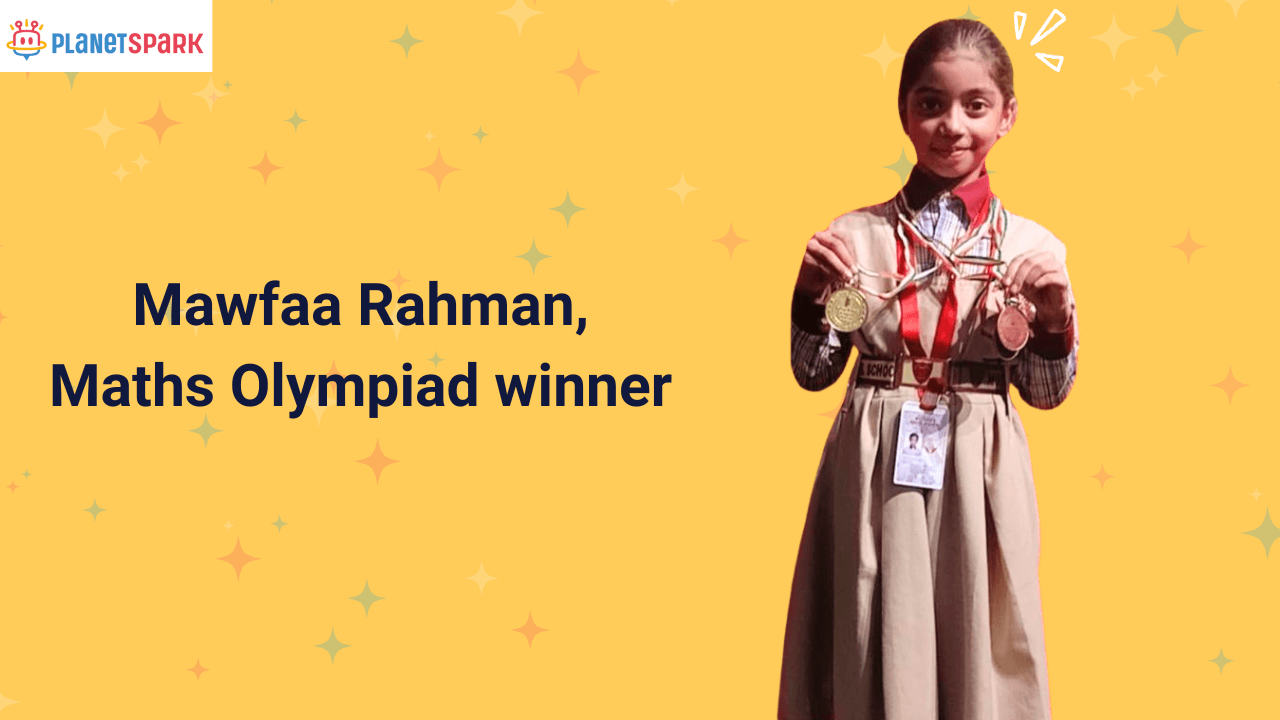
She came first in English Olympiad and third in Math Olympiad – Mawfaa Rahman
If you want your child to build strong maths foundations, learn tables easily, and grow with confidence across subjects, PlanetSpark’s smart learning approach can make that journey successful. Join PlanetSpark today.
Common Mistakes Parents Make While Teaching Tables
Even with the best intentions, certain teaching habits can slow learning and reduce confidence instead of helping children remember tables easily and enjoy maths.
- Teaching too many tables together overwhelms children and confuses them.
- Focusing only on speed increases pressure and the fear of making mistakes.
- Ignoring concept clarity leads to short-term memorization without understanding.
- Comparing a child’s progress with others lowers confidence and motivation.
- Skipping revision results in weak recall and frequent forgetting.
- Making practice boring reduces interest and willingness to learn.
How to Learn Tables Easily With Peer Learning
Children learn faster together.
Study With Friends or Siblings
- Take turns asking questions.
- Create table challenges.
- Teach one table to another.
Teaching someone else reinforces understanding and is a powerful method in how to learn tables easily.

Why PlanetSpark Is the Ultimate Destination for Maths Mastery
PlanetSpark delivers a complete learning experience that strengthens every aspect of a child’s mathematical understanding, accuracy, and confidence. With personalised one-on-one guidance, interactive practice, and real-world learning, students don’t just learn math—they master it.
Services That Build Strong Mathematical Skills
- Personal Math Trainers for concept correction, problem-solving support, and skill enhancement
- Customised Learning Roadmaps tailored to each child’s strengths and learning gaps
- SparkX AI Analysis to assess accuracy, speed, and conceptual clarity
- AI Guided Practice Sessions for computation, reasoning, and application-based learning
- Spark Diary for daily maths practice and real-life number application
- Gamified Learning Tools, including Speed Maths, Number Ninja, Logic Lab, and Fraction Quest
- SparkBee Daily Quizzes to strengthen calculations, logic, and numerical fluency
- SparkShop eBooks covering arithmetic, geometry, data handling, and reasoning
- Progress Reports and PTMs offering clear, actionable insights
With PlanetSpark, your child builds mathematical confidence, logical thinking, and a future-ready foundation that lasts a lifetime.
Learning Tables Can Be Easy and Fun at PlanetSpark
Tables don’t have to be scary or boring. With the right methods, patience, and creativity, every child can master them confidently.
By focusing on understanding, patterns, stories, and daily practice, parents and educators can truly unlock how to learn tables easily without rote memorization.
PlanetSpark’s smart learning methods prove that when children enjoy learning, success naturally follows. Let maths become a skill your child feels proud of and not afraid of.
Also Read:
How to Learn Maths Smarter: 10 Classroom-Tested Tricks by PlanetSpark
Frequently Asked Questions
Learning tables easily focuses on understanding patterns, using visuals, daily short practice, and real-life examples. These methods help children remember tables confidently without pressure or forced repetition.
The easy way to learn tables is to start with simple ones like 1, 2, 5, and 10, use skip-counting, charts, and practice aloud regularly to build strong number familiarity.
Parents can help by encouraging understanding over speed, using games and stories, practicing daily for short durations, and maintaining a positive, stress-free learning environment at home.
PlanetSpark uses smart maths methods, visual learning, storytelling, and interactive activities to help children understand multiplication deeply, making it easier to learn tables confidently and remember them long term.
The best way to learn times tables includes recognizing patterns, applying the commutative property, using tricks like the 9s method, and practicing consistently to improve speed and accuracy naturally.
Parents choose PlanetSpark because it combines maths learning with confidence-building, communication skills, and logical thinking, helping children enjoy learning tables while developing strong academic foundations.