
Multiplication Tricks That Help Kids Calculate Faster and Feel Confident in Math
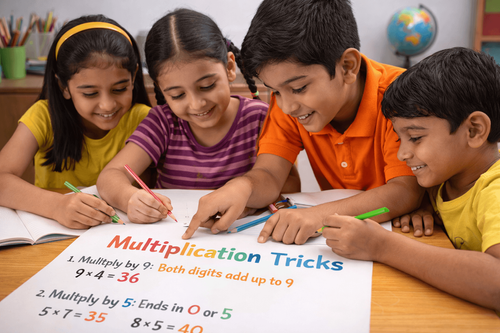

Table of Contents
- What Are Multiplication Tricks?
- Why Multiplication Tricks Build Speed and Confidence
- Core Concepts Kids Must Understand Before Tricks
- Easy Multiplication Tricks for Kids (Grades 2–3)
- Using Friendly Numbers to Reduce Fear
- Why These Tricks Matter Before Moving Forward
- Fun and Fast Multiplication Tricks for Kids (Grades 3–5)
- 2 Digit Multiplication Trick (Easy Step-by-Step Method)
- 3 Digit Multiplication Trick (Simplified for Kids)
- Vedic Maths Tricks for Multiplication (Kid-Safe and Logical)
- Practicing Multiplication Tricks Without Pressure
- Common Mistakes Parents Should Avoid
- How PlanetSpark Helps in Mastering Multiplication Tricks for
- Conclusion
For many children, multiplication is the point where math suddenly starts to feel hard. Numbers grow bigger, problems look longer, and memorizing tables can become stressful. Often, the difficulty does not come from lack of ability—but from the way multiplication is taught. When children are asked to memorize answers without understanding patterns, confidence drops quickly.
This is where multiplication tricks can make a real difference. Instead of treating multiplication as a mechanical task, these techniques help children understand how numbers work together. Well-designed multiplication tricks for kids reduce fear, improve speed, and make problem-solving feel achievable. In this blog, we focus on easy multiplication tricks that strengthen understanding first, so children feel confident before moving to faster methods and multiplication shortcuts.
What Are Multiplication Tricks?
Multiplication tricks are simple methods that help children solve multiplication problems faster by breaking numbers into easier, more manageable steps. These tricks are not about guessing or skipping learning—they are structured ways to think.
For example, instead of memorizing that
7 × 6 = 42
a child learns how to break it down using smaller known facts.
How multiplication tricks help:
- Reduce mental load
- Replace memorization with logic
- Improve calculation speed
- Build confidence
Good maths multiplication tricks always connect back to basic concepts like addition, grouping, and place value. When children understand why a trick works, they remember it longer and apply it correctly.
Why Multiplication Tricks Build Speed and Confidence
Children who struggle with multiplication often lack confidence, not intelligence. When kids experience repeated failure, they start avoiding math altogether. Proper multiplication tricks for kids change this experience.
Key benefits:
- Faster calculations: Problems feel easier and less time-consuming
- Higher accuracy: Fewer careless mistakes
- Independent thinking: Children rely less on fingers or external help
- Positive mindset: Math feels solvable, not scary
Once children master easy multiplication tricks, they approach larger problems with curiosity instead of fear—setting the stage for advanced skills later.
Help your child calculate faster without fear or memorization.
Join a PlanetSpark demo class to see how expert mentors teach smart multiplication tricks with clarity and confidence.
Core Concepts Kids Must Understand Before Tricks
Before introducing advanced strategies or multiplication shortcuts, children must understand what multiplication really means.
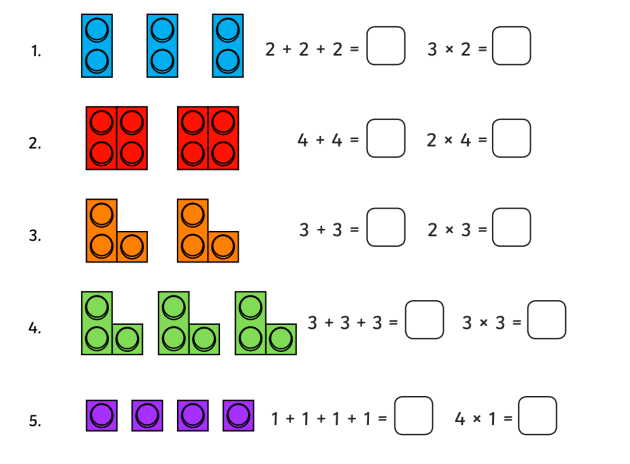
Multiplication as Repeated Addition
Multiplication starts with addition.
Example:
4 × 3 means
4 + 4 + 4 = 12
This concept helps children connect multiplication to something familiar.
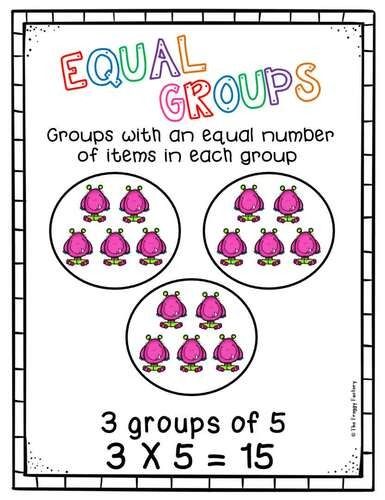
Equal Groups
Multiplication involves equal-sized groups.
Example:
5 groups of 2 objects = 10
Using objects or drawings reinforces this idea.
Arrays and Visual Models
Arrays (rows and columns) help kids see multiplication.
For instance, a 3 × 4 array shows 3 rows of 4 dots.
Understanding these basics ensures that multiplication tricks strengthen learning rather than create confusion.
Easy Multiplication Tricks for Kids (Grades 2–3)
Let’s begin with easy multiplication tricks that work best for younger learners and beginners.
Multiplication Trick for ×2 (Doubling Method)
Multiplying by 2 is simply doubling a number.
Examples:
- 2 × 6 = double 6 = 12
- 2 × 9 = double 9 = 18
This trick builds confidence quickly because children already understand doubling in daily life.
Multiplication Trick for ×5 (Half of 10 Method)
Multiplying by 5 becomes easier when children already know ×10.
Steps:
- Multiply the number by 10
- Divide the result by 2
Example:
5 × 8
10 × 8 = 80
80 ÷ 2 = 40
This is one of the most practical maths multiplication tricks, especially for mental math.
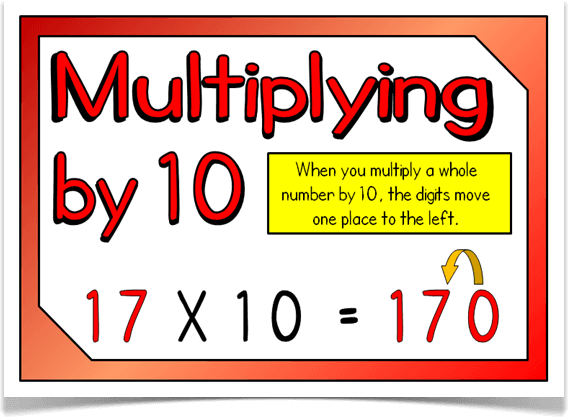
Multiplication Trick for ×10 (Place Value Shortcut)
Multiplying by 10 simply adds a zero.
Examples:
- 10 × 6 = 60
- 10 × 14 = 140
Explain why it works: multiplying by 10 shifts the number one place to the left. This concept prepares kids for bigger numbers later.
Using Friendly Numbers to Reduce Fear
Another powerful idea behind multiplication tricks for kids is breaking difficult numbers into “friendly” ones.
Example:
6 × 7
→ (6 × 5) + (6 × 2)
→ 30 + 12 = 42
This strategy teaches children that:
- Hard problems can be broken down
- They already know many answers
- Logic is more reliable than memorization
This approach forms the base for future 2 digit multiplication trick methods introduced later.
Make multiplication easier and more enjoyable for your child.
Book a PlanetSpark demo class to experience structured learning that builds speed, accuracy, and logical thinking.
Why These Tricks Matter Before Moving Forward
At this stage of learning, children are not aiming for speed alone. Speed without understanding often creates anxiety and mistakes. The real goal of introducing multiplication tricks early is to help children feel comfortable with numbers and confident in their thinking.
First, children need comfort with multiplication. When a child understands that
6 × 7 can be broken into (6 × 5) + (6 × 2), the problem no longer feels scary. They realize they already know parts of the answer. This comfort removes fear and encourages a positive attitude toward math.
Second, these tricks build logical thinking. Instead of guessing or memorizing, children learn to analyze a problem. For example, solving 8 × 9 by thinking “8 × 10 minus 8” helps them understand patterns and relationships between numbers.
Third, children develop the willingness to try. When they know there is a method they can rely on, they are more likely to attempt difficult questions instead of skipping them.
Once kids confidently use multiplication tricks, they are naturally ready to move forward—to faster multiplication shortcuts, structured 2 digit multiplication trick methods like splitting 24 × 6 into parts, and gradually to Vedic maths tricks for multiplication such as squaring numbers ending in 5. Rushing into advanced techniques without this foundation often leads to confusion, rote learning, and fear of making mistakes.
Fun and Fast Multiplication Tricks for Kids (Grades 3–5)
As children grow more comfortable with basic multiplication, they are ready to explore multiplication tricks that help them work faster without losing accuracy. At this stage, tricks focus on breaking larger problems into smaller, manageable steps rather than memorizing long tables.
These multiplication tricks for kids encourage mental flexibility and help children stay calm when facing bigger numbers. The goal is not speed alone, but confidence built through understanding.
2 Digit Multiplication Trick (Easy Step-by-Step Method)
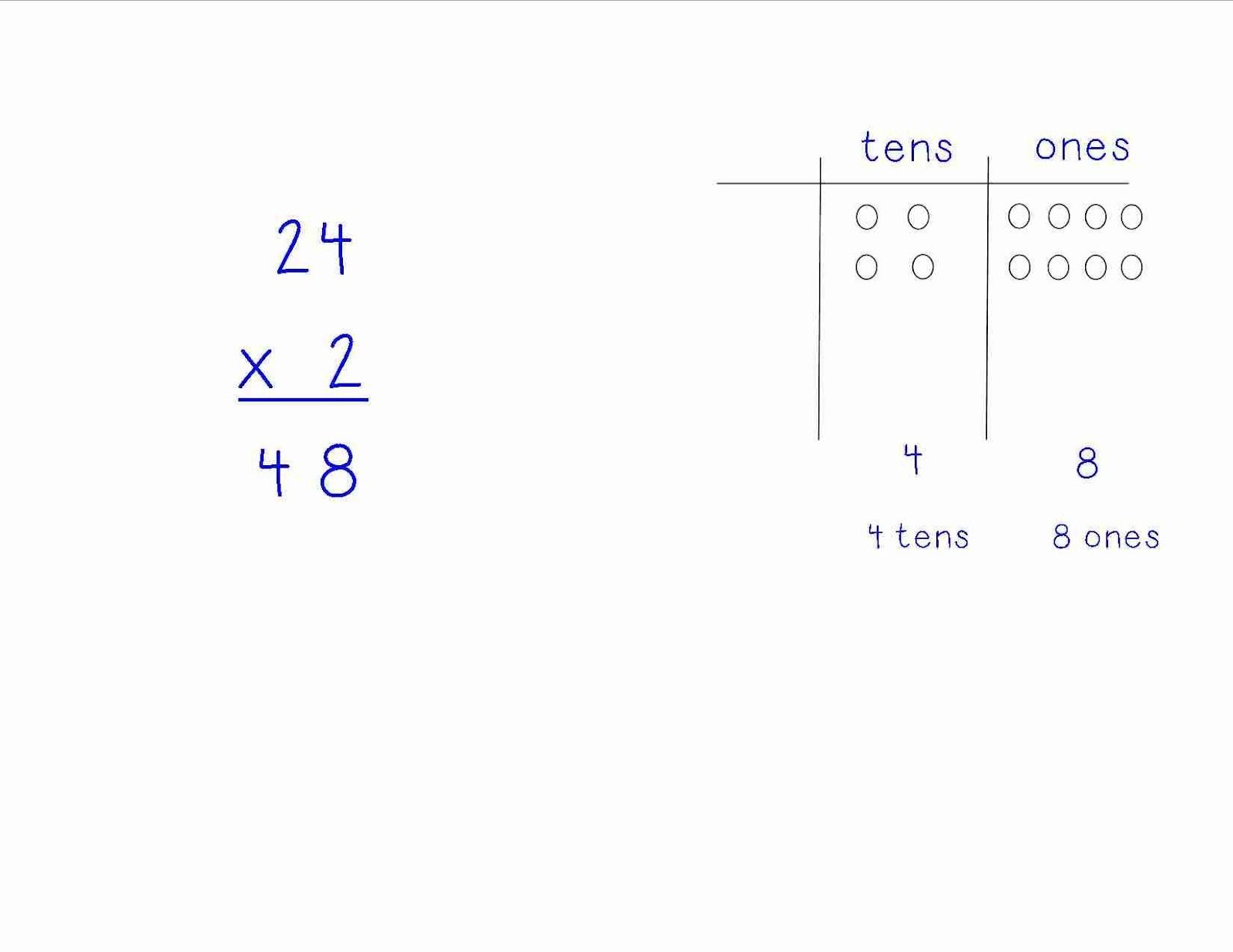
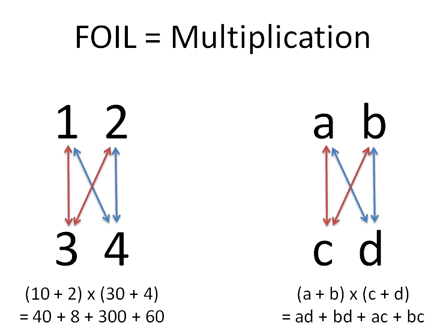
A 2 digit multiplication trick becomes simple when children learn to split numbers based on place value.
Example: 23 × 4
Step 1: Break 23 into 20 and 3
Step 2: Multiply each part
- 20 × 4 = 80
- 3 × 4 = 12
Step 3: Add the results
80 + 12 = 92
This method shows children that:
- Large numbers are not scary
- Multiplication follows the same logic every time
- Understanding place value improves accuracy
This strategy is one of the most reliable maths multiplication tricks because it works for all numbers and builds long-term understanding.
3 Digit Multiplication Trick (Simplified for Kids)
A 3 digit multiplication trick builds on the same logic, just with one extra step.
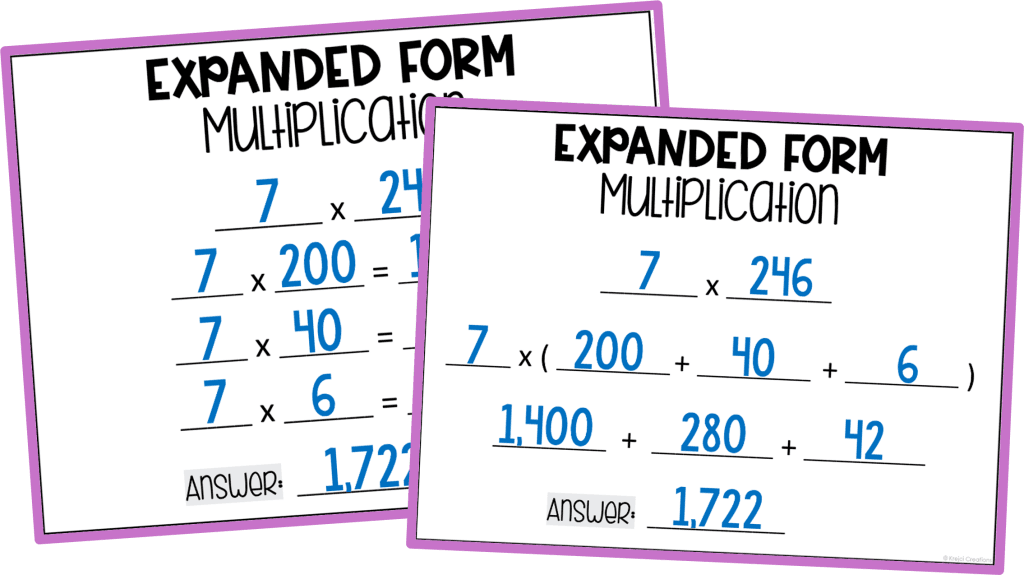
Example: 124 × 3
Step 1: Split the number
- 100 × 3 = 300
- 20 × 3 = 60
- 4 × 3 = 12
Step 2: Add all results
300 + 60 + 12 = 372
Children often feel proud after solving such problems because they realize that even big numbers follow simple rules. This reinforces confidence and prepares them for advanced school math.
Vedic Maths Tricks for Multiplication (Kid-Safe and Logical)
Vedic maths tricks for multiplication are popular because they reduce steps—but they should be introduced carefully to avoid confusion. For kids, focus only on tricks that are logical and easy to explain.
Multiplying Numbers Ending in 5
This is one of the safest and most enjoyable Vedic tricks.
Example: 25 × 25
Step 1: Take the first digit (2) and multiply it by the next number (3)
→ 2 × 3 = 6
Step 2: Add 25 at the end
Answer: 625
Explain why it works, not just how. This keeps learning meaningful and avoids blind memorization.
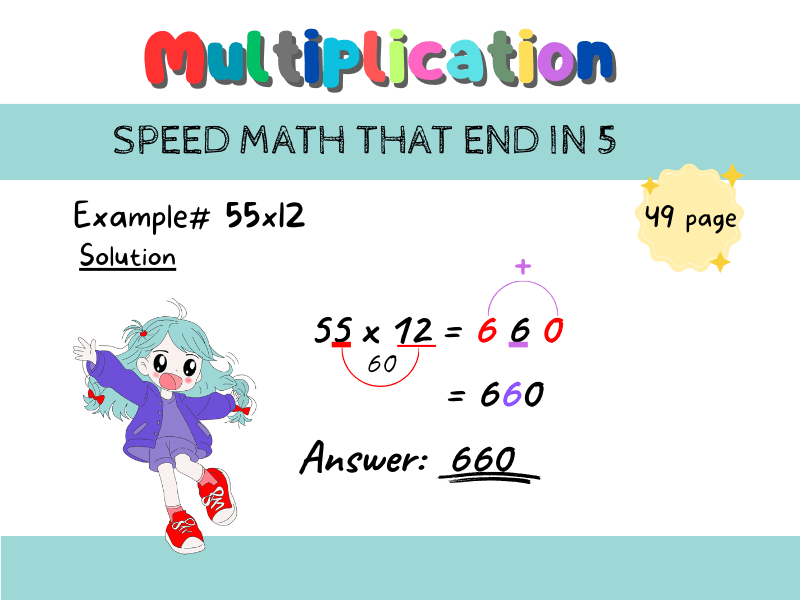
When taught correctly, Vedic maths tricks for multiplication increase interest and excitement in math.
Practicing Multiplication Tricks Without Pressure
Practice is most effective when it builds confidence instead of stress. Children learn multiplication best when they feel relaxed and supported, not rushed or judged. This is why multiplication shortcuts should be introduced gradually and practiced in short, meaningful sessions rather than long drills.
Short daily challenges (5–7 questions):
A small number of problems keeps children focused and prevents mental fatigue. For example, solving just five questions using multiplication tricks allows them to concentrate on understanding the method rather than worrying about completing a large set.
Oral questions while walking or traveling:
Casual practice during daily activities makes learning feel natural. Asking questions like “What is 6 × 4?” or “How would you break 7 × 8?” while walking or in the car reinforces thinking without the pressure of writing.
Timed games—without competition pressure:
Timers can be used as a fun tool rather than a test. Children can try to beat their own previous time instead of competing with others. This approach improves speed while keeping the experience positive.
Drawing arrays and models:
Visual practice helps children see why multiplication works. Drawing rows and columns for problems like 4 × 6 strengthens understanding and supports children who learn visually.
Above all, consistency matters more than intensity. Regular, relaxed practice helps children master multiplication tricks naturally over time.
Looking beyond rote tables? A PlanetSpark demo class shows how guided instruction helps children master multiplication through understanding, not pressure.
Common Mistakes Parents Should Avoid
Even the most effective multiplication tricks for kids can become confusing if they are taught the wrong way. Being aware of common mistakes helps prevent frustration and builds a healthy learning environment.
Introducing too many tricks at once:
Children need time to absorb each method. Teaching multiple tricks together can overwhelm them and cause mixing up of steps. One trick at a time ensures clarity and confidence.
Pushing speed before understanding:
Speed should come after understanding. When children are rushed, they may apply shortcuts incorrectly. Allowing them to explain their thinking ensures they truly grasp the concept behind the trick.
Comparing siblings or classmates:
Every child learns at a different pace. Comparisons often reduce confidence and increase anxiety. Focusing on personal progress helps children stay motivated and willing to try.
Treating mistakes as failures:
Mistakes are a natural part of learning mathematics. Instead of correcting harshly, guide children to see where their thinking changed. A calm, supportive approach encourages persistence and leads to stronger long-term results with multiplication tricks.
How PlanetSpark Helps in Mastering Multiplication Tricks for Speed and Accuracy
PlanetSpark helps students master multiplication by focusing on understanding patterns, building number sense, and improving calculation speed. Instead of relying only on rote tables, learners are guided to discover logical shortcuts and strategies that make multiplication easier and more enjoyable.
- Through personalised guidance, expert mentors at PlanetSpark help students understand how multiplication works and why specific tricks are effective. Learners practise techniques such as doubling, breaking numbers, using known facts, and mental math strategies across graded exercises.
- Understanding multiplication concepts → learning smart multiplication tricks → practising with real examples → improving speed and accuracy. This structured learning approach helps students move from slow counting methods to confident mental calculation.
- Students engage in activities like pattern-based drills, visual models, timed-but-pressure-free challenges, and application-based problems. These exercises reduce fear, improve recall, and build confidence in daily calculations.
- With continuous feedback, interactive lessons, and concept-focused teaching, PlanetSpark enables students to master multiplication tricks effectively—helping them calculate faster, think smarter, and approach math with confidence.
Conclusion
When taught patiently, multiplication tricks transform math from a fearful subject into an achievable skill. Through gradual progression—from multiplication tricks for kids to 2 digit multiplication trick, 3 digit multiplication trick, and selected Vedic maths tricks for multiplication—children learn to trust their thinking. With clarity, practice, and encouragement, multiplication becomes a tool for confidence, not stress.
Frequently Asked Questions
Multiplication tricks are safe when taught with understanding. The key is to explain why a trick works. Logical maths multiplication tricks strengthen concepts rather than replace them.
Children can begin with easy multiplication tricks around ages 6–7, once they understand basic addition and grouping. Advanced tricks should wait until concepts are clear.
About 10–15 minutes a day, 3–4 times a week is sufficient. Quality practice matters more than long sessions.
No. Multiplication shortcuts actually help children understand tables better. Memorization becomes easier once logic is clear.
Vedic methods should support learning, not replace standard approaches. Use them as confidence boosters after fundamentals are strong.