
Email Etiquette Guide: Write Professional Workplace Emails
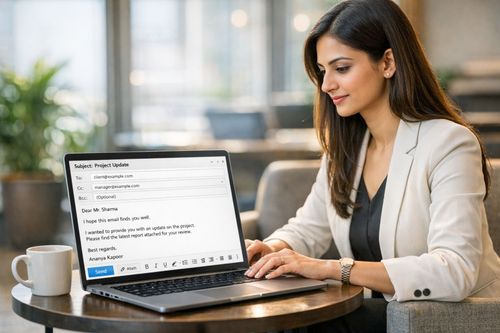

Table of Contents
- What is Email Etiquette?
- What is Email Etiquette in Simple Words?
- Why Email Etiquette is Important for Working Professionals
- Structure of a Professional Email
- Email Etiquette Do’s and Don’ts
- Email Etiquette Examples
- Advanced Professional Email Etiquette Tips
- Common Email Mistakes to Avoid
- Quick Email Etiquette Checklist
- About PlanetSpark : Personality Development
- Conclusion
In today’s fast-moving corporate world, one careless email can damage your professional image, while one well-written message can build trust instantly. Every day, working professionals send dozens of emails to managers, clients, and teams. In such a competitive environment, email etiquette is not optional anymore, it is a core career skill that directly impacts credibility and growth.
In this guide, you’ll clearly understand what email etiquette means, why it matters, practical do’s and don’ts, and real workplace examples you can apply immediately. With expert-led communication training at PlanetSpark, professionals learn how to write confidently, communicate clearly, and build a strong professional presence through powerful written and spoken skills.
What is Email Etiquette?
The email etiquette meaning refers to a set of professional rules and guidelines that help you communicate clearly, respectfully, and effectively through email. It is about choosing the right words, maintaining the correct tone, and presenting your message in a structured way so that the receiver understands you without confusion.
In the workplace, emails are not just messages, they represent your professionalism. A well-written email shows that you respect the reader’s time and value clear communication. On the other hand, a careless or poorly written email can create misunderstandings and leave a negative impression.
"Write emails that impress every time: Book your free demo class now!"
Email etiquette includes:
- Proper greeting - Starting with an appropriate salutation like “Dear Mr. Sharma” or “Hello Priya.”
- Clear subject line - Writing a subject that explains the purpose of the email.
- Polite and professional tone - Using respectful language, even when discussing urgent matters.
- Correct grammar and punctuation - Avoiding spelling mistakes and informal texting language.
- Well-structured content - Keeping paragraphs short and the message easy to read.
- Professional closing - Ending with “Regards,” “Best regards,” or “Thank you,” followed by your name and details.
What is Email Etiquette in Simple Words?
If someone asks, “What is email etiquette?” the simplest answer is this:
Email etiquette is the professional way of writing emails so that your message is clear, respectful, and easy to understand.
In simple terms, it means thinking before you send. It means choosing polite words, writing a clear subject line, keeping your message short, and checking for mistakes. Good email etiquette helps the reader understand exactly what you want, without confusion or unnecessary back-and-forth.
Think of email as a digital meeting room. Just like you would dress properly and speak politely in a real meeting, you should also “present” yourself professionally in an email. Your words represent your attitude, your discipline, and your attention to detail. If your email looks careless, people may assume your work is careless too.
Why Email Etiquette is Important for Working Professionals
In today’s workplace, email is one of the main ways we communicate. Whether it’s assigning tasks, sharing updates, or speaking with clients, your emails play a major role in how others see you. That’s why email etiquette is extremely important for working professionals.
1. Builds Your Professional Image
Your emails reflect your personality and work style. A well-written email shows:
- Confidence - You express your message clearly.
- Clarity - Your instructions are easy to understand.
- Attention to detail - You check grammar, spelling, and formatting.
- Respect - You use polite and professional language.
When your emails are structured and professional, people trust you more and take you seriously.
2. Prevents Miscommunication
Many workplace problems start because of unclear emails. Short, incomplete, or poorly written messages can create confusion and mistakes.
Professional email etiquette ensures:
- Clear instructions - The receiver knows exactly what to do.
- Defined deadlines - Timelines are clearly mentioned.
- Proper expectations - Everyone understands the goal and outcome.
This reduces misunderstandings and improves teamwork.

3. Saves Time
Structured and well-written emails reduce unnecessary back-and-forth conversations. When your message is clear from the beginning, people don’t need to ask multiple follow-up questions. This increases productivity and saves valuable time for everyone.
4. Strengthens Workplace Relationships
Politeness and clarity build trust. Even if you disagree with someone or need to give feedback, a respectful email helps maintain professionalism. It keeps communication smooth and prevents conflicts from escalating.
That’s why organizations and training platforms like PlanetSpark encourage professionals to improve their communication skills, both spoken and written. Strong email etiquette not only enhances your image but also supports long-term career growth.
Structure of a Professional Email
Understanding the correct structure is a major part of professional email etiquette. A well-structured email looks organized, sounds professional, and makes it easier for the reader to respond quickly. Let’s break it down step by step.
1. Write a Clear Subject Line
Your subject line should clearly explain the purpose of your email. It should be specific and informative so the reader immediately understands what the message is about.
Bad: “Important”
Good: “Meeting Rescheduled to 4 PM - 5 March”
A clear subject line saves time, avoids confusion, and helps people prioritize their emails properly.
2. Use a Professional Greeting
Start your email with an appropriate greeting. The tone depends on your relationship and hierarchy.
Professional examples:
- Dear Mr. Sharma
- Hello Priya
- Hi Raj
Avoid overly casual greetings like:
- Hey bro
- Yo
- Hi buddy
Choosing the right greeting shows respect and professionalism.
3. Keep the Email Body Clear and Short
Working professionals prefer concise and direct communication. Avoid long paragraphs and unnecessary details.
Follow this simple structure:
- Start with the purpose of the email
- Provide necessary details
- Clearly mention the action required
Example:
“I’m writing to confirm the client meeting scheduled for 10 March at 11 AM. Please review the attached presentation and share your feedback by Friday.”
If your email contains multiple points, use bullet points to make it easier to read.
4. Maintain a Polite Tone
Tone is extremely important in emails because the reader cannot hear your voice. Even simple instructions can sound rude if written abruptly.
Instead of:
“Send this today.”
Write:
“Could you please share this by today?”
Small changes in wording can make your email sound more respectful and professional.
5. Close Professionally
End your email with a polite closing. Some common professional closings include:
- Regards
- Best regards
- Sincerely
- Thank you
After the closing, include your:
- Full name
- Job title
- Company name
- Contact details
A professional signature makes your email complete and adds credibility.
Email Etiquette Do’s and Don’ts
Mastering the do’s and don’ts of email etiquette is one of the easiest ways to appear professional, organized, and respectful in the workplace. Your emails represent you, they reflect your attention to detail, communication skills, and professionalism. Following these simple rules helps you avoid common mistakes, ensures clarity, and builds trust with colleagues, managers, and clients.
Email Etiquette Do’s
- Use a Professional Email Address
Make sure your email address is simple and professional, ideally including your name. Avoid nicknames or casual handles like “coolguy123@example.com.” - Proofread Before Sending
Always check for spelling mistakes, grammatical errors, and proper formatting. A clean email shows attention to detail and respect for the reader. - Respond Promptly
Aim to reply within 24 hours. Even if you don’t have a complete answer, a quick acknowledgment keeps communication smooth and professional. - Use Proper Grammar and Punctuation
Correct grammar improves readability and prevents misunderstandings. Avoid shorthand, slang, or casual texting language. - Keep Emails Concise
Stick to the point. Use short paragraphs or bullet points to make your email easy to read. Long, wordy emails can confuse the reader and delay responses. - Attach Files Carefully
Double-check that all necessary attachments are included and correctly labeled. Mention the attachments in the body of your email. - Use CC and BCC Wisely
Include only relevant recipients in the CC field, and use BCC when sending emails to a larger audience without sharing everyone’s email addresses.
Email Etiquette Don’ts
- Don’t Use ALL CAPS
Writing in all capital letters looks like shouting and can come across as aggressive or unprofessional. - Don’t Send Emotional or Angry Emails
Avoid sending emails when frustrated or angry. Take a moment to cool down and rewrite your message politely if needed. - Don’t Overuse Emojis
While emojis may work in casual chats, using them in professional emails can appear unprofessional and distract from your message. - Don’t Forward Emails Without Context
Always provide a short explanation when forwarding emails, so the reader understands why they are receiving it. - Don’t Ignore Important Replies
Failing to respond can delay work and damage your professional reputation. Even a quick acknowledgement is better than silence. - Don’t Write Long, Confusing Paragraphs
Avoid cramming too much information into one paragraph. Break it into clear points to make it easier for the reader to digest.
"Stand out with every email you send: Join a free demo class!"
Email Etiquette Examples
Seeing practical examples helps you understand how to apply email etiquette in real workplace situations. Here are some common scenarios with examples of bad and good emails.
Example 1: Leave Request
Bad Email:
Subject: Leave
“I will not come tomorrow.”
This email is too short, vague, and lacks professionalism. It does not provide context or show consideration for pending work.
Good Email:
Subject: Leave Request for 6 March
Dear Sir,
I would like to request leave on 6 March due to a personal commitment. I will ensure that all pending tasks are completed before the end of today.
Please let me know if any additional information is required.
Regards,
Aman
Why it works: Clear subject line, polite tone, context provided, and professional closing.
Example 2: Following Up on a Task
Bad Email:
“Did you check this?”
Short and abrupt emails can come across as rude or careless.
Good Email:
Subject: Follow-up on Marketing Report
Hello Neha,
I hope you’re doing well. I wanted to follow up regarding the marketing report shared last week. Kindly let me know if any revisions are needed.
Thank you,
[Your Name]
Why it works: Polite, clear, and shows consideration for the recipient’s time while specifying the purpose.
Example 3: Email to a Client
Subject: Proposal Submission - ABC Project
Dear Mr. Mehta,
Please find attached the proposal for the ABC Project. We have outlined the scope, timeline, and cost estimates as discussed.
We look forward to your feedback.
Best regards,
Rahul
Why it works: Professional tone, proper greeting, clear purpose, and polite closing with all necessary details.
Advanced Professional Email Etiquette Tips
For working professionals aiming to grow into leadership roles, mastering advanced email etiquette can set you apart. Beyond the basics, these tips help you communicate more effectively, avoid misunderstandings, and project professionalism consistently.
1. Avoid Reply-All Unless Necessary
Use “Reply-All” only when every recipient truly needs to see your response. Unnecessary replies can clutter inboxes and frustrate colleagues.
2. Use Bullet Points for Long Information
When sharing multiple points or instructions, bullet points make your email easier to read and understand. This prevents confusion and ensures nothing gets missed.
3. Move Complex Discussions to Calls
Some topics are too complicated or sensitive for email. For complex issues, request a call or meeting to discuss them in detail, this saves time and avoids miscommunication.
4. Never Send Emails When Angry
Emotional emails can damage professional relationships. If you’re upset, wait, cool down, and then rewrite the message politely.
5. Re-read Before Sending Important Emails
Always double-check your email for tone, grammar, clarity, and completeness. A quick review ensures your message is professional and error-free.
"Make every email count: Sign up for a free demo class now!"
Common Email Mistakes to Avoid
Even small mistakes in emails can create confusion, appear unprofessional, and affect how others perceive you. Being aware of these common errors and avoiding them can instantly improve your workplace communication.
1. No Subject Line
Emails without a subject line confuse the recipient and make it hard to prioritize your message. Always include a clear, descriptive subject.
2. Unclear Attachments
Failing to attach documents or sending files without proper names leads to frustration. Always double-check attachments and mention them in the email body.
3. Typing Errors
Spelling mistakes, grammatical errors, or incorrect punctuation reduce your credibility. Proofreading before sending is essential.
4. Sending Incomplete Information
Leaving out important details forces recipients to follow up, causing delays and misunderstandings. Ensure your email contains all necessary information.
5. Being Too Casual with Seniors
Using slang, emojis, or overly informal language with managers or clients can seem unprofessional. Always maintain a respectful tone.
6. Delayed Responses
Not replying promptly can slow down workflows and frustrate colleagues. Even a brief acknowledgement is better than no response.
Quick Email Etiquette Checklist
Before you hit “Send,” take a moment to review your email using this simple checklist. It ensures your message is professional, clear, and effective.
- Is the subject line clear?
Make sure the subject reflects the purpose of your email. - Is the tone respectful?
Check that your language is polite and professional. - Is the message concise?
Keep paragraphs short and focus on the main points. - Have I proofread it?
Look for spelling, grammar, and punctuation errors. - Is the attachment included?
Verify that all necessary files are attached and referenced in the email.
If the answer is yes to all of these, your email is ready to send! Following this checklist consistently will help you maintain professionalism and make a strong impression in every email.
Success Story:
Riya, a young professional, struggled to get responses from clients and managers despite working hard. After learning email etiquette through structured guidance at PlanetSpark, she started writing clear, professional, and respectful emails. Within weeks, her emails were acknowledged promptly, meetings were scheduled without confusion, and her managers noticed her professionalism. Today, Riya communicates confidently, builds stronger workplace relationships, and has seen her career grow faster than ever.
"Emails that get results: Start your free demo class today!"
About PlanetSpark : Personality Development
PlanetSpark nurtures confident, expressive, and self-aware children through structured personality development programs. Our curriculum builds communication etiquette, emotional intelligence, leadership, and self-confidence empowering kids to thrive socially and personally.
1. Holistic Personality Coaching (1:1)
Each child receives personalised guidance from trained mentors who focus on confidence-building, self expression, and positive communication habits.
2. Structured Personality Development Path
A customised roadmap develops self-awareness, goal-setting, leadership skills, and social interaction through age appropriate activities.
3. Confidence, Etiquette & Body Language Training
Children learn eye contact, posture, tone, and respectful communication essential skills for strong first impressions and effective interaction.
4. Activity-Based & Real-Life Learning
Roleplays, mock interviews, journaling, and scenario-based activities help children practise real world communication and decision-making skills.
5. Emotional Intelligence & Leadership Growth
Through guided feedback and reflection, kids build empathy, teamwork, assertiveness, and leadership confidence skills that last a lifetime.

Conclusion
In today’s professional world, email etiquette is a career defining skill. How you write emails reflects your clarity, discipline, and respect for others’ time. By understanding what email etiquette is, its meaning, professional standards, do’s and don’ts, and reviewing real examples, you can significantly improve your workplace communication. Developing these habits helps you convey messages clearly, build trust, and create a strong professional image. With structured guidance from experts, PlanetSpark supports professionals and young leaders in mastering essential communication skills, boosting confidence, and achieving long term career success.
Frequently Asked Questions
Email etiquette refers to the professional rules for writing clear, respectful, and well-structured emails in the workplace.
It prevents miscommunication, builds credibility, saves time, and strengthens professional relationships.
A clear subject line, proper greeting, concise message, polite tone, and a professional closing with signature.
Use simple language, proper grammar, short paragraphs, and respectful phrases like “Please” and “Thank you.”
Avoid unclear subject lines, typing errors, emotional responses, overly casual language, and forgetting attachments.