
Factors Affecting Personality: Key Elements | PlanetSpark
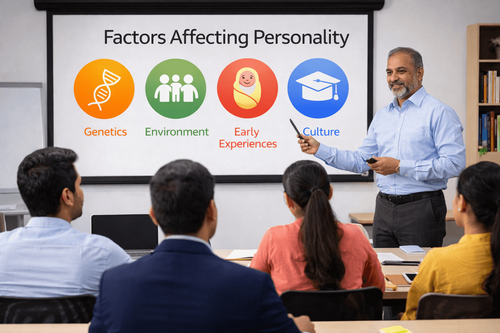

Table of Contents
- What is Personality and Why Does It Matter?
- Major Factors Affecting Personality
- Biological Factors
- Environmental Factors
- Psychological Factors
- Social and Economic Factors
- Lifestyle and Habits
- Role of Communication in Personality Development
- How to Improve Personality Development
- Challenges in Personality Development
- Why Structured Learning Matters
- Why Choose PlanetSpark Personality Development Course
- Building a Strong Personality for Success
Understanding the factors affecting personality is essential for anyone aiming to grow personally and professionally. Personality is not just about how we behave, it reflects our thoughts, emotions, communication style, and decision-making patterns. This blog explores the key factors affecting personality development, including biological, environmental, social, and psychological influences. You will also learn how these elements shape confidence, communication, and leadership skills in real-world scenarios.
What is Personality and Why Does It Matter?
Personality refers to the unique combination of traits, behaviors, attitudes, and emotional patterns that define an individual. It influences how you interact with others, respond to challenges, and present yourself in personal and professional environments.
Key Aspects of Personality
- Behavioral patterns - How you act in different situations
- Emotional responses - How you handle stress and relationships
- Communication style - Verbal and non-verbal expression
- Cognitive patterns - Thinking, reasoning, and decision-making
Importance of Personality Development
Personality development plays a critical role in:
- Career growth and leadership opportunities
- Building meaningful relationships
- Improving confidence and self-esteem
- Enhancing communication skills
Real-World Impact
A strong personality helps professionals stand out in interviews, presentations, and networking scenarios, making it a key success factor.
Major Factors Affecting Personality
Personality is shaped by a combination of internal and external influences. Let’s explore the most important factors affecting personality development in detail.
Biological Factors
Genetics and Heredity
Genetics plays a foundational role in personality development.
- Traits like introversion or extroversion can be inherited
- Emotional sensitivity and temperament are often genetic
- Intelligence levels can influence personality expression
Brain Structure and Function
- Neurotransmitters affect mood and behavior
- Brain development impacts decision-making
- Hormonal balance influences emotional stability
Physical Appearance
- Body image affects self-confidence
- Physical health impacts energy and behavior
- Social perception influences personality shaping
Environmental Factors
Family Influence
Family is the first environment where personality begins to develop.
- Parenting style affects confidence and discipline
- Family values shape beliefs and ethics
- Emotional support builds self-esteem
Social Environment
- Friends influence behavior and communication style
- Workplace culture shapes professionalism
- Social interactions develop emotional intelligence
Cultural Factors
- Traditions and norms influence behavior
- Language affects communication patterns
- Cultural expectations shape personality roles
Want to refine your communication style across different environments? Learn with the PlanetSpark Personality Development Course and build real-world confidence.
Psychological Factors
Motivation
Motivation drives personality growth.
- High motivation leads to proactive behavior
- Goal-oriented mindset builds confidence
- Lack of motivation limits development
Perception
- How you perceive situations shapes reactions
- Positive thinking enhances personality
- Negative perception leads to insecurity
Learning and Experiences
- Past experiences influence behavior patterns
- Success builds confidence
- Failures teach resilience
Social and Economic Factors
Education
Education plays a vital role in shaping personality.
- Improves communication skills
- Enhances critical thinking
- Builds discipline and confidence
Economic Status
- Financial stability affects self-esteem
- Access to resources influences growth
- Opportunities shape personality exposure
Media and Technology
- Social media influences behavior and identity
- Exposure to global content shapes thinking
- Digital communication affects interpersonal skills
Lifestyle and Habits
Daily Routine
- Consistent habits build discipline
- Time management enhances productivity
- Healthy routines improve mental well-being
Communication Habits
- Clear communication builds strong personality
- Listening skills improve relationships
- Public speaking boosts confidence
Emotional Intelligence
- Managing emotions improves interactions
- Empathy strengthens relationships
- Self-awareness enhances growth
Role of Communication in Personality Development
Communication is one of the most critical factors affecting personality.
Verbal Communication
- Clarity in speech builds confidence
- Vocabulary enhances expression
- Tone affects perception
Non-Verbal Communication
- Body language reflects confidence
- Eye contact builds trust
- Posture influences presence
Public Speaking
- Improves leadership skills
- Builds confidence in professional settings
- Enhances persuasion abilities
Improve your speaking confidence and personality with expert-led sessions from PlanetSpark personality development course.
How to Improve Personality Development
Improving personality development is a continuous and intentional process that combines self-awareness, skill-building, and consistent practice. It is not about changing who you are, but about refining your strengths, improving communication, and becoming more confident in different life situations.
Practical Strategies
Develop Strong Communication Skills
Communication is the foundation of personality development. It shapes how others perceive you and how effectively you express your ideas.
- Focus on clarity and structure while speaking
- Improve your vocabulary to express ideas more precisely
- Practice active listening to understand others better
- Work on tone, pace, and confidence while speaking
- Engage in conversations that challenge your thinking
Strong communicators are often seen as confident, reliable, and influential in both personal and professional settings.
Build Positive Habits
Your daily habits define your personality over time. Small, consistent actions can lead to significant improvements.
- Maintain a consistent daily routine
- Practice punctuality and discipline
- Develop reading and learning habits
- Avoid negative behaviors like procrastination
- Focus on healthy lifestyle habits such as exercise and mindfulness
Positive habits not only improve productivity but also enhance self-discipline and confidence.
Practice Self-Awareness
Self-awareness helps you understand your strengths, weaknesses, and behavioral patterns.
- Reflect on your daily actions and decisions
- Identify triggers that affect your emotions
- Understand how others perceive you
- Keep a journal to track personal growth
- Set realistic personal development goals
The more aware you are of yourself, the easier it becomes to improve and adapt.
Seek Feedback and Improve
Feedback is one of the fastest ways to grow your personality.
- Ask for constructive feedback from mentors or peers
- Be open to criticism without taking it personally
- Identify areas of improvement and work on them
- Track your progress regularly
- Apply feedback in real-life situations
Growth happens when you act on feedback, not just receive it.
Skill Development Areas
Public Speaking
Public speaking is a powerful skill that directly enhances confidence and personality.
- Practice speaking in front of a mirror or small groups
- Focus on body language, eye contact, and gestures
- Structure your thoughts before speaking
- Record and analyze your speaking style
- Participate in presentations, debates, or discussions
Strong public speaking skills make you more persuasive and impactful.
Creative Thinking
Creativity adds uniqueness to your personality and improves problem-solving abilities.
- Engage in brainstorming sessions
- Explore new ideas and perspectives
- Practice storytelling and content creation
- Solve real-world problems creatively
- Stay curious and open-minded
Creative thinkers are often seen as innovative and adaptable.
Emotional Intelligence
Emotional intelligence helps you manage your emotions and understand others better.
- Practice empathy in conversations
- Learn to manage stress and emotions effectively
- Improve interpersonal relationships
- Develop patience and active listening
- Respond thoughtfully instead of reacting impulsively
High emotional intelligence leads to stronger relationships and better decision-making.
Leadership Skills
Leadership is not just about managing others, it is about influencing and inspiring.
- Take initiative in group situations
- Learn decision-making and problem-solving
- Develop accountability and responsibility
- Motivate and support others
- Communicate vision clearly
Strong leadership skills enhance both professional and personal growth.
Continuous Learning
Read Books and Articles
Reading expands knowledge and improves thinking patterns.
- Read books on communication, psychology, and self-growth
- Stay updated with industry trends
- Learn from biographies of successful individuals
- Practice applying what you learn
Attend Workshops
Workshops provide practical exposure and expert insights.
- Participate in personality development sessions
- Join communication and leadership workshops
- Engage in interactive learning environments
- Network with like-minded individuals
Practice Regularly
Consistency is key to personality development.
- Practice speaking and writing daily
- Apply new skills in real-life situations
- Review your progress regularly
- Stay committed to self-improvement
Regular practice ensures long-term improvement and confidence building.
Challenges in Personality Development
Common Barriers
- Lack of confidence
- Fear of failure
- Limited exposure
- Poor communication skills
How to Overcome Them
- Practice regularly
- Step out of comfort zone
- Seek mentorship
- Focus on growth mindset
Why Structured Learning Matters
Self-learning is important, but structured programs accelerate growth.
- Provides expert guidance
- Offers personalized feedback
- Ensures consistent improvement
- Builds measurable progress
Why Choose PlanetSpark Personality Development Course
The PlanetSpark Personality Development Course is designed to help individuals build confidence, communication skills, and overall personality through a structured, tech-enabled approach.
Every learner is paired with a 1:1 personal trainer who understands their unique learning style and provides personalized guidance. The course follows a customised curriculum and roadmap, ensuring targeted improvement in grammar, fluency, storytelling, and public speaking.
With SparkX AI video analysis, learners receive detailed feedback on voice modulation, body language, and confidence. The AI-led practice sessions allow consistent learning beyond live classes, helping reinforce skills effectively.
The Spark Diary builds writing habits, while gamified learning modules make the process engaging and interactive. Regular PTMs and progress reports keep learners and parents informed about measurable improvements.
Additionally, learners can participate in debate clubs, storytelling communities, and podcasting groups, gaining real-world exposure. Platforms like Sparkline encourage safe content sharing, while contests and showcases provide opportunities for recognition.
This holistic approach ensures not just learning, but transformation in personality and communication skills.
Start your journey today with PlanetSpark personality development course and unlock your true potential.
Building a Strong Personality for Success
Personality is not fixed, it evolves through experiences, environment, and conscious efforts. The factors affecting personality development include biological traits, social influences, psychological patterns, and lifestyle habits. Understanding these elements helps individuals take control of their growth journey.
For professionals and adults, personality development is no longer optional, it is essential. Strong communication, confidence, and emotional intelligence define success in today’s competitive world. By focusing on continuous improvement and leveraging structured learning programs, anyone can enhance their personality effectively.
Investing in personality development leads to better career opportunities, stronger relationships, and a more confident life. The key is consistency, awareness, and the right guidance.
You can also read:
Frequently Asked Questions
The main factors affecting personality include biological factors like genetics, environmental influences such as family and culture, psychological aspects like motivation and perception, and social factors including education and economic status.
Environment shapes personality through family upbringing, social interactions, cultural values, and exposure to experiences. A supportive environment builds confidence, while a negative environment may lead to insecurity.
Yes, personality can be developed through conscious efforts such as improving communication skills, building positive habits, enhancing emotional intelligence, and learning from experiences.
Personality development helps professionals improve communication, build leadership skills, increase confidence, and perform better in workplace interactions, interviews, and presentations.
Structured courses provide expert guidance, personalized learning, and consistent feedback. Programs like PlanetSpark help individuals systematically improve communication, confidence, and overall personality.
Download Free Worksheets
Personalized Communication Roadmaps
Record a video to get a AI generated personalized communication reports