
Signs of Low Esteem: PlanetSpark Supports Confidence in Children
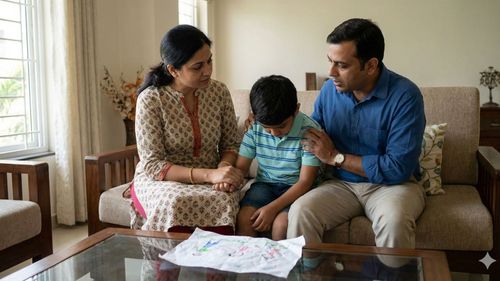

Table of Contents
- What Is Low Self Esteem? In Simple Words
- Signs of Low Esteem in Children That Parents Should Notice E
- Physical Signs of Low Self-Esteem in Children Parents Often
- Common Signs and Symptoms of Low Self-Esteem
- Signs of Low Self-Esteem in a 7-Year-Old
- How PlanetSpark Helps Build Confidence Early
- Confidence That Turned Creativity Into Achievement
- Low Self Esteem in Teenager: A Growing Concern
- Why Communication Skills Play a Key Role in Self-Esteem
- Why PlanetSpark Is the Perfect Learning Partner for Your Chi
- Confidence Is a Skill And It Can Be Learnt at PlanetSpark
Ever noticed your child hesitating to speak, doubting themselves, or avoiding challenges?
These are often signs of low esteem that can quietly affect a child’s growth, confidence, and communication skills. Low self-esteem in children may appear early and, if ignored, can impact learning, friendships, and future success. This guide helps parents identify common signs of low self-esteem across different age groups and understand their root causes. It also shows how PlanetSpark builds confidence early through structured communication, speaking practice, and positive self-expression.
What Is Low Self Esteem? In Simple Words
Before identifying the signs, it’s important to understand what is low self esteem.
Low self-esteem is a child’s negative perception of themselves. It means the child:
- Doubts their abilities.
- Feels “not good enough.”
- Is overly afraid of making mistakes.
- Believes others are better or smarter.
Children with low self-esteem often measure their worth through:
- Grades
- Approval from others
- Comparisons with peers
When these expectations aren’t met, their confidence drops.
Low self-esteem is not a personality trait. It’s a learned response, and the good news is, it can be changed early with the right support.
Signs of Low Esteem in Children That Parents Should Notice Early
Let’s look at the most common signs of low esteem that parents should watch for. Identifying these signs early can help children get the right support before confidence issues grow deeper.
1. Constant Self-Criticism and Negative Self-Talk
Children with low self-esteem often speak harshly about themselves. You may hear them say:
- “I’m stupid.”
- “I always mess up”
- “I’m not good enough.”
Even small mistakes feel like big failures to them. They focus more on what went wrong than what they did right. Over time, this negative self-talk becomes a habit and affects their motivation to try again.
2. Fear of Speaking or Performing in Front of Others
A major sign of low esteem is avoiding speaking in class, stage performances, or group discussions.
These children often:
- Know the answer but don’t raise their hand.
- Avoid debates, storytelling, or presentations.
- Panic or freeze when asked to speak.
This fear usually comes from low confidence in communication, not lack of intelligence. They worry about being judged, laughed at, or making mistakes in front of others.
3. Extreme Fear of Making Mistakes or Failing
Children with low self-esteem often see mistakes as something shameful.
They may:
- Avoid trying new activities or challenges.
- Prefer staying silent rather than risk being wrong.
- Feel embarrassed or upset very easily.
They believe mistakes define their worth instead of seeing them as part of learning. This mindset limits growth and curiosity.
4. Seeking Constant Approval and Reassurance
A child with low self-esteem may repeatedly ask questions like:
- “Is this right?”
- “Did I do okay?”
- “Are you angry with me?”
They rely heavily on validation from parents, teachers, or peers. This dependence shows a lack of inner confidence and difficulty trusting their own abilities or decisions.
Boost Your Child’s Personality with Expert-Guided Learning
5. Difficulty Making Friends and Social Connections
Low self-esteem can make children feel they don’t belong.
They may:
- Withdraw socially or stay quiet in groups.
- Avoid group activities or teamwork.
- Struggle to start or maintain friendships.
Over time, this affects emotional growth, happiness, and communication skills, making it harder for them to express themselves confidently.
Physical Signs of Low Self-Esteem in Children Parents Often Miss
Many parents are surprised to learn that physical signs of low self-esteem also exist. When children struggle emotionally, their bodies often reflect that stress in subtle but noticeable ways.
Some common physical signs include:
1. Poor Body Language and Closed Posture
Children with low self-esteem often carry themselves differently.
You may notice:
- Slouched shoulders or a hunched posture.
- Avoiding eye contact while speaking.
- Nervous fidgeting, tapping, or folding arms.
This body language shows discomfort, insecurity, and a desire to stay unnoticed in social settings.
2. Frequent Complaints of Tiredness or Feeling Unwell
Children may often say they are tired, have headaches, or feel unwell, especially before school, classes, or social events.
This can be a way to:
- Avoid situations where they feel judged.
- Escape speaking, performing, or interacting.
- Cope with emotional stress that they can’t express
These complaints are usually emotional signals rather than physical illness.
3. Nail Biting, Hair Pulling, or Repetitive Habits
Habits like nail biting, hair pulling, or constant skin picking are common stress responses.
They often indicate:
- Inner anxiety and nervousness.
- Self-doubt or fear of making mistakes.
- Difficulty managing emotions.
Such behaviors increase during stressful or unfamiliar situations.
Help Your Child Grow into a Smart and Confident Communicator!
4. Changes in Eating or Sleeping Patterns
Low self-esteem can disrupt a child’s emotional balance, which affects daily routines.
You may notice:
- Trouble falling or staying asleep.
- Overeating or loss of appetite.
- Irregular sleep schedules.
These changes signal emotional discomfort and the need for reassurance and support.
Recognising these physical signs of low self-esteem early allows parents to intervene before the issue deepens.
Common Signs and Symptoms of Low Self-Esteem
Low self-esteem includes negative self-talk, fear of failure, people-pleasing, social withdrawal, and constant comparison. Individuals often feel inferior, struggle to accept compliments, lack boundaries, and downplay achievements by attributing success to luck.
Behavioral & Emotional Signs
- Negative Self-Talk: Constantly criticizing yourself with thoughts like “I’m not good enough.”
- Difficulty with Compliments: Rejecting or deflecting praise because you don’t believe it.
- Fear of Failure: Avoiding challenges to escape judgment or mistakes.
- People-Pleasing: Putting others first and struggling to say “no.”
- Social Withdrawal: Isolating yourself to avoid rejection or criticism.
- Comparison: Measuring your worth against others and feeling inadequate.
- Lack of Boundaries: Difficulty asserting needs or personal limits.
- Self-Sabotage: Undermining your own success or happiness.
- Sensitivity to Criticism: Taking feedback as proof of personal flaws.
Cognitive Signs
- Focusing on Negatives: Ignoring achievements and highlighting shortcomings.
- Feeling Inferior: Believing others are more capable or deserving.
- External Locus of Control: Crediting success to luck and blaming yourself for failures.
- Poor Outlook: Having a negative view of the future and limited control.
How It Affects You
Low self-esteem can contribute to anxiety, depression, and relationship difficulties, creating a cycle of self-doubt and emotional distress. Recognizing these signs is the first step toward building healthier self-worth and confidence.
Signs of Low Self-Esteem in a 7-Year-Old
At age 7, children become more aware of comparison and feedback.
Signs of low self-esteem in a 7 year old include:
- Crying easily when corrected.
- Saying “I’m bad at school.”
- Refusing to try homework independently.
- Avoiding class participation.
At this age, confidence is strongly linked to communication skills and how well a child can express thoughts, ask questions, and feel heard.
Give Your Child the Power to Speak with Confidence!
How PlanetSpark Helps Build Confidence Early
PlanetSpark is not just a speaking platform but a confidence-building ecosystem designed for kids and teens.
1. Safe Environment to Speak Without Fear
PlanetSpark classes provide:
- Small group interactions
- Encouraging mentors
- No judgment or ridicule
Children learn that making mistakes is part of learning, which directly combats low self-esteem.
2. Structured Communication Skill Development
PlanetSpark focuses on:
- Public speaking
- Storytelling
- Debates
- Creative writing
These skills help children:
- Think clearly
- Speak confidently
- Express emotions effectively
Confidence naturally grows when children can communicate their thoughts freely.
3. Age-Appropriate Confidence Building
Whether it’s:
- A shy 7-year-old.
- A hesitant middle-schooler.
- A self-conscious teenager.
PlanetSpark programs are designed to match the child’s developmental stage, addressing signs of low esteem early.
4. Positive Feedback That Builds Self-Belief
Unlike traditional classrooms, PlanetSpark mentors:
- Focus on strengths.
- Celebrate effort, not perfection.
- Encourage independent thinking.
This consistent positive reinforcement helps children rebuild self-image.
5. Leadership and Real-Life Exposure
Children participate in:
- Live presentations
- Competitions
- Group discussions
These experiences reduce fear and transform nervous speakers into confident communicators.
Confidence That Turned Creativity Into Achievement
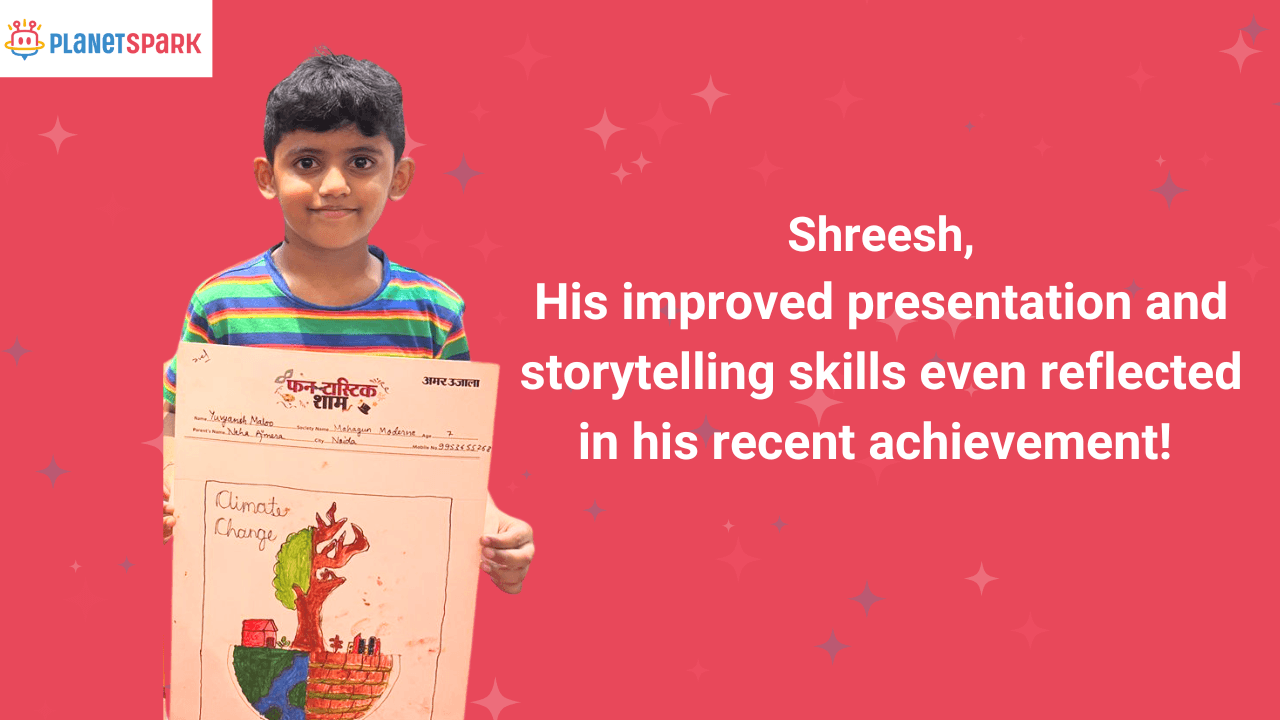
PlanetSpark has helped Shreesh express his ideas creatively and confidently. His improved presentation and storytelling skills even reflected in his recent achievement — winning second place in the Junior Category of a drawing competition on ‘Climate Change’ organized by the Amar Ujala team.
If you notice signs of low esteem in your child and want them to express ideas with confidence, creativity, and clarity, PlanetSpark can make that difference. Join PlanetSpark today and help your child build strong communication skills and lifelong self-belief.
Low Self Esteem in Teenager: A Growing Concern
As children grow, low self esteem in teenager years can become more intense.
Teenagers face:
- Academic pressure
- Social comparison
- Body image concerns
- Peer judgement
Signs include:
- Sudden silence or withdrawal
- Fear of expressing opinions
- Overthinking conversations
- Avoiding leadership roles
Left unaddressed, low self esteem in teens can affect mental health, career choices, and relationships.
Why Communication Skills Play a Key Role in Self-Esteem
One of the biggest contributors to low self-esteem is poor communication confidence.
Children who struggle to:
- Express ideas clearly
- Speak in front of others
- Participate in discussions
often believe they are “not smart” or “not good enough.”
In reality, they just need structured communication practice.
Why PlanetSpark Is the Perfect Learning Partner for Your Child
PlanetSpark creates confident, well-spoken, and future-ready children through personalised training, engaging digital tools, and activity-based learning. With expert coaching and structured practice, kids develop communication strength, emotional intelligence, and strong personality traits that help them thrive in school and beyond.
Personality Development Services at PlanetSpark:
- Builds confidence through guided speaking and real-time practice.
- Strengthens leadership and teamwork with interactive tasks.
- Enhances emotional intelligence using SEL-based modules.
- Improves social etiquette and polite communication skills.
- Teaches body language, eye contact, and effective posture.
- Encourages clarity of thought through journaling and reflections.
- Boosts decision-making and problem-solving abilities.
- Develops assertiveness and respectful expression.
- Supports goal setting and personal growth habits.
- Offers regular parent consultations for steady progress.
Confidence Is a Skill And It Can Be Learnt at PlanetSpark
Low self-esteem does not mean your child is weak or incapable. It simply means they need guidance, encouragement, and the right platform to express themselves.
By recognising the signs of low esteem early and nurturing communication skills through platforms like PlanetSpark, parents can help children grow into confident, expressive, and self-assured individuals.
Confidence built early lasts a lifetime.
If you want your child to speak fearlessly, think clearly, and believe in themselves, PlanetSpark is the place where that journey begins.
Also Read:
How to Teach Kids Critical Thinking Skills Effectively with PlanetSpark
Life Skills for Teen to Succeed in Life with PlanetSpark Support!
Frequently Asked Questions
Signs of low esteem include fear of speaking, self-doubt, avoiding challenges, negative self-talk, poor eye contact, and a constant need for approval from parents or teachers.
Low self esteem often looks like hesitation, silence in class, fear of mistakes, comparing oneself with others, and giving up easily when tasks feel difficult.
Yes, physical signs of low self-esteem include slouched posture, nail biting, nervous habits, tiredness, frequent complaints, and avoiding social or school activities.
Low self esteem in teenagers can cause social withdrawal, fear of judgment, poor communication, low leadership confidence, and anxiety during presentations, exams, or peer interactions.
PlanetSpark helps children overcome signs of low esteem by improving communication, public speaking, and self-expression through supportive mentors, structured practice, and confidence-building activities.
PlanetSpark builds confidence early by creating a safe speaking environment, encouraging mistakes, boosting self-belief, and helping kids express ideas clearly without fear or judgment.