
Skill-Based Learning vs Traditional Education: Which Approach Works Better?
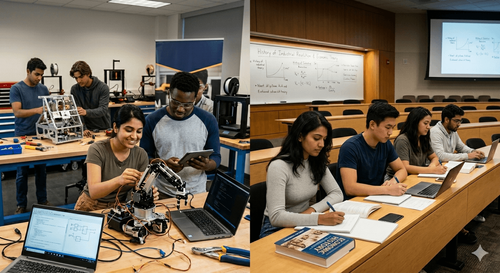

Table of Contents
- Skill-Based Learning vs Traditional Education: Core Differen
- Advantages of Skill-Based Education
- Disadvantages of Skill-Based Education
- Skill v/s Traditional Education Pros & Cons: Why Skill is th
- Online Skill Based Learning Courses
- Importance of Communication Skills in Skill-Based Learning
- Choosing the Right Learning Approach
- About Planetspark: Personality Development
In today’s rapidly evolving world, education is no longer limited to textbooks and classrooms. The debate around Skill-Based Learning vs Traditional Education has become more relevant than ever, especially as industries demand practical skills alongside theoretical knowledge. Students and professionals alike are now questioning which approach truly prepares them for real-world success.
While traditional education has long been the foundation of academic learning, skill-based education is gaining momentum for its practical, application-driven approach. This blog explores the key differences, advantages, disadvantages, and future relevance of both systems to help you make an informed decision.
Skill-Based Learning vs Traditional Education: Core Differences
Understanding the difference between skill-based education vs traditional education is essential before choosing the right learning path.
Traditional Education
Traditional education focuses on theoretical knowledge delivered through structured curricula. It emphasizes:
- Classroom-based learning
- Textbooks and exams
- Memorization of concepts
- Fixed syllabus and timelines
While it builds foundational knowledge, it often lacks real-world application.
Skill-Based Learning
Skill-based learning focuses on practical application and real-life skills. It emphasizes:
- Hands-on learning
- Real-world problem-solving
- Communication and soft skills
- Continuous feedback and improvement
This approach prepares learners to apply knowledge in real situations rather than just remembering it.
Key Differences at a Glance
Where PlanetSpark fits in:
planetspark provides personalised and interactive 1:1 sessions with our expert teachers where we cover all channels of communication for all age groups.
Advantages of Skill-Based Education
The rise of skill-based education is driven by its practical benefits and relevance in today’s world.
1. Real-World Application
Skill-based learning prepares learners to handle real-life situations effectively. Instead of focusing only on memorization, learners actively practice:
- Communication skills
- Problem-solving
- Critical thinking
This approach makes learning meaningful and directly applicable in everyday life. Learners gain the ability to use their knowledge in practical scenarios such as conversations, decision-making, and workplace challenges, making them more capable and confident.
2. Improved Employability
Employers today value skills over just academic qualifications. Skill-based education helps learners:
- Perform confidently in interviews
- Handle workplace tasks effectively
- Adapt to dynamic work environments
By focusing on practical abilities, learners become job-ready and better equipped to meet industry demands. Strong communication and problem-solving skills also give them a competitive edge in the professional world.
3. Personalized Learning Experience
Unlike traditional education systems, skill-based learning adapts to individual needs. Learners can:
- Learn at their own pace
- Focus on strengths and weaknesses
- Receive continuous feedback
This personalized approach ensures better understanding and faster improvement. It allows learners to progress comfortably without pressure, making the learning process more effective and engaging.
4. Builds Confidence
Regular practice and performance-based learning significantly boost confidence. As learners continuously apply their skills, they become more comfortable expressing ideas and communicating effectively. Over time, this reduces hesitation and builds self-assurance in both academic and real-life situations.
Learn skills that make your bright future 🌠
Book free demo session today
Disadvantages of Skill-Based Education
While skill-based learning offers many benefits, it also has certain limitations.
1. Lack of Theoretical Depth
Some skill-based programs may not focus enough on theoretical concepts, which are important for academic understanding. While practical skills help in real-life application, a lack of strong foundational knowledge can limit deeper learning and critical thinking. Learners may struggle in situations that require conceptual clarity, especially in academic or research-based environments. A balanced mix of theory and practice is essential to ensure well-rounded development.
2. Requires Self-Discipline
Skill-based learning often involves self-paced learning, which requires:
- Consistency
- Motivation
- Time management
Without a structured environment, many learners find it difficult to stay on track. Procrastination and lack of routine can slow down progress. Learners need strong self-discipline and commitment to maintain regular practice and achieve their goals effectively.
3. Limited Standardization
Unlike traditional education, skill-based learning may vary across platforms, making it difficult to measure uniform outcomes. Different programs may follow different teaching methods, assessment styles, and quality standards. This inconsistency can create confusion for learners when comparing courses or evaluating their progress at a broader level.
4. Accessibility Issues
Not all learners have access to quality skill-based programs, especially in remote areas. Factors such as internet connectivity, affordability, and availability of expert trainers can limit access. This creates a gap between learners who can access advanced learning tools and those who cannot.
Balanced Approach Matters
Combining theoretical knowledge with practical skills often gives the best results. A balanced approach ensures that learners not only understand concepts deeply but also apply them effectively in real-world situations, leading to long-term success.
Skill v/s Traditional Education Pros & Cons: Why Skill is the Future?
The debate of Skill-Based Learning vs Traditional Education ultimately leads to one conclusion—skills are becoming increasingly important.
Why Skill-Based Learning is the Future
- Rapid technological advancements require learners to be adaptable and future-ready
- Focuses on practical application rather than just theoretical knowledge
- Modern jobs demand hands-on skills, problem-solving, and communication abilities
- Prepares individuals for real-world challenges and workplace situations
- Global competition prioritizes performance, creativity, and innovation over memorization
Role of Traditional Education
- Provides strong foundational knowledge across core subjects
- Helps in building discipline, consistency, and academic habits
- Offers a structured and organized learning environment
- Develops critical thinking through theoretical understanding
- Supports long-term learning and forms the base for skill development
The Ideal Approach
The best approach is a combination of both:
- Strong theoretical base
- Practical skill application
This hybrid model ensures well-rounded development.
Online Skill Based Learning Courses
The growth of digital education has made online skill based learning courses highly popular.
Benefits of Online Skill-Based Learning
- Learn anytime, anywhere
- Access to expert trainers
- Interactive and engaging content
- Personalized learning paths
Why Online Learning Works
- Online platforms provide unmatched flexibility, allowing learners to study anytime and from anywhere without disrupting their daily routine
- A structured online skill based learning course ensures consistent progress through well-planned lessons and guided learning paths
- Learners can revisit recorded sessions and materials, improving understanding and retention over time
- Interactive tools such as quizzes, writing exercises, and real-time feedback make learning engaging and effective
- Expert guidance helps learners correct mistakes quickly and build strong communication skills
PlanetSpark Advantage:
1:1 Live Interactive Classes
Learners get individual attention through personalized sessions with expert teachers, ensuring faster improvement and better understanding.
Customized Learning Plans
Each learner follows a structured roadmap based on their current level, strengths, and goals, making learning more effective.
Focus on Real Communication Skills
Sessions cover speaking, writing, reading, and listening, helping learners apply English in real-life situations.
Regular Feedback and Performance Tracking
Trainers provide instant feedback during sessions along with detailed progress reports to monitor improvement.
AI-Powered Practice Tools
Features like SparkX and AI-led practice sessions help learners improve pronunciation, writing, and confidence with instant analysis.
Consistent Practice Through Activities
Learners engage in storytelling, debates, writing tasks, and presentations, making learning interactive and practical.
Flexible Scheduling
Online classes can be scheduled as per convenience, making it easy for students and professionals to stay consistent.
Safe and Engaging Learning Environment
Platforms like Spark Diary and Sparkline encourage creativity, expression, and confidence building.
Importance of Communication Skills in Skill-Based Learning
Communication is one of the most critical skills in today’s world. Skill-based learning emphasizes:
- Public Speaking: Develops the ability to express ideas clearly and confidently in front of an audience, improving verbal communication and stage presence.
- Writing Skills: Enhances clarity, creativity, and structure in written communication, essential for academic and professional success.
- Presentation Abilities: Builds skills to organize ideas effectively, use visuals, and deliver impactful presentations.
- Confidence Building: Strengthens self-belief, reduces fear of speaking, and helps individuals perform confidently in various situations.
These skills are essential for academic success, career growth, and personal development.
Choosing the Right Learning Approach
The debate between Skill-Based Learning vs Traditional Education is not about choosing one over the other—it’s about finding the right balance. While traditional education builds knowledge, skill-based learning ensures application.
In today’s competitive world, learners need both understanding and execution. Developing strong communication, critical thinking, and practical skills is essential for long-term success.
Don’t just learn —master it.
Book your 1:1 PlanetSpark demo to start building yours.
About Planetspark: Personality Development
Core Goal: Develop self-confidence, leadership, emotional intelligence, and social etiquette.
Detailed USPs:
- Holistic Curriculum Beyond Academics
- Covers communication etiquette, self-introduction, goal setting, peer interaction, leadership, self-awareness, and critical thinking.
- Social-Emotional Learning (SEL) Based Design
- Designed in line with CASEL (Collaborative for Academic, Social, and Emotional Learning) to foster personal and interpersonal development.
- Practical, Activity-Based Learning
- Includes mock interviews, public introductions, journaling, feedback sharing, and real-life scenario simulations.
- Leadership & Self-Presentation Training
- Focus on cultivating soft skills like empathy, responsibility, assertiveness, and teamwork through engaging challenges.
- Confidence Meter & Parent Consultations
- Regular consultations with parents about the child's growth in traits like confidence, openness, and leadership orientation.
- Etiquette and Body Language Sessions
- Children are taught eye contact, posture, respectful communication, and tone modulation as part of their personality grooming.

Must read: Fun Activity Group Games To Build Skills & Confidence
Frequently Asked Questions
Skill-based learning focuses on developing practical abilities that can be applied in real-life situations.
Both have their benefits. A combination of both approaches is considered the most effective.
Skill-based education emphasizes practical application, while traditional education focuses on theoretical knowledge..
PlanetSpark focuses on real-life communication skills through interactive sessions, helping learners build confidence and practical abilities.
It offers personalized 1:1 learning, performance-based activities, and a focus on communication skills.
Yes, it enhances public speaking, creative writing, and confidence, ensuring holistic development.