
Social Etiquette for Students : Guide for Classroom & Beyond
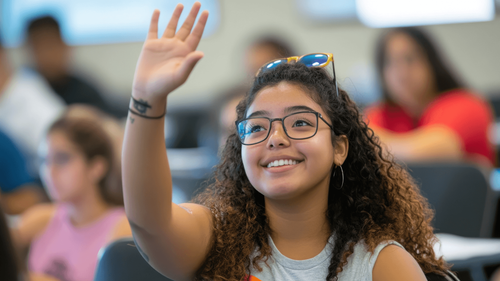

Table of Contents
- What Is Social Etiquette?
- Classroom Etiquette: How to Behave Respectfully in Class
- Social Etiquette During Group Activities and Teamwork
- Digital Etiquette: Being Polite in the Online World
- Dining Etiquette Every Student Should Know
- Social Etiquettes to Communicate Politely with Teachers and
- Public Etiquette: Behaviour in Public Spaces and School Even
- Cultural and Gender Sensitivity in Social Etiquette
- Common Mistakes of Social Etiquettes Students Should Avoid
- How PlanetSpark Help in Developing Social Etiquette
Feeling a little shy, lost in the crowd or unsure how to speak up in a class or team? That hesitation is exactly why mastering social etiquette for students matters it transforms awkward moments into confident interactions.
In this blog, we will explore everything from classroom manners and digital behaviour to teamwork, dining etiquette, and respectful communication. With expert guidance from platforms like PlanetSpark, students can master these life skills through fun, interactive sessions that transform hesitation into confidence and good manners into everyday habits.
What Is Social Etiquette?
Social etiquette refers to the set of unwritten rules and behaviours that help individuals interact politely, confidently and respectfully in different social contexts. For students, this means knowing how to listen without interrupting, show appreciation, cooperate in teams, behave online, and treat others including teachers and classmates with kindness and professionalism. These skills extend far beyond school life and contribute to strong interpersonal skills and future success.
Classroom Etiquette: How to Behave Respectfully in Class
In the classroom, respectful behaviour fosters a positive learning environment and strengthens the student-teacher bond. Key practices include:
Raising hands before speaking demonstrates discipline and respect for others’ learning time.
Listening actively, by maintaining eye contact, nodding appropriately, and refraining from side-chats, shows engagement and consideration.
Avoiding interruptions keeps the lesson flowing smoothly and ensures that everyone has a chance to speak or ask questions.
Showing gratitude to teachers, for example saying “thank you” after a lesson or acknowledging help, builds mutual respect and confidence.
Being punctual, prepared and attentive adds to a disciplined classroom atmosphere and reflects good manners.

Social Etiquette During Group Activities and Teamwork
Teamwork is a major part of student life, whether on projects, sports or clubs. Good etiquette here ensures cooperation and harmony. Consider the following:
Encourage cooperation, by sharing responsibilities actively and checking in on peers rather than waiting to be told what to do.
Practice turn-taking, making sure every member contributes and no one dominates discussions or tasks.
Appreciate others’ efforts, for instance by recognising a teammate’s contribution aloud or in writing—positive reinforcement boosts morale.
Resolve conflicts politely, by addressing disagreements calmly, listening to others and proposing constructive solutions rather than ignoring issues or blaming.
Stay inclusive, inviting quieter teammates to share ideas and valuing diverse viewpoints.
Digital Etiquette: Being Polite in the Online World
With virtual learning, social media, and group chats, digital etiquette matters as much as face-to-face behaviour. Key points for students:
In virtual classes, keep the microphone muted when not speaking, ask questions via the chat or hand-raise feature if available, and avoid multi-tasking so as not to appear disengaged.
In group chats, contribute meaningfully—avoid flooding chat with irrelevant content, avoid spamming or making off-topic posts, and keep messages respectful and concise.
On social media, respect privacy by not tagging classmates without permission, avoid posting hurtful comments or jokes, and think twice before sharing images or personal information.
Respect digital boundaries: do not share teachers’ or classmates’ work or messages without consent, and maintain appropriate timing (e.g., avoid late-night messages unless necessary).
Be mindful of tone what reads as a joke in person may appear rude online so choose words with care.
Elevate student confidence and communication skills
Enrol in Planet Spark’s personality development course today
Dining Etiquette Every Student Should Know
Whether in the school canteen, a college café or during a special event, dining etiquette reflects a student’s social awareness. Some practical guidelines:
Wait until everyone is served or at least started before digging in; this shows consideration.
Use utensils properly and avoid talking with a full mouth; small actions like these convey respect.
Share food considerately if offering to others, make sure portions are fair, and avoid hogging popular items.
Maintain cleanliness: wipe spills, dispose of wrappers responsibly, keep your area tidy, and leave the table ready for the next user.
Use polite, appreciative language: “Please pass…” “Thank you for sharing…” These simple phrases reinforce good manners.
When at special events or buffets, follow the host’s lead, avoid excessive picks, and show gratitude to those organising and serving.
Social Etiquettes to Communicate Politely with Teachers and Classmates
Strong communication is the foundation of good social etiquette for students. The way a student speaks, listens, and responds says a lot about their respect and confidence. Here’s how to keep every conversation thoughtful, engaging, and polite.
1-Speak Smart, Not Loud
The tone of voice matters more than the volume. Speak clearly and confidently, but never harshly. Polite phrases like “Excuse me,” “May I ask…,” or “Thank you for explaining” go a long way in showing respect and maturity.
2-Let Your Body Do the Talking
Non-verbal signals often speak louder than words. Maintain gentle eye contact, keep an open posture, and avoid defensive gestures like crossing arms or rolling eyes. A friendly smile or nod can make conversations feel warm and positive.
3-Write Like a Pro – Email Etiquette 101
When sending emails to teachers or school officials, remember—it’s not a group chat. Use a clear subject line, a respectful greeting (“Dear Ms. …”, “Hello Sir …”), and close with “Regards” or “Thank you.” Avoid slang, emojis, or ALL CAPS to keep communication professional and polished.
Join Planet Spark’s Personality Development Course and polish your Child's classroom, digital and teamwork manners.
4-Listen to Learn, Not Just to Reply
Active listening is a valuable skill. When teachers or classmates speak, pay full attention. Avoid interrupting or finishing their sentences. Nodding, asking follow-up questions, or paraphrasing shows genuine interest and understanding.
5-Handle Feedback Like a Champ
Feedback is not criticism it’s an opportunity to grow. When receiving feedback from teachers or peers, stay calm, thank them, and use it to improve. When giving feedback, focus on ideas, not people. Say “I liked how…” or “Maybe we could try…” to keep the tone constructive.
6-Respect Opinions, Even When You Disagree
Polite disagreement is an art. Instead of saying “That’s wrong,” try “I see your point, but I feel…” This small shift keeps discussions respectful and builds mutual understanding. Everyone learns better in a safe and open environment.
Public Etiquette: Behaviour in Public Spaces and School Events
Social etiquette for students extends beyond classrooms and group projects it also includes how one behaves in public settings such as assemblies, sports events, school trips, and inter-school competitions.
A student’s manners in these spaces reflect not only personal values but also the reputation of the school they represent.
1-Show Respect in Assemblies and Ceremonies
Assemblies and school functions are formal gatherings that demand attention and discipline. Arrive on time, sit or stand quietly, and keep conversations to a minimum while speakers are addressing the audience. Applaud appropriately after performances or speeches, and avoid distractions such as phones or whispering. Maintaining silence during national anthems or prayers demonstrates respect for shared traditions.
2-Represent Your School with Pride at Public Events
When attending inter-school competitions, exhibitions, or cultural fairs, remember that every student is an ambassador of their institution. Dress neatly in the school uniform, use polite language with participants and staff, and offer help when someone needs it. A friendly greeting, a calm attitude, and good sportsmanship make a lasting impression.
3-Practise Good Manners During School Trips
Field trips and excursions are opportunities to learn outside the classroom, but they also test a student’s discipline. Listen carefully to instructions from teachers or guides, avoid wandering off alone, and treat public places such as museums or parks with care. Keep the environment clean dispose of litter properly and respect public property. Simple gestures like thanking bus drivers or guides leave a positive mark.
Step into a better student version
Enrol in Planet Spark’s personality development course
4-Maintain Discipline at Sports Events
Sports bring excitement and energy, but cheering responsibly is part of good public etiquette. Support your team with enthusiasm, but avoid mocking the opponent or arguing with referees. Show appreciation for effort, whether your team wins or loses. True sportsmanship is about respect, teamwork, and enjoying the spirit of the game.
5-Be Mindful in Crowded Areas
During assemblies, school fairs, or concerts, public etiquette means respecting personal space and crowd flow. Stand in queues patiently, avoid pushing or cutting lines, and hold doors open for others when possible. Use calm words in conflicts rather than raising your voice, and stay alert to maintain safety and order.
6-Use Public Transport Responsibly
Many students travel together in school buses or public vehicles. Keep noise levels moderate, avoid rough play, and offer seats to elders or those in need. Treat the driver, conductor, and fellow passengers politely—small acts of kindness reveal true character.
Cultural and Gender Sensitivity in Social Etiquette
In a diverse educational environment, inclusive behaviour is essential. Students must learn to respect differences and avoid unintended offence. Key aspects:
Respecting cultural differences: Be mindful of peers from different cultural, regional or religious backgrounds—avoid stereotyping, asking insensitive questions or making jokes based on assumptions.
Gender sensitivity: Use inclusive language, avoid making sexist remarks, recognise that gender roles and identity vary, and treat all classmates equitably.
Avoiding offensive jokes or stereotypes: What may seem funny in one group may hurt someone else—better to err on the side of caution, especially in mixed settings.
Inclusive behaviour in teams: Invite everyone to contribute, avoid excluding someone because of background, gender, ability or experience. This builds a better social climate.
Learning from differences: When someone offers a new perspective or cultural insight, listen and ask respectfully rather than dismissing or belittling it.
Empower your child with the gift of good communication
Start their journey with PlanetSpark today!
Common Mistakes of Social Etiquettes Students Should Avoid
Even with the best intentions, students may slip up and being aware helps avoid these common pitfalls:
Interrupting teachers or classmates mid-sentence, which signals a lack of patience and respect.
Gossiping about peers, teachers or classmates this damages trust, reputation and peer relationships.
Being consistently late for class, team meetings or events; tardiness signals disrespect for others’ time.
Ignoring personal space standing too close, leaning over someone’s desk, touching belongings without permission.
Posting or tagging classmates without consent, sending mass unrequested messages, or using inappropriate language online.
Arriving at events unprepared, not paying attention, slouching, being distracted by phones this shows disengagement.
Making jokes that may offend cultural or gender sensitivities, or using slang that may be misunderstood this risks exclusion or hurt feelings.
How PlanetSpark Help in Developing Social Etiquette
Developing strong social etiquette isn’t something that happens overnight—it requires consistent guidance, real-life practice, and expert feedback. This is where PlanetSpark’s Personality Development Course steps in. Designed especially for students, it focuses on communication, confidence, and behaviour that make a lasting impression in both school and social life.
1. Real-World Communication Practice
PlanetSpark helps students learn the art of polite, confident communication through interactive activities and role-plays. They practise real-life scenarios like speaking to teachers, collaborating in teams, or interacting online so manners and respect become natural habits.
2. Trained Mentors for Personal Growth
Every student is guided by certified mentors who not only teach etiquette but also help identify areas for improvement. These mentors provide one-to-one feedback on speech tone, listening skills, and classroom behaviour, ensuring personalised growth.
3. Confidence-Building Sessions
Social etiquette shines when confidence meets courtesy. PlanetSpark offers speaking and presentation modules that boost self-belief, helping students express opinions respectfully in any environment—from classrooms to stage events.
4. Digital Etiquette and Online Behaviour Training
In today’s virtual world, manners matter online as much as offline. PlanetSpark’s modules on digital etiquette teach students how to communicate responsibly in group chats, online classes, and social media—promoting respect and awareness in the digital age.
5. Personality-Shaping Activities
From teamwork challenges to storytelling games, every session at PlanetSpark is designed to enhance empathy, listening, cooperation, and respect for diverse perspectives all essential pillars of good social etiquette.
6. Constructive Feedback and Continuous Progress
Students receive regular performance updates highlighting progress in communication, discipline, and social conduct. The feedback-based learning model ensures steady improvement and builds strong lifelong habits.

Polish Your Presence!
Mastering social etiquette for students isn’t an optional extra it’s a smart investment in future success. Whether raising hands in class, collaborating kindly in team projects, behaving respectfully online, dining neatly, communicating clearly and sensitively, or acting responsibly in public, every little action adds up.
With the right guidance and practice offered by Planet Spark’s Personality Development Course students can shine academically and socially. Start now, polish your presence and open doors to countless opportunities.
Frequently Asked Questions
Social etiquette for students refers to the set of good manners, respectful behaviour, and communication skills that help create positive relationships at school and beyond. It includes being polite in class, cooperating during teamwork, showing respect to teachers, and behaving appropriately online or in public spaces.
Good social etiquette helps students build confidence, respect, and strong interpersonal relationships. It encourages teamwork, reduces conflicts, and prepares students for future academic and professional environments where courtesy and communication are key.
Students can improve classroom etiquette by listening actively, raising hands before speaking, avoiding interruptions, and showing gratitude to teachers. Being punctual, attentive, and respectful towards peers also helps create a positive and productive learning environment.
Interrupting others, gossiping, arriving late, ignoring personal space, and being rude online are some common etiquette mistakes. Students should also avoid disrespectful jokes or language that could hurt others, especially in diverse classroom settings.
PlanetSpark’s Personality Development Course helps students learn good manners, communication, and digital etiquette through live, interactive classes. Trained mentors use activities, role-plays, and real-life examples to help students practise respectful communication and confident public behaviour in a fun way.
Absolutely. PlanetSpark focuses on building confidence through speaking practice, teamwork exercises, and feedback-based learning. Students not only learn how to express themselves clearly but also how to listen, collaborate, and behave courteously in every social setting.
Parents can set an example by modelling polite communication, encouraging children to say “please” and “thank you,” and discussing good manners in daily situations. Enrolling them in structured programmes like PlanetSpark can further reinforce these skills through guided practice and mentor support.