
I Sound Words with Pictures: Easy Phonics Learning for Kids

Table of Contents
- What Are Short “I” Sound Words?
- I Sound Words with Pictures (Easy Examples for Kids)
- How to Teach Phonics I Sound Words Effectively
- Common Patterns in Short I Sound Words
- Fun Activities to Learn I Sound Words
- Benefits of Learning Phonics Words with Images
- Common Mistakes to Avoid While Teaching Short I Words
- How Parents Can Support Learning at Home
- Building Strong Communication Through Phonics
- Expanding Vocabulary with Short I Sound Words
- Using Stories to Teach I Sound Words
- Digital Learning and Phonics
- Why Structured Learning Matters
- Turning Simple Sounds into Strong Skills
- Also read: Fun with Phonics: Engaging Activities to Build Re
Learning phonics is one of the most important steps in a child’s reading journey. Among the different vowel sounds, the short “i” sound is one of the easiest and most commonly used sounds in English. In this guide, we’ll explore i sound words with pictures, fun examples, activities, and teaching strategies that help kids learn faster and remember longer.
Whether you’re a parent, teacher, or student, this blog will make phonics i sound words simple, engaging, and effective.
What Are Short “I” Sound Words?
The short “i” sound is the sound we hear in words like sit, pin, and big. It sounds like “ih” and is one of the first vowel sounds children learn.
Examples of Short I Sound Words
- sit
- pin
- lip
- big
- win
- dig
- kid
- fix
- tip
These words are often simple, short, and easy to pronounce, making them perfect for beginners.
Why Kids Should Learn Short I Sound Early
Learning vowel sound words like short “i” helps children:
- Build strong reading foundations
- Improve pronunciation
- Recognize patterns in words
- Gain confidence in speaking and writing
When combined with visuals, learning becomes even more effective.
I Sound Words with Pictures (Easy Examples for Kids)
Children learn better when they can connect words with visuals. Here are some common phonics words with images explained in a simple, picture-based format:
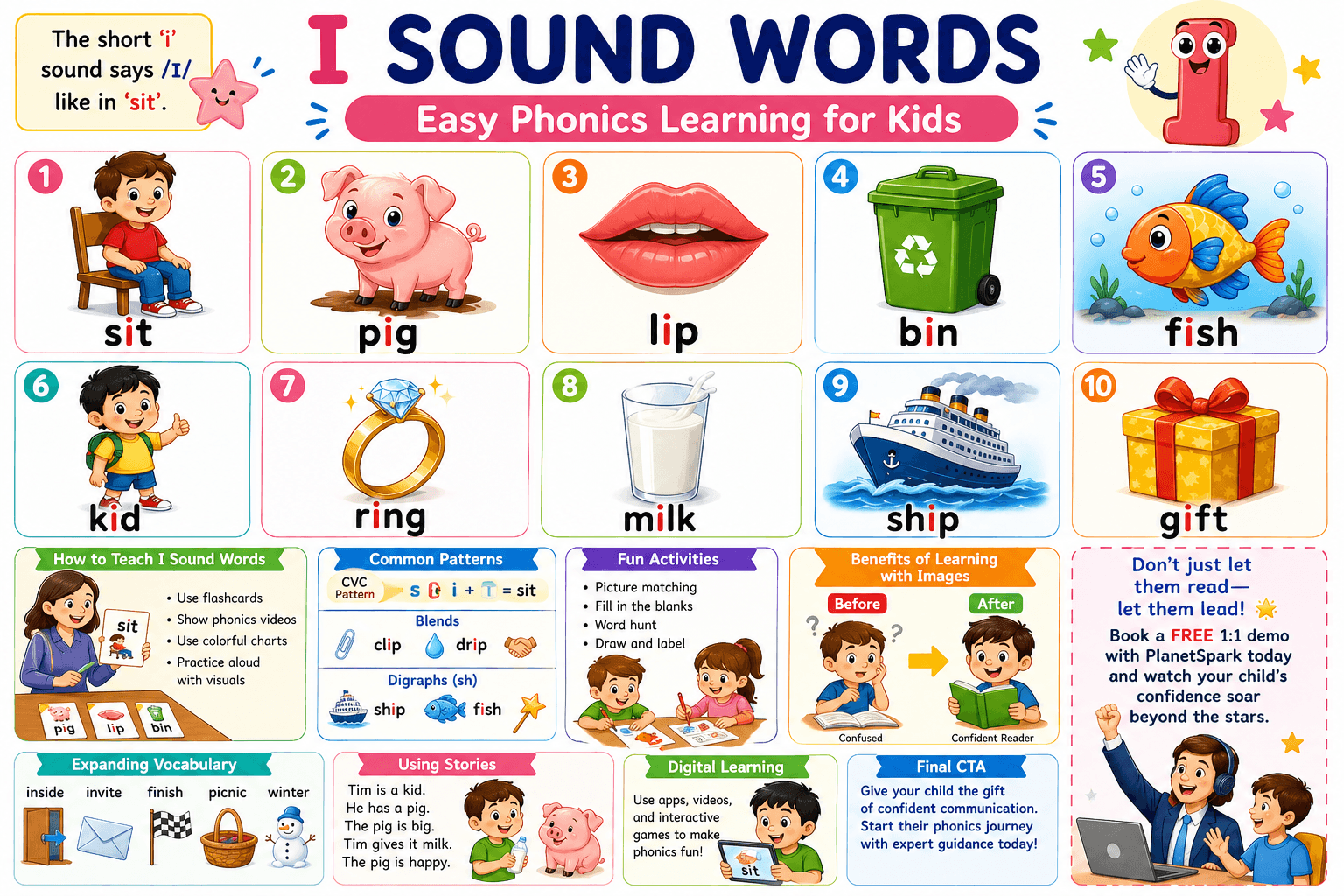
1.
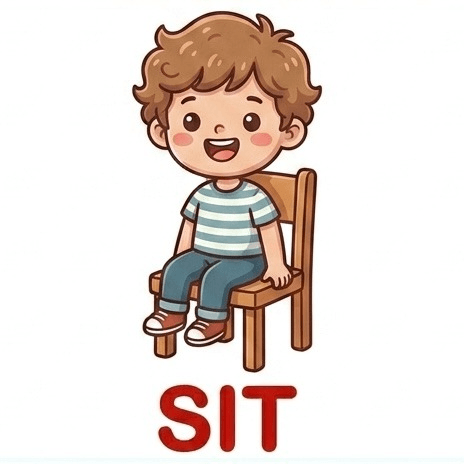
A child sitting on a chair.
👉 “Sit” means to rest your body on something.
2.
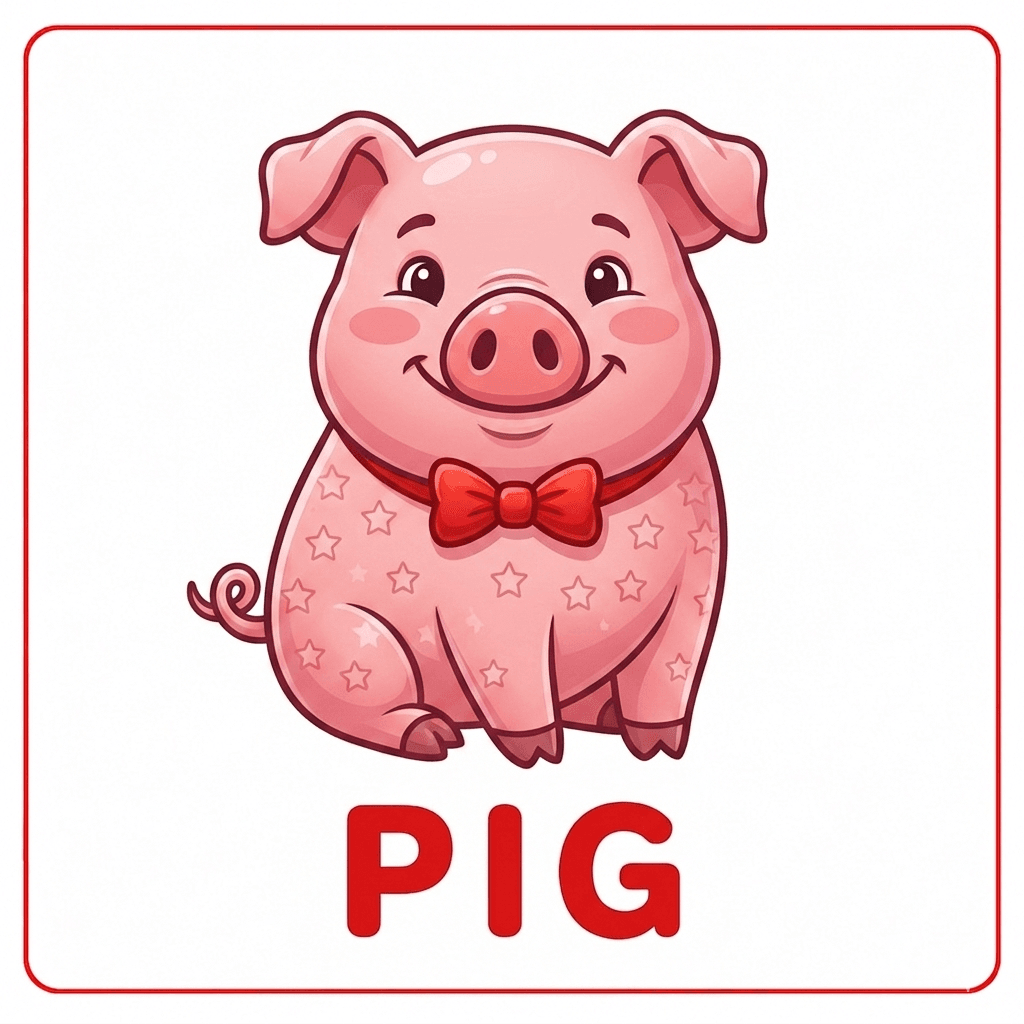
A pink farm animal.
👉 “Pig” is a common animal kids recognize easily.
3.
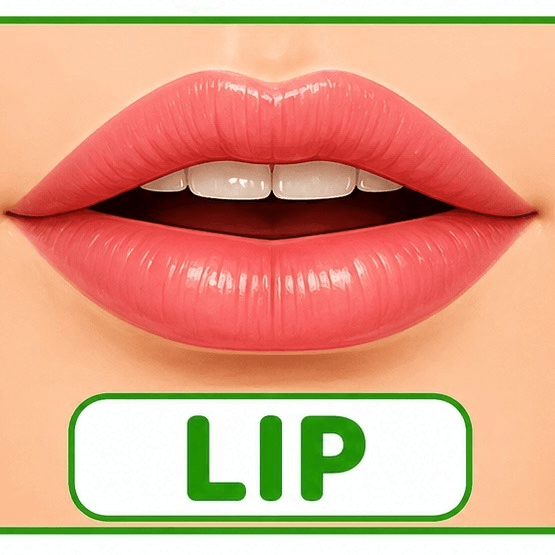
Part of your face used for speaking.
👉 Helps kids connect sound with body parts.
4.
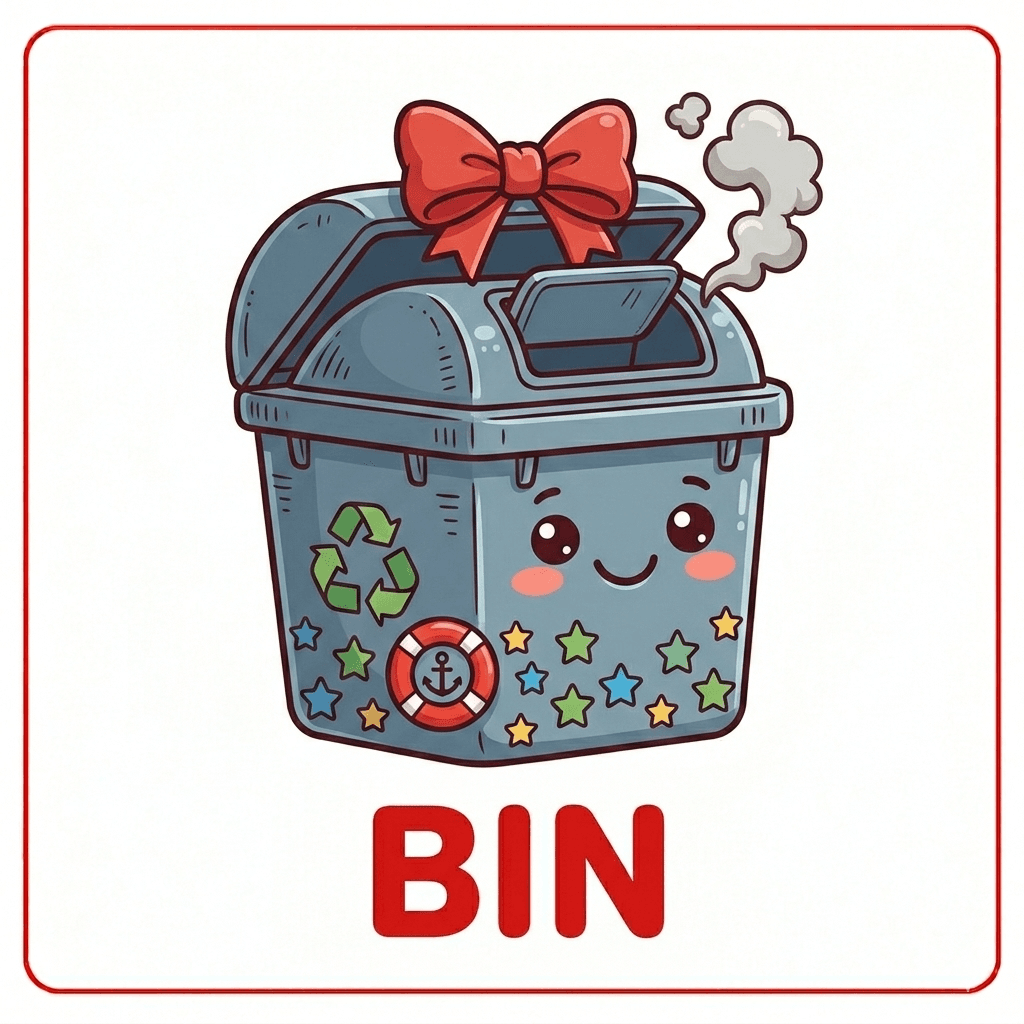
A container used to throw garbage.
👉 Everyday object learning.
5.
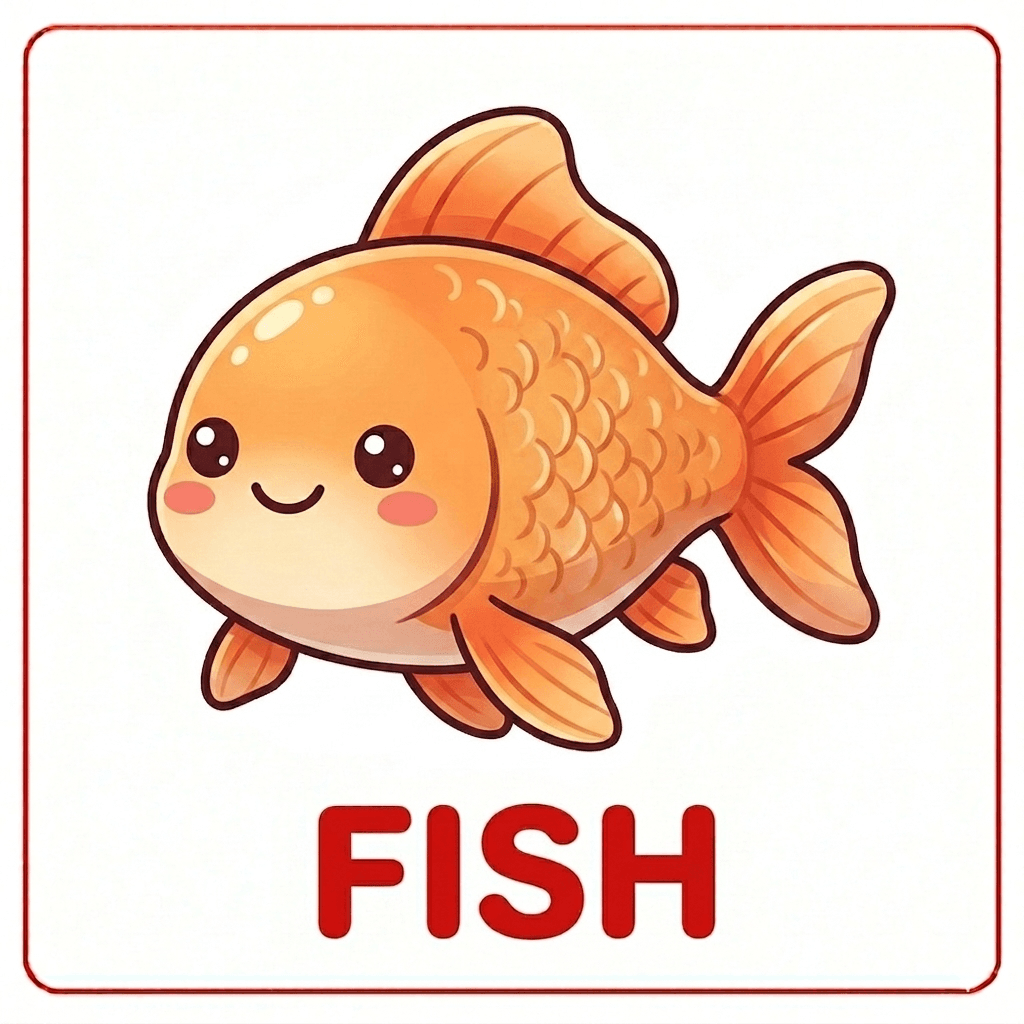
An animal that lives in water.
👉 Introduces longer short i words.
6.
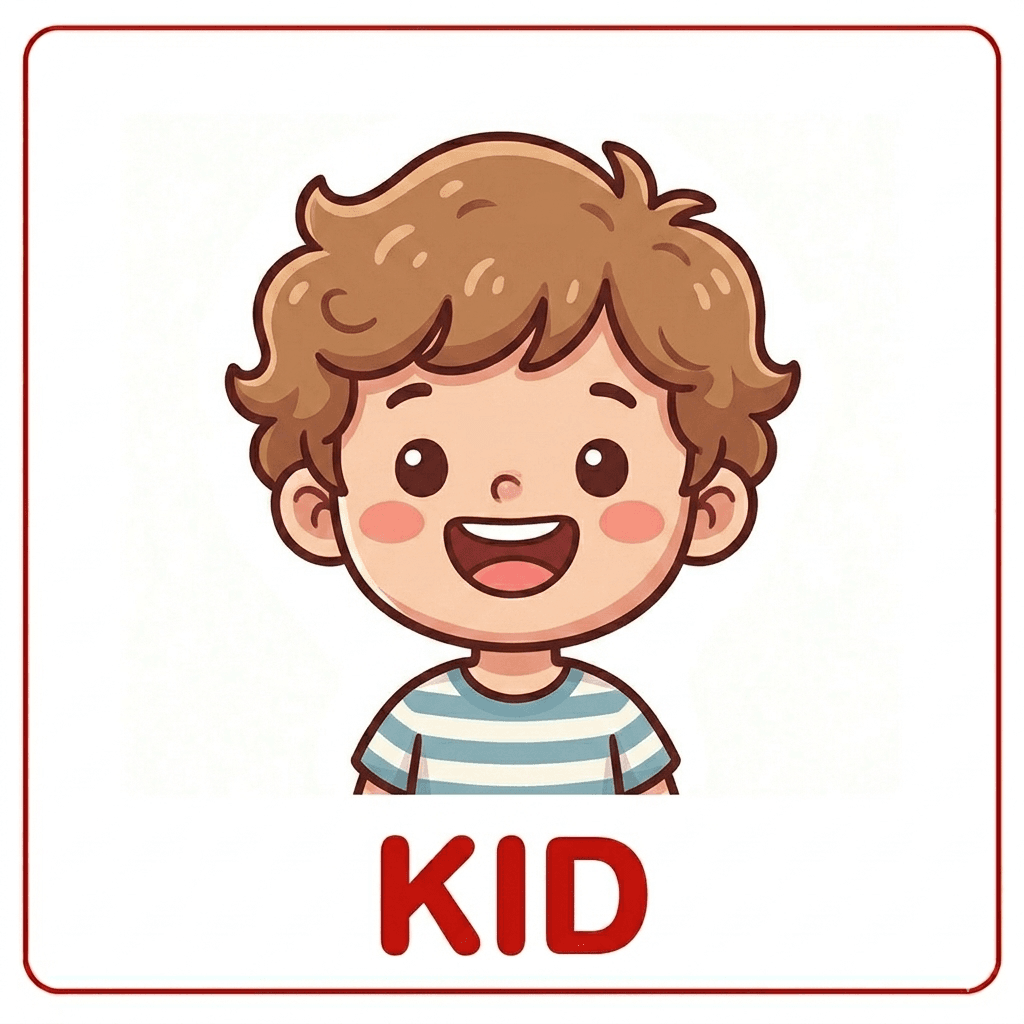
A young child.
👉 Helps kids relate personally.
7.

A circular object worn on fingers.
👉 Introduces slightly complex structure.
8.
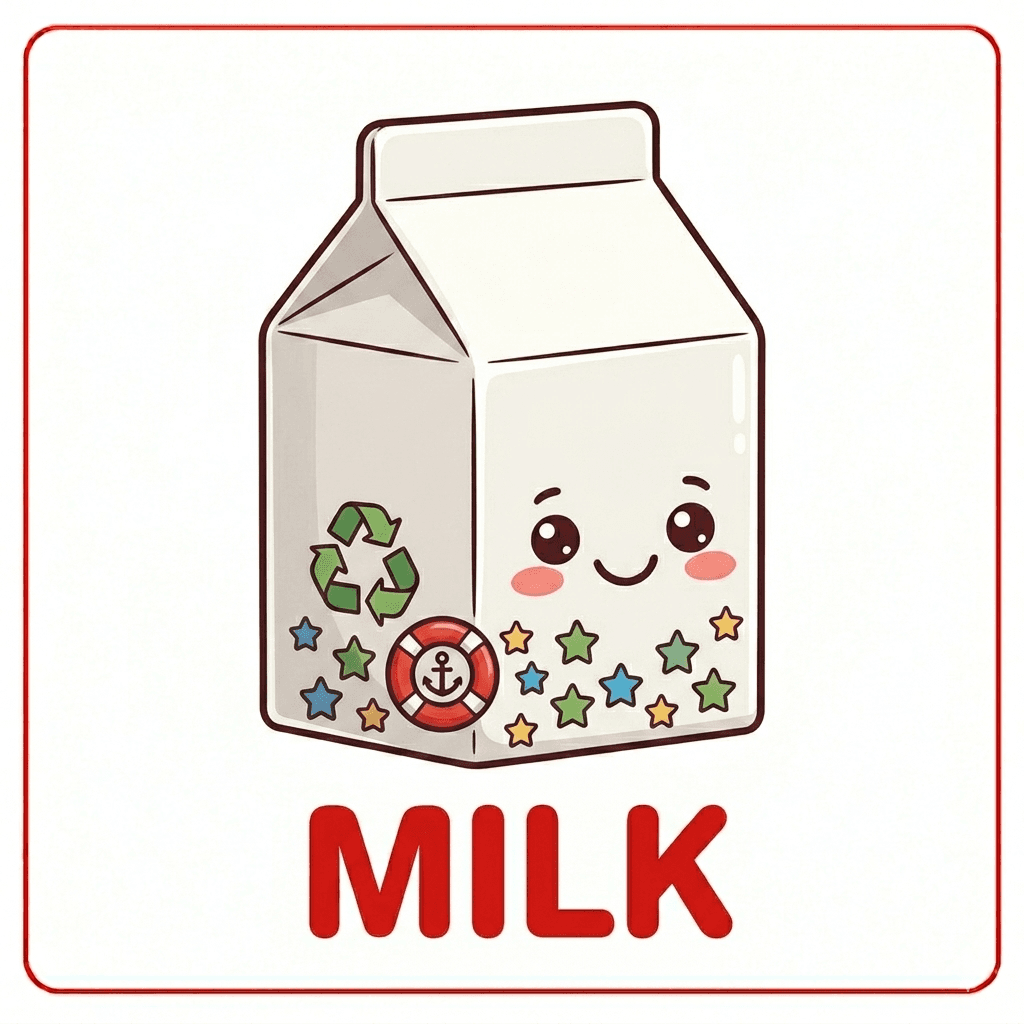
A drink kids consume daily.
👉 Easy to remember due to familiarity.
9.
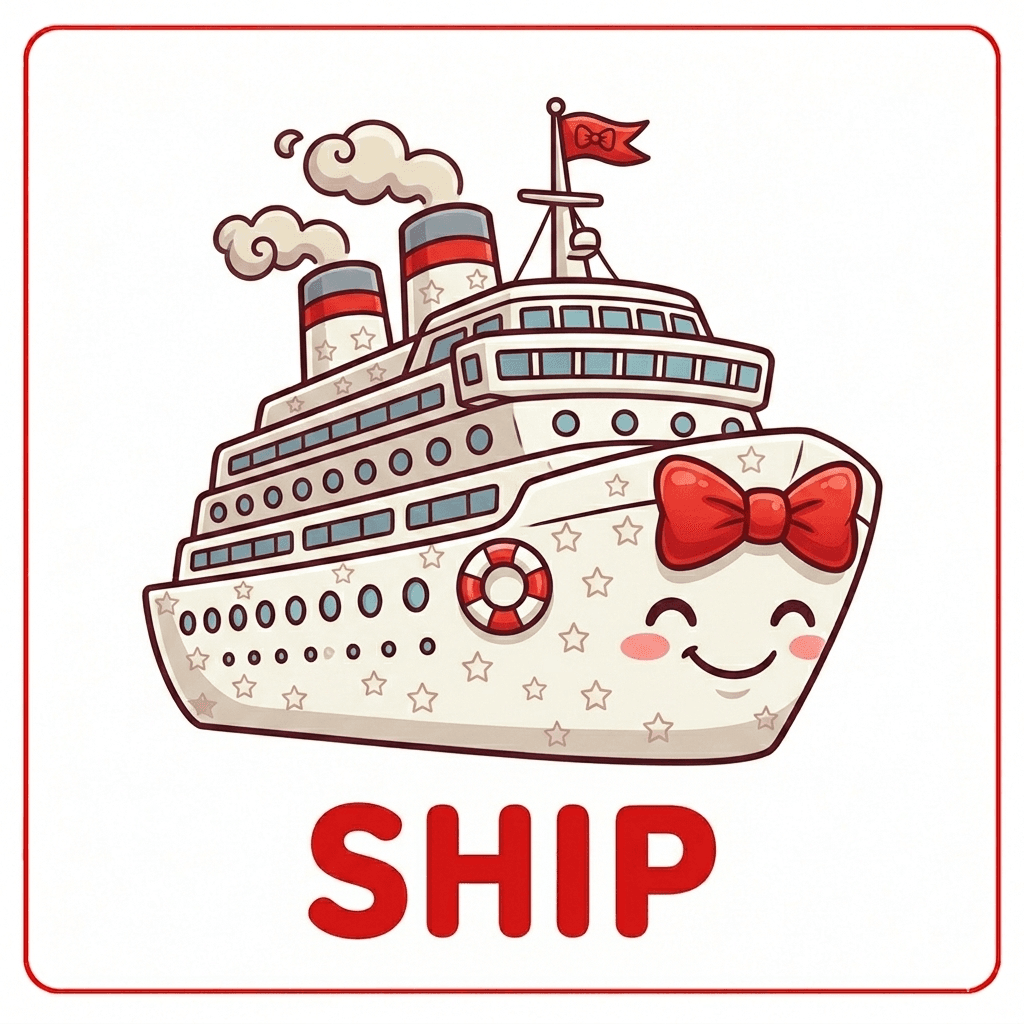
A large boat.
👉 Builds vocabulary with visuals.
10.

Something given to someone.
👉 Fun and relatable word.
Using such i sound words with pictures improves memory retention and keeps kids interested.
How to Teach Phonics I Sound Words Effectively
Teaching phonics doesn’t have to be boring. With the right methods, children can enjoy learning.
1. Use Visual Learning
Children are visual learners. Pair words with pictures to help them remember better.
- Flashcards with images
- Storybooks with illustrations
- Digital learning apps
2. Practice Repetition
Repetition builds confidence.
- Repeat words daily
- Use them in sentences
- Practice reading aloud
3. Introduce Sound Blending
Help children combine sounds:
- “s” + “i” + “t” = sit
- “b” + “i” + “g” = big
This improves decoding skills.
4. Play Phonics Games
Games make learning fun:
- Match the picture to the word
- Find objects with “i” sound
- Fill in missing letters
Common Patterns in Short I Sound Words
Understanding patterns helps children read new words easily.
CVC Pattern (Consonant-Vowel-Consonant)
Most short i sound words follow this pattern:
- sit
- pin
- lip
- big
- dig
Words with Blends
Some words have consonant blends:
- slip
- drip
- clip
- grip
Words with Digraphs
Words with two letters making one sound:
- ship
- fish
- wish
Learning these patterns builds strong reading skills.
Fun Activities to Learn I Sound Words
Children learn best through activities. Here are some engaging ideas:
1. Picture Matching Game
- Show a picture (e.g., pig)
- Ask the child to identify the word
2. Fill in the Blanks
- i → fill with “s” to make sit
- i → fill with “b” to make big
3. Word Hunt
Ask kids to find objects around the house:
- bin
- lid
- milk
4. Draw and Label
Let kids draw pictures and write:
- pig
- fish
- kid
This improves both creativity and learning.
Benefits of Learning Phonics Words with Images
Using phonics words with images has multiple advantages:
- Improves memory retention
- Makes learning interactive
- Builds vocabulary faster
- Enhances pronunciation skills
- Encourages independent reading
Children who learn visually tend to grasp concepts quicker and enjoy the process.
Common Mistakes to Avoid While Teaching Short I Words
Even simple concepts can go wrong if not taught properly.
Avoid These Mistakes:
- Teaching too many words at once can overwhelm children and reduce their ability to understand and retain new vocabulary effectively.
- Ignoring pronunciation practice leads to unclear speech and makes it difficult for children to develop accurate reading and speaking skills.
- Not using visuals slows down comprehension, as children learn better when words are connected with images and real-life examples.
- Skipping revision weakens memory retention and prevents children from reinforcing what they have already learned.
- Making learning monotonous reduces interest and engagement, making children less motivated to participate in phonics practice regularly.
Keep lessons short, engaging, and consistent.
How Parents Can Support Learning at Home
Parents play a key role in phonics learning.
Simple Tips:
- Read daily with your child to build a strong language foundation, improve vocabulary, and help them recognize sounds and words naturally through regular exposure.
- Use picture books as they make learning more engaging by connecting visuals with words, helping children understand meanings easily and remember concepts better.
- Encourage speaking practice by involving children in simple conversations, asking questions, and letting them express themselves freely to build fluency and confidence.
- Correct gently, not harshly so children feel safe to learn, stay motivated, and view mistakes as part of the learning process instead of feeling discouraged.
- Make learning playful by using games, rhymes, storytelling, and fun activities that keep children interested and excited about learning every day.
Even 15–20 minutes daily can make a big difference.
“Don’t just let them read—let them lead! 🌟
Book a FREE 1:1 demo with PlanetSpark today and watch your child’s confidence soar beyond the stars.”
Building Strong Communication Through Phonics
Phonics is not just about reading—it’s about communication.
When kids learn i sound words, they:
- Speak clearly
- Understand word structures
- Express ideas better
Planet Spark covers each area of communication skills whether it’s public speaking or creative writing. Strong phonics skills are the first step toward confident communication.
Expanding Vocabulary with Short I Sound Words
Once children learn basic words, expand gradually.
Intermediate Words:
- inside
- invite
- finish
- picnic
- winter
Sentence Examples:
- The pig is big.
- I will sit on the chair.
- The fish swims in water.
This helps children apply learning in real-life contexts.
Using Stories to Teach I Sound Words
Stories are powerful tools for learning.
Example Mini Story:
Tim is a kid. He has a pig. The pig is big. Tim gives it milk. The pig is happy.
This story uses multiple short i sound words, making learning natural and fun.
Digital Learning and Phonics
Modern tools can enhance phonics learning:
- Interactive apps help children learn phonics through tapping, listening, and repeating sounds, making learning engaging and hands-on
- Animated videos use colorful visuals and characters to explain short “i” sounds in a fun and memorable way
- Online worksheets provide structured practice with matching, tracing, and fill-in-the-blank activities
- Digital tools allow self-paced learning, so kids can revise concepts anytime and build confidence gradually
- Audio features in apps improve pronunciation by letting children hear and repeat correct sounds
- Gamified learning keeps children motivated with rewards, levels, and fun challenges
- Visual content helps kids connect words with images, improving memory retention
- Technology makes phonics learning more interactive compared to traditional methods
- However, guided learning ensures correct pronunciation, understanding, and personalized feedback
- A balanced approach of digital tools and teacher support leads to better learning outcomes
However, guided learning is still essential for proper pronunciation and understanding.
Why Structured Learning Matters
Random learning can confuse children. A structured approach ensures:
- Random learning can confuse children because it lacks direction and continuity, making it difficult for them to build strong foundational skills.
- A structured approach provides a clear learning path, where each concept is introduced step by step in a logical sequence.
- Step-by-step progress helps children move from basic to advanced levels without feeling overwhelmed or lost.
- It ensures better retention as concepts are revised, practiced, and reinforced regularly instead of being learned in isolation.
- Consistent practice builds confidence and fluency, allowing children to apply what they learn in real-life situations more effectively.
- A structured system also makes learning more engaging by setting small, achievable goals that motivate students to stay on track.
- Measurable improvement allows parents and teachers to track progress clearly and identify areas that need support.
- With expert guidance, children receive personalized feedback, correct mistakes early, and develop strong learning habits that lead to long-term academic success.
This is where expert guidance becomes valuable.
Turning Simple Sounds into Strong Skills
Learning i sound words with pictures is more than just a phonics lesson—it’s the foundation of reading, speaking, and communication. When children master simple vowel sounds, they gain confidence to explore more complex words and ideas.
“Every word is a world waiting to be explored. 🌍 Unlock your child’s communication potential today!”
With the right support, tools, and practice, your child can become a confident communicator.
Join the PlanetSpark family for a 1:1 session
PlanetSpark provides personalised and interactive 1:1 sessions with our expert teachers where we cover all channels of communication for all age groups. From phonics to public speaking, every skill is nurtured with care and expertise.

Also read: Fun with Phonics: Engaging Activities to Build Reading Skills
Frequently Asked Questions
Short i sound words are words that use the “ih” sound, like sit, pin, and big.
Children usually start learning phonics between ages 3–5.
Pictures help children connect words with meaning, improving memory and understanding.
PlanetSpark uses interactive methods, expert teachers, and structured lessons to make phonics easy and engaging for kids.
Yes, PlanetSpark focuses on overall communication, including public speaking, creative writing, and confidence building.
Its personalised 1:1 sessions, expert guidance, and focus on real-world communication set it apart.