
How to Reduce Social Awkwardness in Kids: Complete Parent Guide
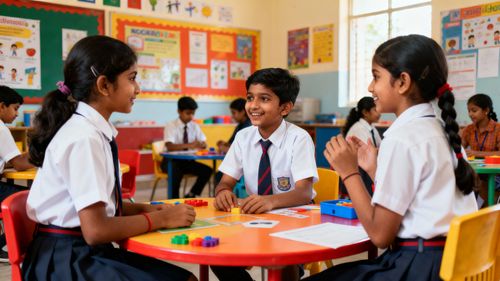

Social awkwardness in children is much more common than most parents realize. Kids often struggle with making conversations, reading social cues, interacting in groups, dealing with new environments, or expressing themselves confidently. This blog will help you understand how to reduce social awkwardness in kids, why it happens, what signs to look for, and proven strategies that help children feel more confident and socially comfortable. You will also learn how structured speaking programs can strengthen communication skills in young learners.
Understanding How to Reduce Social Awkwardness in Kids
Social awkwardness appears in different forms. Some kids become extremely shy in groups, some avoid eye contact, some freeze while speaking, and some overthink every action they take. To help children overcome this, it is essential to understand the root causes, which may include lack of exposure, low confidence, poor communication skills, social anxiety, or difficulty understanding social behavior cues. Parents searching for how to reduce social awkwardness in kids often want practical techniques and stepwise guidance. This section dives into exactly that.
Below, you will find strategies backed by child psychology, communication development patterns, and social-learning research. We will also refer to secondary keywords such as child communication development, building social confidence in children, social skills for kids, child behavior improvement, and communication activities for children throughout our content to strengthen your SEO.
Along the way, you will also see how the right environment, guidance, and structured learning greatly support a child’s social growth. If you want your child to develop meaningful social confidence, check out the PlanetSpark Public Speaking Course that equips kids with powerful communication and interaction skills.
What Causes Social Awkwardness in Kids and How It Affects Their Behavior
Before understanding how to reduce social awkwardness in kids, it is essential to explore why children experience it in the first place. Social awkwardness does not simply appear overnight; it develops gradually based on a mix of emotional patterns, communication ability, past experiences, and everyday environments. When parents understand the root causes, they can support their child far more effectively and respond with empathy instead of pressure.
Below is an expanded and detailed breakdown of each factor.
1. Limited Exposure to Social Interactions
Children learn social behavior through observation and experience. When a child spends most of their time alone, around adults only, or in very controlled environments, they do not get enough practice dealing with unpredictable social situations like group play, peer conflicts, or spontaneous conversations.
Lack of exposure means:
They may freeze when placed in group settings
They may feel overwhelmed by dynamic conversations
They struggle to understand unspoken rules of peer interaction
2. Low Confidence or Self-Esteem
Many socially awkward children doubt their abilities or fear saying the wrong thing. Low confidence leads to:
Hesitation to speak
Avoiding participation
Withdrawing into silence
Overthinking simple responses
Children with low self-esteem often prefer staying invisible rather than risking embarrassment.
3. Difficulty Understanding Social Cues
Social situations involve more than words. Kids must interpret:
Facial expressions
Eye contact
Gestures
Tone of voice
Personal space
Emotional signals
Children who find these cues confusing may appear socially offbeat, respond inappropriately, or struggle to match the tone of conversations. This creates gaps between them and peers, making them feel unsure and withdrawn.
4. Anxiety or Overthinking
Anxious children often rehearse conversations repeatedly in their minds, fear judgment, or imagine worst-case scenarios. This causes:
Physical tension
Trouble speaking smoothly
Avoidance of social situations
Excessive silence or repetitive responses
Anxiety pushes the child into a cycle where fear prevents interaction, and lack of interaction strengthens the fear.
5. Lack of Communication Skills
Children who cannot express themselves clearly may:
Use very short sentences
Struggle to articulate what they feel
Speak too softly or too fast
Deliver unclear messages
Avoid conversations entirely
Communication is the backbone of confidence. When communication is weak, social awkwardness naturally increases.
6. Previous Negative Social Experiences
A single moment of embarrassment—being laughed at, shamed, teased, or misunderstood—can create long-lasting social fear. These negative experiences make children:
Hyper-aware of mistakes
Terrified of speaking in front of others
Resistant to new social opportunities
Hesitant to trust peers
This often becomes a cycle: fear leads to avoidance, avoidance leads to awkwardness, and awkwardness invites more fear.
How These Causes Affect a Child’s Behavior Long-Term
If not addressed early, social awkwardness can lead to:
Difficulty making friends
Low classroom participation
Reduced confidence
Hesitation in expressing feelings
Poor teamwork skills
Fear of public speaking
Limited leadership potential
Once you understand the causes, you can start applying strategies that build emotional resilience, confidence, communication skills, and social comfort. This is where the next section becomes crucial.
Proven Strategies on How to Reduce Social Awkwardness in Kids
Parents want practical, real-world strategies they can start using immediately. The following techniques combine psychology-based insights, communication-building exercises, and daily habits that encourage confidence and natural interaction. These strategies are especially helpful for parents actively searching for how to reduce social awkwardness in kids and wanting actionable solutions.
Build Foundational Social Skills Early
Children are not born socially confident; they learn social competence over time. Early practice helps kids internalize social rules and behaviors naturally.
Here are some effective ways to begin:
Role-play everyday situations
Teach them how to introduce themselves, greet others, thank someone, or ask a question.Practice greetings and introductions daily
Make it a comfortable habit rather than a forced social rule.Encourage kids to order their own food
This builds independence and reduces fear of talking to strangers.Teach facial expressions and tone variations
Children learn better through imitation and fun activities.Organize group storytelling sessions
Kids learn to speak, listen, and take turns.Include them in family discussions
Even small contributions help them build conversational courage.
These early experiences shape the foundation of social comfort and confidence.
Teach Your Child Communication Basics
Social awkwardness reduces dramatically when kids understand how communication works. Teach them step by step:
How to start conversations
How to ask open-ended questions
How to give complete, thoughtful responses
How to maintain eye contact without discomfort
How to listen attentively
How to express their feelings clearly
How to take turns while speaking
How to speak at an appropriate volume
These skills may seem basic, but most socially awkward children lack confidence because these foundations are weak.
Parents can help by:
Having short daily conversations
Discussing school events, feelings, and hobbies
Asking reflective questions
Encouraging storytelling about their day
When children develop strong child communication development patterns, they become confident naturally.
Encourage Healthy Emotional Expression
Social awkwardness often stems from unexpressed emotions. Help children understand that emotions are normal and manageable.
Teach them:
It is okay to feel nervous
Mistakes do not define them
Everyone gets confused sometimes
Asking for help is a strength, not weakness
Practical activities:
Emotion-recognition games
Identifying facial expressions
Labeling emotions accurately
Using “I feel” statements
Children who can recognize and express emotions interact more comfortably and confidently.
Use Positive Reinforcement to Build Confidence
Children thrive when they are appreciated and acknowledged. Positive reinforcement reinforces behaviors you want them to repeat.
Examples:
I loved how confidently you spoke today.
You tried something new, and that is wonderful.
It is great that you introduced yourself first.
You showed real courage in that group activity.
Avoid criticism like:
Why are you so quiet
Speak properly
You always hesitate
Such statements damage confidence. Instead, highlight improvements and small wins.
Practice Social Scenarios at Home
Safe, structured practice at home helps kids prepare for real-life interactions.
Practice scenarios such as:
Meeting a new friend
Talking to teachers
Participating in discussions
Ordering food
Asking someone for help
Apologizing or resolving conflicts
When children rehearse these situations, their anxiety decreases and confidence increases.
Create Opportunities for Group Interaction
Social skills cannot grow in isolation. Children need real, repeated interaction with peers.
Encourage them to join:
Group classes
Sports teams
Dance or art clubs
Debate or drama clubs
Reading groups
Local play sessions
Group activities help them learn:
Turn-taking
Cooperation
Problem-solving
Perspective-taking
Team communication
Even introverted kids benefit from structured social exposure.
Reduce Screen Dependency
Excessive screen time limits face-to-face communication and delays social development. Reduce it by:
Encouraging outdoor play
Scheduling family interaction time
Promoting hands-on games and activities
Reducing solo-device time
This helps children experience real conversations, reactions, and communication challenges.
Identify and Address Social Anxiety
Recognizing anxiety early can completely change your child’s social journey.
Watch for signs such as:
Sweating
Avoidance
Fidgeting
Silence
Overthinking
Nail biting
Fear of new people
Supportive steps:
Validate their feelings
Break tasks into smaller steps
Celebrate small successes
Model confident behavior
Encourage low-pressure speaking opportunities
Introduce public speaking in a supportive environment
Signing up for communication-building courses can help children practice regularly and reduce anxiety.
Teach Assertiveness and Boundary Setting
Assertiveness prevents children from becoming passive or overly submissive in social situations. Teach them to say:
No politely
I do not like this
Please stop
I am uncomfortable
I would like to do it differently
Assertive communication builds confidence, respect, and emotional strength.
Improve Non-Verbal Communication Skills
Non-verbal communication is responsible for most social interpretation. Help your child practice:
Eye contact
Smiling naturally
Using clear hand gestures
Maintaining confident posture
Speaking with proper voice modulation
These skills instantly improve how children are perceived by others and reduce awkwardness.
Help Them Build a Hobby That Encourages Interaction
Hobbies give children identity, direction, and conversation topics.
Interaction-friendly hobbies include:
Sports
Music
Art
Drama
Reading clubs
Robotics
Dance
Hobbies help kids connect naturally with peers who share similar interests.
Use Storytelling to Improve Expressiveness
Storytelling strengthens clarity, creativity, and confident expression. Encourage your child to narrate:
Their day
Short stories
Funny incidents
Imaginary scenes
This builds expressive communication and reduces hesitation.

A Transformative Solution for Social Awkwardness
Now that we have explored practical ways on how to reduce social awkwardness in kids, let us look at a structured, results-driven program that builds the communication foundation children need. The PlanetSpark Public Speaking Course has helped thousands of children overcome social hesitation, shyness, and confidence gaps.
This section will cover the detailed features you provided.
1:1 Public Speaking Coaching by Communication Experts
Every child receives individual coaching that focuses on personalized growth. Trainers certified in communication and child psychology analyze learning style, personality, and comfort levels to design custom speaking experiences.
These sessions focus on:
Expressive communication
Grammar enhancement
Creative thinking
Confidence building
Overall fluency
This ensures the child makes steady progress and becomes comfortable in all social environments.
Step-by-Step Skill Building
The curriculum includes:
Body language
Voice modulation
Speech structuring
Storytelling
Persuasive skills
Extempore speaking
Debating
Children learn how to:
Use facial expressions effectively
Use confident gestures
Apply vocal intonation techniques
Organize content smoothly
In debating modules, students practice counterarguments, rebuttals, turncoat debates, mock parliaments, and respectful communication patterns using ethos, pathos, and logos.
TED-Style Training Modules
Students are guided to craft powerful speeches using:
Hook
Message
Story
Call-to-action
They learn the art of impactful communication.
Real-Time Global Interaction
PlanetSpark students interact with peers from over 13 countries. They participate in:
Debates
Story circles
Group discussions
Panels
Peer review activities
This exposure helps them develop confidence and social ease.
Video Feedback Loop
Each child’s recorded speech is analyzed by experts and AI tools to provide feedback on:
Pauses
Emphasis
Voice clarity
Posture
Content structure
Parents receive feedback reports after every activity.
Personal Trainers for Every Child
Each student gets a dedicated communication expert focusing on:
Fluency
Storytelling
Grammar
Public speaking
Creative writing
This allows deeper guidance and more personalized progress.
Your Child Is Capable of Social Brilliance: Here Is How to Help Them Reach It
The journey of understanding how to reduce social awkwardness in kids is not about transforming your child into someone they are not. It is about creating an environment where they feel safe to speak, confident to express themselves, and supported as they learn to navigate social situations. With patient guidance, regular interaction, and the right skill-building practices, every child can grow into a socially comfortable and self-assured communicator. What matters most is consistent encouragement and exposure to opportunities that strengthen both communication and emotional resilience.
The PlanetSpark Public Speaking Course provides a structured, child-friendly, and personalized platform that helps kids develop these essential abilities. Through expert coaching, interactive activities, and guided practice, children learn how to speak clearly, connect with others, and participate confidently in any social setting.
You may also read:
Frequently Asked Questions
Social awkwardness refers to difficulty in interacting, communicating, or responding comfortably in social situations.
Causes include low confidence, limited interaction exposure, anxiety, difficulty understanding social cues, or past negative experiences.
Yes. With the right communication training, practice, and emotional support, children can develop strong social confidence.
Public speaking builds confidence, vocal clarity, body language awareness, and social fluency, making it highly effective.
Yes. PlanetSpark specializes in helping shy and hesitant kids speak confidently through 1:1 coaching and structured speaking activities.