
Why British and American English Differ So Much


Table of Contents
- Why British and American English Differ So Much
- Why Did the Differences Start?
- Key Differences Between British & American English
- Word Lists & Exercises
- Why It’s Good to Learn Both
- Sample Essay for Practice
- British vs American English Quiz
- One Language, Two Voices: Why British and American English D
- About PlanetSpark: Mastering British & American English Made
English is spoken in many countries around the world. Two of the biggest varieties are British English (UK) and American English (USA). Even though they are both “English,” they are quite different in spelling, words, pronunciation, and grammar.
In this blog, we’ll explore why they differ so much, show examples in an easy way, and add fun activities so that children and parents can learn together the Planet Spark way!
Why British and American English Differ So Much
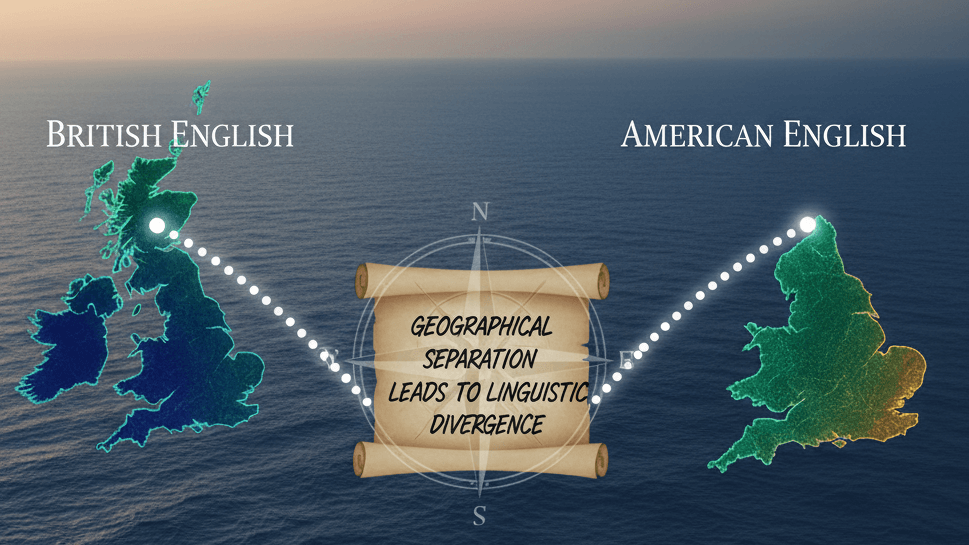
English began in England, but as people moved and settled in new places, the language evolved. When British settlers went to America, they carried their version of English with them. Over hundreds of years, the two versions grew apart a little like twins who grow up in different cities and start to look, talk, and behave differently!
Imagine two siblings: one raised in London, another in New York.
They both speak English yet one says lift while the other says elevator, one eats chips while the other eats fries!
So, let’s see how and why these differences appeared, and how learning both can make you a language superstar.
Discover the difference between British and American English and master both with ease.
Book a FREE demo class today and start speaking like a global communicator!
Why Did the Differences Start?
There are three big reasons why British and American English are not exactly the same:
| Reason | What Happened | Why It Matters |
|---|---|---|
| History & Isolation | When British settlers came to North America, their language changed over time. They had little contact with people back in England, so their version developed independently. | Spelling, pronunciation, and new words started forming separately. |
| Language Reform | An American named Noah Webster wanted to make English easier. He simplified spellings, believing shorter was better! | That’s why colour became color and centre became center. |
| Influence of Other Cultures | America adopted many words from Native American, Spanish, and French languages, while British English was influenced more by French and Latin. | This made vocabulary, idioms, and pronunciation quite unique. |

Checkpoint for Kids
Can you name one word you pronounce differently from a British cartoon?
Ask your parents: do they write colour or color? Why do you think that’s different?
Read More to understand how accents, words, and expressions evolved differently.
Key Differences Between British & American English
Let’s explore the four main areas of difference:
Vocabulary (Words)
Spelling
Grammar
Pronunciation
Vocabulary: Words That Are Different
Here are some common examples:
| British English 🇬🇧 | American English 🇺🇸 | Example Sentence |
|---|---|---|
| Flat | Apartment | UK: “I live in a flat.” / USA: “I live in an apartment.” |
| Lorry | Truck | UK: “The lorry is big.” / USA: “The truck is big.” |
| Rubbish bin | Trash can | UK: “Put it in the rubbish bin.” / USA: “Put it in the trash can.” |
| Biscuit | Cookie | UK: “Would you like a biscuit?” / USA: “Would you like a cookie?” |
| Holiday | Vacation | UK: “We’re on holiday.” / USA: “We’re on vacation.” |
| Lift | Elevator | UK: “Take the lift.” / USA: “Take the elevator.” |
| Torch | Flashlight | UK: “Use a torch in the dark.” / USA: “Use a flashlight in the dark.” |
| Jumper | Sweater | UK: “Put on your jumper.” / USA: “Put on your sweater.” |
Fun Act for Kids
Make a colorful two-column chart on paper one side British, the other American.
Add drawings for each word pair: a flat/apartment, lorry/truck, biscuit/cookie and hang it on your study wall!

Spelling Differences
Noah Webster’s spelling reforms made American English look “simpler” and easier to write. Here are some examples:
| Pattern | British Spelling | American Spelling | Example |
|---|---|---|---|
| -our → -or | colour | color | flavour → flavor |
| -re → -er | centre | center | theatre → theater |
| -ise → -ize | organise | organize | realise → realize |
| Double L | travelling | traveling | labelled → labeled |
| -ce → -se | defence | defense | licence → license |
Mini Challenge:
Try writing a short paragraph once in British spelling and once in American spelling. Which one feels easier?
From colour to color, make every word count!
Join PlanetSpark’s live classes and see your child speak English clearly and confidently.
Book a FREE demo now!
Grammar Examples
| Feature | British English | American English | Example |
|---|---|---|---|
| Present perfect usage | More common | Less common | UK: “I have just eaten.” / US: “I just ate.” |
| Collective nouns | Often plural | Often singular | UK: “The team are winning.” / US: “The team is winning.” |
| “Got” vs “Gotten” | Got | Gotten | UK: “He has got taller.” / US: “He has gotten taller.” |
| Past tense | More variation | Simpler | UK: “Learnt” / US: “Learned” |
Fun Activity:
Write five sentences in British English and then “translate” them into American English. Share with a friend or parent!
Pronunciation
Pronunciation changes are the most fun to learn!
Americans pronounce r more clearly: car, water, mother
British speakers drop it softly: cah, watah, mothah
The word schedule → UK: shed-yool / US: sked-jool
Tomato → UK: to-mah-to / US: to-may-to
Fun Idea:
Record yourself saying both versions! Watch a British cartoon like Peppa Pig and an American one like SpongeBob SquarePants. Notice the sounds?
Word Lists & Exercises
You can find some different British American word pairs in this worksheets.
Example:
| # | British | American |
|---|---|---|
| 1 | Aeroplane | Airplane |
| 2 | Aluminium | Aluminum |
| 3 | Cheque | Check |
| 4 | Draught | Draft |
| 5 | Petrol | Gasoline |
| … | … | … |
Exercise:
Match words from both sides and write them in your own sentences!
Why It’s Good to Learn Both
Learning both forms is like having two superpowers!
Travel & Communication
If you visit the UK, you’ll see “Lift to platform”. In the US, it says “Elevator to floor.” Knowing both helps you never feel confused!
Studies & Exams
Schools in India mostly follow British English, but online platforms, books, and movies often use American English.
Entertainment & Reading
Reading Harry Potter (British) or watching Avengers (American) becomes more fun when you understand both versions.
Writing Clearly
Choose one version for your homework or projects and stick with it — it makes your writing look neat and professional.
Help your child understand, adapt, and shine in any English conversation.
Learn the British and American way — Book your FREE PlanetSpark demo today!
Sample Essay for Practice
Title: British English vs American English: What Makes Them Different?
English is one of the most widely spoken languages in the world. But not all English is the same! Two major types British and American differ in spelling, pronunciation, vocabulary, and grammar.
For instance, the British spell “colour” with a ‘u,’ while Americans write “color.” People in Britain say “holiday,” while Americans say “vacation.” These changes happened because of history, distance, and culture.
Learning both helps us understand books, videos, and friends from around the world. So whether you say biscuit or cookie, remember you’re still speaking English beautifully!
British vs American English Quiz
| British Word | American Word |
|---|---|
| Favourite | ________ |
| Organise | ________ |
| Flat | ________ |
| Petrol | ________ |
| Cheque | ________ |
Challenge:
Swap questions with your parent — you give British words, they give American ones!
One Language, Two Voices: Why British and American English Differ
Language connects the world and understanding both British and American English makes you a global communicator. Whether you say elevator or lift, color or colour, what truly matters is your confidence in expressing yourself.
Keep learning, keep smiling, and keep shining
That’s the Planet Spark way!

About PlanetSpark: Mastering British & American English Made Simple
At PlanetSpark, we help children understand why British and American English differ in spelling, pronunciation, and everyday use. Through fun, personalized 1:1 live classes, kids learn to adapt, communicate, and speak confidently in both styles of English.
1. 1:1 Expert Guidance
Certified trainers make learning easy by explaining real differences from lift vs elevator to colour vs color helping kids build clarity, accuracy, and confidence in every conversation.
2. Custom Learning Journey
A tailored curriculum sharpens grammar, vocabulary, and pronunciation while showing when to use British or American forms making English learning practical and global.
3. Smart AI Pronunciation Feedback
Our AI tool, SparkX, gives instant feedback on tone and accent, helping learners perfect both British and American pronunciations with measurable progress.
4. Fun & Interactive Practice
Engaging games and speaking challenges like Accent Quest and Spell Smart make learning enjoyable turning word differences into exciting daily practice.
5. Confidence Across Borders
Through storytelling, dialogues, and real-world speaking drills, children learn to express themselves fluently and confidently anywhere in the world.
Frequently Asked Questions
Because American reformers like Noah Webster wanted to simplify spellings. Also, over time language use drifted apart in the USA.
No , neither is better. They are just different styles. It depends on where you use them or what your school requires.
It’s best not to mix. Choose one style (British or American) and stick to it in one essay or report, so that your writing looks consistent.
In many Indian schools and textbooks, British English is preferred (because of historical reasons). But you’ll often see American English too (for example, on the Internet, movies, and apps).
Read books, watch cartoons & videos from that country, and practise writing with that style. Use dictionaries (British-spelling or American-spelling) and maintain your style consistently.