
How Storytelling Helps Children Understand Empathy
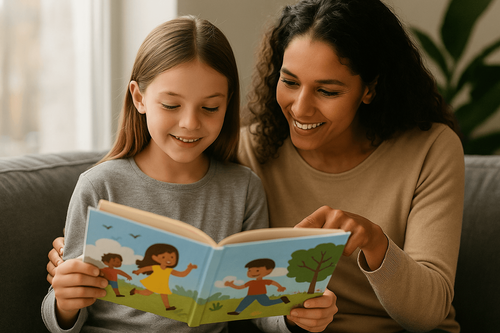

Stories have always been humanity’s most powerful way to connect. For children, storytelling is more than entertainment; it is a mirror that reflects emotions, values, and perspectives. In a world where emotional intelligence and kindness are as important as academic success, storytelling for children empathy becomes a skill that builds compassion and understanding.
Through stories, children step into another person’s world. They feel joy, sadness, courage, and fear through the eyes of characters they grow to love. When parents and educators encourage children to tell, listen to, and reflect on stories, they nurture not just creativity but emotional depth.
1. Why Empathy Is a Core Life Skill
Empathy allows children to form meaningful relationships, resolve conflicts peacefully, and understand diverse perspectives. It’s what helps them comfort a sad friend or appreciate differences in others. Children who develop empathy early tend to be better communicators, more confident leaders, and emotionally resilient.
Here’s how empathy impacts growth:
- It helps children interpret emotions accurately, understanding why someone feels hurt or happy.
- It improves collaboration and teamwork by fostering mutual respect.
- It builds resilience by helping kids see beyond themselves.
- It encourages patience, kindness, and gratitude in social situations.
The challenge for parents is not to “teach” empathy as a concept but to create environments where children naturally experience it, and storytelling for children empathy is one of the most effective tools to achieve this.
Don’t wait to unlock your child’s writing and speaking confidence!
Enroll now in PlanetSpark’s Class 3 Grammar and Communication Program.
2. How Storytelling Builds Emotional Awareness
When children listen to stories, they are exposed to a spectrum of emotions and moral choices. Characters face dilemmas, express vulnerability, or overcome challenges, giving kids safe opportunities to explore complex feelings.
Storytelling builds awareness in three ways:
- Identification: Children relate to characters that mirror their own experiences. When a character feels nervous before a presentation or apologizes after making a mistake, kids see their emotions validated.
- Observation: Stories allow children to witness emotions from a distance. They can recognise sadness or joy without directly experiencing it, helping them understand cause and effect in human behaviour.
- Reflection: After a story, when parents ask, “How do you think the character felt?” children begin to verbalise empathy. This reflection transforms passive listening into emotional learning.
This process lays the foundation for writing for empathy in kids, helping them express emotional understanding through their own words, not just absorb it through others’ stories.
3. Encouraging Storytelling at Home
Parents play a vital role in building empathy through daily storytelling habits. The goal is not to make storytelling an academic task but an organic part of family time.
Try these easy activities at home:
- Bedtime storytelling: Let your child choose a story each night and discuss what emotions the characters experienced.
- Story swaps: Take turns creating short stories about real-life events, like how someone helped another at school.
- Emotion dice: Roll a dice labelled with emotions (happy, sad, scared, excited). Ask your child to tell a short story around that emotion.
- Photo prompts: Show a family photo and ask your child to imagine what each person might have been feeling in that moment.
These small exercises encourage creativity while deepening emotional understanding. They make children’s storytelling skills for emotional growth come alive in everyday situations, turning casual conversations into character-building experiences.
4. Writing as a Path to Empathy
Once children become familiar with stories, they’re ready to create their own. Writing allows them to structure emotions into words, a process that strengthens both imagination and compassion.
Here’s how writing supports emotional development:
- Perspective-taking: When a child writes about someone else’s experience, they practise seeing through another person’s eyes.
- Emotional expression: Writing gives kids a safe outlet to explore feelings like anger or fear, transforming them into stories with meaning.
- Moral reasoning: Creating characters who make choices helps children think critically about right and wrong.
- Connection: Sharing their stories helps children bond with parents, teachers, and peers who understand their inner world.
A simple starting exercise could be: “Write about a time you helped someone or when someone helped you.” This encourages self-reflection and emotional vocabulary while subtly strengthening life skills activities for kids empathy, and transforming writing into emotional education.
5. Using Stories to Explore Difficult Emotions
Not every story needs to be happy. In fact, tales about loss, failure, or courage can teach some of the deepest lessons in empathy. When children encounter characters facing challenges, they learn that emotions like fear, sadness, and doubt are normal parts of being human.
Parents can gently guide this process:
- After a story, ask, “Why do you think the character felt scared?”
- Encourage your child to suggest how they would have handled the situation differently.
- Reinforce that it’s okay to feel complex emotions, every feeling is valid.
- Praise curiosity over judgment (“That’s an interesting thought. Why do you think they acted that way?”).
Such conversations make children emotionally literate, able to name, understand, and regulate their feelings. This awareness strengthens children’s personal growth skills through storytelling, where empathy becomes a life habit rather than an abstract value.
6. Collaborative Storytelling: Learning Through Shared Imagination
Empathy grows best in connection. When children collaborate on stories, with parents, teachers, or peers, they learn to listen, compromise, and adapt. Each person contributes unique ideas and perspectives, building understanding and teamwork.
Try these interactive storytelling formats:
- Round-robin stories: Start a sentence and let each person add a line.
- Group illustrations: One child draws while another writes a story about the picture.
- Story challenges: Pick three random words and create a story together.
- Empathy swaps: Ask your child to rewrite a story from another character’s point of view.
These shared experiences help children appreciate that everyone sees the world differently. Collaborative storytelling is not only creative fun, it’s also one of the most natural ways to nurture compassion, communication, and social awareness.
Don’t wait to unlock your child’s creativity and expression!
Enroll now in PlanetSpark’s Creative Writing and Personality Development Program.
7. The Role of Reading in Developing Empathy
Reading and storytelling are two sides of the same coin. When children read, they step into lives far different from their own. Stories about friendship, courage, or kindness help them see the diversity of human emotions.
Here’s how reading supports empathy:
- It introduces them to new cultures and perspectives.
- It helps them understand moral consequences in a safe, fictional space.
- It exposes them to emotional vocabulary they can later use in real life.
- It teaches patience and focus, essential traits in listening and empathy.
Encourage your child to read both fiction and non-fiction stories with emotional depth. Discuss characters and their choices afterward. Even picture books can introduce themes of kindness and understanding that shape children’s storytelling skills for emotional growth over time.
8. Integrating Empathy into Classrooms and Play
Teachers and learning platforms like PlanetSpark use storytelling to help students express and understand emotions. Structured programs include creative writing, role play, and speech-building activities where children reflect on feelings and choices.
For parents looking to reinforce this at home:
- Encourage children to share stories they wrote in class and discuss how characters felt.
- Ask teachers what themes are being covered and build related stories at home.
- Use play-based activities, like puppet theatre or story cards, to explore empathy through fun.
- Celebrate effort and imagination, not grammar perfection.
Empathy thrives where communication and creativity meet. By weaving emotional learning into play, schools and parents help build life skills activities for kids empathy that last beyond childhood.
9. Storytelling and Resilience
Every great story includes challenges, and overcoming them teaches resilience. When children see heroes stumble and rise again, they internalise the value of persistence. They learn that strength often begins with vulnerability.
Parents can emphasise these lessons by:
- Highlighting how the character kept trying despite obstacles.
- Encouraging children to recall their own small victories after setbacks.
- Helping them see failure as a chapter, not an ending.
Through such reflections, stories become mirrors of courage and self-belief. Empathy and resilience together create emotionally intelligent children who face life with optimism, a core aspect of children’s storytelling skills for emotional growth.
10. How Parents Can Model Empathy Through Stories
Children learn best by imitation. When parents tell stories from their own lives, moments of kindness, regret, or gratitude, they model empathy in its truest form. Real-life stories teach humility, honesty, and emotional courage.
Here’s how you can weave empathy storytelling into daily life:
- Share one story each week about a time you helped someone or learned from a mistake.
- Ask your child to tell their version of what they learned that week.
- Avoid moral lectures, let the story reveal the value naturally.
- Reinforce emotions like gratitude, patience, and forgiveness.
Children who grow up surrounded by authentic storytelling learn to see empathy not as a lesson, but as a way of life. This builds trust and openness, the heart of emotional intelligence.
11. Why Storytelling Is the Perfect Tool for Modern Parenting
Modern children live in fast-paced, screen-heavy environments that often leave little room for reflection. Storytelling slows the world down just enough for connection. Whether through writing, reading, or discussion, stories help children process experiences they may not yet have words for.
This is why storytelling is one of the most powerful parenting tips for life skills development; it strengthens attention, compassion, and language together. Each story becomes a moment of shared imagination and understanding, bringing families closer and shaping lifelong values.
As children learn to empathise through characters and scenarios, they also become better communicators, the kind who listen deeply and respond thoughtfully.
Conclusion
When nurtured intentionally, storytelling for children empathy becomes more than a creative exercise; it’s a bridge to compassion, confidence, and resilience. It teaches children to value every voice, including their own.
PlanetSpark believes that when children write, speak, and listen with empathy, they don’t just communicate better, they connect better. Through its interactive lessons, real-time feedback, and play-based approach, PlanetSpark transforms creativity into emotional intelligence, shaping tomorrow’s thoughtful leaders and kind communicators.
Don’t wait to unlock your child’s creative confidence and emotional intelligence!
Book a free PlanetSpark demo today and watch learning turn into empathy-driven growth.
Frequently Asked Questions
It helps kids experience different perspectives and emotions, developing compassion and emotional understanding.
Writing allows children to reflect on their experiences, express feelings safely, and build emotional vocabulary.
Discuss stories together, ask reflective questions, and let children explore how characters feel or change.
Creativity, self-awareness, resilience, and emotional regulation are key takeaways from storytelling and writing.
By combining writing, public speaking, and creative play, PlanetSpark helps children turn imagination into emotional growth and confident communication.