
Help Kids Understand the Value of Helping for Character Development
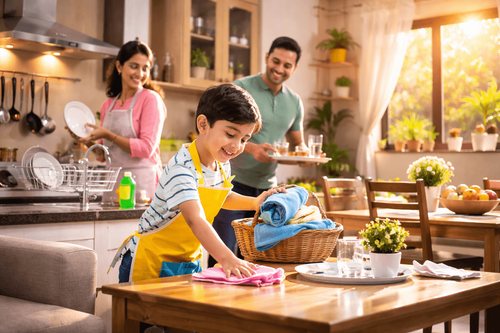

What if one small act of kindness today could shape your child’s entire personality for life? As parents, you may have noticed moments when your child hesitates to share, ignores someone in need, or struggles to understand others’ feelings. This is where helping others becomes an essential life skill. Helping others is not just about being kind. It is about shaping a child’s mindset, emotional strength, and social interactive behaviour in kids.
In this blog, you will learn why helping others is important, how it builds strong character, and discover 10 ways for kids to help others that they can practise daily. You will also find simple strategies to help your child develop these habits naturally.
Why Helping Others Is Important for Kids
Helping others is more than just a good habit. It is a foundation for building strong values and emotional intelligence in children. When kids learn to support others, they begin to understand the world beyond their own needs.
In real life, children often face situations where they can choose to help or ignore. Teaching them to take the first step builds awareness and responsibility from an early age.
Children who practise helping behaviours often grow into confident and socially aware individuals. They develop the ability to connect with others, which improves both friendships and communication skills.
Some key benefits include:
- Improved emotional well-being
Helping others creates a sense of happiness and satisfaction. Kids feel proud when they make a difference.
- Stronger relationships
Acts of kindness help children build trust and healthy friendships.
- Sense of responsibility
When children take small initiatives, they become more accountable and independent.
- Better communication skills
Interacting with others in helpful ways improves listening and speaking abilities.
- Development of empathy
Kids begin to understand how others feel and learn to respond with care.
For example, imagine a child helping a new student settle into class. This simple act not only makes the other child feel comfortable but also builds the helper's confidence and leadership.
Is your child struggling with empathy and social confidence? Book a free trial now and help them build kindness and communication skills before slots fill up.
10 Ways to Help Others in Daily Life
Teaching children practical actions is the best way to turn values into habits. Here are 10 ways to help others that kids can easily practise in everyday life.
1. Simple Acts of Kindness
- Share toys, books, or food with friends
- Offer compliments to make someone feel good
- Help a sibling with studies or chores
2. Helping at Home
- Assist parents with small household tasks
- Take responsibility for personal belongings
- Help younger siblings with routines
3. Supporting at School
- Help classmates who are struggling
- Participate in group activities positively
- Respect teachers and school staff
4. Community-Based Actions
- Help elderly neighbours with simple tasks
- Participate in cleanliness drives
- Donate unused clothes or toys
5. Emotional Support
- Listen to a friend without interrupting
- Comfort someone upset
- Encourage others when they feel low
When children consistently practise these actions, they begin to understand that helping others does not require big efforts.
“Small, thoughtful actions done daily create a strong and lasting impact.”
How Helping Others Builds Strong Character
Helping others directly contributes to character development by shaping how children think, feel, and behave in different situations. It helps them grow into responsible and compassionate individuals.
One of the most important traits developed is empathy. When children help others, they learn to understand different perspectives. This makes them more patient and kind in their interactions.
Another key trait is responsibility. Taking initiative to help others teaches children that their actions matter. They begin to take ownership of their behaviour at home, school, and in social settings.
Helping also builds confidence. When kids see that their actions can make a positive difference, they feel more capable and self-assured. This confidence reflects in communication, decision-making, and leadership.
It also encourages gratitude. Children begin to appreciate what they have when they see others in need. This reduces complaints and increases positivity.
For instance, when a child volunteers in a small community activity, they not only help others but also learn teamwork, patience, and problem-solving skills. These real-life experiences shape their personality in a meaningful way.
“Character is not built overnight. It develops through repeated actions, and helping others plays a key role in this process.”
Want your child to become more confident and socially active? Reserve your demo class today and start their personality development journey before seats close.
Want your child to grow into a confident and kind individual? Book a trial today and secure your spot before enrollment closes.
How Parents Can Teach Helping Habits to Kids
Parents play a crucial role in shaping a child’s behaviour. Teaching helping habits requires consistent guidance and real-life examples.
1. Lead by Example
Children learn by observing adults. When parents show kindness and help others, kids naturally follow suit.
2. Encourage Small Daily Actions
Start with simple tasks like helping at home or sharing with friends. Gradual practice builds long-term habits.
3. Use Stories and Discussions
Discuss stories, movies, or real-life situations that highlight kindness. Ask questions like:
- What would you do in this situation?
- How did the character help others?
4. Appreciate Positive Behavior
Acknowledge and praise children when they help others. This reinforces the behaviour and motivates them to continue.
5. Create Opportunities
Encourage participation in community activities, volunteering, or school initiatives. Real-life exposure strengthens understanding.
6. Reflect on Actions
At the end of the day, ask children about acts of kindness they performed. Reflection builds awareness and consistency.
Additionally, setting small weekly goals, such as helping one new person, can make the habit more structured and engaging for children.
PlanetSpark Personality Development Classes
PlanetSpark personality development classes are designed for children who need confidence, communication skills, and strong values like empathy and leadership. In today’s competitive world, many children struggle with self-expression, social confidence, and decision-making, which can limit their overall personality growth. Structured learning helps them develop these essential life skills step by step.
- Live, interactive 1:1 classes.
- Expert teachers trained in communication and child psychology
- Real-world communication practice through activities and simulations
- Personalised feedback and continuous performance tracking
- Confidence-building framework with measurable growth
- Structured curriculum aligned to personality and skill development
- Focus on leadership, emotional intelligence, and social etiquette

Small Acts, Big Impact: Build a Kinder Future With PlanetSpark
Helping others is one of the most powerful life lessons a child can learn. It shapes their mindset, strengthens their relationships, and builds a strong foundation for lifelong success.
Encourage your child to start small, stay consistent, and take pride in making a difference. Over time, these small actions will transform into strong character, meaningful connections, and a confident personality ready for the future.
“When children practise kindness consistently, they not only improve others’ lives but also grow into confident, empathetic individuals who can lead and inspire.”
Frequently Asked Questions
At PlanetSpark, we recommend simple daily actions like sharing, listening, helping at home, supporting classmates, volunteering, showing kindness, mentoring juniors, donating, encouraging others, and being respectful.
Helping others builds empathy, confidence, and strong relationships. It also creates a sense of purpose and improves children's emotional well-being.
Helping others means offering support, care, or assistance to someone in need through actions, words, or kindness.
PlanetSpark helps kids by being attentive, offering support, sharing resources, solving small problems, and showing kindness in everyday situations.
At PlanetSpark, we focus on communication, confidence, critical thinking, and emotional intelligence through structured activities and guided practice.
Helping others teaches kids empathy, responsibility, and teamwork, which are essential for strong personality development.