

Body Language in Public Speaking: Techniques to Look Confident on Stage
Build Presence, Reduce Stage Fear, and Deliver Clearer Messages Through Better Body Control
Most people decide how confident a speaker is within the first 7 seconds and it often has nothing to do with words- it’s all body language
Here’s how posture, eye contact, gestures and facial expression shape first impressions - and how you can use them to look and feel confident on stage.
What Is Body Language in Speaking?
Body language in speaking refers to the way your body communicates through posture, gestures, facial expressions, eye contact, and movement. Research shows that nonverbal cues can influence up to 55 percent of how your message is received, making it one of the strongest components of effective communication.
A confident stance, open gestures, and expressive facial cues make any speaker - child or adult - appear more credible. Whether someone is presenting in class or leading a meeting, body language helps shape how trustworthy, calm, and engaging they look.
A study from Princeton University found that people form first impressions in less than one tenth of a second, mostly based on nonverbal cues.
Explore body language tips for every age in our guides Body Language for Kids and Mastering Body Language in Communication for Professionals.
Why Nonverbal Communication Shapes Perceived Confidence
Nonverbal communication plays a key role in shaping how confident you appear to others.
Why it influences perception
A relaxed posture suggests comfort and readiness
Steady eye contact shows assurance
Controlled gestures display clarity and intention
Calm facial expressions reduce perceived nervousness
If these signals are missing, people often interpret hesitation, even when your words are strong. This is why kids who look more expressive in class perform better during oral presentations, and adults who manage their nonverbal cues appear more professional at work.
Try the “two-second posture reset” — stand tall, relax shoulders, soften face. It instantly shifts your presence.
Learn more about non-verbal cues in this detailed guide on Non-Verbal Communication Skills.
Key Components of Effective Body Language
Effective body language in communication depends on how multiple elements work together:
1. Posture
A straight, open posture with balanced weight signals confidence.
2. Gestures
Meaningful hand movements make complex points easier to understand.
3. Eye Contact
It builds connection and keeps listeners engaged.
4. Facial Expressions
Expressions create emotional clarity and make the message relatable.
5. Movement
Slow, intentional movement demonstrates control and purpose.
In educational settings, students who use expressive facial cues and gestures score higher in speaking assessments
The Role of Eye Contact in Strong Communication
Eye contact is one of the most powerful tools in body language.
It shows honesty, engagement, and confidence.
Why eye contact works
Helps establish trust
Keeps the audience focused
Reduces stage fear when used rhythmically
Allows the speaker to read audience reactions
Use the triangle technique - shift your gaze between three points in the room every few seconds. This keeps eye contact natural and prevents staring.
Read our full guide on The Role of Eye Contact in Effective Communication for deeper insights.
The Role of Posture and Movement on Stage
Posture shapes the foundation of strong body language in public speaking.
Good posture looks like
Feet grounded
Spine straight
Shoulders relaxed
Head aligned
Hands at a natural resting position
Movement adds energy, but only when it is controlled.
Aim for purposeful movement - stepping forward when making a key point or shifting sides when transitioning ideas.
Speakers with open posture are rated 30 percent more persuasive, according to a study published in the Journal of Nonverbal Behavior.
Explore posture techniques in our blog on Body Posture in Communication with Types and Examples.

How Facial Expressions Influence Your Message
Facial expressions act as emotional amplifiers. They help people understand not just what you say, but how you feel about it.
Good facial expressions include
A genuine smile when greeting
Raised eyebrows when emphasizing ideas
Relaxed eyes while listening
Soft expressions when explaining something complex
Kids build expression control through role play activities. Adults can practice by reading aloud and adjusting expressions intentionally.
Children who use expressive facial cues are more likely to hold attention during storytelling sessions.
Discover more in our blog on The Power of Tone and Expressions in Communication.
Importance of Natural and Meaningful Hand Gestures
Hand gestures bring clarity, rhythm, and emphasis to communication.
Use gestures to
Show contrast
Highlight key ideas
Describe size, direction, or sequence
Make explanations more visual
Avoid:
Fast, repetitive, or overly wide gestures. They distract from the message.
Gesture Tip for Adults:
Practice saying a paragraph with your hands behind your back. Then use natural gestures the second time. The difference becomes obvious.
Gesture Tip for Kids:
Tell a short story using only three gestures (big, small, round). It builds control.
Learn more about effective gestures in our blog What Is Gesture in Communication and Ways to Improve It.
How to Build Confident Stage Presence Through Body Language
Strong stage presence comes from combining posture, movement, expressions, and eye contact into one balanced style.
3-step method to build presence
1. Grounding:
Take a breath, plant your feet, and relax your body before speaking.
2. Energy Balance:
Match the energy of your voice with your body language. Expressive voice = open gestures. Calm voice = steady posture.
3. Smooth Transitions:
Shift your stance or gesture only when changing ideas.
For kids:
Short practice introductions help build familiarity with being on stage.
For adults:
Record a one-minute speech weekly to track progress.
Body Language Exercises for Clear and Impactful Speaking
Daily Practice Set
Mirror Drill:
Observe posture and expression while speaking.
Eye Contact Triangles:
Practice shifting gaze between three points.
Gesture Mapping:
Use specific gestures for contrast, lists, or explanation.
Breathing Reset:
Inhale for 4, exhale for 6 to reduce tension.
Confidence Walk:
Walk slowly with relaxed hands and open posture before speaking.
Why it works:
These exercises build muscle memory, making confident body language feel natural.
Fun Body Language Activities to Build Confidence
Kids respond best to playful, creative activities:
Interactive Activities
Emotion Switch:
Say a sentence in different emotions like happy, angry, curious.
Pose and Speak:
Start with a strong superhero pose, then introduce yourself.
Story with Gestures:
Tell a story using only four gestures.
Mirror Match:
Copy a partner’s expressions and posture.
These activities build expressive skills and reduce hesitation in public speaking.
Practical Practice Routines for Adults to Improve Body Language
Weekly Body Language Routine
Day 1: Record a 30-second intro
Day 2: Practice posture and stillness
Day 3: Gesture patterns (count, contrast, explain)
Day 4: Facial expression reading
Day 5: Movement transitions
Weekend: Deliver a 2-minute mini speech
These routines help adults look more confident in meetings, interviews, team presentations, and social interactions.
Common Body Language Mistakes to Avoid
Many speakers weaken their message unintentionally through poor body language.
Here are mistakes to fix:
Fidgeting with hands or clothes
Avoiding eye contact
Overly stiff posture
Crossing arms frequently
Using a monotone face
Excessive pacing
Overusing gestures or keeping hands hidden
Correcting even two or three of these instantly improves how confident you appear.
When to Take Expert Guidance to Improve Your Body Language Skills
Whether you are a student preparing for competitions or an adult working on professional communication, expert guidance helps you identify habits you may not notice yourself.
You may need expert help if
Your body feels stiff while speaking
You struggle with eye contact
You feel unsure about your gestures
People say you look nervous even when you are prepared
You want to strengthen communication for school, work, or public speaking
Guided coaching helps develop stronger presence, clearer expression, and confident delivery.
Get Acquainted with Our Top Educators
Top 1% certified experts who make learning engaging and impactful.

 Aanchal Soni
 10+ Years
 Banani Garai30+ Years
 Deepa Kaushal2+ Years
 Divya Khangarot4+ Years
 Divya Solanki11+ Years
 Fahira Khan
 Kajal Mishra
 Aaritrika Saha12+ Years
 Maria Antony8+ Years
 Mariya Ali
 Mariyam Farhana B
 Mehar Agarwal
 Priya Badotiya7+ Years
 Priya Shukla10+ Years
 Roohi Kalra
 Shafaque Omar Shamim
 Shriya Baru2+ Years
Our Impact!

Turning Body Language into Your Speaking Strength
Strong communication is never just about words, it’s the combination of confident posture, purposeful gestures, steady eye contact, and calm movement that makes a speaker truly memorable. When kids and adults learn to control these signals, stage presence becomes natural, and fear gradually fades. With consistent practice and guided techniques, anyone can turn body language into a powerful tool for clearer, more confident public speaking.














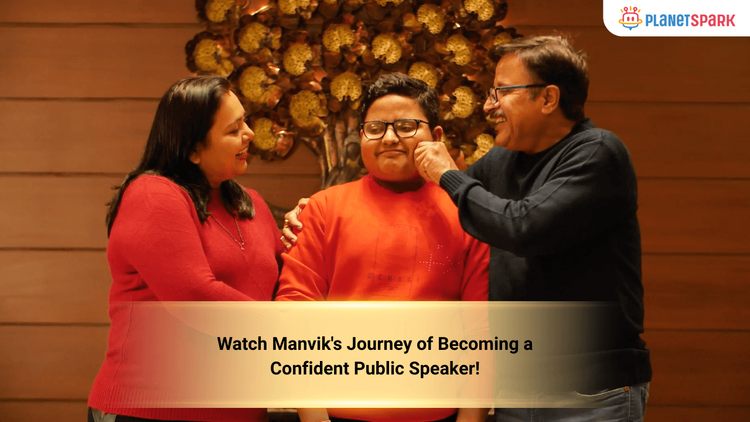
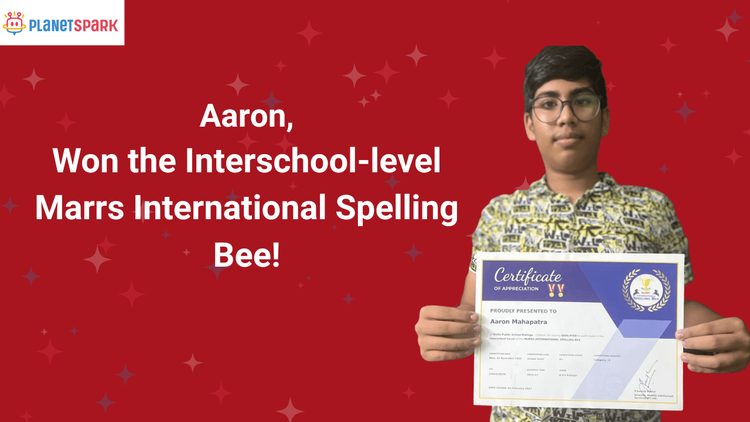


Making Headlines Nationwide
Featured in leading media for transforming individuals into confident, expressive, and stage-ready public speakers.



Frequently Asked Questions
Body language is a form of non-verbal communication that uses gestures, facial expressions, posture, and eye contact to convey emotions and intentions. It often reveals what words cannot express. Effective body language helps make communication clearer, more engaging, and trustworthy.
Effective body language in public speaking helps the audience trust the speaker, stay engaged, and understand the message better. Studies show that more than half of audience perception is shaped by nonverbal cues.
You can improve your body language by practicing open posture, using natural hand gestures, maintaining steady eye contact, and working on relaxed, purposeful movements. Regular mirror practice and video reviews also help.
Typical mistakes include crossed arms, shifting too much, avoiding eye contact, rigid posture, and overusing gestures. These signals can reduce perceived confidence.
Body language meaning refers to the messages sent through physical behavior rather than words. It plays a major role in defining confidence, intention, and emotional tone.
Yes. Kids can develop strong body language from early stages through fun activities such as expression games, posture practice, gesture exercises, and imitation drills.
Examples include standing tall, keeping shoulders relaxed, using open hand gestures, smiling naturally, maintaining eye contact, and moving with purpose.
Exercises like posture alignment drills, mirror practice, gesture mapping, and expression repetition help speakers build stronger body language in communication.