
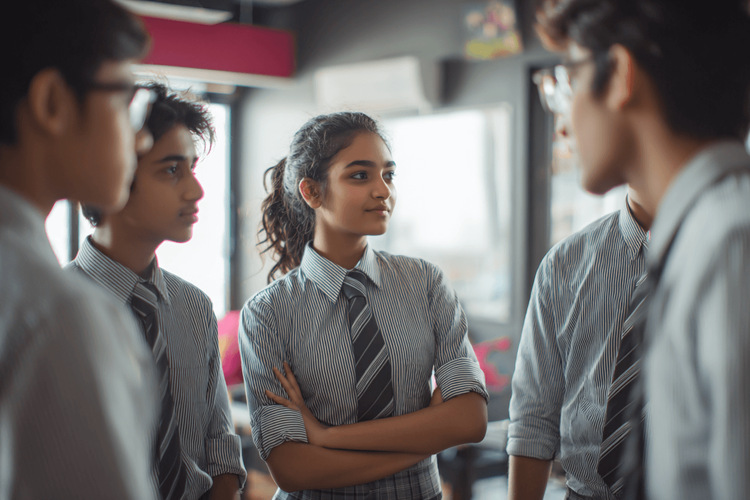
Non Verbal Communication Skills: Body Language and Gestures
Express more than words through confident body language and expression.
 4.8/5
4.8/5 1 Lakh+
What Are Non-Verbal Communication Skills?
Non-verbal communication skills are the ways we express ourselves without speaking. They include body language, facial expressions, gestures, eye contact, posture, and tone of voice.
These signals often convey emotions and attitudes more powerfully than words. For example, a smile can show warmth, while crossed arms may signal discomfort or resistance.
Understanding non-verbal communication helps you interpret others better and express yourself more confidently in personal, academic, and professional settings. It ensures your words and actions send the same message.
Types of Non-Verbal Communication
Non-verbal communication comes in several forms, each playing a unique role in expression and interaction:
Facial Expressions: Emotions such as happiness, sadness, or surprise are easily recognized through facial movements.
Body Language and Posture: How you sit, stand, or move reflects your confidence and openness.
Gestures: Movements of the hands or arms emphasize or replace words.
Eye Contact: Shows attentiveness, honesty, and connection with your listener.
Tone and Voice Quality: How you say something often matters more than what you say.
Appearance and Dressing: Your grooming and attire contribute to first impressions and credibility.
Personal Space (Proxemics): How close or far you stand during communication indicates comfort or respect.
Each of these adds depth and emotion to verbal communication, making your message more impactful.
Learn body language secrets for better non verbal communication.
Importance of Non-Verbal Communication
Non-verbal communication shapes how people perceive you long before you speak. It plays a crucial role in:
Building Trust and Understanding: Consistent gestures and tone make you appear genuine.
Enhancing Clarity: Reinforces or supports what you’re saying verbally.
Expressing Emotion: Helps convey empathy, enthusiasm, or concern naturally.
Creating Engagement: Keeps listeners interested through gestures, movement, and expression.
Cultural Adaptability: Helps in understanding and respecting body language differences across cultures.
A strong command of non-verbal cues helps you appear confident, approachable, and emotionally intelligent.
Learn the importance of non verbal communication and how it helps students express ideas confidently.
Common Barriers in Non-Verbal Communication
Just like verbal communication, non-verbal messages can be misunderstood. Common barriers include:
Inconsistent Signals: Saying one thing but showing another, such as smiling while expressing disappointment.
Poor Eye Contact: Avoiding eye contact may appear as disinterest or insecurity.
Closed Posture: Crossed arms or slouched shoulders can signal defensiveness.
Overuse of Gestures: Too many gestures can distract from the message.
Cultural Misinterpretation: Gestures or expressions that are acceptable in one culture may be offensive in another.
Recognizing these barriers helps ensure your body language supports, not contradicts, your spoken words.
How to Improve Non-Verbal Communication Skills
Improving your non-verbal communication requires awareness and practice. Here’s how to strengthen it:
Observe Yourself: Notice your facial expressions, posture, and hand movements while speaking.
Maintain Eye Contact: It shows attentiveness and confidence, but remember to keep it natural.
Use Open Body Language: Keep your shoulders relaxed, arms uncrossed, and stance balanced.
Smile Naturally: A genuine smile builds rapport and warmth.
Match Gestures with Words: Ensure your expressions and tone align with what you’re saying.
Record and Reflect: Watching recordings of your conversations helps you notice habits you can improve.
Learn from Good Communicators: Observe teachers, speakers, or performers to understand effective body language.
With conscious effort, your gestures and expressions can become as natural and effective as your words.
Learn how to use nonverbal cues to strengthen your message.

Exercises and Activities for Better Non-Verbal Communication
Hands-on practice builds confidence and awareness. Try these activities:
Mirror Practice: Observe and adjust your facial expressions and gestures while speaking.
Expression Drills: Practice showing different emotions, joy, concern, surprise, without using words.
Video Practice: Record short speeches and evaluate your body language and tone.
Role Play: Act out conversations focusing only on gestures and posture.
Confidence Walk: Practice entering a room with upright posture, eye contact, and a smile.
These exercises make you more expressive and aware of how others perceive you.
Examples of Effective Non-Verbal Communication
Examples help illustrate how powerful non-verbal cues can be:
In Class: A student nods attentively while the teacher speaks, showing engagement and understanding.
In Presentations: The speaker maintains eye contact and uses open hand gestures to connect with the audience.
In Conversations: A friendly smile and relaxed posture make interactions approachable and natural.
In Interviews: Confident posture and firm handshake create a positive first impression.
These examples show that confident body language often speaks louder than words.
The Connection Between Verbal and Non-Verbal Communication
Verbal and non-verbal communication work together to deliver your message effectively. When both align, your message becomes stronger and more believable.
For example:
Saying “I’m happy to help” with a warm smile strengthens sincerity.
Saying it with a flat tone and no eye contact might make it sound forced.
Learning to coordinate both helps you become a more persuasive, empathetic, and confident communicator.
Non-Verbal Communication in Professional and Social Settings
Your non-verbal cues influence how others perceive your confidence and professionalism.
In professional settings:
Maintain eye contact in meetings.
Use a firm yet polite handshake.
Avoid fidgeting or looking distracted.
Dress neatly and appropriately.
In social settings:
Smile and maintain a relaxed posture to seem approachable.
Be mindful of cultural differences in gestures or personal space.
Mirror the other person’s positive cues subtly to build rapport.
These habits improve your image and make interactions smoother across contexts.
Mastering Body Language in Communication for Professionals
Key Takeaways
Non-verbal communication includes body language, gestures, expressions, and tone.
It often conveys emotions and intentions more powerfully than words.
Awareness and practice make your expressions consistent and confident.
Combining verbal and non-verbal cues strengthens your communication impact.
Learn how verbal communication improves clarity, confidence, and impact.
Explore written communication skills for clear and professional expression.
Understand how visual communication helps present ideas clearly and effectively.
PlanetSpark Communication Skills Course for Kids
The PlanetSpark Communication Skills Course for Kids is designed to make learning communication fun, engaging, and practical. Through live interactive sessions, children learn to express ideas confidently, improve vocabulary, and develop public speaking and presentation skills.
The program focuses on verbal communication, non-verbal communication, storytelling, and creative thinking, helping kids overcome stage fear and become articulate speakers. Each session includes hands-on practice, feedback, and real-world speaking tasks that make learning effective and enjoyable.
PlanetSpark’s structured curriculum helps kids not only speak better but also listen actively, think critically, and express emotions clearly. It lays the foundation for future leadership and success in academics and beyond.
Get Acquainted with Our Top Educators
Top 1% certified experts who make learning engaging and impactful
 Aanchal Soni
 10+ Years
 Anisha Gupta16+ Years
 Ankita Singh8+ Years
 Anshul Gupta5+ Years
 Banani Garai30+ Years
 Deepa Kaushal2+ Years
 Roohi Kalra
 Divya Khangarot4+ Years
 Priya Shukla10+ Years
 Priya Badotiya7+ Years
 Ranjana Pathania
 Mariya Ali
 Mariyam Farhana B
PlanetSpark Communication Skills Course for Adults and Professionals
The PlanetSpark Communication Skills Course for Adults is designed to help professionals, educators, and learners refine their speaking, listening, and presentation abilities. The course focuses on practical improvement in verbal and non-verbal communication, business communication skills, and public speaking, helping adults express ideas clearly and confidently in any environment.
Through interactive sessions, real-time feedback, and engaging activities, learners build essential workplace and social communication skills. The program also emphasizes English communication skills, including tone, pronunciation, vocabulary, and fluency.
PlanetSpark’s online platform makes it easy for adults to learn at their own pace while getting personalized guidance from expert mentors. Each session helps learners become better speakers, leaders, and collaborators, preparing them for both professional success
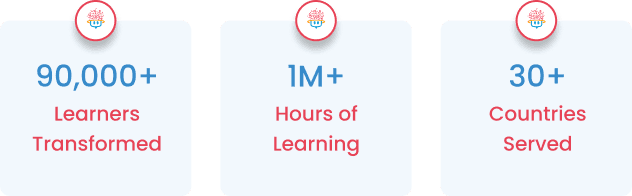
Our Impact!
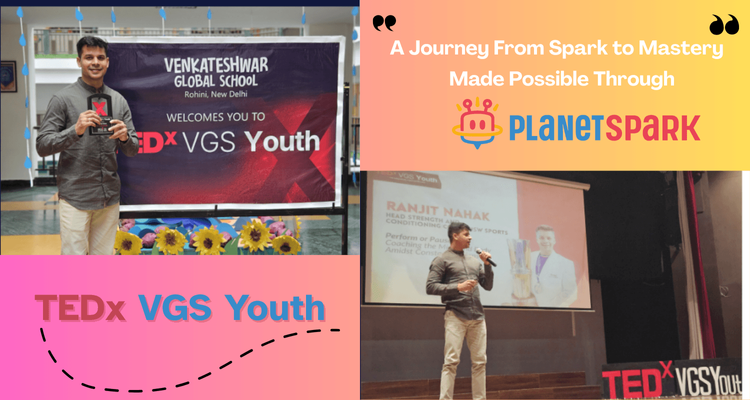
Empowering individuals with the confidence and communication skills to speak clearly, influence others, and lead with impact.

Parent Testimonials That Speak Volumes
Real stories of learners becoming confident English speakers through our master courses.
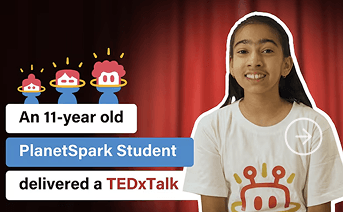
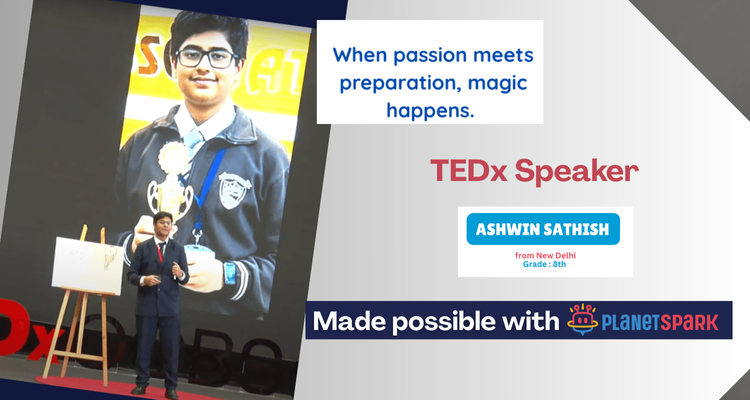
Oviya Singh, a PlanetSpark student, spoke about ‘Soil Conservation’ in her TEDxTalk by addressing the status quo and questioning, ‘Is the world running out of food?’
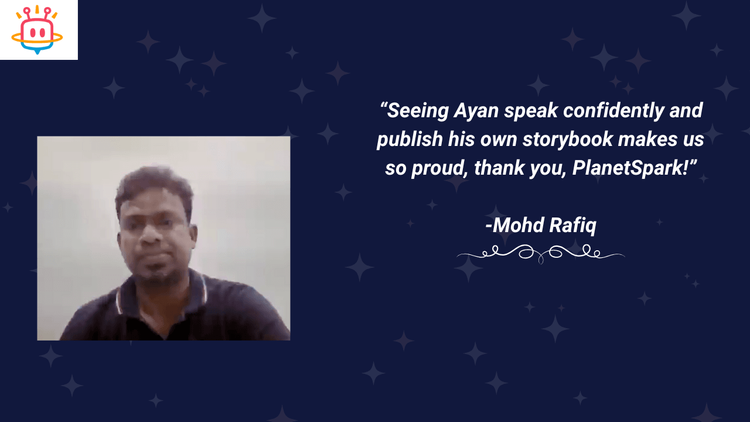
Thanks to PlanetSpark and his teacher’s guidance, Ayan now speaks confidently, participates actively, and has published his first storybook.
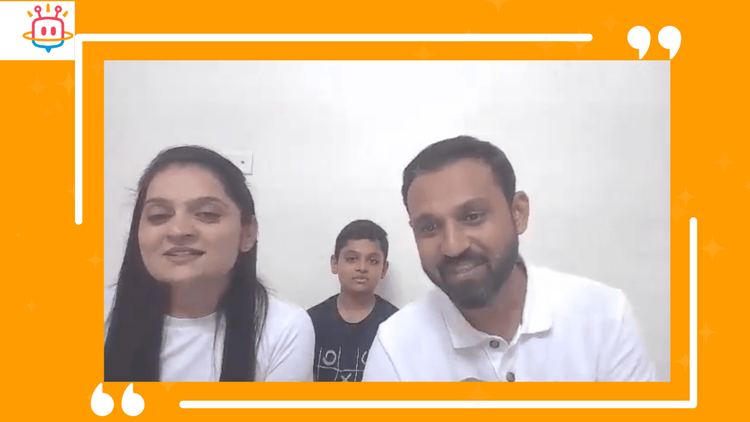
PlanetSpark helped my son Ahan find his voice and confidence. From stage speaking to being published in Pearls of Poetry, his growth has been remarkable.
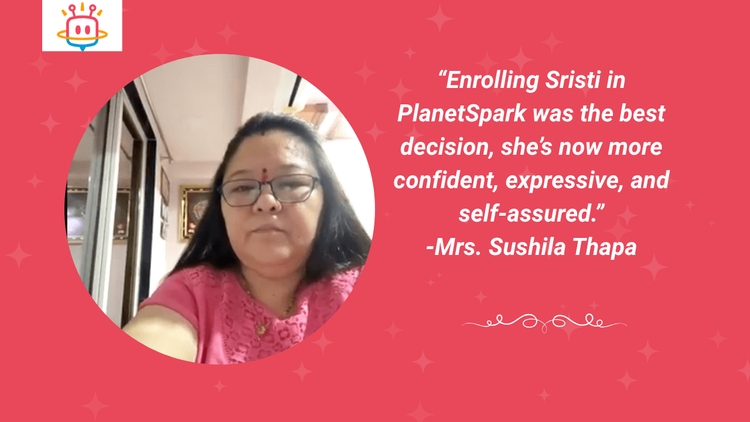
PlanetSpark’s Public Speaking program has boosted Sristi’s confidence and clarity, her school performance speaks for itself.
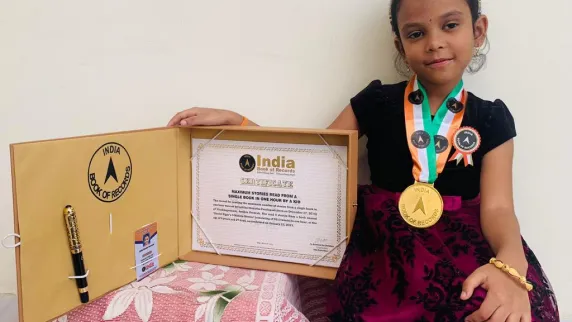
My daughter has transformed from a shy kid to a confident speaker in just 6 months. The personalized attention and structured curriculum made all the difference.
Making Headlines Nationwide
Featured in leading media for transforming individuals into confident, expressive, and stage-ready public speakers.
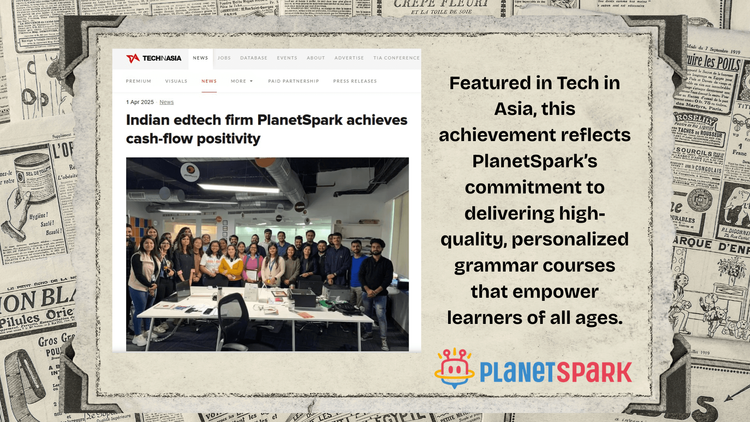
For a complete guide to building fluency, confidence, and clarity, explore our main Spoken English pillar page.
For a complete understanding of rules, usage, and examples, explore our English Grammar pillar page.
For techniques, practice tips, and confidence building strategies, explore our Public Speaking pillar page.
For a complete guide to clear, confident, and effective communication, explore our Communication Skills pillar page.
For workplace ready communication, confidence, and people skills, explore our Soft Skills pillar page for working professionals.
Frequently Asked Questions
Facial expressions, gestures, eye contact, posture, and tone of voice are the main types.
It enhances understanding, expresses emotions, and supports your verbal message.
Practice maintaining eye contact, use open gestures, and be mindful of posture and facial expressions.
Yes. Certain gestures or expressions may have different meanings in different cultures.
PlanetSpark provides live sessions, feedback, and speaking activities to help students improve their body language, expression, and confidence.