Master Soft Skills: A Complete Guide for Professionals
Master the core abilities that support growth in every role
Behind every successful professional lies a set of abilities that go beyond technical knowledge. These abilities begin with understanding soft skills.
According to research conducted by Harvard University, the Carnegie Foundation and Stanford Research Center has all concluded that 85% of job success comes from having well‐developed soft and people skills, and only 15% of job success comes from technical skills and knowledge (hard skills).
What Are Soft Skills?
Soft skills refer to the personal and interpersonal abilities that shape how effectively you communicate, collaborate, and respond to challenges at work. These skills influence how you think, interact, and perform in real workplace situations, making them essential for long term career success.
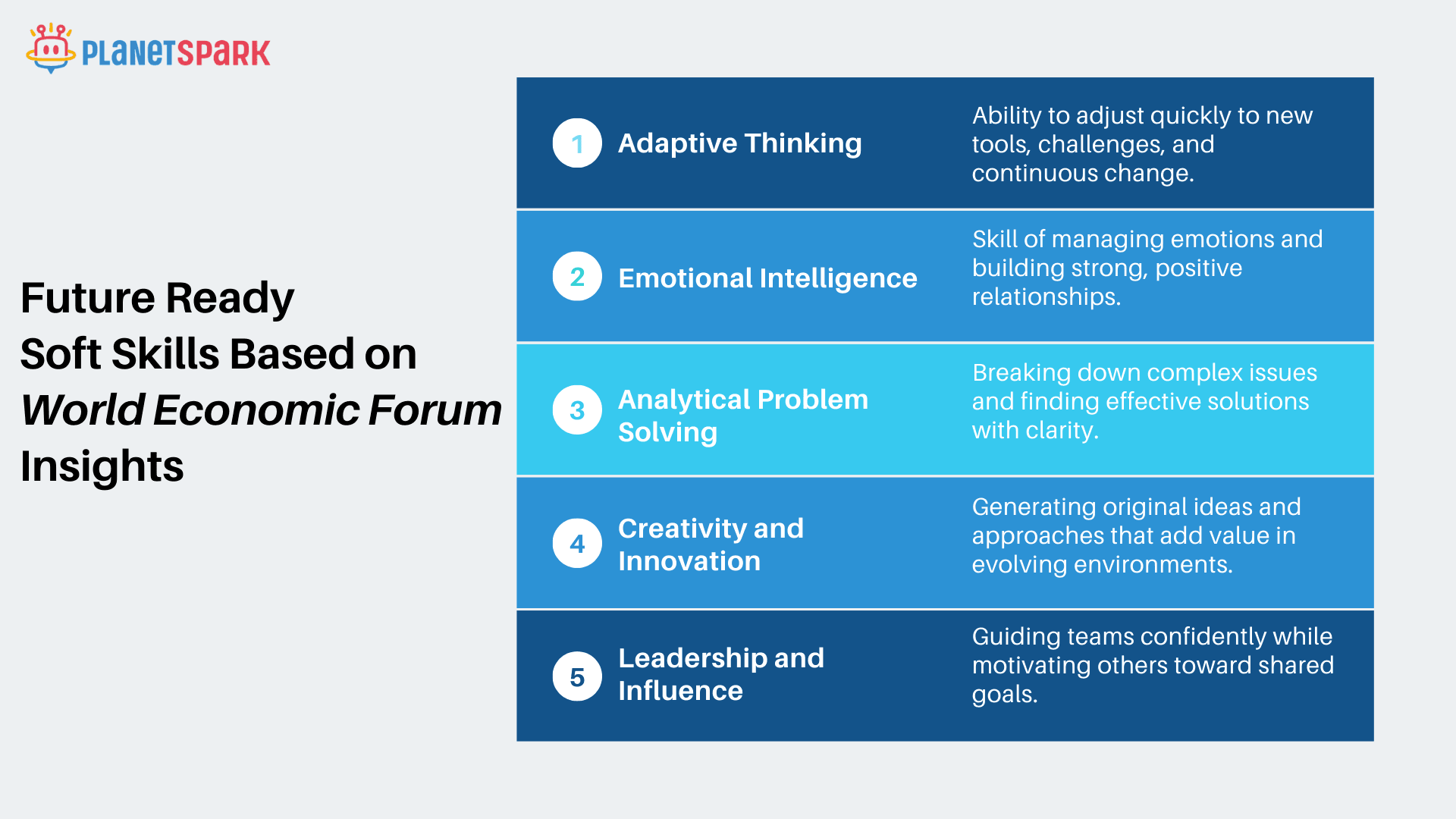
With rapid technological changes, the World Economic Forum's Future of Job's Report highlightsthat nearly half of all employees will require reskilling by 2025, making people centered competencies more crucial than ever.
These skills are closely linked to emotional intelligence, as they involve self awareness, empathy, and the ability to build strong workplace relationships, unlike hard skills which focus on technical knowledge and measurable expertise.
A Closer Look at the Core Soft Skills That Shape Strong Communicators and Thinkers
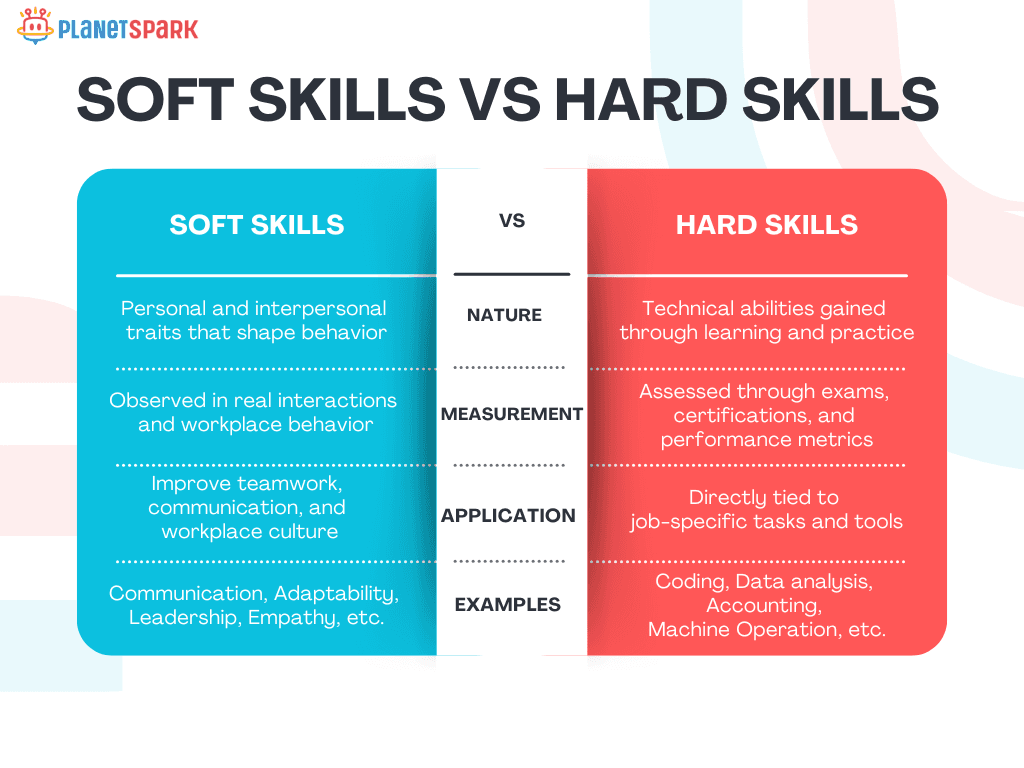
Soft Skills vs Hard Skills
Understanding soft skills vs hard skills is essential for professionals who want to grow steadily in their careers. Employers today look for a balanced combination of both. Hard skills show your technical capability, while soft skills reflect how you work with people, manage responsibilities, and handle challenges.
Why Professionals Need Both Soft and Hard Skills
Thriving in today’s workplace requires a strong blend of technical expertise and human centered abilities. While hard skills help you perform specific tasks and deliver results, soft skills ensure you work effectively with people, adapt to change, and make sound decisions. Employers value professionals who can:
Communicate with clarity and confidence
Work productively with diverse teams
Approach challenges with structured problem solving
Adjust quickly to new tools and expectations
Apply their technical abilities efficiently
Manage disagreements with professionalism
Guide and influence others when needed
When these strengths complement each other, professionals not only excel in their roles but also build trust, drive collaboration, and create long term success for themselves and their organizations.
The Growing Employability Gap and the Need for Soft Skills
India’s Graduate Skill Index 2025 reports that only 42.6 percent of graduates applying for jobs are employable, down from 45 percent in 2023. This decline reveals a major gap: many candidates possess technical knowledge, but lack the communication, teamwork, decision making, and interpersonal abilities required to perform well in real-world roles.
As workplaces become more technology-driven, these practical, human-focused skills help professionals stand out, grow confidently, and stay relevant in a competitive job market.
In an AI-Driven Era, Soft Skills Provide an Unmatched Human Advantage
As businesses rapidly adopt AI and automation, soft skills are becoming more valuable than ever. A research paper from MIT Sloan titled “The EPOCH of AI: Human-Machine Complementarities at Work” highlights a set of uniquely human capabilities, Empathy, Presence, Opinion, Creativity, Hope, and Vision, referred to as EPOCH skills. These represent the core strengths that distinguish human potential in an AI-enhanced workplace.
According to researchers Isabella Loaiza and Roberto Rigobon, EPOCH skills enable people to do what machines cannot: understand emotions, inspire teams, use judgment, imagine new possibilities, and give meaning to data. As AI handles more repetitive and technical tasks, these soft skills are becoming critical for evaluating AI outputs, improving solutions, guiding decision making, and driving innovation.
In short, technology may automate work, but soft skills elevate it, making professionals with strong human capabilities more relevant than ever.
The Spectrum of Soft Skills: From Communication to Creativity
According to the LinkedIn Workplace Learning Report, soft skills like communication, leadership, and problem solving remain among the most in-demand capabilities globally. These skills directly influence daily performance and long-term career growth.
Here are the key soft skill categories most valued today:
1. Communication Skills
This includes clear speaking, active listening, effective writing, body language awareness, and tailoring your message to different audiences. Strong communication improves team coordination, prevents miscommunication, and strengthens client relationships.
Example: Presenting a project update in a way that senior leaders understand instantly, while also explaining execution steps clearly to your team.
Why it matters: Communication consistently ranks as one of the top soft skills employers seek (LinkedIn Skills Report).
2. Interpersonal and Social Skills
Often searched as soft skills examples, this group includes collaboration, empathy, relationship building, team support, and conflict handling. These abilities help you work smoothly across diverse teams and maintain a positive work culture.
Example: Resolving a disagreement between teammates by listening to both sides and finding common ground.
Why it matters: Teams with strong interpersonal skills perform better and report higher satisfaction (Harvard Business Review).
3. Leadership and Management Skills
Leadership isn’t limited to those in managerial roles. These skills include decision making, delegation, motivation, time management, and the ability to guide others.
Example: Taking ownership of a project sprint, dividing responsibilities clearly, and keeping the team motivated under pressure.
Insight: WEF lists leadership and social influence among the fastest-growing skills in the modern workplace.
4. Critical Thinking and Problem Solving
This involves analyzing situations, identifying issues, evaluating options, and arriving at practical solutions. With workplaces becoming more dynamic, professionals who think calmly under pressure stand out.
Example: Identifying the root cause of a recurring workflow delay and proposing a more efficient process.
Insight: Employers consistently rate critical thinking as a top skill gap among new hires (NACE Job Outlook Report).
5. Emotional Intelligence (EI)
EI remains one of the strongest predictors of workplace success. It includes self awareness, empathy, self regulation, and relationship management.
Example: Managing your tone and emotions during a stressful meeting so the conversation stays productive.
Insight: Studies show EI accounts for nearly 90 percent of the difference between average and top performers in leadership roles (Daniel Goleman).
6. Work Ethic and Professional Behavior
This includes discipline, dependability, accountability, adaptability, and willingness to learn. These soft skills show your commitment to high-quality work and personal growth.
Example: Meeting deadlines consistently, communicating proactively, and taking responsibility when things go wrong.
Why it matters: Managers often rank reliability as one of the top traits they expect from employees.
7. Creativity and Innovation
Creative thinking helps professionals explore new ideas, improve processes, solve problems creatively, and add value beyond routine tasks.
Example: Proposing a new customer feedback method that reduces response time and increases insights.
Insight: Creativity ranks among the WEF’s top skills for the future as automation increases.
Want to know which abilities matter the most in the workplace? Check out our list of the top soft skills professionals must master.
How to Develop Soft Skills
Developing soft skills is a continuous process that involves self awareness, consistent practice, and real workplace application. Unlike hard skills that you learn through formal training, soft skills grow through experience, reflection, and mindful communication.
Here is a structured approach to help you build and strengthen your soft skills:
1. Identify the Soft Skills You Want to Improve
Start by understanding where you currently stand. Self evaluation helps you see your strengths and areas that need attention.
Steps to begin:
Ask for feedback from managers or colleagues
Review performance discussions or appraisal comments
Reflect on situations where communication or teamwork felt difficult
List the top soft skills needed in your industry
Common skills professionals prioritize include communication, leadership, problem solving, interpersonal skills, and adaptability.
2. Learn Through Soft Skills Training and Courses
Soft skills training programs provide structured learning and targeted practice. Many professionals choose them to improve confidence, clarify communication, and strengthen decision making.
Training resources can include:
Workshops and seminars
Online courses
Leadership development programs
Communication and public speaking sessions
Team building modules
This helps you understand concepts and apply them consistently in real situations.
3. Practice Soft Skills in Everyday Workplace Situations
Soft skills develop best when applied daily. Small improvements over time lead to significant changes.
Practical ways to practice:
Participate actively in meetings
Offer constructive feedback
Volunteer for presentations
Support team members proactively
Resolve conflicts calmly
Listen attentively during discussions
Consistent practice is the fastest way to turn soft skills into natural strengths.
4. Observe Professionals Who Excel at Soft Skills
Learning from others is one of the most effective ways to improve.
Observe how they:
Communicate during high pressure situations
Make decisions confidently
Handle disagreements
Build relationships
Motivate team members
Adopting real world examples helps you develop soft skills faster and more naturally.
5. Improve Your Emotional Awareness
A large part of soft skills development comes from understanding emotions – both your own and others. This helps you respond instead of react.
Ways to build emotional awareness:
Pause before responding during discussions
Notice your tone and body language
Practice empathy during conversations
Stay calm during disagreements
These habits strengthen communication, teamwork, and leadership potential.
6. Track Your Growth and Adjust Regularly
Soft skills grow gradually. Tracking progress helps you stay consistent and motivated.
You can track your progress by:
Setting weekly behavior goals
Noting what improved and what did not
Asking for periodic feedback
Reviewing small wins
With time, you will notice more confidence, better relationships, and smoother workplace interactions.
7. Apply Learnings in New Situations
Challenge yourself to use your improved soft skills in different scenarios. Taking on new responsibilities helps you grow faster.
You can:
Lead small team tasks
Manage client interactions
Present ideas during meetings
Handle workplace challenges independently
This strengthens both soft skills and professional visibility.
Soft skills strengthen your professional identity and help employers evaluate how you will work with others, handle pressure, and contribute to a company’s culture. Instead of listing them as generic personality traits, your resume should show how you have applied these skills to deliver outcomes.
Below are practical ways to showcase soft skills effectively.
1. Tailor Soft Skills to Match the Job Requirements
Review the job description carefully and extract the skills the employer values most. This helps you avoid listing unnecessary or unrelated qualities.
Steps to follow:
Highlight soft skills mentioned in the job requirements
Identify the work style the company expects
Include skills relevant to that role and industry
Example scenario: You are applying for a Project Coordinator role.
Job posting mentions:
Strong communication
Cross functional collaboration
Time and task management
Problem solving
Relevant soft skills to include on your resume:
Collaborative communication
Stakeholder coordination
Prioritization and scheduling skills
Analytical approach to challenges
This ensures alignment between your strengths and what the employer seeks.
2. Provide Evidence of Soft Skills in Experience Sections
Recruiters look for proof. You can demonstrate your soft skills by linking them to measurable achievements or specific responsibilities.
Correct ways to show soft skills:
Leadership: • Managed a team of 8 for client onboarding projects and improved completion timelines by 18 percent
Communication: • Created clear status reports and communicated updates to clients which reduced repeated queries by 40 percent
Problem solving: • Identified process gaps and introduced a new workflow that cut manual data errors by half
Adaptability: • Took charge of a project mid cycle and delivered all milestones within the deadline despite scope changes
These statements show skill in real application which builds credibility.
3. Highlight Transferable Skills During Career Changes
When shifting careers, showcase soft skills that remain valuable across industries. This bridges the gap between your past experience and the new role.
Example scenario: Transition from Hospitality to HR Operations.
Transferable skills from hospitality:
Customer service skills
Conflict management
Team coordination
High pressure performance
Resume transformation:
Handled guest concerns with empathy which maintained top tier rating for service quality
Assisted in scheduling and team rosters ensuring smooth front desk operations
Maintained professional communication with diverse clients during peak hours
Employers understand your soft skills can serve well even in a new environment.
4. Place Soft Skills Strategically Across the Resume
Integrate soft skills in the right places so that they appear consistently and convincingly.
Where to include them:
Professional Summary Highlight core strengths that define your working style Example: Strong communicator with a focus on collaboration and goal aligned execution
Skills Section Include job aligned soft skills in a clean list Example: Leadership, Relationship Building, Adaptability, Active Listening
Work Experience Support every skill with action oriented results Example: Coordinated with cross functional teams to streamline support queries reducing resolution time
Achievements and Projects Recognize accomplishments that reflect communication, initiative, or creativity
This approach ensures a balanced representation and avoids repetition.
5. Use Action Verbs That Reflect Soft Skills
Employers notice strong verbs that signal behavior and competence.
Examples of verbs to use:
Led, Facilitated, Coached
Resolved, Improved, Coordinated
Presented, Negotiated, Guided
Designed, Proposed, Implemented
These highlight your contribution while emphasizing growth oriented soft skills.
Soft skills shape how professionals communicate, collaborate, adapt to challenges, and deliver results. While technical expertise helps you enter a career, soft skills help you thrive in it. Below is a clear and practical list of essential soft skills needed across common job roles so you can focus on what really matters for growth.
Career
Must Have Soft Skills
Customer Service
Communication, patience, empathy, problem solving, active listening
Creativity, active listening, adaptability, constructive feedback handling, attention to detail
Business Analyst
Strategic thinking, data interpretation, presentation skills, teamwork, negotiation
Benefits of Soft Skills for Professionals
Soft skills provide professionals with the ability to communicate effectively, collaborate confidently, and handle workplace challenges with clarity. While hard skills help you perform technical tasks, soft skills shape how you interact, lead, and grow. For professionals at any stage, these skills play a key role in building a strong, reliable, and future ready career.
Below are the major benefits of soft skills for working professionals:
1. Better Communication and Clearer Expression
Soft skills improve how you share ideas, present information, and understand others. This leads to smoother conversations, fewer misunderstandings, and more productive discussions.
Benefits include:
More confident communication
Better clarity in emails and presentations
Stronger client interactions
Improved listening and feedback skills
2. Stronger Teamwork and Collaboration
Professionals with solid interpersonal skills work better in teams and contribute to a positive environment.
This leads to:
Easier coordination
Higher trust among colleagues
More effective brainstorming
Faster problem solving
Good teamwork skills also build your reputation as a dependable professional.
3. Higher Leadership Potential
Soft skills like decision making, empathy, motivation, and accountability directly support leadership roles. Professionals who master them often move into supervisory or managerial positions faster.
Leadership related benefits include:
Handling responsibilities confidently
Guiding teams more effectively
Managing conflicts with maturity
Inspiring and supporting colleagues
4. Improved Problem Solving and Critical Thinking
Strong soft skills help professionals analyze situations, think clearly, and find quick, practical solutions. This makes you more valuable during high pressure tasks.
Resulting benefits:
Smarter decision making
Fewer errors under pressure
Creative solutions to workplace challenges
5. Better Adaptability and Flexibility
Workplaces change frequently. Soft skills help professionals adjust to new tools, shifting priorities, and different working styles without stress.
Benefits include:
Staying calm during change
Faster adjustment to new responsibilities
Improved resilience and confidence
6. Stronger Professional Relationships
Soft skills make interactions smoother and more positive. This helps you build trust, maintain healthy work relationships, and collaborate with people from different backgrounds.
Relationship benefits:
Better rapport with clients
Stronger bonds with teammates
More constructive feedback exchanges
7. Increased Employability and Career Growth
Professionals who show soft skills alongside hard skills stand out during hiring, promotions, and leadership opportunities.
Career benefits include:
Higher chances of selection in interviews
Faster promotions
Better performance reviews
More responsibilities and recognition
Soft skills improve your overall professional presence, making you more valuable to any organization.
PlanetSpark Soft Skills Courses
Ready to strengthen the soft skills that shape your professional success? Book a free demo of PlanetSpark’s soft skills course and experience how our expert led, activity based learning can sharpen your communication, collaboration, and workplace confidence.
In your demo, you get:
A personalised skill check to identify your current level
Live interaction with a certified trainer who specializes in professional soft skills
Hands on activities based on real workplace situations
A clear improvement roadmap tailored to your career goals
A preview of PlanetSpark’s structured learning approach built for working professionals
Take the first step toward becoming a more confident, effective, and future ready professional.
Book your free demo today and see how PlanetSpark can help you grow.
Know More About PlanetSpark Soft Skills Courses
Meet Our Superstars
At PlanetSpark, thousands of learners have strengthened their soft skills and communication abilities. From students gaining clarity in expression to professionals improving teamwork and confidence, every success story reflects how the right guidance can spark real growth.
PlanetSpark – Making Headlines Nationwide
Building Skills That Shape Your Future
Soft skills have become essential for professional growth, effective communication, and long-term career success. Whether it’s improving collaboration, developing leadership qualities, or sharpening problem solving, these abilities influence how you work and how others perceive your potential. With steady practice, real-world exposure, and the right learning support, anyone can strengthen their soft skill foundation. As workplaces evolve, professionals who invest in these capabilities remain adaptable, confident, and ready for the future.
For a complete guide to building fluency, confidence, and clarity, explore our main Spoken English pillar page.