

The Ultimate Resource to Master Spoken English
Your one-stop guide to learning, practicing, and improving spoken English.
Are you ready to find your voice and speak English with the confidence you’ve always dreamed of?
Spoken English is the language of everyday interaction, the way we share thoughts, emotions, and ideas aloud. It’s not about perfect grammar or fancy words, but about communicating clearly and confidently in real situations.
Unlike written English, spoken English is more spontaneous and expressive. It involves tone, rhythm, and body language that bring meaning beyond words. The goal is not just to “speak English” but to make your speech natural, accurate, and easy to understand.
Pillars of Spoken English
To become fluent, you need to strengthen every pillar that supports effective communication. Spoken English isn’t learned through memorization, it’s built through understanding, practice, and consistent exposure to the language.
How to Improve English Communication Skills
Improving English communication is about building comfort with the language in real-life situations. It’s not just about speaking correctly but about thinking clearly, listening carefully, and responding confidently.
Here’s how to begin strengthening your communication foundation:
Listen more: Observe how words sound in natural speech through podcasts, movies, or conversations.
Speak regularly: The more you talk, the faster your brain forms English sentence patterns.
Think before you translate: Focus on expressing your ideas instead of searching for perfect grammar.
Engage in conversations: Real communication practice builds confidence faster than memorization.
Fluency grows with consistency, small daily actions lead to noticeable improvements over time.
👉 For deeper insights and practical ways to build confidence, check out our detailed blogs
Improve English Communication Skills: 10 Tips That Actually Work
- Spoken English: Ways to Improve Your Speaking Skills
- Better Communication Skills: An Extensive Guide For All Ages
Speak and Improve: Daily Practice Ideas for English Speaking
Learning to speak English starts with using it every day. You don’t need complex lessons, you need habits that keep you engaged with the language.
Practical daily activities to begin:
Mirror speaking: Talk to yourself in English for a few minutes daily about your day or plans.
Record yourself: Listen back to identify pronunciation or fluency gaps.
Shadowing practice: Imitate English speakers from short videos to match tone and rhythm.
Use English everywhere: Text friends, write notes, or set your phone to English mode.
Consistency matters more than duration, even 10 minutes of speaking practice daily can make a visible difference in a month.
👉 For structured home-based speaking ideas and guided exercises, explore our detailed blogs
Spoken English Practice at Home: A Complete Guide with Methods
Beyond the Classroom: Fun Ways of English Speaking Practice at Home
- Communication in Everyday Life: Importance, Skills & Tips
- Common English Speaking Mistakes and How to Fix Them
How to Start Thinking in English
Fluent speakers don’t translate; they think directly in English. This shift takes time but makes your speech natural and quick.
Tips to start thinking in English:
Describe what you see or feel in English silently during your day.
Replace your native-language thoughts with English phrases like “What should I do next?” or “That looks interesting.”
Watch English shows without subtitles and guess meanings through context.
Write a short daily journal in English, it rewires your thought process.
Example: Instead of thinking “Mujhe paani chahiye,” then translating, think directly “I need water.” This simple mental change boosts fluency and confidence.
- How to Practice Reading for Better Speaking: Step-by-Step Guide
- How Listening Skills Can Enhance Your Spoken English Fluency
English Learning Resources (Books, Shows, and More)
Immersing yourself in English through enjoyable sources helps you absorb the language naturally. Instead of just studying grammar, learn by exposure to real usage.
Helpful resources:
Books: Start with simple novels or storybooks like The Magic Tree House or Charlotte’s Web for beginners.
Podcasts & YouTube: Channels like BBC Learning English, English Addict, or VOA Learning English.
Movies & Shows: Watch with English subtitles first, then without, try Friends, Anne with an E, or The Crown.
Audiobooks: Listening improves pronunciation and word rhythm, try Harry Potter or Matilda.
The key is consistency, spend at least 15–20 minutes daily engaging with English content.
👉 Discover a curated list of the most effective tools, apps, and media in our guide
Learn English Through Activities
Learning English through activities makes practice fun and effective. Activities help you remember grammar, pronunciation, and vocabulary through use, not memorization.
Engaging activities to try:
Role-plays: Practice common situations like ordering food or introducing yourself.
Story-building games: Create stories using random words - great for thinking on your feet.
Word challenges: Pick a new word each day and use it in three sentences.
Listening games: Pause a video and repeat what you heard - builds pronunciation and memory.
When learning feels like play, progress happens faster and lasts longer.
👉 Explore more structured and fun daily routines in our detailed guide
Daily Speaking Practice Activities to Improve Spoken English
- 7 Activities to Improve Communication Skills for Preschool Kids
- How to Develop Reading Habit in Kids: 11 Smart Ways
Techniques and Methods to Improve Spoken English
There’s no single method to fluency, it’s about combining different techniques that develop each skill.
Effective techniques include:
The Imitation Technique: Copy sentence rhythm, tone, and pauses from native speakers.
Conversation Looping: Record a 1-minute speech daily on one topic and re-record it to improve.
Feedback Method: Practice with peers or online groups and ask for specific feedback.
Chunk Learning: Learn short, ready-to-use phrases like “At the end of the day” instead of single words.
Each technique improves a part of fluency, pronunciation, speed, or confidence, forming a balanced skill set over time.
👉 For a deeper understanding of these strategies and additional proven methods, read our complete guide
Technology for Learning Spoken English
Technology makes language learning flexible and interactive. Use tools that let you listen, record, and track your progress to build confidence in real conversations.
Helpful apps and tools:
Duolingo / Babbel: For structured vocabulary and grammar practice.
PlanetSpark App: Offers interactive speaking sessions, AI feedback, and real-time progress tracking to help you practice anytime.
YouGlish: Lets you hear how English words are pronounced in real contexts.
Speechling / ELSA Speak: Provides pronunciation feedback using AI.
Combine these tech tools with daily conversation practice for the best results. Technology guides you, consistent speaking builds fluency.
Relevant Exams and Competitions for English Proficiency (Kids & Adults)
English proficiency exams help learners measure progress and build motivation. They assess listening, speaking, reading, and writing skills, helping you identify strengths and areas to improve.
Popular exams for kids and adults include:
For Kids: Cambridge Young Learners Exams (YLE), Trinity GESE Grades 1–6, PlanetSpark English Olympiad.
For Teens & Adults: IELTS, TOEFL, PTE Academic, Cambridge B1–C2, and Trinity ISE.
Competitive & School-Level: Olympiads, Spelling Bees, and Debate Competitions.
These exams not only test proficiency but also improve focus on structured communication practice.
👉 Explore detailed exam formats, preparation tips, and resources in our guide English Exams for Kids in India – Olympiads, Certificates & Preparation
How to Overcome Mother Tongue Interference in Spoken English
Mother tongue interference occurs when sounds, sentence structures, or accents from your native language influence your English speech. This is natural but can affect pronunciation and clarity.
Steps to reduce interference:
Listen actively: Compare how English sounds differ from your native language. Focus on stress and intonation.
Record and compare: Say English sentences aloud and note where your accent changes sound patterns.
Learn mouth movements: Practice vowel and consonant sounds using phonetic videos.
Use tongue twisters: They strengthen pronunciation muscles and improve clarity.
Speak slowly at first: Clarity improves before speed.
Example: In Indian languages, “v” and “w” often sound similar. Practicing pairs like very–wary or vine–wine helps retrain your pronunciation.
With awareness and daily speaking habits, interference fades naturally as your ear adapts to English rhythm.
👉 For a detailed step-by-step guide and targeted exercises, explore our in-depth blog [How to Overcome Mother Tongue Interference in English].
Practice While You Learn
Check out these worksheets to improve your skills
PlanetSpark’s Spoken English Course for Kids
For children, learning spoken English is more than just picking up a language. It is about building confidence, communication skills, and a strong academic foundation. PlanetSpark’s spoken English classes for kids are designed to make learning interactive, fun, and practical.
Key Highlights of Our Spoken English Training for Kids
Confidence in Communication – Kids practice public speaking, presentations, and everyday conversations to express themselves clearly.
Strong Grammar & Vocabulary – Simplified lessons in grammar, sentence formation, and vocabulary-building to strengthen basics.
Creative Expression – Activities like storytelling, debates, and group discussions that enhance imagination and English composition skills.
Academic Advantage – Spoken English courses support better writing, reading comprehension, and performance in school exams.
Future Readiness – Early exposure to spoken English helps children develop skills they’ll carry into higher education and careers.
By blending fun with structured learning, PlanetSpark ensures that kids not only learn English speaking but also grow into confident, fluent communicators from a young age.
Find the Right Spoken English Course for Your Child
PlanetSpark’s Spoken English Course for Adults and Professionals
For adults and working professionals, spoken English is more than a skill. It is a career accelerator. Whether it’s preparing for interviews, delivering impactful presentations, or collaborating with international teams, strong English communication makes all the difference.
Key Benefits of English Speaking Training for Adults and Professionals
Career Growth & Global Opportunities – Learn business English and communication strategies to stand out in meetings, interviews, and professional networks.
Practical Communication Skills – Role plays, mock interviews, and workplace conversations that build confidence in real scenarios.
Advanced Grammar & Vocabulary – Targeted lessons to refine written and spoken English for emails, reports, and presentations.
Public Speaking & Leadership Skills – Training to deliver ideas persuasively, lead discussions, and influence teams.
Flexible Learning – Online spoken English classes that adapt to busy schedules, ensuring consistent progress without disruption.
PlanetSpark empowers professionals with the confidence to communicate clearly, think critically, and succeed in a global workplace. With structured spoken English training, learners move beyond hesitation to become fluent, persuasive, and effective communicators.
Spoken English Courses for Adults and Professionals
Learning Outcomes of Spoken English
By completing this program, learners will be equipped to:
Speak fluently and confidently in personal, academic, and professional settings.
Build a strong vocabulary and polished grammar for effective long-term communication.
Master pronunciation, articulation, and listening skills to connect globally.
Gain future-ready communication abilities essential for leadership, networking, and career growth.
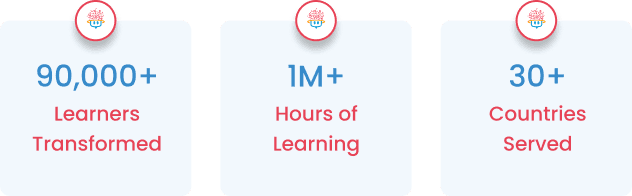
Our Impact!
Empowering individuals with the confidence and communication skills to speak clearly, influence others, and lead with impact.
Live Sessions, 1:1 Coaching & AI Support
PlanetSpark blends live interactive sessions, personal 1:1 coaching, and an AI-powered coach to ensure every learner progresses with confidence. This unique mix makes learning spoken English engaging, personalized, and results-driven.
Here’s how it helps:
Tailored lessons to match individual goals
Instant doubt-solving during live classes
AI feedback for continuous improvement
Focus on fluency, confidence, and clarity
Real-world practice for academic, social, and professional success
Learn English Through Our Resources
Meet Our Superstars
At PlanetSpark, thousands of learners have transformed their English communication skills. From students excelling in academics to professionals gaining confidence in global workplaces, our success stories prove that with the right guidance, anyone can achieve fluency.
PlanetSpark – Making Headlines Nationwide
Your Journey to Fluency Starts Here
Fluency in spoken English is more than a skill, it’s the key to confidence, opportunities, and success in every stage of life. With PlanetSpark’s personalized coaching and AI-powered support, you can start your journey today and step into a future where your voice is heard and valued.
For a complete understanding of rules, usage, and examples, explore our English Grammar pillar page.
For techniques, practice tips, and confidence building strategies, explore our Public Speaking pillar page.
For a complete guide to clear, confident, and effective communication, explore our Communication Skills pillar page.
For workplace ready communication, confidence, and people skills, explore our Soft Skills pillar page for working professionals.