
Ever Wonder Why Children Learn Languages So Easily?

Last Updated At: 27 Nov 2025
8 min read
Kids seem to pick up new languages almost effortlessly, and there is science behind it. In this blog, we will explore why children learn languages faster than adults, looking at the so-called “critical period.” We will also uncover how early exposure, curiosity, and playful learning make all the difference in shaping lifelong communication skills.
Also, get to know about the Spoken English Programs from Planet Spark!
The Science Behind How Kids Learn Languages
Have you ever noticed how babies begin to babble “mama” or “dada” before they even turn one year old? That is the start of language development in children. From birth, babies listen carefully to every sound around them. Their brains have an amazing ability called neuroplasticity, which allows them to form new connections and learn a new language much faster than adults.
As babies grow, they naturally copy the sounds and words they hear. This process is called imitation. They observe how parents move their lips and repeat those sounds again and again. Gradually, they begin to recognise word patterns, which helps them learn a foreign language with ease.
There are many benefits of learning languages early, such as stronger memory, sharper focus, and better communication skills. The best way to learn a new language for children is through enjoyable activities like songs, stories, and games instead of rote learning.
Curiosity, Play, and Imitation-Natural Tools for Learning
Children have an incredible way of learning through curiosity, play, and imitation. These three natural tools help them learn a new language faster and with more enjoyment than adults. From their first words to full sentences, every stage of language development in children is guided by observation and discovery.
Here is how these tools make learning easier:
Curiosity: Children love to explore and ask questions. Their natural curiosity encourages them to listen carefully and try new words. This active interest becomes one of the benefits of learning languages early, as it strengthens memory and understanding.
Play: Games, songs, and stories are fun ways to learn a foreign language. Through play, children learn without pressure. The best way to learn a new language is by turning lessons into exciting activities.
Imitation: Children often repeat what they hear. They copy sounds, accents, and expressions. This skill helps them learn different languages with accurate pronunciation.
Parents can support this growth through language classes, language learning courses, and interactive apps to learn languages. The best way to learn a different language or even the easiest way to learn another language is by following a playful language learning system that makes every lesson fun and memorable.
Why Timing Matters?
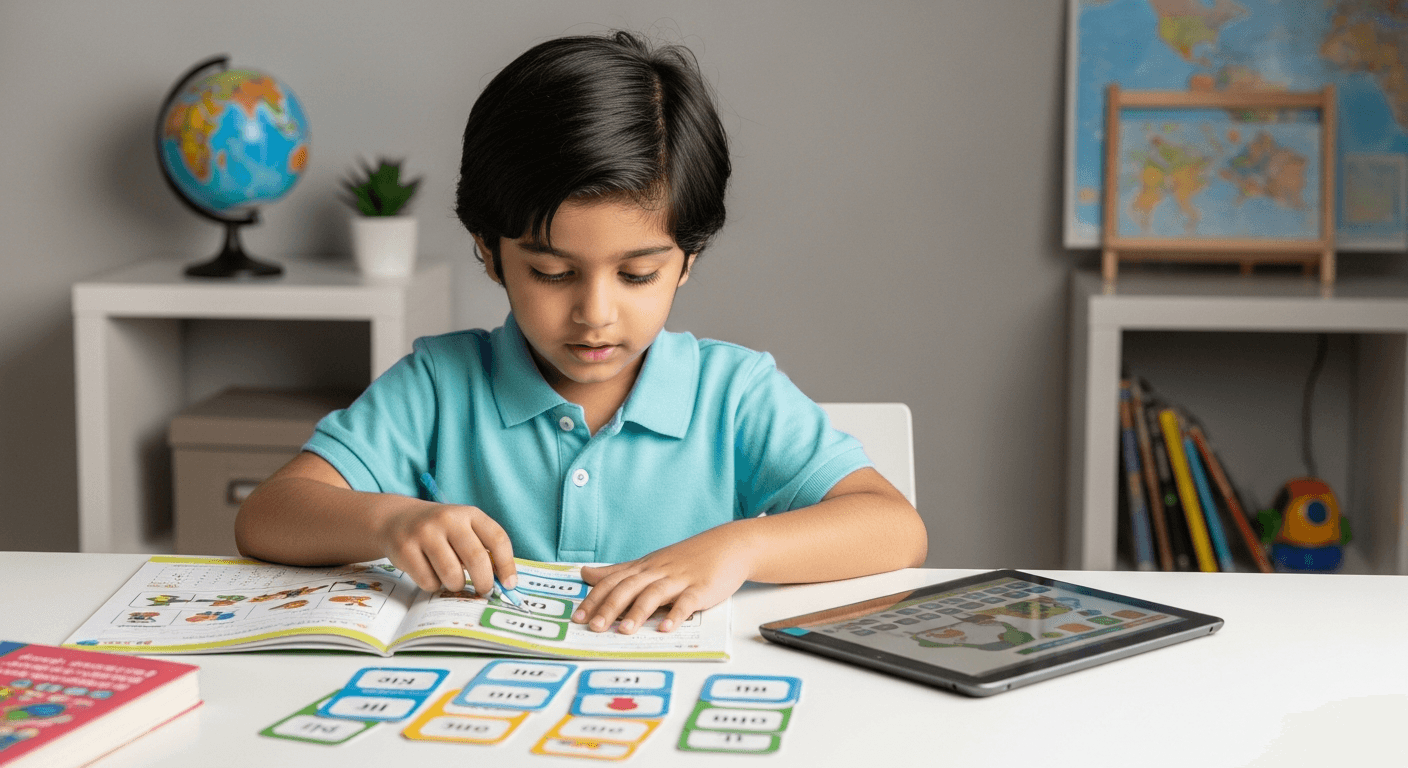
The age at which a person begins to learn a new language plays a very important role in how quickly and effectively it is learned. During early childhood, the brain is more flexible and active, which makes language development in children faster and more natural. This period is often called the “critical period” for language learning.
The benefits of learning languages early include better pronunciation, stronger memory, and the ability to learn different languages easily later in life. Young learners absorb sounds and sentence patterns effortlessly, making early exposure the best way to learn a new language.
Parents can make the most of this stage by enrolling their children in language classes or language learning courses. With fun activities, storytelling, and interactive apps to learn languages, children can follow a natural language learning system that gives them the easiest way to learn another language and speak with confidence.
From first words to confident speech,
Let Planet Spark’s Spoken English programs help your child every step of the way!
The Role of Environment and Confidence
The environment in which a person learns has a major impact on how quickly they can learn a new language. A positive and encouraging space builds confidence and helps learners stay motivated. For children, the surroundings they grow up in influence language development in children, while adults benefit from structured support through language classes and practice groups.
Here are some key points that show how environment and confidence shape language learning success:
Supportive Learning Atmosphere: A friendly and interactive environment encourages students to speak without fear. It is one of the benefits of learning languages early, as children feel safe to express themselves.
Active Communication: Constant interaction with teachers, parents, or peers helps learners learn a foreign language faster. Regular conversations improve pronunciation and fluency.
Encouragement and Motivation: Positive feedback builds self-belief. When learners feel confident, they absorb new words and grammar more effectively.
Practical Learning Tools: Using apps to learn languages or joining fun language learning courses creates a real-world experience.
Consistency in Practice: A regular learning routine is the best way to learn a new language and the easiest way to learn another language successfully.
A confident learner in the right environment can easily learn different languages and enjoy lasting fluency.

Adults vs. Kids -What Makes the Difference
Both adults and children can learn a new language, but the way they learn is very different. Children have flexible brains that make language development in children faster, while adults rely more on memory and structured learning. The table below explains how these differences affect the ability to learn a foreign language and the benefits of learning languages early.
Both age groups can succeed with the right language learning system. For children, early exposure is key, while adults can achieve fluency through consistent practice and engaging language learning courses.
Can Adults Learn Like Kids? Absolutely!
While it is true that children learn languages quickly, adults have their own unique strengths that make language learning just as rewarding. With the right mindset and tools, adults can experience the same joy and success in mastering new languages. The secret lies in staying curious, consistent, and confident.
Here is how adults can make the most of their learning journey:
Embrace a Growth Mindset: Adults have the motivation and discipline to turn learning into a daily habit, discovering the best way to learn a new language effectively.
Use Smart Tools: Interactive apps to learn languages and online language learning courses make practice engaging and accessible anytime, anywhere.
Join Engaging Classes: Enrolling in dynamic language classes helps adults connect, communicate, and learn different languages naturally.
Practice with Purpose: Real-world conversations help adults apply what they learn, boosting fluency and confidence.
Enjoy the Journey: When learning feels fun, adults can unlock the easiest way to learn another language and experience the same excitement as kids.
With a positive approach and modern language learning systems, adults can rediscover the curiosity of childhood and achieve incredible results in language learning.
Why Planet Spark is the Best?
Live Interactive English Sessions: Daily real-life conversations (school, travel, interviews) to boost speaking skills.
Accent & Pronunciation Training: Reduce MTI with phonetics and articulation modules.
Vocabulary Enhancement: Learn contextual words, phrases, and collocations through dialogue practice.
Situational Role Plays: Practice real-world conversations, ordering food, giving speeches, or handling interviews.
AI & Trainer Feedback: Instant corrections with AI fluency reports for pronunciation and grammar.
Confidence & Progress Tracking: Regular assessments and progress updates for continuous improvement.
Language learning is a lifelong skill, and starting early gives children a strong advantage. However, both kids and adults can achieve fluency with the right approach and environment. The key lies in curiosity, consistency, and the right language learning system. Children thrive through play, imitation, and early exposure, while adults benefit from structured language-learning courses and smart apps.
Frequently Asked Questions
Early learners develop better pronunciation, memory, and communication skills. The benefits of learning languages early also include improved focus, creativity, and confidence in speaking.
The best way to learn a new language is through fun activities like songs, stories, games, and interactive language classes that encourage natural communication.
Yes! With the right language learning courses, adults can achieve fluency by practising regularly, using apps to learn languages, and joining live conversation sessions