

Verbal Communication Skills – Speak Clearly and Confidently
Speak clearly, confidently, and connect better with every word.
 4.8/5
4.8/5 1 Lakh+
What Are Verbal Communication Skills?
Verbal communication skills refer to the ability to use spoken words effectively to share ideas, emotions, and information. It is the foundation of how we interact with others in schools, workplaces, and everyday life.
Good verbal communication means speaking with clarity, confidence, and purpose. It helps others understand your message without confusion. Unlike non-verbal communication, which involves gestures or expressions, verbal communication depends on words and tone to convey meaning.
Whether you’re answering in class, participating in a meeting, or making a new friend, strong verbal communication helps you express yourself naturally and confidently.
Learn more about verbal communication skills in our detailed guide.
Elements of Verbal Communication
Verbal communication has several key elements that shape how effectively your message is received:
Words and Vocabulary Choice: The words you choose define how well others understand your thoughts. A richer vocabulary allows you to express ideas more precisely.
Tone and Voice Modulation: Tone adds emotion and attitude to your words. The same sentence can sound polite, confident, or rude depending on your tone.
Clarity, Pace, and Pronunciation: Speaking too fast or mumbling can blur your message. A steady pace, clear pronunciation, and proper pauses make your speech easier to follow.
Active Listening: Verbal communication is two-way. Listening carefully helps you respond appropriately and stay engaged in conversations.
Understanding these elements allows you to adjust your speaking style based on context, casual, academic, or professional.
Importance of Verbal Communication in Real Life
Verbal communication plays a powerful role in shaping relationships and success in various areas:
Building Connections: It helps you express empathy, share feelings, and create meaningful relationships.
In the Classroom: Clear communication improves classroom participation, helps you share ideas, and boosts confidence during presentations.
In the Workplace: Strong verbal skills support teamwork, problem-solving, and leadership communication.
Everyday Scenarios: From asking questions to sharing opinions, verbal communication helps you navigate daily interactions smoothly.
In short, your ability to speak clearly defines how others perceive your confidence and intelligence.
Learn how verbal intelligence supports clear and effective speaking.
Common Barriers to Effective Verbal Communication
Even confident speakers face barriers that affect their clarity and connection with others. Some common ones include:
Lack of Confidence: Nervousness or self-doubt can make your voice shaky or hesitant.
Unclear Pronunciation: Mispronounced words or mumbling reduce understanding.
Monotone Delivery: Speaking without variation in tone sounds dull and unengaging.
Language Gaps: Limited vocabulary or incorrect grammar can cause confusion.
Distractions: Background noise or divided attention affects concentration and message delivery.
Recognizing these barriers is the first step toward overcoming them through focused practice and feedback.
Understand why clear verbal communication is difficult and how to improve it.
How to Improve Verbal Communication Skills
Improving verbal communication is a gradual process that combines awareness, practice, and feedback. Here’s how you can strengthen it:
Practice Speaking Daily: Talk about topics you enjoy, share your thoughts aloud, or narrate your day to build fluency.
Record and Review: Listening to your recordings helps identify unclear words, filler sounds, or tone issues.
Expand Vocabulary: Learn new words and use them in daily conversation. This adds precision and variety to your speech.
Focus on Tone and Pace: Adjust your pitch and pauses to make speech expressive and easy to follow.
Seek Feedback: Ask teachers, peers, or mentors to evaluate your clarity and confidence.
Regular effort helps you become more conscious of your speech patterns and gradually more articulate in every interaction.
Learn to improve verbal communication skills through our detailed guide.
Exercises and Activities to Build Verbal Skills
Practical exercises make learning verbal communication fun and effective:
Reading Aloud: Helps improve pronunciation, pace, and expression.
Storytelling: Builds creativity and confidence while structuring thoughts clearly.
Role-Play Conversations: Practice real-life speaking scenarios like introductions, debates, or interviews.
Debate Practice: Enhances logical thinking, clarity, and argument presentation.
Tongue Twisters and Pronunciation Drills: Strengthen diction and articulation.
Doing these activities consistently improves both fluency and confidence in spoken communication.
Examples of Good Verbal Communication
Understanding what good verbal communication looks like helps you model your own speech:
Classroom Example: A student answers questions clearly, maintains eye contact, and explains reasoning confidently.
Workplace Example: A professional gives concise updates in meetings and listens actively to others.
Presentation Example: The speaker starts with an engaging introduction, uses pauses effectively, and summarizes key points clearly.
Good speakers also adjust their style depending on the situation, formal for interviews, friendly for group discussions, or polite in customer interactions.
Role of Tone, Emotion, and Expression
Tone and emotion bring life to your words. They determine how your message is perceived:
Tone: Reflects your attitude, friendly, formal, assertive, or calm.
Emotion: Shows sincerity and helps connect with listeners.
Expression: Includes facial and vocal variety that makes speech engaging.
Using the right tone and emotion ensures that your message feels authentic and builds trust. For example, a warm tone encourages open conversation, while a harsh one may shut it down.

Verbal Communication in Professional Settings
In professional life, verbal communication defines how well you collaborate and influence others.
Some important aspects include:
Meetings: Speak clearly, stay concise, and listen attentively.
Interviews: Maintain confidence and clarity while highlighting your strengths.
Presentations: Structure content logically, use pauses, and end with a clear takeaway.
Feedback Conversations: Be polite, specific, and solution-focused.
Workplace Etiquette: Adapt your tone to match formality levels and audience expectations.
Strong verbal communication skills make you appear confident, professional, and dependable in any environment.
Key Takeaways
Verbal communication is more than just speaking, it’s about clarity, tone, and confidence.
Practice daily to improve fluency and delivery.
Listen actively to become a better speaker.
Use real-world examples and feedback to refine your skills.
Continuous learning and practice make communication natural and effortless.
Learn how non verbal communication improves clarity, confidence, and impact.
Explore written communication skills for clear and professional expression.
Understand how visual communication helps present ideas clearly and effectively.
Get Acquainted with Our Top Educators
Top 1% certified experts who make learning engaging and impactful

 Aanchal Soni
 10+ Years
 Anisha Gupta16+ Years
 Ankita Singh8+ Years
 Anshul Gupta5+ Years
 Banani Garai30+ Years
 Deepa Kaushal2+ Years
 Divya Khangarot4+ Years
 Roohi Kalra
 Priya Shukla10+ Years
 Priya Badotiya7+ Years
 Ranjana Pathania
 Mariya Ali
 Mariyam Farhana B
PlanetSpark Communication Skills Course for Kids
The PlanetSpark Communication Skills Course for Kids is designed to make learning communication fun, engaging, and practical. Through live interactive sessions, children learn to express ideas confidently, improve vocabulary, and develop public speaking and presentation skills.
The program focuses on verbal communication, non-verbal communication, storytelling, and creative thinking, helping kids overcome stage fear and become articulate speakers. Each session includes hands-on practice, feedback, and real-world speaking tasks that make learning effective and enjoyable.
PlanetSpark’s structured curriculum helps kids not only speak better but also listen actively, think critically, and express emotions clearly. It lays the foundation for future leadership and success in academics and beyond.
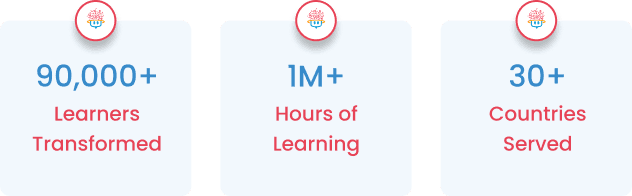
Our Impact!
Empowering individuals with the confidence and communication skills to speak clearly, influence others, and lead with impact.


PlanetSpark Communication Skills Course for Adults and Professionals
The PlanetSpark Communication Skills Course for Adults is designed to help professionals, educators, and learners refine their speaking, listening, and presentation abilities. The course focuses on practical improvement in verbal and non-verbal communication, business communication skills, and public speaking, helping adults express ideas clearly and confidently in any environment.
Through interactive sessions, real-time feedback, and engaging activities, learners build essential workplace and social communication skills. The program also emphasizes English communication skills, including tone, pronunciation, vocabulary, and fluency.
PlanetSpark’s online platform makes it easy for adults to learn at their own pace while getting personalized guidance from expert mentors. Each session helps learners become better speakers, leaders, and collaborators, preparing them for both professional success and personal growth.
Parent Testimonials That Speak Volumes
Real stories of learners becoming confident English speakers through our master courses.
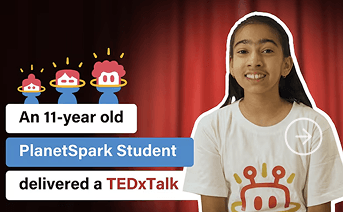
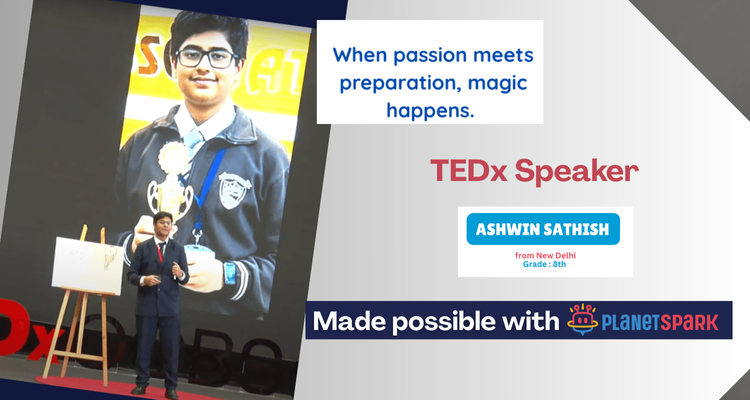
Oviya Singh, a PlanetSpark student, spoke about ‘Soil Conservation’ in her TEDxTalk by addressing the status quo and questioning, ‘Is the world running out of food?’
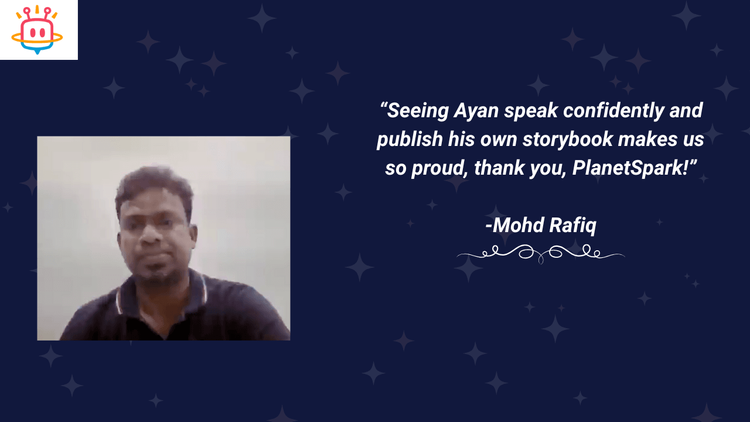
Thanks to PlanetSpark and his teacher’s guidance, Ayan now speaks confidently, participates actively, and has published his first storybook.
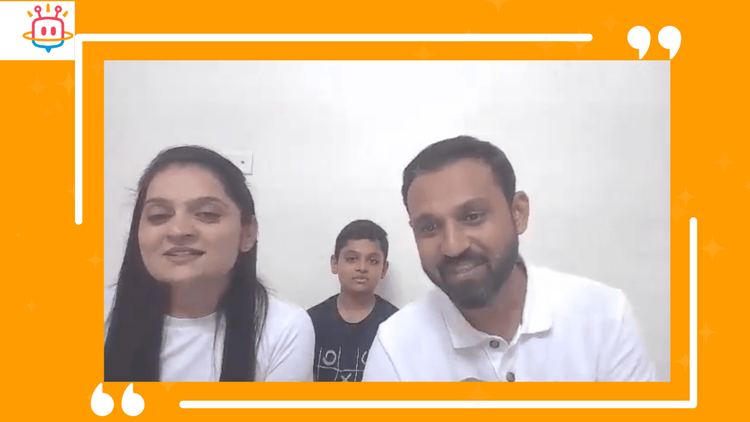
PlanetSpark helped my son Ahan find his voice and confidence. From stage speaking to being published in Pearls of Poetry, his growth has been remarkable.
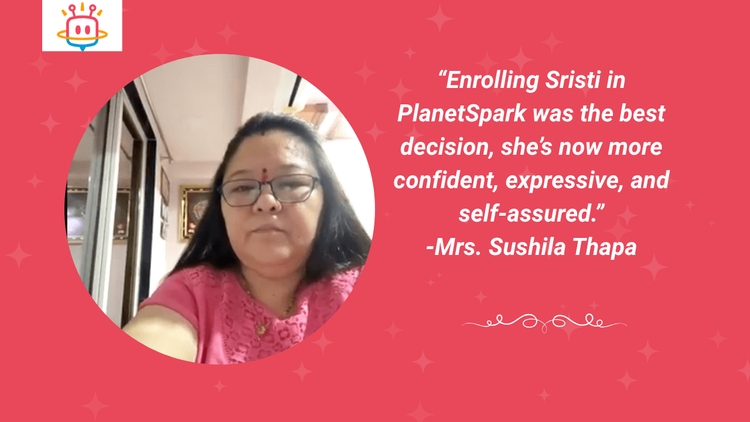
PlanetSpark’s Public Speaking program has boosted Sristi’s confidence and clarity, her school performance speaks for itself.
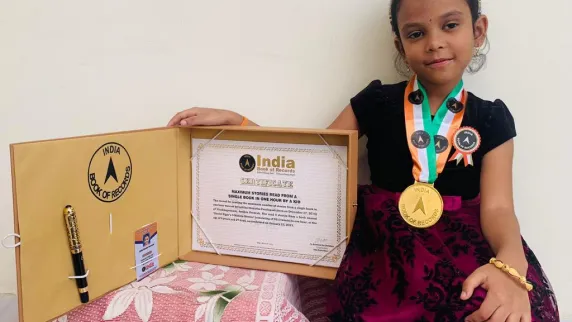
My daughter has transformed from a shy kid to a confident speaker in just 6 months. The personalized attention and structured curriculum made all the difference.
Making Headlines Nationwide
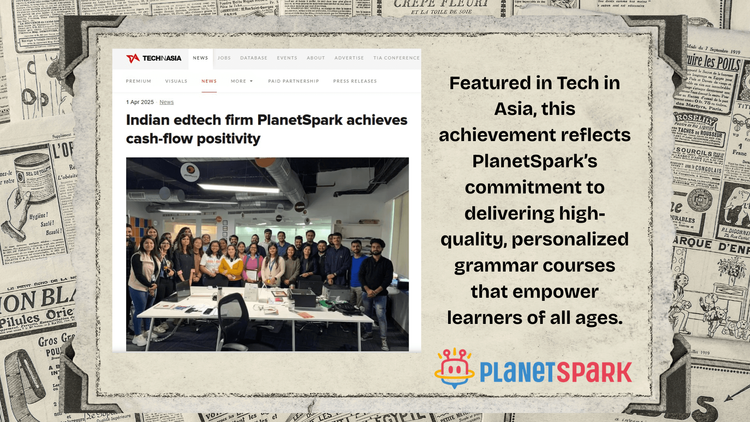
Featured in leading media for transforming individuals into confident, expressive, and stage-ready public speakers.

For a complete guide to building fluency, confidence, and clarity, explore our main Spoken English pillar page.
For a complete understanding of rules, usage, and examples, explore our English Grammar pillar page.
For techniques, practice tips, and confidence building strategies, explore our Public Speaking pillar page.
For a complete guide to clear, confident, and effective communication, explore our Communication Skills pillar page.
For workplace ready communication, confidence, and people skills, explore our Soft Skills pillar page for working professionals.
Frequently Asked Questions
The main components include words, tone, pace, clarity, and listening. Together, they define how effectively you express your message.
Practice speaking aloud, record yourself, and work on pronunciation and tone. Regular feedback from mentors can greatly help.
Tone conveys your attitude and emotion. It can make your message sound friendly, respectful, or confident depending on how you use it.
Reading aloud, storytelling, tongue twisters, and daily conversation practice are excellent ways to boost fluency.
PlanetSpark provides structured live classes, personalized feedback, and engaging speaking activities that build fluency, confidence, and expression.