
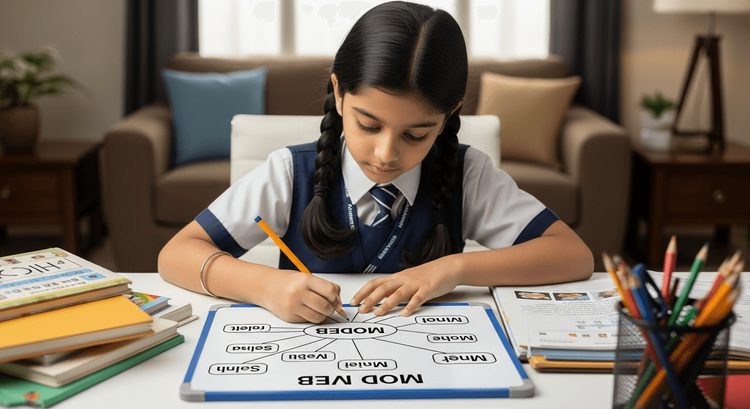
A Complete Guide to Effective Written Communication Skills
Learn how to express ideas with clarity, confidence, and impact through effective written communication.
 4.8/5
4.8/5 1 Lakh+
Ever felt your message didn’t sound right once you wrote it down?
That’s where written communication makes the difference. It helps you express thoughts clearly, whether in school essays, work emails, or daily messages.
Understanding Written Communication
Written communication means conveying information through words, symbols, or text, whether it’s a school essay, a professional report, or even a simple note. It helps organize thoughts, express emotions effectively, and build connections that spoken words might miss.
Strong written communication skills enhance creativity, critical thinking, and confidence. They allow students to perform better academically and professionals to write with clarity and purpose. Whether you’re learning to write persuasive essays or crafting impactful business emails, improving your writing empowers you to communicate ideas that truly make an impact.
To understand how these writing forms support clarity and expression, explore our guide on Types of Writing Communication.
Core Principles of Effective Written Communication
Strong written communication relies on a few universal principles that make your writing easy to read, impactful, and memorable.
1. Clarity
Write with precision and purpose. Avoid vague or complex expressions so your reader understands your message the first time.
Tip: Use simple words and direct sentences to express complex ideas clearly.
2. Coherence
Your ideas should connect logically from one point to another. A well-organized flow helps readers stay engaged and grasp your message easily.
Tip: Use linking words and clear paragraph transitions to maintain structure.
3. Conciseness
Say more with fewer words. Eliminate repetition, fillers, and unnecessary details that clutter your writing.
Tip: After writing, reread and remove any words that don’t add value.
4. Correctness
Accuracy in grammar, spelling, punctuation, and tone shows professionalism and builds trust.
Tip: Always proofread or use editing tools to ensure your content is error-free.
5. Courtesy
Respect your reader’s time and perspective. A polite, considerate tone strengthens relationships and improves readability.
Tip: Replace demanding language with positive, inclusive phrasing.
6. Creativity
Infuse originality and imagination into your writing to make it stand out. Creativity makes written communication engaging and memorable.
Tip: Use storytelling, examples, or visuals to bring your ideas to life.
7. Connection
Write with your audience in mind. Understanding who you’re writing for helps you choose the right tone, style, and level of detail.
Tip: Before writing, ask: “Who am I speaking to, and what do they need from this?”
Build a strong writing routine by exploring our guide on How to Develop a Writing Habit, with simple, practical steps for learners.
Writing Techniques for Clear and Impactful Expression
Strong written communication is built on practice and purpose. It’s not just about grammar or vocabulary, it’s about delivering ideas clearly, confidently, and creatively. These practical techniques can help students, professionals, and adults express themselves better through writing.
1. Start with a Clear Purpose
Before you write, ask: “What do I want my reader to understand or feel?” Knowing your goal keeps your message focused and your writing relevant.
Try this: Write one-line summaries before each paragraph to stay on topic.
2. Outline Your Thoughts
Create a simple structure, a beginning that introduces, a middle that explains, and an end that concludes.
Try this: Use bullet points to list your main ideas before turning them into paragraphs.
3. Write in Active Voice
Active voice makes your writing more confident and engaging.
Example: Instead of “The report was submitted by the team,” write “The team submitted the report.”
4. Match the Tone to the Audience
Adjust your tone to suit your reader, formal for reports, friendly for blogs, clear and concise for messages.
Try this: Read your writing aloud. If it doesn’t sound natural for your audience, revise it.
5. Edit in Layers
Don’t edit everything at once. First check for clarity, then grammar, then tone.
Try this: Use a checklist, “Is this sentence clear?” “Can I shorten it?” “Does it sound polite?”
6. Use Visual Breaks and Formatting
Good written communication isn’t only about words, it’s also about readability.
Try this: Use short paragraphs, headings, and lists to make your content easy to scan.
7. Practice Through Real Situations
Apply your skills to real tasks, emails, project summaries, or even social posts. The more you write, the sharper your skills become.
Try this: Rewrite a daily message or email using these techniques and notice the difference in clarity.
Explore more practical strategies and formats that strengthen written expression in our detailed guide on Writing Tips for Clear Communication, designed to help learners write with clarity and confidence.
Importance of Written Communication in Everyday and Professional Life
Writing is one of the most powerful tools for learning, connecting, and succeeding in today’s world. Studies show that individuals with strong written communication skills are 34% more likely to perform better in academics and professional roles, as they can organize thoughts, explain ideas clearly, and influence others effectively.
For kids, writing improves reading comprehension, vocabulary, and critical thinking. When children practice written communication early, they build stronger memory retention and perform better in subjects that require explanation and reasoning.
For teens, it becomes a tool for self-expression and emotional intelligence. Whether crafting essays, social media posts, or debate notes, writing helps them develop a confident voice and express complex ideas.
For adults, effective writing is key to career growth and leadership. Research by the National Association of Colleges and Employers (NACE) lists written communication among the top three most valued workplace skills. From writing emails and proposals to creating presentations, it reflects professionalism and credibility.
In a digital-first world filled with texts, emails, and reports, clear written communication reduces misunderstandings, strengthens collaboration, and builds trust, making it an essential skill at every age and stage of life.
To help young learners express their ideas clearly and confidently, explore our detailed guide on the Importance of Written Communication Skills for Young Learners.

How to Develop Written Communication Skills
Building written communication skills takes time, patience, and consistent effort — but it’s one of the most rewarding skills you can develop. Writing isn’t just about using the right words; it’s about expressing ideas clearly, connecting with readers, and conveying emotion, purpose, and understanding. Whether you’re a student, a young professional, or an adult learner, here are proven ways to develop this essential skill.
1. Practice Writing Every Day
Writing regularly is the simplest yet most effective way to improve. You can start with short journal entries, creative stories, or simple reflections about your day. The key is consistency. When you write daily, you strengthen sentence formation, vocabulary, and clarity of thought. Over time, your writing becomes smoother, more structured, and more confident.
2. Read to Write Better
Reading expands your perspective and helps you absorb good writing habits. Explore different styles, from news articles and essays to novels and blogs. Notice how authors structure their ideas, transition between points, and maintain a consistent tone. Reading also helps you understand audience expectations, a crucial part of effective communication.
3. Learn Grammar and Vocabulary in Context
Strong writing depends on the accuracy of language. Understanding grammar rules and using diverse vocabulary helps you express ideas precisely. Instead of memorizing lists, learn through examples. For instance, identify how punctuation changes tone or how word choice alters meaning. Mastering these elements builds a foundation for clear and professional written communication.
4. Seek Constructive Feedback
Feedback transforms average writing into exceptional writing. Share your work with teachers, mentors, or peers who can point out strengths and areas for improvement. Learning how others interpret your message helps you refine tone, structure, and clarity. Over time, this feedback loop shapes your writing voice and confidence.
5. Edit, Revise, and Reflect
No first draft is perfect. Great writers spend more time revising than writing. Read your work aloud, this helps you catch awkward phrasing or unclear thoughts. Check for redundancy, logical flow, and impact. Editing makes your writing more concise, engaging, and reader-friendly.
6. Learn to Write for Different Purposes
Writing changes with context — an email, an essay, a report, or a story each demand a unique style. Practice adapting your tone and structure depending on the audience and goal. This adaptability is a key aspect of mastering written communication skills for real-world situations.
7. Take a Structured Learning Approach
Sometimes, self-learning isn’t enough. Enrolling in a communication skills course can provide structured guidance, expert feedback, and targeted exercises.
At PlanetSpark, learners of all ages build written communication confidence through interactive sessions, creative writing modules, and personalized coaching. The course focuses on improving grammar, vocabulary, and written expression, making writing both fun and functional.
8. Use Digital Tools Wisely
Technology can enhance learning when used thoughtfully. Grammar checkers, readability apps, and AI-based writing assistants can provide instant feedback. However, understanding why a suggestion improves your writing ensures lasting learning.
Developing effective written communication skills is a lifelong process, one that enhances clarity, confidence, and creativity. Whether you’re a child learning to express your imagination or an adult refining workplace communication, strong writing gives your ideas the power to inspire and influence.
Learn how verbal communication improves clarity, confidence, and impact.
Explore visual communication for clear and professional expression.
Understand how non-verbal communication helps present ideas clearly and effectively.
PlanetSpark Communication Skills Course for Kids
The PlanetSpark Communication Skills Course for Kids is designed to make learning communication fun, engaging, and practical. Through live interactive sessions, children learn to express ideas confidently, improve vocabulary, and develop public speaking and presentation skills.
The program focuses on verbal communication, non-verbal communication, storytelling, and creative thinking, helping kids overcome stage fear and become articulate speakers. Each session includes hands-on practice, feedback, and real-world speaking tasks that make learning effective and enjoyable.
PlanetSpark’s structured curriculum helps kids not only speak better but also listen actively, think critically, and express emotions clearly. It lays the foundation for future leadership and success in academics and beyond.
Get Acquainted with Our Top Educators
Get Acquainted with Our Top Educators

 Anisha Gupta
 16+ Years
 Ankita Singh8+ Years
 Ankur Bhardwaj10+ Years
 Anshul Gupta5+ Years
 Banani Garai30+ Years
 Deepa Kaushal2+ Years
 Divya Khangarot4+ Years
 Divya Solanki11+ Years
 Fahira Khan
 Maria Antony8+ Years
 Mariyam Farhana B
 Ranjana Pathania
 Aanchal Soni10+ Years
 Roohi Kalra
PlanetSpark Communication Skills Course for Adults and Professionals
The PlanetSpark Communication Skills Course for Adults is designed to help professionals, educators, and learners refine their speaking, listening, and presentation abilities. The course focuses on practical improvement in verbal and non-verbal communication, business communication skills, and public speaking, helping adults express ideas clearly and confidently in any environment.
Through interactive sessions, real-time feedback, and engaging activities, learners build essential workplace and social communication skills. The program also emphasizes English communication skills, including tone, pronunciation, vocabulary, and fluency.
PlanetSpark’s online platform makes it easy for adults to learn at their own pace while getting personalized guidance from expert mentors. Each session helps learners become better speakers, leaders, and collaborators, preparing them for both professional success
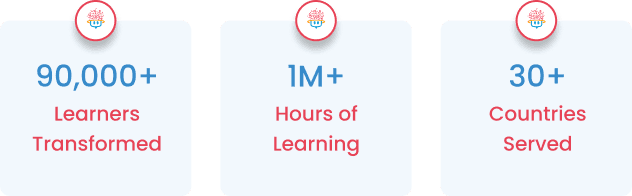
Our Impact!




Parent Testimonials That Speak Volumes
Real stories of learners becoming confident English speakers through our master courses.
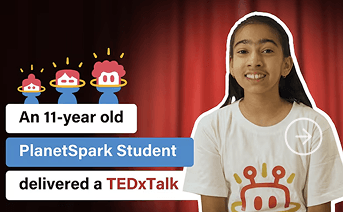
Oviya Singh, a PlanetSpark student, spoke about ‘Soil Conservation’ in her TEDxTalk by addressing the status quo and questioning, ‘Is the world running out of food?’
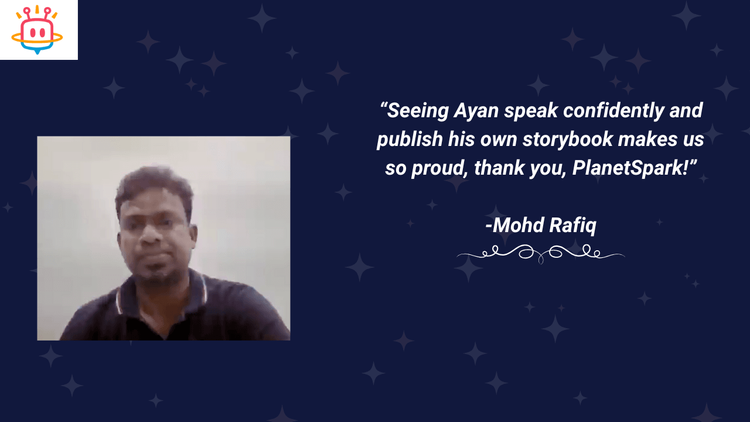
Thanks to PlanetSpark and his teacher’s guidance, Ayan now speaks confidently, participates actively, and has published his first storybook.

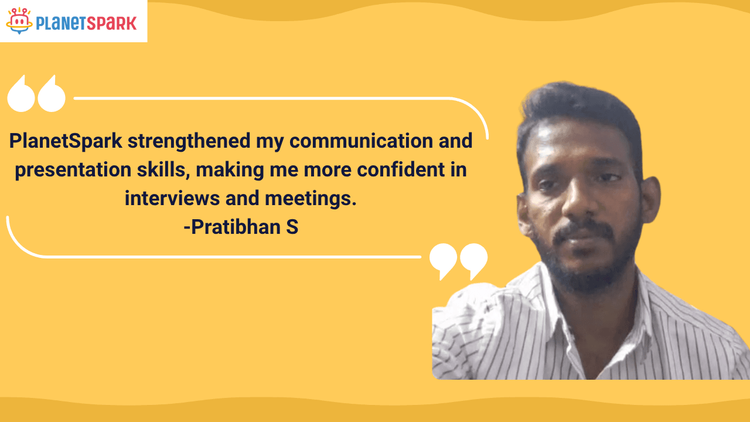
PlanetSpark helped my son Ahan find his voice and confidence. From stage speaking to being published in Pearls of Poetry, his growth has been remarkable.

PlanetSpark’s Public Speaking program has boosted Sristi’s confidence and clarity, her school performance speaks for itself.
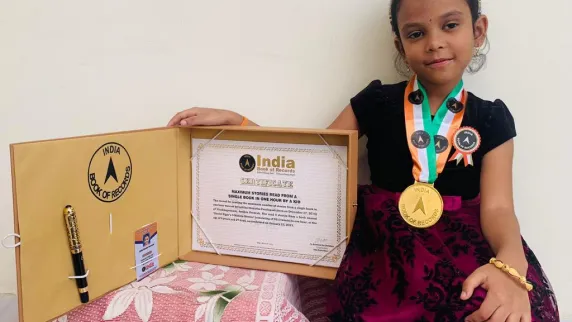
My daughter has transformed from a shy kid to a confident speaker in just 6 months. The personalized attention and structured curriculum made all the difference.
Making Headlines Nationwide
Featured in leading media for transforming individuals into confident, expressive, and stage-ready public speakers.



For a complete guide to building fluency, confidence, and clarity, explore our main Spoken English pillar page.
For a complete understanding of rules, usage, and examples, explore our English Grammar pillar page.
For techniques, practice tips, and confidence building strategies, explore our Public Speaking pillar page.
For a complete guide to clear, confident, and effective communication, explore our Communication Skills pillar page.
For workplace ready communication, confidence, and people skills, explore our Soft Skills pillar page for working professionals.
Frequently Asked Questions
Written communication is the process of sharing information, thoughts, or ideas through written words. It includes everything from emails and letters to essays, reports, and digital messages. Unlike oral communication, written communication provides a permanent record and allows the sender to organize thoughts carefully.
The importance of written communication lies in its clarity, structure, and reliability. It helps individuals express ideas precisely, maintain records, and share information across time and distance. In schools, it improves learning and creativity, while in workplaces, it ensures professionalism and accountability.
The main types of written communication include:
Formal writing: Reports, business letters, research papers, and official documents.
Informal writing: Emails, personal notes, social media posts, and creative stories.
Instructional writing: Manuals, guides, and educational content.
Each type serves a unique purpose and requires a specific tone and format.
The difference between oral and written communication is in delivery and permanence. Oral communication is spoken and immediate, ideal for discussions or presentations, while written communication is recorded, structured, and more detailed — suitable for official records, analysis, or long-term reference.
Common examples of written communication include emails, essays, reports, text messages, blogs, memos, and presentations. In academic settings, assignments and notes are examples, while in workplaces, reports and documentation play a crucial role.
The advantages of written communication are:
Provides a permanent record of information.
Allows time to plan and organize ideas.
Reduces misunderstandings through clarity.
Enables wide reach through digital platforms.
These benefits make it essential for learning, business, and professional growth.
To improve written communication skills, practice daily writing, read diverse materials, learn grammar and structure, and seek regular feedback. Joining a structured communication skills course like PlanetSpark’s can also enhance your clarity, vocabulary, and confidence in writing.